When you’re working with electronics, choosing the right tool can make all the difference. You might wonder whether a multimeter or an oscilloscope is better for your project.
Both instruments seem similar but serve very different purposes. Understanding these differences will save you time, money, and frustration. You’ll discover which tool fits your needs, how each one works, and when to use one over the other. Keep reading to make sure you pick the perfect device for your next electronic challenge.
Multimeter Basics
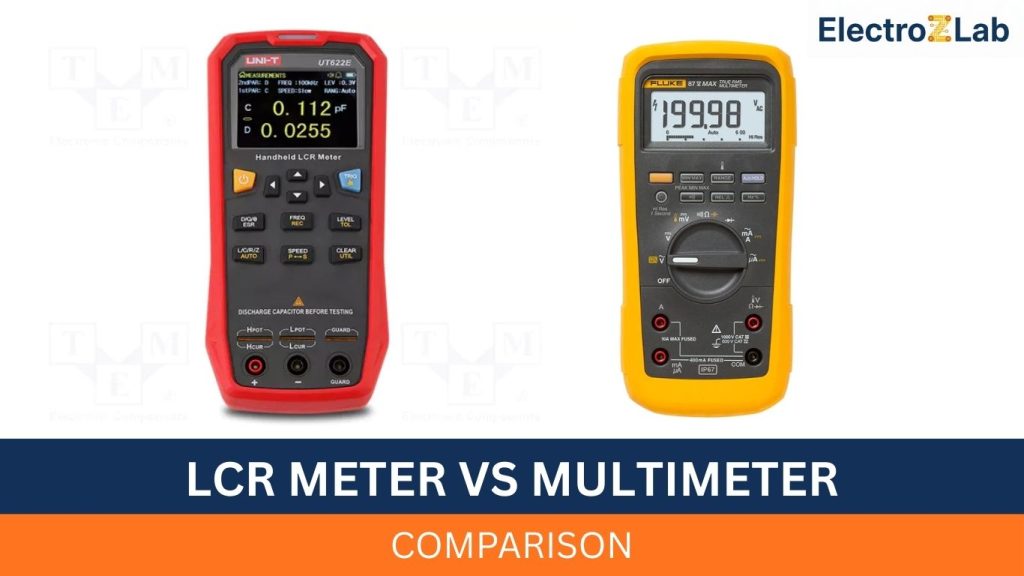
A multimeter is a tool used to measure electrical values. It helps check voltage, current, and resistance. Many people use it for simple electrical tests and repairs.
This tool is small and easy to carry. It shows readings on a screen or dial. Understanding the basics helps you use it safely and effectively.
Types Of Multimeters
There are two main types of multimeters: analog and digital. Analog meters have a needle that moves over a scale. Digital meters show numbers on a screen. Digital multimeters are more common today.
Key Functions
Multimeters measure voltage in volts, current in amperes, and resistance in ohms. Some models test continuity to check if a circuit is complete. Others measure temperature or frequency. Basic functions cover most household and car repairs.
Common Uses
Electricians use multimeters to find wiring problems. Homeowners check batteries and outlets. Hobbyists test electronic parts and circuits. Multimeters help find faults quickly and save time.
Oscilloscope Essentials
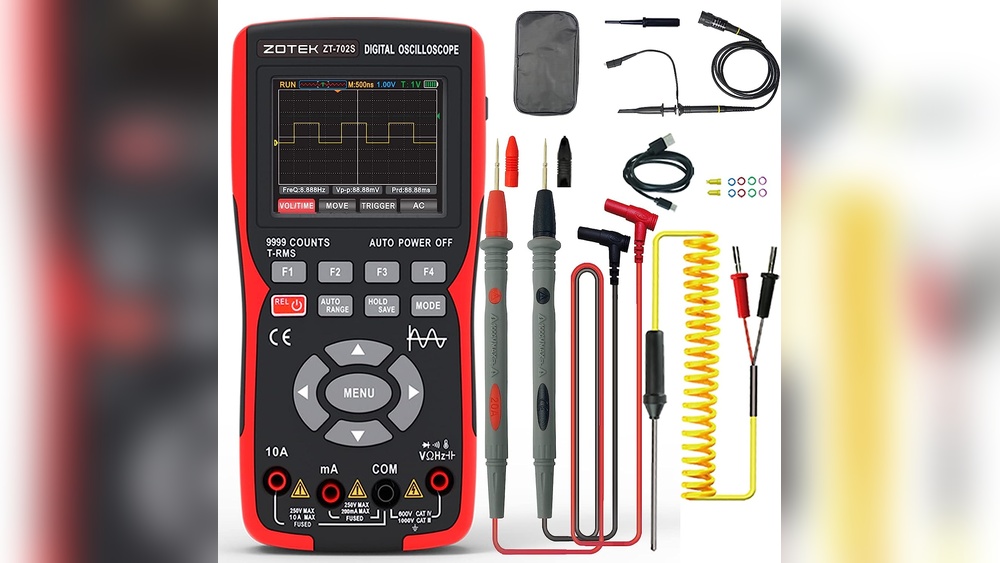
Understanding oscilloscopes is key to choosing the right tool for measuring electrical signals. An oscilloscope shows how voltage changes over time. It helps you see signal shapes and patterns clearly.
This tool is essential for testing and troubleshooting circuits. It gives visual insight that a multimeter cannot provide. Learn about the types, features, and uses of oscilloscopes here.
Types Of Oscilloscopes
There are mainly two types of oscilloscopes: analog and digital. Analog oscilloscopes display signals as continuous waves. Digital oscilloscopes convert signals into digital data for detailed analysis. Each type suits different tasks and budgets.
Core Features
Oscilloscopes have key features like bandwidth and sample rate. Bandwidth defines the highest frequency it can measure. Sample rate shows how often the signal is recorded. Other features include multiple channels and trigger settings. These help capture and analyze complex signals.
Typical Applications
Oscilloscopes are used in electronics, engineering, and education. They test circuit boards, diagnose faults, and check signal integrity. Hobbyists use them to build and repair gadgets. Scientists also use them to study waveforms in experiments.
Performance Comparison
Comparing the performance of a multimeter and an oscilloscope helps choose the right tool. Both instruments measure electrical signals but work differently. Knowing their strengths clarifies which fits specific tasks best.
Measurement Accuracy
Multimeters provide accurate readings for voltage, current, and resistance. They use digital or analog displays to show values clearly. Oscilloscopes measure signals with high precision over time. They capture rapid changes that multimeters cannot detect. For steady signals, multimeters give reliable results. For detailed signal analysis, oscilloscopes offer better accuracy.
Signal Visualization
Multimeters show numbers on a screen. They do not display signal shapes or patterns. Oscilloscopes display waveforms on a screen. This helps users see signal changes over time. Visualizing signals aids in troubleshooting complex circuits. Multimeters are limited to basic numeric values. Oscilloscopes provide a detailed view of electrical signals.
Frequency Range
Multimeters measure low-frequency signals well. They work best with direct current and low-frequency alternating current. Oscilloscopes handle a wide range of frequencies. They can measure signals from very low to very high frequencies. This makes oscilloscopes suitable for radio, audio, and digital signals. Multimeters cannot capture high-frequency signal details accurately.

Credit: www.differencebetween.net
Ease Of Use
Ease of use is important when choosing between a multimeter and an oscilloscope. Both tools serve different purposes and have different designs. Understanding how simple each device is to operate helps in picking the right one for your needs.
User Interface
A multimeter usually has a simple interface. It has a few buttons and a dial to select functions. The screen shows numbers clearly. This makes it easy for beginners to read measurements.
An oscilloscope has a more complex interface. It shows waveforms on a screen. You can adjust many settings for detailed analysis. This can be confusing for new users at first.
Setup And Calibration
Multimeters require minimal setup. Most are ready to use after turning on and selecting the mode. Calibration is often automatic or rarely needed.
Oscilloscopes need more setup. You must connect probes and adjust settings carefully. Calibration is important to get accurate waveforms. This can take extra time and skill.
Portability
Multimeters are usually small and lightweight. They fit easily in a tool bag or pocket. This makes them handy for quick tests on the go.
Oscilloscopes are larger and heavier. Some models are portable but still bulkier than multimeters. They are best used in a fixed workspace or lab.
Cost And Value
Cost and value play a key role in choosing between a multimeter and an oscilloscope. Both tools serve different purposes, which affects their price and overall worth. Understanding these differences helps you pick the right device for your needs and budget.
Price Ranges
Multimeters are generally cheaper than oscilloscopes. Basic multimeters can cost as little as $10 to $50. Advanced models with extra features may go up to $200.
Oscilloscopes have a wider price range. Entry-level models start around $300. Professional and high-end oscilloscopes can cost thousands of dollars. The price depends on bandwidth, channels, and sampling rate.
Maintenance Expenses
Multimeters require little maintenance. You may only need to replace batteries and fuses occasionally. This keeps ongoing costs low.
Oscilloscopes need more care. They often require calibration to stay accurate. Calibration services can add to maintenance expenses. Some parts may also need replacement over time.
Long-term Investment
Multimeters provide great value for basic electrical testing. They last long with minimal upkeep. This makes them a good choice for hobbyists and simple tasks.
Oscilloscopes offer higher value for advanced analysis. They reveal detailed waveforms and signals. For professionals and labs, the investment pays off by improving diagnostics and troubleshooting.
Choosing The Right Tool
Choosing the right tool between a multimeter and an oscilloscope depends on your specific needs. Each device serves different purposes in testing and measuring electrical signals. Knowing which one fits your situation saves time and effort.
Understanding the differences helps you pick the right device for your work. Consider the details carefully before making a choice.
Project Requirements
Check what your project needs to measure. Multimeters work well for voltage, current, and resistance checks. Oscilloscopes show signal waveforms and complex changes over time. For simple tasks, a multimeter is enough. For detailed signal analysis, an oscilloscope is best.
Skill Level
Multimeters are easy to use for beginners. They have simple displays and controls. Oscilloscopes require more knowledge to read waveforms and adjust settings. If you are new to electronics, start with a multimeter. Learn oscilloscope basics before using one fully.
Budget Considerations
Multimeters are generally affordable and cost less. Oscilloscopes tend to be more expensive due to advanced features. Set a budget that matches your needs and skills. Choose the tool that offers the best value for your money.
Practical Scenarios
Choosing between a multimeter and an oscilloscope depends on the task. Both tools serve important roles in electronics. Understanding practical scenarios helps decide which tool fits best. Each device offers unique features suited for specific jobs. Below are examples that show their use in real life.
Troubleshooting Circuits
A multimeter quickly checks voltage, current, and resistance. It helps find broken wires and faulty components fast. This tool is great for simple repairs and basic circuit checks. An oscilloscope shows the shape of electrical signals over time. It finds problems like noise, distortion, or signal loss. This helps fix complex circuit issues that a multimeter cannot detect.
Signal Analysis
Oscilloscopes capture detailed waveforms and timing information. They reveal how signals change and interact within a circuit. This is key for testing audio equipment, radios, and sensors. Multimeters only measure steady values, not signal patterns. They do not show how signals behave over time. Oscilloscopes are essential for deep signal study and design work.
Routine Measurements
Multimeters are perfect for daily checks and quick tests. Measuring battery voltage, current draw, or continuity is easy and fast. They are portable and simple to use anywhere. Oscilloscopes are less common for routine tasks due to size and setup time. They work best in labs or workshops with detailed testing needs. For regular maintenance, a multimeter is often the better choice.

Credit: electronics.stackexchange.com

Credit: www.youtube.com
Frequently Asked Questions
What Are The Main Differences Between Multimeter And Oscilloscope?
A multimeter measures voltage, current, and resistance. An oscilloscope displays signal waveforms and frequency. Multimeters are simpler; oscilloscopes offer detailed signal analysis.
When Should I Use A Multimeter Over An Oscilloscope?
Use a multimeter for basic electrical measurements like voltage and continuity. Choose an oscilloscope for complex signal visualization and timing analysis.
Can A Multimeter Replace An Oscilloscope In Electronics?
No, a multimeter cannot replace an oscilloscope. Multimeters lack the ability to show waveform shapes and signal timing, essential for detailed diagnostics.
Which Device Is Better For Beginners, Multimeter Or Oscilloscope?
Multimeters are better for beginners due to ease of use and essential measurements. Oscilloscopes require more knowledge to interpret waveform data correctly.
Conclusion
Both multimeters and oscilloscopes help measure electrical signals. Multimeters check voltage, current, and resistance quickly. Oscilloscopes show signal shapes and changes over time. Choose a multimeter for simple, fast tests. Pick an oscilloscope to see detailed waveforms. Each tool has its own strength and use.
Knowing when to use each saves time and effort. Keep both tools handy for different tasks. Understanding their roles makes electronics work easier.

I’m Asif Ur Rahman Adib, an Electrical Engineer and lecturer. My journey began in the lab, watching students struggle with instruments they used every day without fully understanding them. Over time, I’ve combined teaching, research, and hands-on experience to help others grasp electrical concepts clearly, safely, and practically—whether it’s understanding a circuit or mastering a multimeter.