Are you confused about whether to use an ohm meter or a multimeter for your electrical tasks? Choosing the right tool can save you time, effort, and even prevent costly mistakes.
Understanding the key differences between these two devices will empower you to work smarter and more confidently. Keep reading, and you’ll discover exactly when and why each meter is the better choice for your projects. This knowledge could be the game-changer you didn’t know you needed.

Credit: www.alamy.com
Ohm Meter Basics
An ohm meter is a simple tool used in electrical work. It measures resistance in wires and devices. Knowing resistance helps find problems like breaks or shorts. Understanding ohm meter basics is key before comparing it to a multimeter.
What Is An Ohm Meter
An ohm meter is a device that measures electrical resistance. It shows how much a material stops electric current. Resistance is measured in ohms, named after Georg Ohm, a scientist. This tool helps check if circuits or parts work well.
How Ohm Meters Work
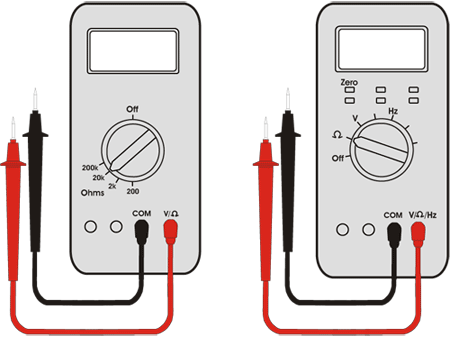
Ohm meters send a small current through a part. They measure how much current flows back. The meter then calculates resistance from this data. High resistance means poor or broken connection. Low resistance means good flow of electricity.
Common Uses Of Ohm Meters
Ohm meters check wires for breaks or faults. They test light bulbs, switches, and fuses. They help find bad connections in circuits. Technicians use them to maintain and repair electronics. Ohm meters are simple but very useful tools.
Credit: gotech.com
Multimeter Essentials
Understanding multimeters is key to choosing the right tool for electrical tasks. Multimeters measure different electrical properties in circuits. They help find faults and check electrical devices quickly. This section explains the basics of multimeters and their types.
What Is A Multimeter
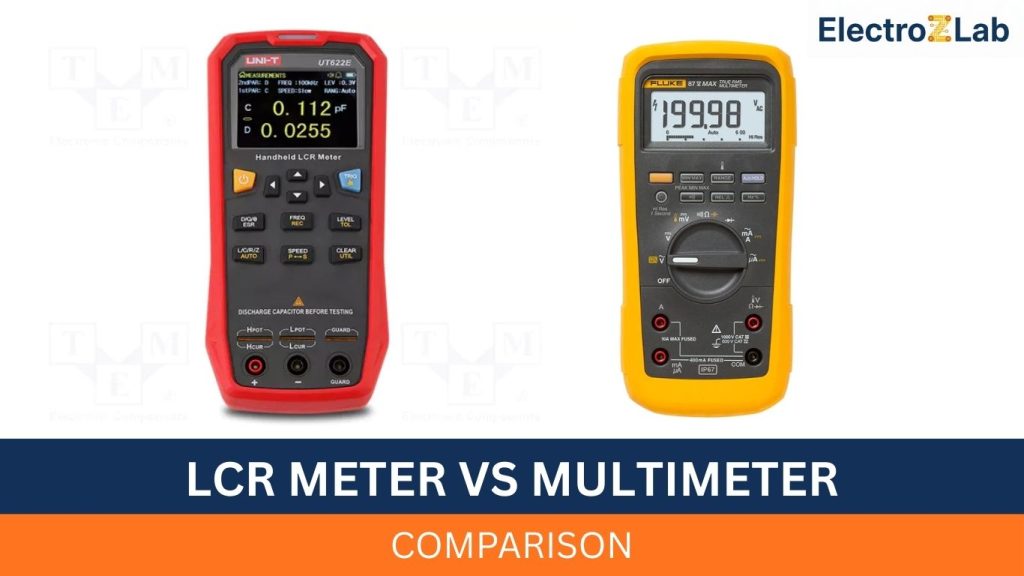
A multimeter is a tool that measures voltage, current, and resistance. It combines several meters in one device. Electricians and hobbyists use it to test circuits and devices. It can be digital or analog. Digital multimeters show readings on a screen. Analog multimeters use a needle to show values.
Functions Of A Multimeter
Multimeters measure voltage, current, and resistance accurately. Voltage tells how much electric force is in a circuit. Current shows the flow of electric charge. Resistance measures how much a material resists electric flow. Some multimeters also test continuity, diodes, and capacitance. These functions help identify issues in electrical systems.
Types Of Multimeters
There are two main types of multimeters: analog and digital. Analog multimeters use a moving needle to display results. Digital multimeters show clear numbers on a screen. Digital types are more common today. They are easier to read and more accurate. Some advanced digital multimeters offer extra features for complex tasks.
Key Differences
Understanding the key differences between an ohm meter and a multimeter helps choose the right tool. Both devices test electrical circuits but serve different purposes. Each tool offers unique features that suit specific tasks.
Measurement Capabilities
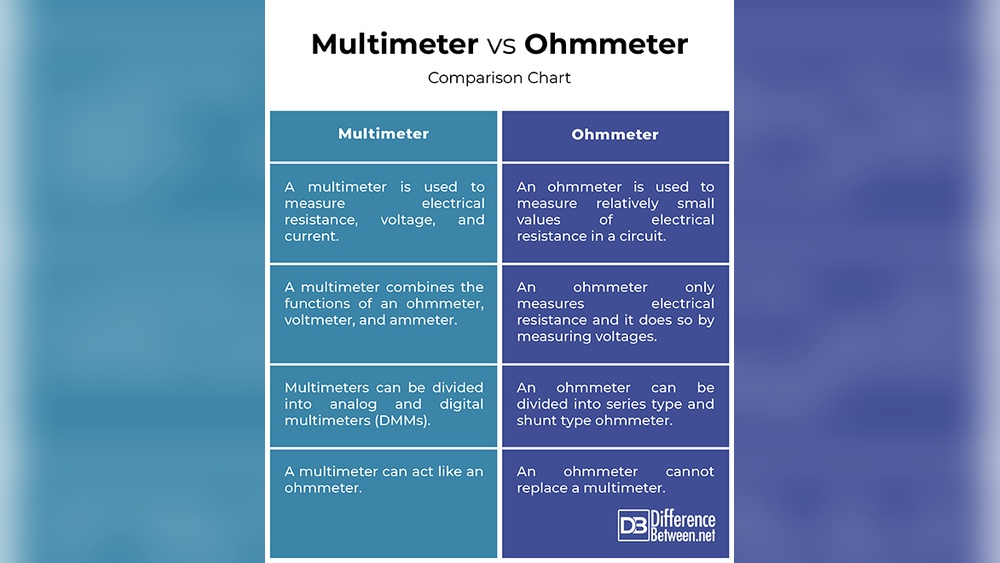
An ohm meter measures only electrical resistance in ohms. It shows how much a material resists electric current. A multimeter measures resistance, voltage, and current. Some multimeters also test continuity and capacitance. This makes multimeters more versatile for many tasks.
Accuracy And Precision
Ohm meters focus on resistance and often provide precise readings. They are built specifically for accurate resistance measurement. Multimeters give good accuracy but may vary between models. High-quality multimeters offer reliable results for resistance and other tests. Choose based on the level of accuracy needed for the job.
Ease Of Use
Ohm meters have simple controls and easy readings. They are straightforward for beginners to use. Multimeters have more functions and settings to learn. This can be confusing for new users. Reading a multimeter requires understanding different modes and scales. Ohm meters are best for quick resistance checks.

Credit: www.wikihow.com
Choosing The Right Tool
Choosing the right tool is important for accurate electrical work. Both ohm meters and multimeters have their strengths. Knowing which device fits your task saves time and effort. It also improves safety and results. Here is a simple guide to help you decide.
For Electrical Testing
An ohm meter measures resistance only. It is perfect for checking wires and circuits for breaks. It helps find faulty parts quickly. Multimeters do this too, but ohm meters are simpler to use for resistance tests. Choose an ohm meter if you focus on resistance testing alone.
For Diy Projects
Multimeters offer more functions than ohm meters. They measure voltage, current, and resistance. This makes them useful for most home projects. Beginners benefit from one tool that does many jobs. Multimeters help test batteries, outlets, and simple circuits. They are a practical choice for DIY enthusiasts.
For Professional Use
Professionals need tools with accuracy and versatility. Multimeters are common in this field. They provide detailed readings for voltage, current, and resistance. Some models include extra features like temperature or frequency measurement. This helps professionals handle complex electrical systems. An ohm meter may be used for specific resistance checks but is less flexible overall.
Cost And Availability
Cost and availability play a big role when choosing between an ohm meter and a multimeter. Both tools have different price points and can be found in various stores. Understanding their cost and where to buy them helps make a smart choice.
Price Range Comparison
Ohm meters usually cost less than multimeters. Basic ohm meters start at a low price. They are simple tools designed mainly to measure resistance. Multimeters offer more functions like voltage and current measurement. This makes them more expensive. Entry-level multimeters have a wider price range. Prices depend on brand and features. Higher-end multimeters can cost several times more than a basic ohm meter.
Where To Buy
Both ohm meters and multimeters are widely available. Electronics stores often carry them. Online shops offer many brands and models. Buying online gives access to customer reviews. Some hardware stores also stock these tools. Specialty stores focus on electrical tools and parts. Checking multiple sources can find the best price and availability.
Maintenance Tips
Proper maintenance keeps your ohm meter and multimeter working accurately. Regular care helps avoid errors and extends device life. Follow these simple tips to maintain your tools well.
Calibration
Calibrate your ohm meter and multimeter regularly. Calibration ensures the readings stay precise. Use a standard reference or calibration device. Check manufacturer guidelines for calibration frequency. Avoid using uncalibrated meters for important tests.
Storage And Handling
Store your meters in a dry and clean place. Avoid exposing them to extreme temperatures or moisture. Handle the devices carefully to prevent damage. Use protective cases during transport and storage. Keep the leads and probes untangled and safe.
Frequently Asked Questions
What Is The Difference Between An Ohm Meter And A Multimeter?
An ohm meter measures only electrical resistance in ohms. A multimeter measures resistance, voltage, and current, making it more versatile.
Can A Multimeter Replace An Ohm Meter?
Yes, a multimeter can replace an ohm meter since it measures resistance along with other electrical properties.
When Should I Use An Ohm Meter Instead Of A Multimeter?
Use an ohm meter for precise resistance measurements. Use a multimeter for general electrical testing and troubleshooting.
How Does An Ohm Meter Measure Resistance?
An ohm meter sends a small current through a component and measures voltage drop to calculate resistance.
Conclusion
Choosing between an ohm meter and a multimeter depends on your needs. An ohm meter measures resistance only. A multimeter measures voltage, current, and resistance. For simple resistance checks, an ohm meter works fine. For more tasks, a multimeter is better.
Both tools help with electrical work. Knowing their differences saves time and effort. Use the right tool for your project. This ensures accurate and safe results every time.

I’m Asif Ur Rahman Adib, an Electrical Engineer and lecturer. My journey began in the lab, watching students struggle with instruments they used every day without fully understanding them. Over time, I’ve combined teaching, research, and hands-on experience to help others grasp electrical concepts clearly, safely, and practically—whether it’s understanding a circuit or mastering a multimeter.