Are you trying to figure out whether an oscilloscope or a signal analyzer is the right tool for your project? Both devices look similar and handle signals, but they serve different purposes.
Choosing the wrong one can cost you time, money, and frustration. You’ll discover the key differences between an oscilloscope and a signal analyzer. By the end, you’ll know exactly which tool fits your needs and how to use it to get the best results.
Keep reading to make smarter decisions for your work and avoid common pitfalls.
Key Features Of Oscilloscopes
Oscilloscopes are essential tools for viewing and analyzing electrical signals. They help visualize how signals change over time. Understanding their key features reveals why they are widely used in electronics, engineering, and education. These features define how well an oscilloscope performs in different tasks and environments.
Waveform Display Capabilities
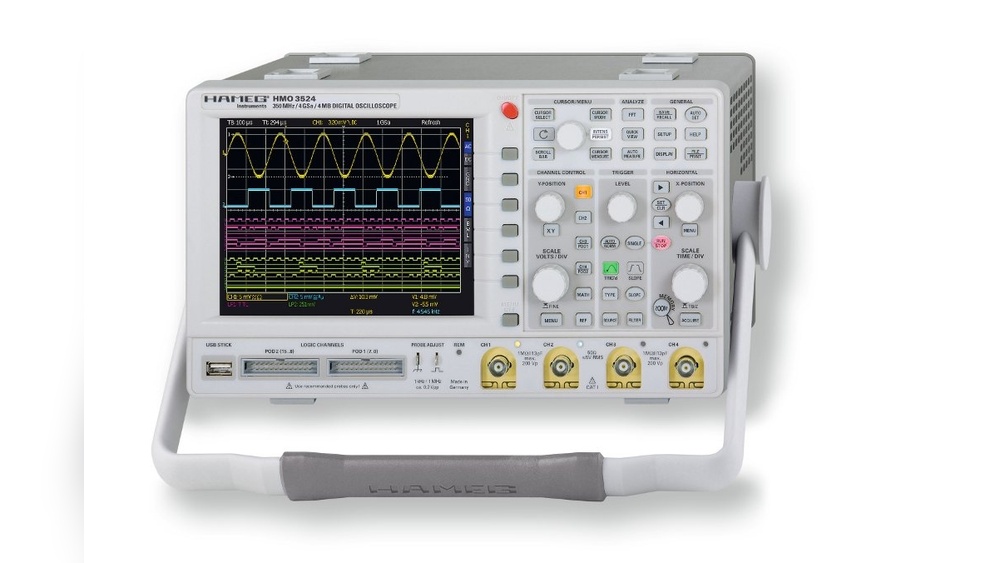
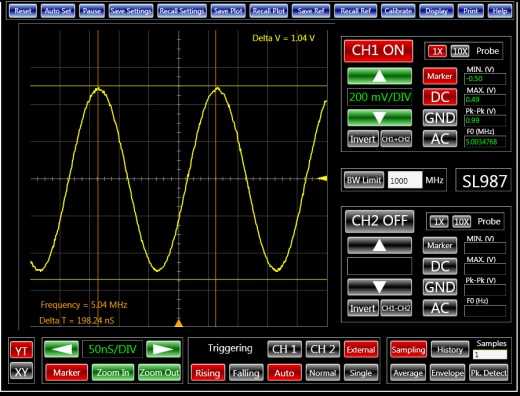
Oscilloscopes show waveforms on a screen, making signals visible. They display voltage changes as lines that move across the screen. Good waveform display helps users see signal shape, timing, and disturbances. Color screens and high resolution improve clarity and detail. Some models allow zooming and cursors for precise measurements.
Triggering And Sampling Rates
Triggering locks the oscilloscope to a specific part of the signal. This helps capture repeating or single events clearly. Sampling rate means how often the oscilloscope records data points. Higher rates give more detail and accuracy. Fast sampling is vital for analyzing quick or complex signals without missing details.
Bandwidth And Resolution
Bandwidth defines the range of frequencies an oscilloscope can measure. A wider bandwidth can capture faster signals accurately. Resolution determines how finely the oscilloscope can measure voltage levels. Higher resolution reveals small changes in signal amplitude. Both bandwidth and resolution affect the quality of signal analysis.
Portability And Form Factors
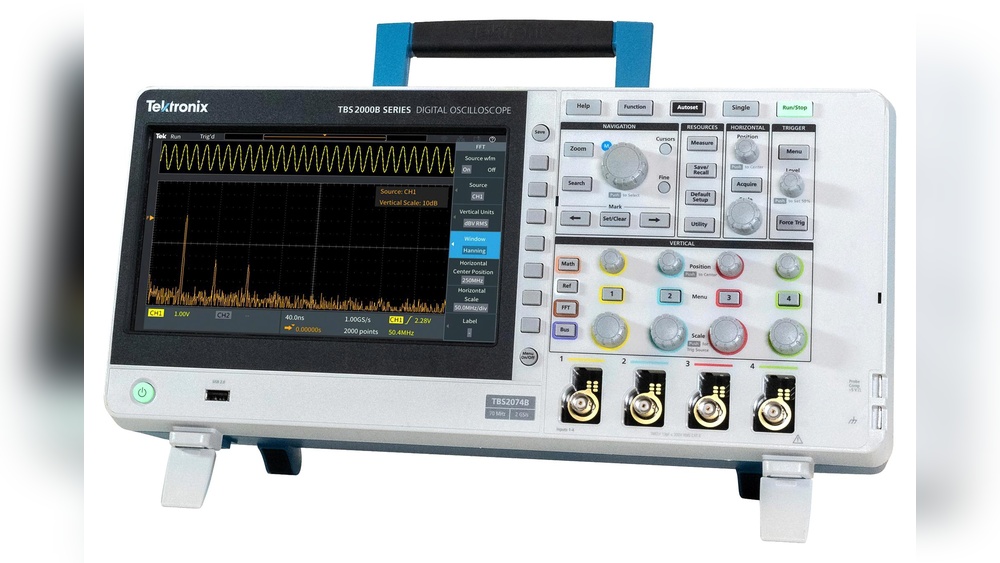
Oscilloscopes come in different sizes and designs. Portable models are lightweight and easy to carry. Bench-top models offer more features and larger screens. Some are handheld, useful for fieldwork and quick tests. Choosing the right form factor depends on where and how the oscilloscope will be used.
Credit: www.oscopes.info
Core Attributes Of Signal Analyzers
Signal analyzers are specialized tools designed to study electrical signals in detail. They help engineers and technicians understand signal behavior over a wide frequency range. The core attributes of signal analyzers set them apart from other instruments like oscilloscopes. These features allow precise measurement and deep analysis of complex signals.
Frequency Spectrum Analysis
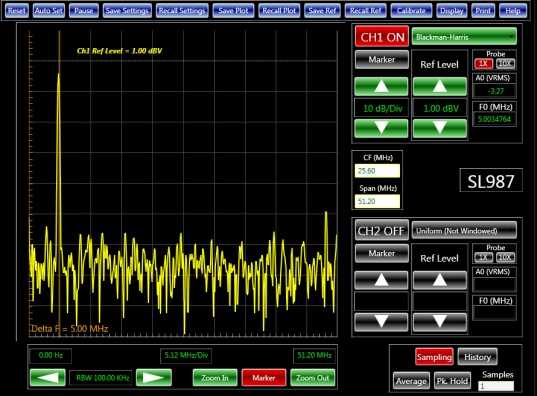
Signal analyzers show the signal’s frequency components clearly. This helps identify the strength of each frequency within the signal. Users can see noise, interference, or unwanted signals easily. It gives a detailed view of the signal beyond just time-based waveforms.
Dynamic Range And Sensitivity
These devices measure signals with very different power levels accurately. High dynamic range means detecting both very weak and very strong signals. Sensitivity allows capturing faint signals without losing detail. This precision is vital for accurate signal evaluation.
Modulation Analysis
Signal analyzers detect and measure modulation types in signals. They analyze amplitude, frequency, and phase modulation clearly. This helps in testing communication signals for quality and errors. It is essential for wireless and broadcast signal verification.
Signal Demodulation Techniques
Demodulation extracts the original information from modulated signals. Signal analyzers use various methods to recover data from complex signals. This supports testing of digital and analog communication systems. It ensures signals carry the correct information efficiently.
Performance Comparison
Performance is key when choosing between an oscilloscope and a signal analyzer. These tools measure electronic signals but serve different purposes. Understanding their performance differences helps in selecting the right device for your needs.
Speed And Real-time Analysis
Oscilloscopes provide fast signal capture and display. They show changes in voltage over time instantly. This speed helps detect quick, short events. Signal analyzers process signals more slowly. They focus on detailed frequency information, not instant changes. For real-time monitoring, oscilloscopes are better suited.
Accuracy And Measurement Precision
Signal analyzers offer high precision in frequency and amplitude measurements. They can detect small variations in signals. Oscilloscopes measure voltage with good accuracy but less precision in frequency. For tasks needing exact frequency data, signal analyzers perform best. Oscilloscopes work well for general signal shape and timing.
Noise Floor And Interference Handling
Signal analyzers have lower noise floors, which means they detect weaker signals clearly. They handle interference better, filtering out unwanted noise. Oscilloscopes may show more background noise in weak signals. This can make it hard to see small details. For clean signal analysis, signal analyzers excel.
Application Areas
Oscilloscopes and signal analyzers serve distinct roles across many fields. Each device fits specific needs based on its capabilities. Understanding their application areas helps choose the right tool for the task.
These instruments are vital in electronics, communications, audio, automotive, and industrial settings. Their unique features support precise measurement and troubleshooting in these domains.
Electronics Design And Debugging
Oscilloscopes are key in electronics design. They show real-time waveforms and timing details. Engineers use them to find circuit problems fast. Signal analyzers measure signal quality and noise. They help verify signal integrity in complex circuits.
Wireless Communication Testing
Signal analyzers excel in wireless testing. They measure frequency, power, and modulation easily. Oscilloscopes help check signal timing and shape. Both tools ensure devices meet communication standards. Accurate testing avoids signal loss and interference.
Audio And Rf Signal Analysis
Oscilloscopes visualize audio waveforms and distortions. Signal analyzers assess frequency response and harmonics. Audio engineers use these tools to improve sound quality. RF specialists analyze radio signals for clarity and strength.
Automotive And Industrial Uses
Oscilloscopes test sensors and control modules in cars. They monitor voltage changes and pulses clearly. Signal analyzers measure industrial signals and noise levels. Both help maintain reliable operation in harsh environments.
User Experience And Interface
User experience and interface play a big role in choosing between an oscilloscope and a signal analyzer. These tools help users see and understand signals clearly. The way you interact with them affects how fast and well you work. Easy controls and clear displays save time and reduce errors. Each device offers different features that affect your experience.
Ease Of Use And Learning Curve
Oscilloscopes often have simple controls and menus. Beginners can start using them quickly. Signal analyzers may have more complex settings. They require extra time to learn. However, professionals benefit from their advanced options. Clear buttons and logical menus help users avoid confusion. A smooth learning curve means faster results and less frustration.
Display And Visualization Options
Oscilloscopes show waveforms in real time. Their screens often have bright colors and sharp lines. This makes it easy to spot signal changes. Signal analyzers focus on detailed frequency data. They offer graphs and charts that reveal signal strength and quality. Both tools provide zoom and measurement features. Good visualization helps users understand signals better and faster.
Software Integration And Connectivity
Modern oscilloscopes connect easily to computers and mobile devices. They support USB, LAN, and Wi-Fi connections. Signal analyzers also offer strong software links. They can send data to analysis programs or cloud storage. Both devices allow remote control and data sharing. Good connectivity improves teamwork and data management in projects.
Cost And Value Considerations
Cost and value play a big role when choosing between an oscilloscope and a signal analyzer. Both tools serve different purposes but come with different price tags. Understanding these costs helps buyers make smart decisions.
Initial Investment
Oscilloscopes usually cost less at the start. Basic models fit tight budgets. Signal analyzers often have higher prices. They offer advanced features for complex signals. Choose based on your needs and budget.
Maintenance And Upgrades
Both devices need regular maintenance. Oscilloscopes are simpler to update. Signal analyzers might require software and hardware upgrades. These updates can add to the total cost over time.
Long-term Benefits
Oscilloscopes provide good value for basic tasks. Signal analyzers pay off in the long run. They handle detailed signal analysis with accuracy. Consider how often and what you will measure before buying.
Choosing The Right Tool
Choosing the right tool for your electronic testing is critical. Both oscilloscopes and signal analyzers serve important roles. Each tool excels in different tasks and suits different project needs. Understanding their strengths helps you pick the best option. This section guides you through that decision.
Matching Tools To Project Needs
Oscilloscopes capture and display waveforms in real time. They show how signals change over time. This makes them ideal for troubleshooting circuits and checking signal timing. Signal analyzers focus on frequency and signal quality. They measure signal strength, distortion, and noise. Use oscilloscopes for time-based analysis and signal analyzers for detailed frequency study.
Future-proofing Your Equipment
Technology changes fast. Choose tools that support software updates. Look for modular designs that allow upgrades. This saves money and extends tool life. Consider your upcoming projects and potential needs. Buy equipment that can handle future challenges. This helps avoid frequent replacements and downtime.
Hybrid Solutions And Complementary Use
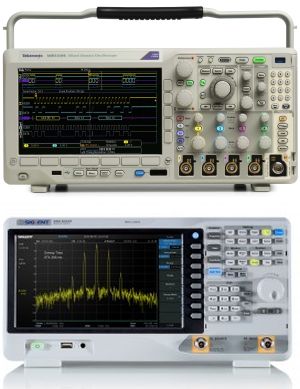
Combining oscilloscopes and signal analyzers offers best results. Use oscilloscopes for quick visual checks. Use signal analyzers for deep frequency analysis. Some devices combine both functions in one unit. Hybrid tools save space and cost. Using both tools together covers more testing scenarios.
Credit: www.oscopes.info
Credit: www.eeworldonline.com
Frequently Asked Questions
What Is The Main Difference Between Oscilloscope And Signal Analyzer?
An oscilloscope shows time-based waveforms visually. A signal analyzer measures frequency, amplitude, and signal quality. Oscilloscopes focus on time-domain signals, while signal analyzers provide detailed frequency-domain analysis.
Which Device Is Better For Frequency Analysis?
Signal analyzers are better for frequency analysis. They offer precise frequency, phase, and modulation measurements. Oscilloscopes have limited frequency resolution and mainly display waveforms over time.
Can Oscilloscopes Measure Complex Signal Modulations?
Oscilloscopes can show modulated signals visually but lack advanced demodulation tools. Signal analyzers are designed to decode and analyze complex modulations accurately.
When Should I Use An Oscilloscope Over A Signal Analyzer?
Use an oscilloscope for real-time waveform viewing and troubleshooting. It’s ideal for time-domain signal inspection and transient event capture.
Conclusion
Choosing between an oscilloscope and a signal analyzer depends on your needs. Oscilloscopes show waveforms and time-based signals clearly. Signal analyzers focus on frequency and signal strength details. Each tool has strengths for different tasks. Understanding these differences helps you pick the right device.
Both play key roles in electronics and signal testing. Use this knowledge to work smarter and get better results. Simple tools, clear purposes. Which one fits your project best?

I’m Asif Ur Rahman Adib, an Electrical Engineer and lecturer. My journey began in the lab, watching students struggle with instruments they used every day without fully understanding them. Over time, I’ve combined teaching, research, and hands-on experience to help others grasp electrical concepts clearly, safely, and practically—whether it’s understanding a circuit or mastering a multimeter.