When you’re working with electronics, choosing the right tool can make all the difference. You might be wondering: should you use an oscilloscope or a voltmeter?
Both are essential devices, but they serve different purposes. Understanding these differences can save you time, money, and frustration. You’ll discover exactly when and why to pick one over the other. By the end, you’ll feel confident about which tool fits your needs perfectly.
Ready to clear up the confusion? Let’s dive in.
Basic Functions
Understanding the basic functions of an oscilloscope and a voltmeter helps in choosing the right tool. Both devices measure electrical signals, but they serve different roles. Knowing their core purposes clarifies how and when to use each instrument effectively.
Purpose Of An Oscilloscope
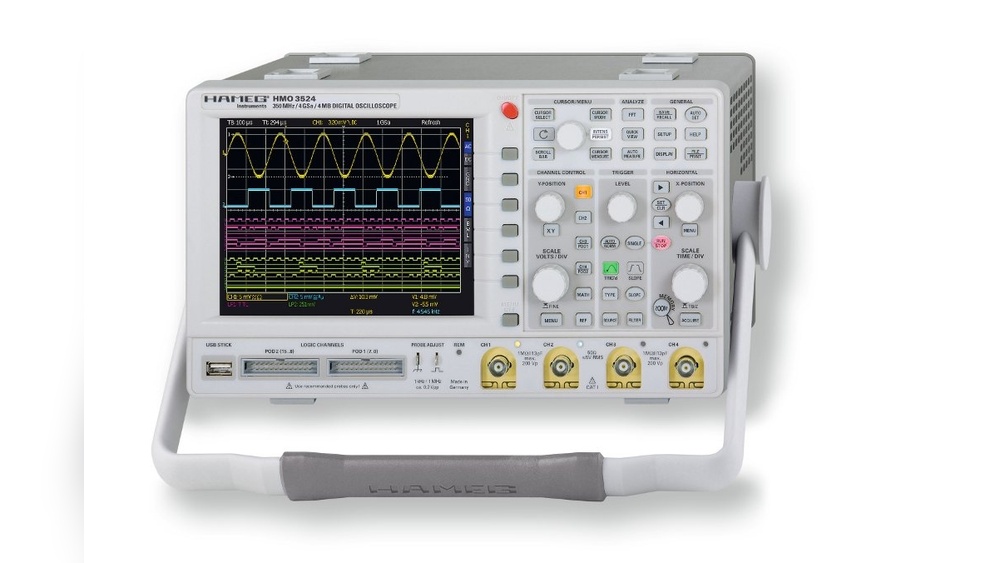
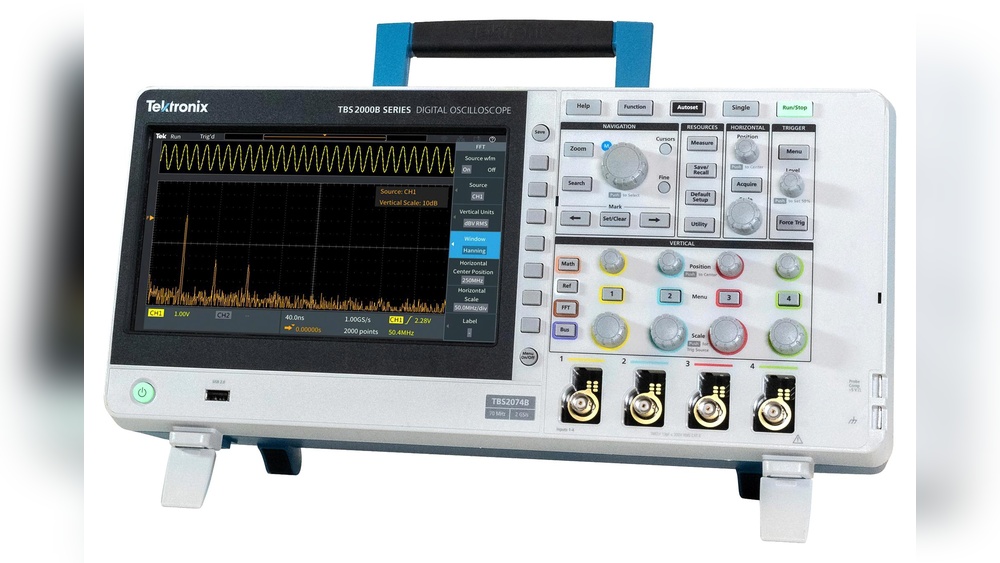
An oscilloscope shows how electrical signals change over time. It displays waveforms on a screen, making it easy to see signal patterns and shapes. Engineers use oscilloscopes to observe voltage changes and diagnose circuit issues. This tool helps analyze frequency, amplitude, and timing of signals. It is essential for testing complex electronic devices.
Purpose Of A Voltmeter
A voltmeter measures the voltage between two points in a circuit. It gives a simple number showing how much electrical potential exists. Voltmeters are easy to use for checking battery levels or power supplies. They provide a quick way to verify if a circuit has the right voltage. This tool is ideal for basic electrical measurements.
Measurement Capabilities
Understanding the measurement capabilities of oscilloscopes and voltmeters helps choose the right tool. Both devices measure electrical signals but show different details. These differences affect how you analyze voltage and signal quality.
Voltage Types Measured
Voltmeters measure mostly direct current (DC) and alternating current (AC) voltages. They provide a single value that shows the signal strength. Oscilloscopes measure the same voltages but also capture changing signals over time. This means oscilloscopes can show complex voltage patterns that voltmeters cannot.
Signal Visualization
Voltmeters show voltage as a number on a screen. This number changes slowly if the voltage changes. Oscilloscopes display voltage as a waveform on a screen. The waveform shows how voltage changes every moment. This visual helps to find problems in signals that numbers miss.
Frequency And Waveform Analysis
Voltmeters cannot measure frequency or waveform shapes. They only show voltage level at one time. Oscilloscopes measure frequency and display waveform shapes clearly. This helps to understand signal behavior, such as noise or distortion. This ability makes oscilloscopes ideal for testing complex signals.
Display And Output
The display and output of an oscilloscope and a voltmeter are key to how users read and understand electrical signals. They show information in different ways. This affects how quickly and clearly you can see what is happening in a circuit.
Each tool serves a unique purpose by showing data visually or with numbers. This makes them useful for different tasks in electronics.
Graphical Display
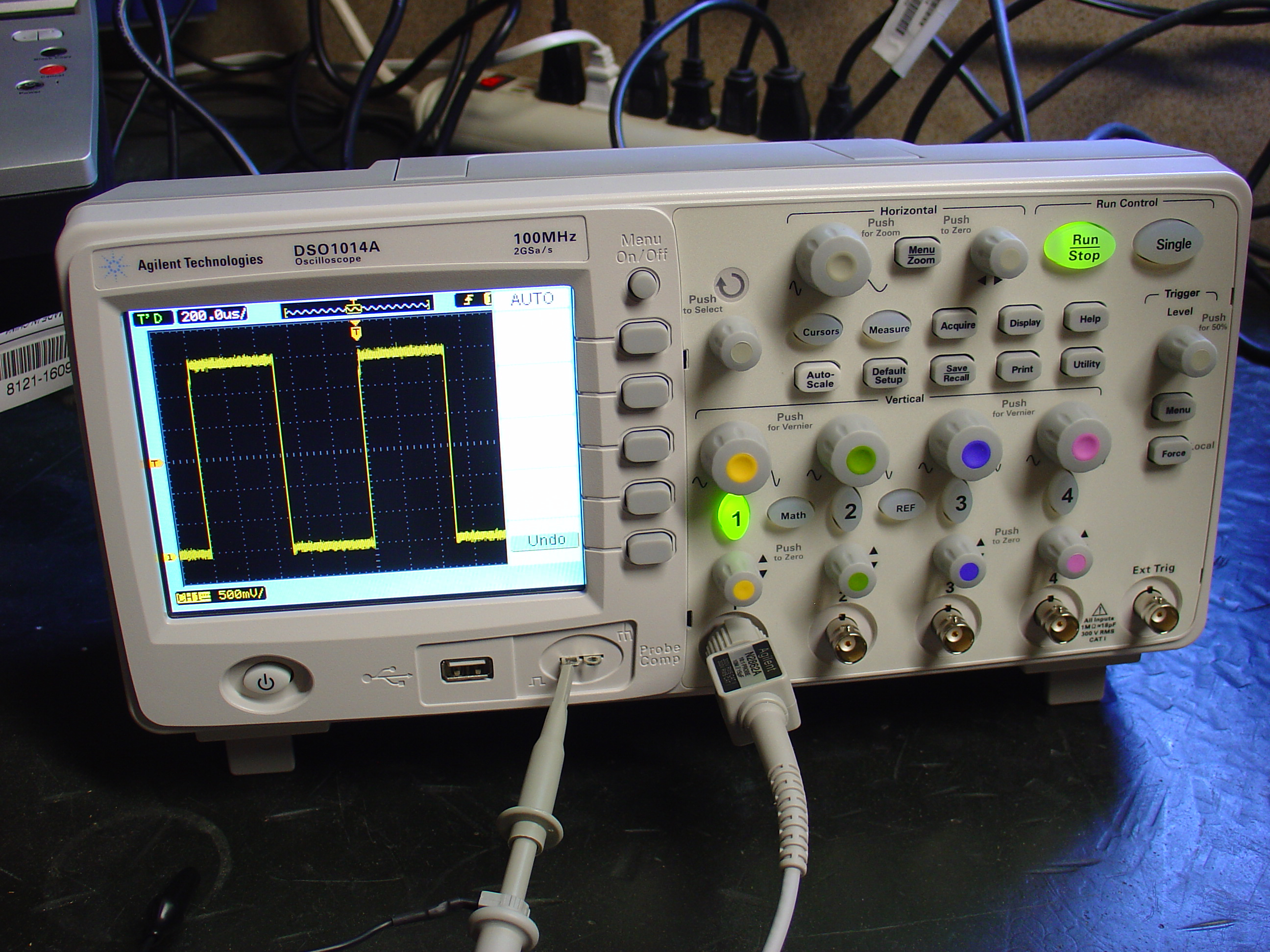
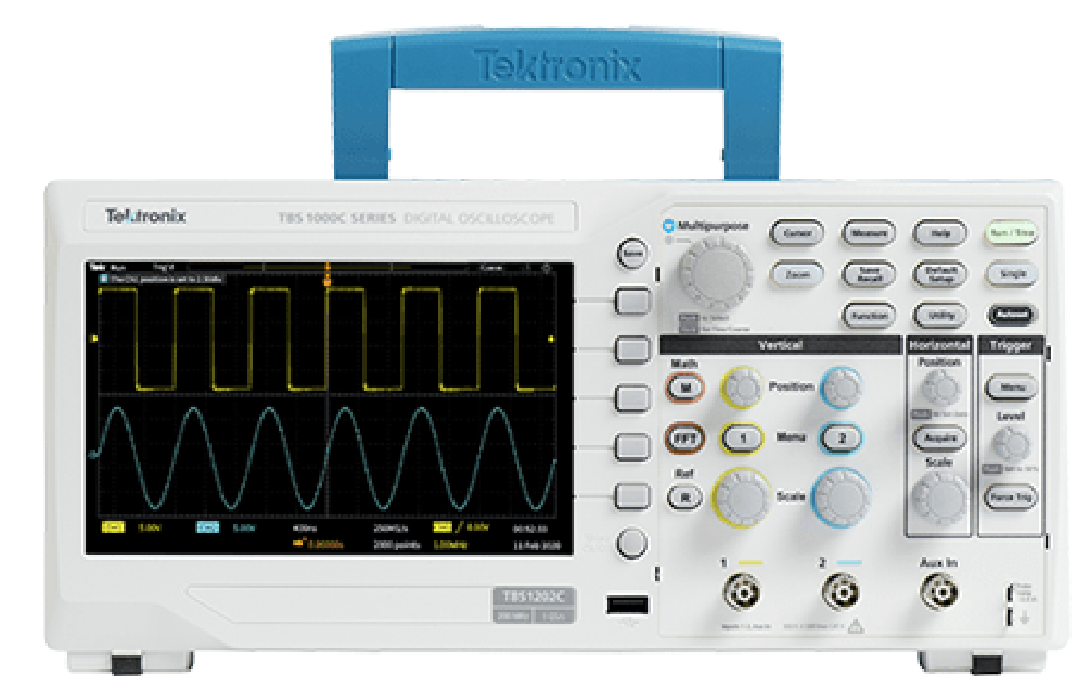
An oscilloscope shows signals as waveforms on a screen. This graphical display lets you see changes in voltage over time. It helps spot patterns, spikes, or noise in signals.
The waveform can show frequency, amplitude, and shape details. This visual form is crucial for diagnosing complex issues in circuits.
Numerical Readout
A voltmeter provides a simple numerical readout of voltage. It shows the exact voltage value at a moment. This readout is easy to read and understand quickly.
Voltmeter numbers help in basic testing and troubleshooting. They give clear, direct information without extra details.
Credit: digilent.com
Accuracy And Precision
Accuracy and precision are key factors in measuring electrical signals. They help determine how close the measurement is to the true value and how consistent the readings are. Both oscilloscopes and voltmeters offer unique strengths in these areas.
Accuracy Of Oscilloscopes
Oscilloscopes show voltage changes over time. Their accuracy depends on the device’s bandwidth and sampling rate. High-end oscilloscopes provide very accurate signal details. They capture fast changes well but may have slight errors in voltage levels.
Accuracy Of Voltmeters
Voltmeters measure voltage at a single point in time. They usually offer high accuracy for steady signals. Digital voltmeters display precise voltage values. Their design focuses on reducing errors from noise and interference.
Precision Of Oscilloscopes
Precision in oscilloscopes means consistent waveform display. They offer detailed views of signal shape and timing. Repeat measurements show similar patterns, making analysis reliable. Precision helps detect small changes in signals.
Precision Of Voltmeters
Voltmeters provide stable and repeatable voltage readings. They excel in measuring constant voltages accurately. Their precision depends on resolution and calibration. Consistent results help in troubleshooting and testing circuits.
Applications In Electronics
In electronics, both oscilloscopes and voltmeters play important roles. They help engineers and technicians check electrical signals and circuits. Each tool suits different tasks and offers unique advantages for understanding electronic behavior.
Choosing the right instrument depends on the specific needs of the project. Oscilloscopes show signal shapes and changes over time. Voltmeters measure voltage levels quickly and simply. Knowing where to use each device makes troubleshooting easier and faster.
Use Cases For Oscilloscopes
Oscilloscopes display waveforms on a screen. They help observe signal patterns and timing. Engineers use oscilloscopes to test audio signals and radio frequencies. They check digital circuits for errors and timing issues. Oscilloscopes find noise and distortion in signals. They also measure pulse width and frequency. These tools are vital in circuit design and repair work.
Use Cases For Voltmeters
Voltmeters measure electrical voltage in circuits. Technicians use voltmeters to verify power supply levels. They check battery charge and voltage drops. Voltmeters help identify open or short circuits. These tools work well for simple electrical tests. Voltmeters provide quick voltage readings without complex setup. They are common in household and automotive repairs.

Credit: dailyplanetvt.com
Portability And Ease Of Use
Portability and ease of use are key factors when choosing between an oscilloscope and a voltmeter. These tools serve different purposes but must be simple to carry and operate. Understanding their design and user experience helps in selecting the right device for your needs.
Portability Of Oscilloscopes
Oscilloscopes vary in size. Bench-top models are large and heavy. Portable oscilloscopes are smaller and lighter. They often run on batteries. This makes them easy to carry to different sites. However, they still tend to be bulkier than voltmeters. Carrying an oscilloscope requires some space and care.
Portability Of Voltmeters
Voltmeters are compact and lightweight. Most handheld models fit in a pocket or small bag. They usually run on small batteries. This allows for quick testing anywhere. Voltmeters are ideal for fieldwork and quick checks. Their small size makes them very portable and convenient.
Ease Of Use: Oscilloscope
Oscilloscopes need some technical knowledge. Users must understand settings and controls. Reading waveforms requires practice. The screen shows detailed signals, which can be complex. Menus and buttons can be confusing at first. Learning to use an oscilloscope takes time.
Ease Of Use: Voltmeter
Voltmeters are simple to use. Most models have few buttons or switches. Users only need to connect the probes and read the display. The digital screen shows voltage clearly. This makes voltmeters friendly for beginners. Minimal training is needed to operate them well.
Cost And Accessibility
Cost and accessibility play a big role in choosing between an oscilloscope and a voltmeter. Both tools measure electrical signals but serve different purposes. Understanding their price differences and availability helps decide which suits your needs and budget.
Cost Of Oscilloscopes
Oscilloscopes usually cost more than voltmeters. Basic models start around a few hundred dollars. Advanced versions with more features can reach thousands. The price depends on bandwidth, channels, and sample rate. This makes oscilloscopes less affordable for casual users or beginners.
Cost Of Voltmeters
Voltmeters are generally cheaper. Simple digital voltmeters can cost under twenty dollars. More accurate or brand-name versions may cost slightly more. Their low price makes them popular for home use and quick checks. Most people find voltmeters affordable and easy to buy.
Accessibility Of Oscilloscopes
Oscilloscopes are less common in stores. Specialty electronics shops or online stores usually sell them. Some models need extra knowledge to operate. This limits their accessibility for general users. However, digital oscilloscopes with simple interfaces are becoming easier to use.
Accessibility Of Voltmeters
Voltmeters are widely available. Electronics shops, hardware stores, and online markets carry many types. They are simple to use with minimal training. This wide availability makes voltmeters the go-to choice for quick electrical measurements.
Choosing The Right Tool
Choosing the right tool is important for accurate electrical measurements. Both oscilloscopes and voltmeters serve different purposes. Picking the best one depends on the task and the information you need. Understanding their strengths helps you work smarter and faster.
Factors To Consider
Consider what kind of signal you want to measure. Oscilloscopes show wave shapes and changes over time. Voltmeters measure steady voltage levels. Think about the detail required. Oscilloscopes reveal signal patterns and noise. Voltmeters provide simple, quick readings.
Budget also matters. Voltmeters are usually cheaper and easy to use. Oscilloscopes cost more but offer more data. Size and portability can affect your choice. Voltmeters are small and handy. Oscilloscopes can be bulkier but now have portable models.
Skill level is another factor. Voltmeters need less training to operate. Oscilloscopes require some knowledge to read waveforms. Consider your experience before selecting the tool.
When To Use Each Device
Use a voltmeter for simple tasks like checking battery voltage. It’s fast and gives clear numerical results. Choose a voltmeter for quick troubleshooting and basic measurements.
Use an oscilloscope to study complex signals. It helps find issues like signal distortion or interference. Oscilloscopes are ideal for electronics design, repair, and testing.
Pick the tool that fits your measurement needs. For detailed analysis, use an oscilloscope. For quick voltage checks, a voltmeter works best.
Credit: www.tek.com
Frequently Asked Questions
What Is The Main Difference Between Oscilloscope And Voltmeter?
An oscilloscope displays voltage changes over time as a waveform. A voltmeter measures only the voltage level at a point. Oscilloscopes show signal behavior, while voltmeters give static voltage values.
When Should I Use An Oscilloscope Instead Of A Voltmeter?
Use an oscilloscope to analyze signal shape, frequency, and timing. Voltmeters are best for simple voltage level checks. Oscilloscopes are ideal for troubleshooting complex circuits and dynamic signals.
Can A Voltmeter Measure Ac And Dc Voltages Accurately?
Yes, a voltmeter can measure both AC and DC voltages accurately. However, it only shows the amplitude, not the waveform or frequency. For detailed signal analysis, an oscilloscope is required.
Is An Oscilloscope More Expensive Than A Voltmeter?
Generally, oscilloscopes are more expensive than voltmeters due to advanced features. Oscilloscopes provide detailed signal visualization, while voltmeters offer basic voltage measurement. Cost depends on brand and specifications.
Conclusion
Choosing between an oscilloscope and a voltmeter depends on your needs. Voltmeters measure voltage easily and quickly. Oscilloscopes show how voltage changes over time. They help you see wave shapes and signals clearly. For simple voltage checks, a voltmeter works well.
For detailed signal analysis, use an oscilloscope. Both tools are useful in electronics and electrical work. Understanding their differences helps you pick the right one. This knowledge saves time and improves your work quality. Choose wisely based on what you want to measure.

I’m Asif Ur Rahman Adib, an Electrical Engineer and lecturer. My journey began in the lab, watching students struggle with instruments they used every day without fully understanding them. Over time, I’ve combined teaching, research, and hands-on experience to help others grasp electrical concepts clearly, safely, and practically—whether it’s understanding a circuit or mastering a multimeter.