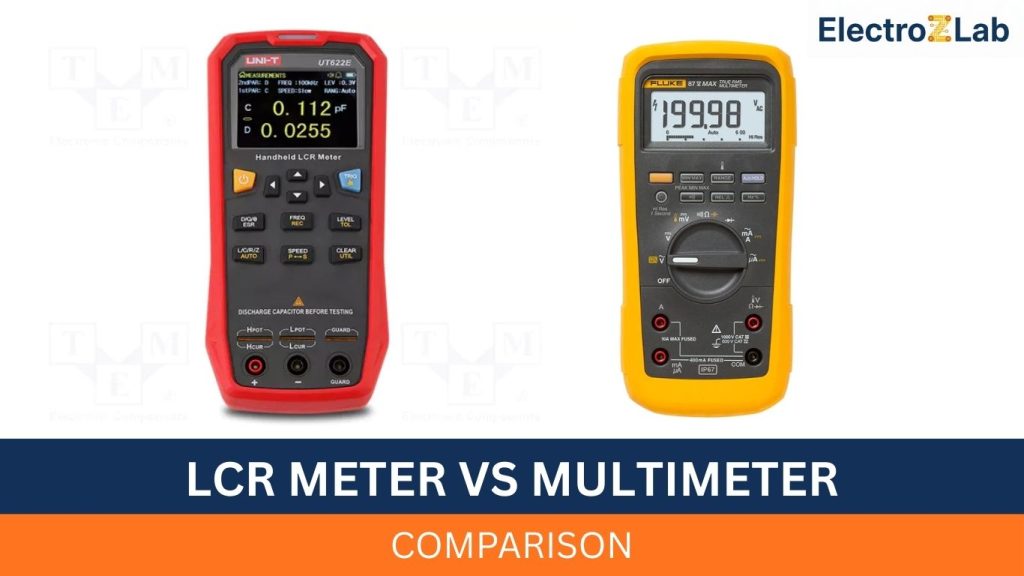

When it comes to choosing the right tool for electrical testing, you want something reliable, accurate, and easy to use. But with so many options out there, like the Power Probe Multimeter and Fluke, how do you decide which one fits your needs best?
This comparison will help you cut through the noise and focus on what really matters—performance, features, and value. By the end, you’ll know exactly which multimeter can make your work faster, safer, and more precise. Ready to find the perfect match for your toolbox?
Let’s dive in.
Power Probe Multimeter Features
The Power Probe Multimeter offers several key features that make it a strong choice for many users. This tool combines reliable performance with ease of use. Its features focus on accuracy, convenience, and durability. Below, we explore its main aspects in detail.
Design And Build Quality
The Power Probe Multimeter has a sturdy and compact design. It fits comfortably in hand for better control. The housing is made from strong plastic, resistant to drops and shocks. Its lightweight build helps reduce user fatigue during long tasks. The probes are well-insulated to ensure safety and durability.
Measurement Capabilities
This multimeter measures voltage, current, and resistance with precision. It supports both AC and DC measurements. The device includes a continuity tester and diode checker. Users can measure up to high voltage levels safely. It offers reliable readings for automotive and electrical work.
User Interface And Display
The Power Probe Multimeter features a clear digital display. The screen shows large numbers for easy reading. Buttons are simple and well-spaced for quick operation. The interface is intuitive, suitable for beginners and experts. It has a backlight option for use in low light.
Battery Life And Power Options
This multimeter runs on standard AA batteries. It offers long battery life to reduce interruptions. Battery replacement is quick and hassle-free. Some models include auto power-off to save energy. It ensures the tool is ready when you need it.

Credit: delejoveterrassa.com
Fluke Multimeter Features
Fluke multimeters are known for their reliable features and solid design. They suit both professionals and hobbyists in electronics and electrical fields.
The features focus on durability, measurement variety, user-friendly controls, and long battery life. These aspects make Fluke a trusted choice for many users.
Durability And Construction
Fluke multimeters are built tough to handle rough environments. Their cases resist drops, dust, and moisture well. This strong construction ensures the tool lasts longer. Users can trust Fluke meters in workshops and fieldwork without worry.
Range Of Measurements
Fluke multimeters measure voltage, current, resistance, and more. They often include temperature and frequency functions. This variety helps users test different electrical systems easily. The meters provide accurate readings for many tasks.
Ease Of Use And Controls
Fluke meters feature simple buttons and clear displays. Large screens show numbers and symbols clearly. Controls are designed to work well even with gloves. This ease allows quick and accurate readings every time.
Battery Performance
Fluke multimeters offer long battery life for extended use. They often include power-saving modes to conserve energy. This means fewer battery changes and less downtime. Users get reliable performance during long work sessions.
Accuracy And Reliability
Accuracy and reliability are key factors in choosing a multimeter. Without precise readings, electrical work can become risky or faulty. Both Power Probe and Fluke offer tools designed for accurate measurements. Understanding their strengths helps pick the right one for your needs.
Measurement Precision
Fluke multimeters are known for high precision in voltage and current readings. They often feature advanced sensors that reduce errors. Power Probe devices provide solid accuracy but may vary slightly in extreme conditions. For critical tasks, Fluke’s precision gives extra confidence.
Consistency Over Time
Reliability means consistent performance across many uses. Fluke multimeters maintain stable results after long periods of operation. Power Probe tools perform well but can show minor fluctuations after heavy use. Fluke’s build quality often supports better long-term consistency.
Calibration And Maintenance
Regular calibration keeps a multimeter’s accuracy intact. Fluke products usually come with clear calibration guides and support. Power Probe tools require calibration too, but may need more frequent checks. Proper maintenance ensures both brands stay reliable over time.

Credit: ivhog.org
Portability And Convenience
Portability and convenience are key factors when choosing a multimeter. Both Power Probe and Fluke offer tools designed for easy use on the go. These meters fit different needs depending on the work environment and user preferences.
Size And Weight
The Power Probe multimeter is generally compact and lightweight. It fits well in small toolboxes or pockets. Fluke models vary, but many are larger and heavier. This size can be a trade-off for extra features. Smaller size means easier handling during quick tests.
Carrying Options
Power Probe often includes carrying cases or holsters. These keep the meter safe and ready to use. Fluke also provides durable cases, some with belt clips or straps. These help secure the tool during work or travel. Both brands focus on protecting the device while offering hands-free convenience.
Additional Tools And Accessories
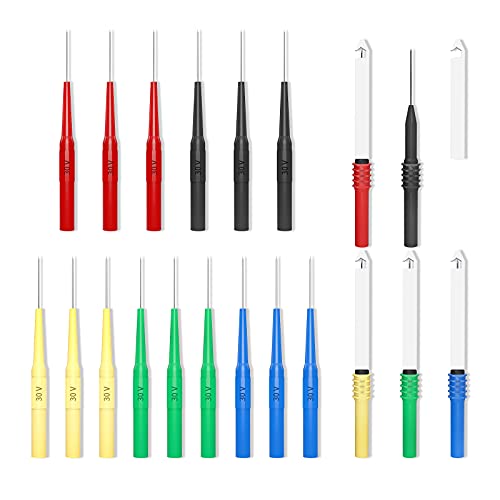
Power Probe kits sometimes come with extra probes and leads. These accessories suit various testing needs. Fluke offers a broad range of add-ons like magnetic hangers and test leads. These tools enhance the meter’s flexibility in different jobs. Accessories add value by saving time and effort.
Safety Features
Safety features are very important in any multimeter. These tools test electrical circuits and must keep users protected. Both Power Probe and Fluke offer safety measures. These features help prevent accidents and equipment damage. Understanding these can help choose the right multimeter.
Overload Protection
Overload protection stops damage from too much current. Power Probe multimeters include built-in fuses to guard circuits. Fluke models use advanced electronic protection for overloads. This feature helps avoid burns and sparks. It protects both the user and the meter.
Insulation And Design
Good insulation keeps users safe from electric shocks. Power Probe uses thick plastic casing and insulated probes. Fluke designs often feature double insulation and shock-resistant bodies. Their shapes help keep hands away from live wires. Both brands focus on safe handling and durability.
Certifications And Standards
Certifications prove a multimeter meets safety rules. Power Probe tools meet key industry standards for electrical safety. Fluke multimeters have certifications like UL and CAT ratings. These ratings show the meter can handle high energy environments. Choosing certified tools ensures reliable safety protection.
Price And Value
Price and value play a big role when choosing between a Power Probe Multimeter and a Fluke. Both brands offer strong tools, but their costs and benefits differ. Understanding these differences helps you pick the best tool for your needs and budget.
Choosing a multimeter is not just about price. The value you get matters more. This section breaks down the costs and what you receive for your money.
Cost Comparison
Power Probe multimeters usually cost less than Fluke models. They offer basic features at a lower price point. Fluke multimeters are more expensive. They focus on precision and durability. The higher cost reflects advanced technology and robust build quality. Buyers must decide if the extra cost fits their budget.
Features Vs Price
Power Probe tools have essential features suitable for simple tasks. They provide good performance for DIY users and hobbyists. Fluke multimeters include advanced functions. These suit professionals who need accuracy and reliability. The price difference often matches the feature gap. Assess what features you really need before buying.
Warranty And Support
Fluke offers longer warranty periods and strong customer support. This adds peace of mind for users. Power Probe warranties are shorter but still cover basic repairs. Support services may vary by seller. Reliable warranty and support can save money in the long run.
Use Case Scenarios
Choosing between a Power Probe Multimeter and a Fluke device depends on the task at hand. Each tool suits different environments and needs. Understanding where each excels helps you pick the right tool quickly.
Automotive Applications
Power Probe Multimeters shine in automotive work. They offer fast voltage and continuity testing. Mechanics use them to check fuses, wires, and batteries. The tool’s design fits tight engine spaces well. Fluke meters also work but are often bulkier. For quick car repairs, Power Probe is very handy.
Industrial Settings
Fluke multimeters dominate in industrial environments. They provide high accuracy and safety features. Electricians trust Fluke for complex electrical systems. The devices handle high voltage and harsh conditions. Power Probe can assist but lacks some industrial certifications. For factory maintenance and troubleshooting, Fluke is preferred.
Home And Diy Projects
Both tools serve home and DIY projects well. Power Probe offers simplicity and speed for small electrical fixes. Fluke meters provide detailed readings for more precise work. DIYers appreciate Power Probe’s ease of use. Homeowners needing thorough testing may choose Fluke. Each tool supports different skill levels and tasks.
User Feedback And Reviews
User feedback offers real insights into how Power Probe Multimeter and Fluke perform daily. Reviews from various users highlight strengths and weaknesses. This helps buyers choose the right tool for their needs.
Understanding what professionals say and common user experiences gives a clear picture. Both brands have loyal followers and critics. Let’s explore what users really think about these popular multimeters.
Professional Opinions
Electricians praise Fluke for its accuracy and durability. They often trust Fluke for complex and critical tasks. Power Probe wins respect for its speed and ease of use. Many pros like its ability to quickly test circuits.
Experts note Fluke’s wide range of features fits many jobs. Power Probe is noted for simple design and quick readings. Both brands receive respect, but professionals pick based on job needs.
Common Praise
Users love Fluke’s clear display and solid build. Many say it lasts for years without issues. Power Probe gets high marks for fast response and handy features. People appreciate its lightweight and easy handling.
Both tools get praised for reliability and accuracy. Users say they save time and reduce errors. Positive reviews often mention good customer support and helpful manuals.
Frequent Complaints
Some users find Fluke’s price high compared to other brands. A few mention the menus can be hard to navigate at first. Power Probe users sometimes report limited advanced features. A few say the build feels less sturdy than Fluke.
Battery life concerns appear occasionally for both brands. Some customers want more detailed instructions with Power Probe. These complaints show areas where each brand can improve.
Credit: jamesmaas.com
Frequently Asked Questions
What Are The Main Differences Between Power Probe And Fluke Multimeters?
Power Probe offers advanced automotive testing tools, while Fluke provides versatile, high-accuracy multimeters. Power Probe excels in vehicle diagnostics, and Fluke is preferred for electrical and industrial use. Both brands deliver quality, but their features suit different professional needs.
Which Multimeter Is Better For Automotive Diagnostics?
Power Probe multimeters are designed specifically for automotive diagnostics. They offer specialized functions like circuit testing and voltage detection for vehicles. Fluke multimeters are accurate but more general-purpose, making Power Probe the preferred choice for car professionals.
Are Fluke Multimeters More Accurate Than Power Probe?
Fluke multimeters are widely recognized for high accuracy and reliability. Power Probe provides good accuracy but focuses more on automotive-specific features. For precise electrical measurements, Fluke generally leads in accuracy and calibration standards.
Can Power Probe Multimeters Handle Industrial Electrical Tasks?
Power Probe is mainly designed for automotive use and may lack some industrial features. Fluke multimeters are better suited for industrial electrical tasks due to their robust build and advanced measurement capabilities. Choose Fluke for broader applications beyond automotive.
Conclusion
Both Power Probe Multimeter and Fluke have strong features. Power Probe offers quick tests and easy handling. Fluke provides high accuracy and durability. Choose based on your needs and budget. Simple tasks may suit Power Probe well. For detailed, precise work, Fluke fits better.
Each tool serves different users and jobs. Think about what matters most to you. This helps you pick the right multimeter. Both brands have earned respect in the field. Your choice should match your daily work style.

I’m Asif Ur Rahman Adib, an Electrical Engineer and lecturer. My journey began in the lab, watching students struggle with instruments they used every day without fully understanding them. Over time, I’ve combined teaching, research, and hands-on experience to help others grasp electrical concepts clearly, safely, and practically—whether it’s understanding a circuit or mastering a multimeter.