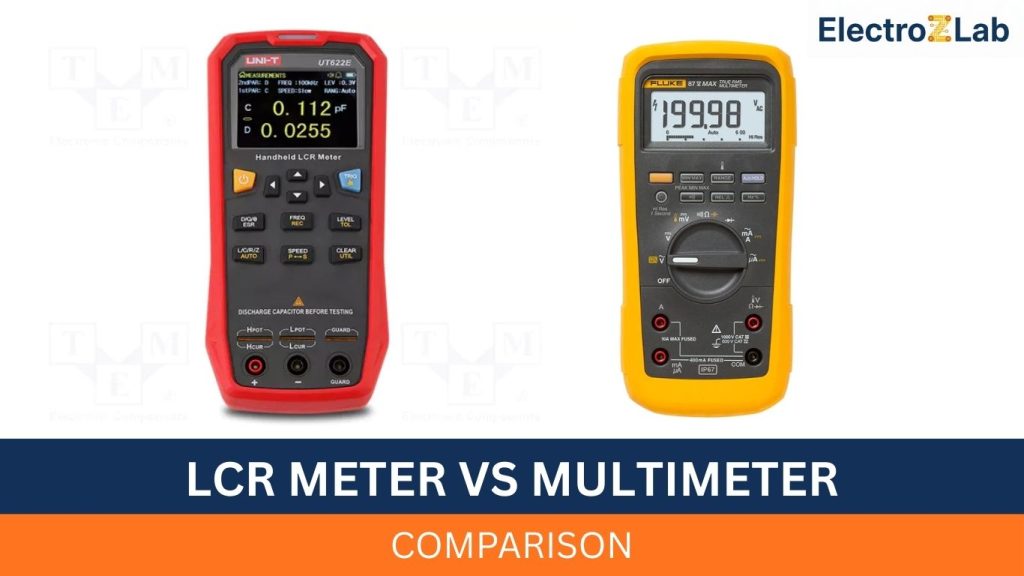
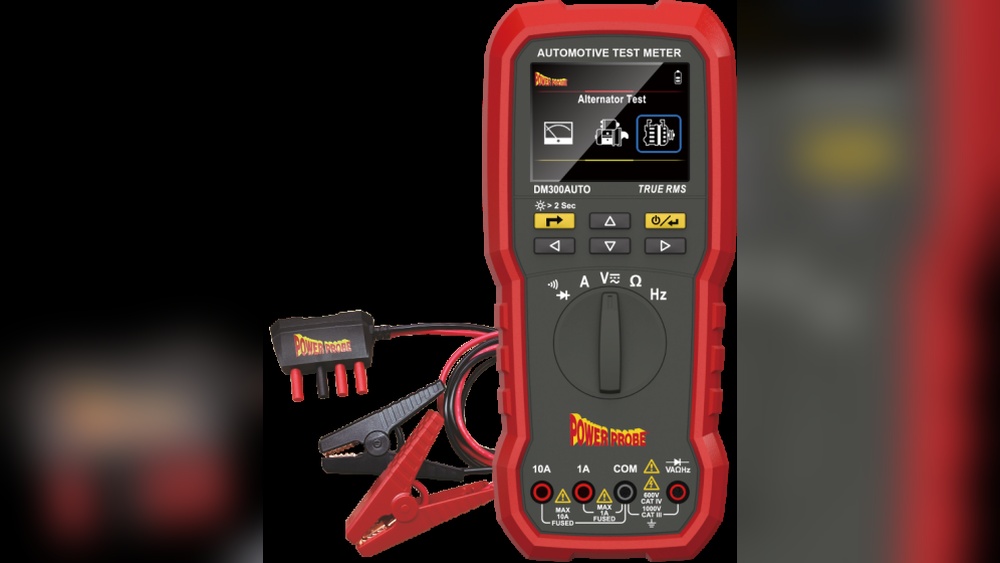
When you’re working with electrical systems, having the right tool can make all the difference. You might be wondering whether a Power Probe or a Multimeter is better for your needs.
Both tools help you test circuits, but they work in very different ways. Choosing the right one can save you time, avoid mistakes, and make your job easier. You’ll discover the key differences between a Power Probe and a Multimeter, so you can pick the perfect tool for your projects and get the job done right the first time.
Keep reading—your next electrical test just got a whole lot simpler.
Power Probe Basics
A power probe is a handy tool for testing electrical circuits. It helps find problems in wires and devices quickly. Many electricians keep it in their toolkit. It works differently from a multimeter but is just as useful. Understanding its basics helps to use it better.
The power probe sends power to a wire or checks if power is present. It has simple controls and clear lights. This tool makes testing faster and easier, especially in cars and machines.
Key Features
The power probe has a pointed tip to touch wires easily. It can send 12 volts of power to a circuit. LED lights show if the circuit is live or grounded. It often includes a buzzer for sound signals. The tool runs on batteries for easy use anywhere.
Common Uses
Electricians use power probes to test car wiring. It checks fuses, switches, and relays quickly. It helps find shorts or broken wires. The tool also tests ground connections and voltage drops. It works well in tight spaces where other tools can’t reach.
Advantages For Electricians
Power probes speed up electrical testing jobs. They reduce the need to disconnect parts. Electricians can test circuits without removing wires. The tool is simple and easy to use. It helps avoid mistakes by showing clear signals. This saves time and effort on repairs.

Credit: shop.powerprobe.com
Multimeter Essentials
A multimeter is a must-have tool for anyone working with electricity. It measures different electrical values to help diagnose problems. This tool works on batteries and is easy to carry. Many professionals and hobbyists use it daily.
Understanding the basics of a multimeter helps you choose the right one. It also helps you use it safely and effectively. Let’s explore its core functions, types, and benefits.
Core Functions
A multimeter measures voltage, current, and resistance. Voltage shows the electric force between two points. Current indicates how much electricity flows. Resistance measures how much a material slows electric flow.
Many multimeters also test continuity. This function checks if a circuit is complete. Some models measure temperature or frequency. These core functions help find faults quickly and clearly.
Types Of Multimeters
There are two main types: analog and digital. Analog multimeters use a moving needle to show readings. Digital multimeters display numbers on a screen for easy reading.
Digital types are more popular today. They offer better accuracy and extra features. Some digital models include auto-ranging, which sets the correct measurement range automatically. Choose the type that fits your needs and budget.
Benefits In Electrical Work
Multimeters save time by giving quick, accurate results. They help spot shorts, open circuits, and bad components. Using a multimeter reduces guesswork in electrical repairs.
This tool increases safety by checking if wires are live. It also helps maintain equipment by tracking electrical changes. Multimeters are affordable and versatile for many tasks.
Performance Comparison
Comparing the performance of a power probe and a multimeter helps you understand their strengths. Both tools measure electrical signals but in different ways. This comparison focuses on accuracy, speed, and ease of use. It shows which tool fits your needs better.
Accuracy And Precision
Multimeters provide accurate and precise readings of voltage, current, and resistance. They measure exact values, which helps with detailed diagnostics. Power probes give quick pass/fail signals but lack precise measurements. They detect power or ground presence but not exact numbers. For tasks needing detailed data, multimeters perform better.
Speed And Efficiency
Power probes work fast by showing immediate results on circuits. They help quickly find faults without complex setup. Multimeters take longer because you must connect leads and select settings. This makes power probes ideal for fast troubleshooting. Multimeters suit thorough inspections where time is less critical.
Ease Of Use
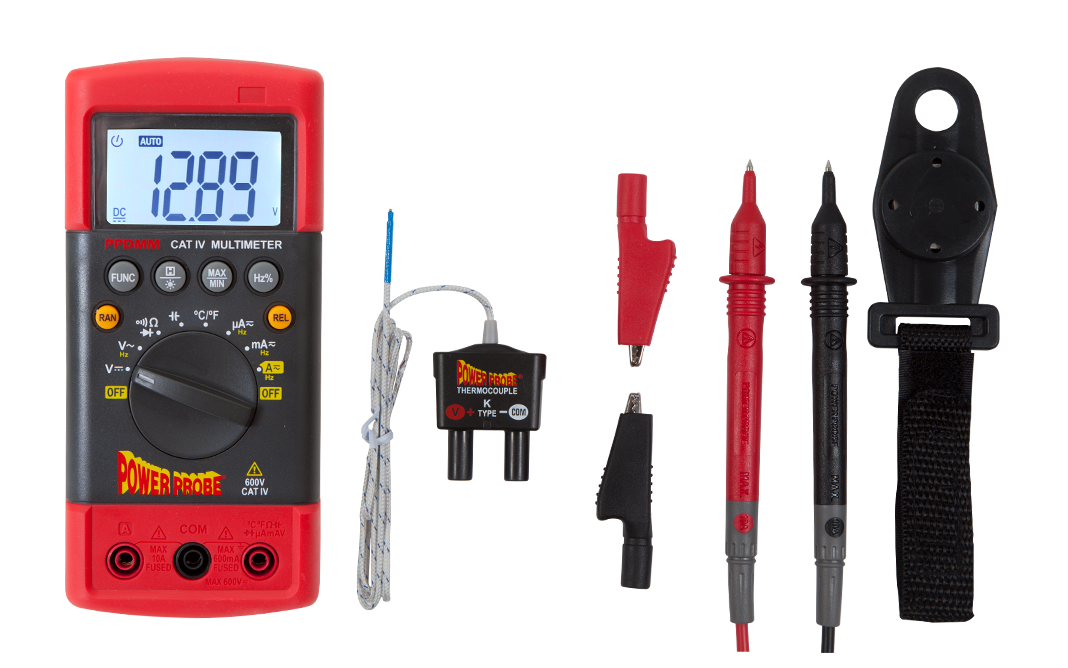
Power probes are simple to use with clear indicators. Beginners can operate them with minimal training. Multimeters require understanding of functions and proper lead placement. This can confuse new users. For quick checks and ease, power probes win. For detailed work, multimeters need some learning but offer more data.
Credit: powerprobe.com
Safety Considerations
Safety is the top priority when using a Power Probe or a Multimeter. Both tools test electrical circuits, but they handle electricity differently. Understanding safety can prevent accidents and damage. This section explains key safety points for both tools.
Handling High Voltage
High voltage can cause serious injury or death. Always check the voltage rating of your tool before use. Never touch exposed wires or metal parts during testing. Use insulated gloves and tools with proper insulation. Keep your hands dry to avoid electric shock. Stay alert and avoid distractions while working.
Protective Features
Power Probes and Multimeters come with safety features. Many have built-in fuses to stop current overloads. Look for tools with clear voltage limits printed on them. Some models include auto shut-off to prevent damage. Use tools with insulated probes to reduce risk. Choose devices with non-slip grips for better control.
Best Practices
Always turn off power before connecting your tool. Test your tool on a known circuit to ensure it works. Use one hand when possible to reduce shock risk. Keep your workspace clean and dry. Avoid touching the circuit and the tool at the same time. Store tools safely away from children and pets.
Application Scenarios
Understanding where to use a power probe or a multimeter helps in choosing the right tool. Each device fits specific tasks better. Knowing their application scenarios saves time and effort. It also ensures accurate results and safer work conditions.
Automotive Diagnostics
Power probes simplify testing car circuits quickly. They check fuses, wires, and switches without removing parts. Multimeters measure voltage, current, and resistance in car systems. They help find deeper electrical issues and confirm repairs. Both tools support precise diagnosis in automotive work.
Residential Wiring
Electricians use power probes to find live wires fast. This tool helps in tracing cables inside walls safely. Multimeters test outlets and circuit breakers for proper function. They measure voltage and continuity to prevent hazards. Together, these tools improve home electrical safety and efficiency.
Industrial Maintenance
Power probes assist in quick checks on machines and panels. They identify power presence and faulty connections easily. Multimeters perform detailed tests on motors and control systems. They measure current and voltage under load conditions. Using both tools ensures smooth industrial operations and less downtime.
Cost And Value
Cost and value are key factors for anyone choosing between a power probe and a multimeter. Both tools serve different purposes but also overlap in some functions. Understanding the initial cost and long-term value helps you pick the right tool for your budget and needs.
Initial Investment
A multimeter usually costs less than a power probe. Basic multimeters are affordable and widely available. Power probes tend to be pricier due to their added features. The cost difference can be noticeable, especially for beginners or hobbyists. Choosing a tool depends on how often you plan to use it.
Long-term Savings
A multimeter can save money over time because it is versatile. It measures voltage, current, and resistance in many devices. A power probe helps quickly find power and ground faults. This speed can reduce troubleshooting time, saving labor costs. Think about which tool fits your regular tasks best.
Durability And Maintenance
Multimeters are built to last and require little upkeep. They have fewer moving parts and simple designs. Power probes have more complex electronics and probes that can wear out. They might need more careful handling and occasional repairs. Durability affects the overall value of your tool investment.
Choosing The Right Tool
Choosing the right tool makes testing electrical circuits easier and faster. Both power probes and multimeters have their own strengths. Picking the right one depends on what you need to do.
Understanding the task, your skill level, and the tool’s compatibility helps you decide. This guide breaks down these points clearly.
Task Requirements
Power probes work well for quick voltage checks and powering components. They help find shorts and open circuits fast. Multimeters measure voltage, current, and resistance with more detail. Use a multimeter for precise readings and complex tests. Choose the tool that fits the job’s needs best.
Skill Level
Power probes are simple and easy for beginners to use. They show results quickly with little setup. Multimeters need more knowledge to handle different settings. Beginners might find multimeters confusing at first. Pick a tool that matches your experience and comfort.
Tool Compatibility
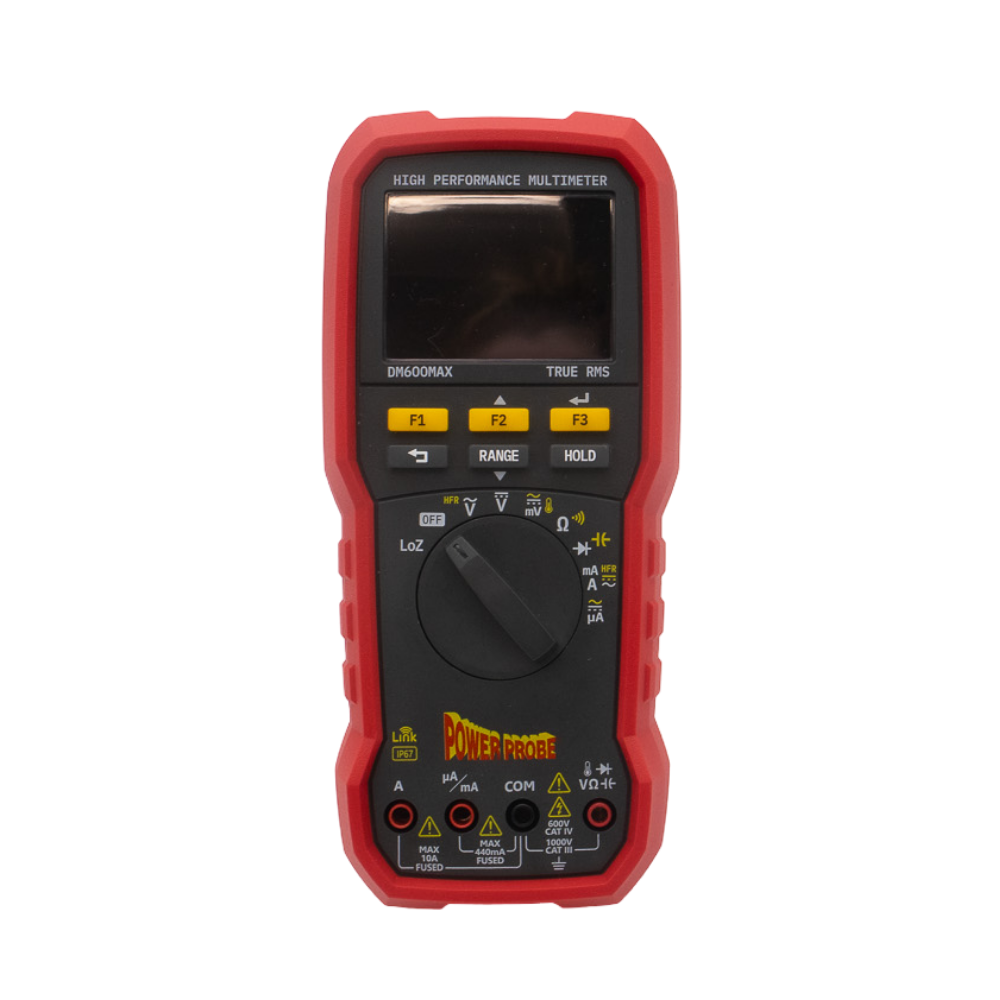
Check if the tool works with your vehicle or device. Power probes often work on 12V systems like cars. Multimeters work on many types of circuits and devices. Make sure the tool’s voltage and functions match your needs. This avoids damage and ensures accurate results.
Credit: powerprobe.com
Frequently Asked Questions
What Is The Main Difference Between Power Probe And Multimeter?
A Power Probe tests electrical circuits by applying power and ground. A Multimeter measures voltage, current, and resistance without powering the circuit. Power Probes are faster for circuit testing, while Multimeters provide detailed measurements for diagnostics.
Which Tool Is Better For Automotive Electrical Testing?
Power Probes are preferred for quick, on-the-spot automotive electrical checks. Multimeters offer precise measurements but take longer. For troubleshooting car wiring, Power Probes save time. For detailed analysis, Multimeters are essential.
Can A Multimeter Replace A Power Probe Entirely?
No, a Multimeter cannot fully replace a Power Probe. Power Probes can energize circuits, which Multimeters cannot. Both tools complement each other for comprehensive electrical diagnostics. Using both improves accuracy and efficiency in testing.
How Do Power Probe And Multimeter Improve Electrical Troubleshooting?
Power Probes quickly identify circuit faults by applying power and ground. Multimeters measure exact voltage, current, and resistance values. Together, they speed up diagnosis and reduce guesswork in electrical repairs. This leads to more accurate and faster troubleshooting.
Conclusion
Both power probes and multimeters help test electrical circuits well. Power probes give quick, easy voltage checks and signal tests. Multimeters measure voltage, current, and resistance with more detail. Choose the tool that fits your needs and skill level. Simple tasks may suit a power probe best.
Complex problems often need a multimeter’s accuracy. Understanding these tools helps you fix electrical issues faster. Each tool has its place in your toolbox. Use them wisely to get the best results.

I’m Asif Ur Rahman Adib, an Electrical Engineer and lecturer. My journey began in the lab, watching students struggle with instruments they used every day without fully understanding them. Over time, I’ve combined teaching, research, and hands-on experience to help others grasp electrical concepts clearly, safely, and practically—whether it’s understanding a circuit or mastering a multimeter.