When it comes to automotive testing tools, choosing the right one can make all the difference in your work. You might have heard about Power Probe and Snap-on, two names that often come up in the conversation.
But which tool truly fits your needs? Are you looking for accuracy, ease of use, or durability? This comparison will help you see how each tool stands out and where one might have the edge over the other. By the end, you’ll know exactly which tool can boost your efficiency and save you time on your next project.
Keep reading to find out which one deserves a spot in your toolbox.

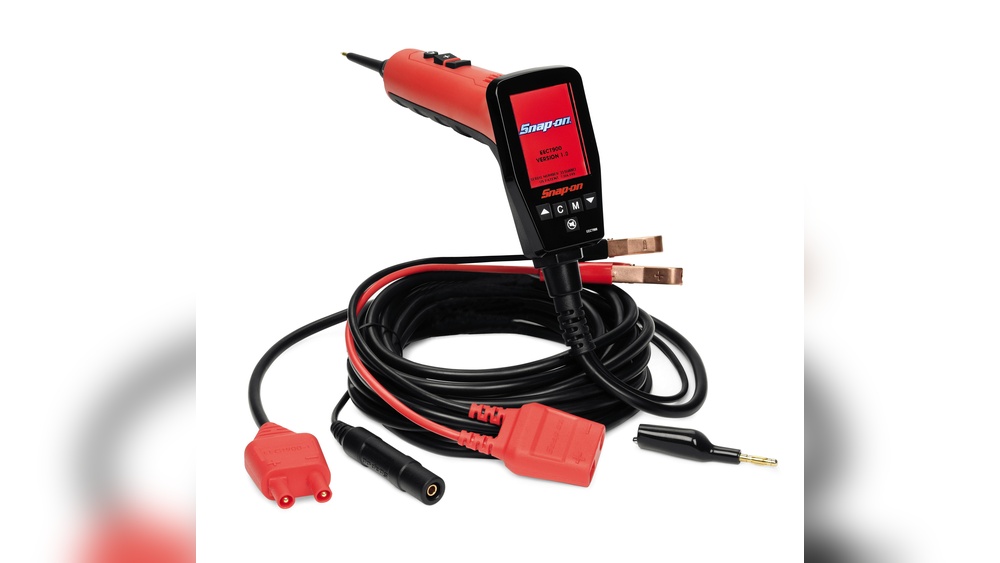
Credit: snapontoolsriverina.com.au
Power Probe Features
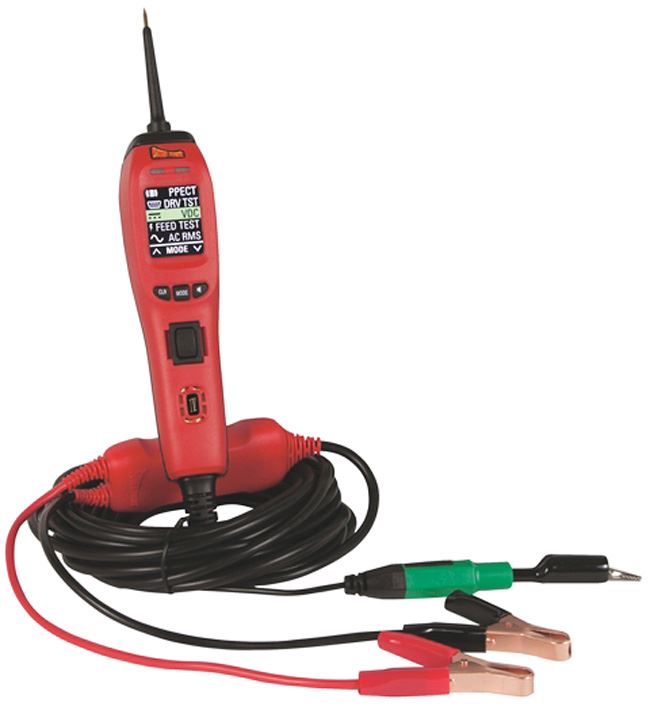
The Power Probe stands out with its unique features designed for automotive testing. It offers many tools in one device. This makes diagnosing electrical problems easier and faster. The features focus on helping users work safely and efficiently.
Design And Build Quality
The Power Probe has a strong, sturdy design. It fits well in your hand. The materials used resist drops and rough use. Its compact size helps reach tight spaces in vehicles. The bright LED lights make testing easier in dark areas.
Functionality And Tools
The device combines several tools like a test light, voltmeter, and circuit tester. It can check both power and ground circuits. The Power Probe can also send power to parts for testing. This saves time by avoiding extra tools. It works on 6 to 24 volts, covering most vehicles.
User Interface And Controls
The controls are simple and clear. Buttons and switches are easy to find and use. The lights indicate the test results quickly. Users do not need to read complicated manuals. The interface helps even beginners understand the readings fast.
Safety Features
Safety is key in the Power Probe design. It has built-in protection against shorts and reverse polarity. The insulated tips prevent accidental shocks. The device alerts users with sounds and lights if connections are wrong. These features reduce risk during testing.
Snap On Features
Snap On is a trusted name in automotive tools. Its features focus on durability and ease of use. The brand offers tools that help mechanics work faster and safer. Each feature is designed to improve the repair process and reduce errors.
Design And Build Quality
Snap On tools have a strong and solid design. They use high-quality materials that last long. The build feels heavy but balanced in hand. This helps users handle tough jobs without breaking the tool. The design also includes grips that prevent slipping. Snap On ensures tools are tough enough for daily use.
Functionality And Tools
Snap On tools come with many useful functions. They cover a wide range of automotive tasks. Each tool offers precise control for testing and repairs. The brand also includes multiple attachments for different needs. This variety helps users solve problems faster. Tools work smoothly with accurate readings.
User Interface And Controls
Snap On focuses on simple and clear controls. Buttons are easy to press and well spaced. The display shows information clearly, even in low light. Controls respond quickly without delay. The layout helps users find functions fast. This design reduces mistakes and saves time.
Safety Features
Snap On tools include important safety features. They protect users from electrical shocks and sparks. The tools have insulated parts to prevent accidents. Some models include auto shut-off functions. This feature helps avoid overheating and damage. Snap On keeps user safety a top priority.
Performance Comparison
Comparing the performance of Power Probe and Snap-on tools helps to find the best fit. Each tool has strengths in different areas. Understanding these details guides better tool choices.
Accuracy And Reliability
Power Probe offers precise voltage readings for quick checks. Snap-on tools provide consistent results across many tests. Both brands maintain steady performance under various conditions. Snap-on often excels with advanced diagnostic features. Power Probe focuses on clear, easy-to-read displays for fast work.
Durability In The Field
Power Probe models are built with rugged plastic to resist drops. Snap-on tools use high-quality materials for long-lasting use. Both withstand harsh workshop environments well. Snap-on tools often have stronger housing and extra protection. Power Probe balances durability with lightweight design for comfort.
Battery Life And Power
Power Probe typically uses replaceable batteries that last several hours. Snap-on tools often have rechargeable batteries with longer runtime. Battery replacement is simple on both brands. Snap-on’s rechargeable feature reduces downtime during busy jobs. Power Probe batteries are easy to swap in the field.
Speed And Efficiency
Power Probe allows quick voltage checks with simple controls. Snap-on tools offer faster diagnostics with advanced features. Both improve job speed but in different ways. Power Probe focuses on straightforward use and quick results. Snap-on helps technicians work faster on complex electrical problems.

Credit: www.youtube.com
Ease Of Use
Ease of use is a key factor when choosing between Power Probe and Snap On tools. Both brands offer features to help users work faster and smarter. Understanding their differences in handling, learning curve, and portability can help you decide which tool fits your needs best.
Ergonomics And Handling
Power Probe tools are designed with simple shapes. They fit comfortably in most hands. The buttons and probes are easy to reach without straining.
Snap On tools often have a solid feel. Their grip is firm and stable. This helps with precise work in tight spaces.
Both brands focus on reducing hand fatigue. Power Probe leans toward lighter weight. Snap On tends to be a bit heavier but balanced well.
Learning Curve
Power Probe tools are straightforward. Beginners find them easy to start using. The controls are clear and simple.
Snap On tools offer more features. This can take time to learn. Users may need practice to use all functions effectively.
For quick tasks, Power Probe offers faster setup. Snap On suits users who want detailed testing options.
Portability
Power Probe products are usually compact and light. Easy to carry and store in small toolboxes.
Snap On tools are robust but may be bulkier. They come with strong cases for protection.
Both brands offer options that fit in a mechanic’s kit. Power Probe is often preferred for fieldwork due to size.
Price And Value
Price and value are key factors when choosing between Power Probe and Snap-on tools. Both brands offer quality, but their costs and benefits differ. Understanding these differences helps buyers pick the best option for their budget and needs.
Initial Cost
Power Probe tools usually cost less than Snap-on tools. This makes them more affordable for beginners or small shops. Snap-on tools have a higher price tag. They often target professionals who want top quality and durability.
Long-term Investment
Snap-on tools last longer with proper care. Their durability can save money over time. Power Probe tools may need replacement or repair sooner. Still, they offer good value for occasional use or smaller jobs.
Warranty And Support
Snap-on provides strong warranty coverage and fast customer support. This adds confidence to the purchase. Power Probe also offers warranties, but they may be shorter. Support may not be as extensive as Snap-on’s.
Customer Feedback
Customer feedback plays a key role in choosing between Power Probe and Snap On. It helps reveal real experiences with both tools. Reviews and testimonials show strengths and weaknesses. Knowing common complaints can guide smarter buying decisions.
Professional Reviews
Experts often praise Snap On for its durable build and accuracy. It suits heavy use in workshops. Power Probe gets credit for ease of use and affordability. Professionals note it fits well for quick diagnostics. Both tools receive high marks but target different needs.
User Testimonials
Many users say Snap On feels solid and reliable. They like its long battery life and clear display. Power Probe users mention it is lightweight and simple to operate. They appreciate the value for money. Some prefer Power Probe for home repairs. Others rely on Snap On for daily jobs.
Common Complaints
Snap On can be expensive and may require frequent calibration. Some users find it heavy for long use. Power Probe sometimes faces criticism for less durable parts. A few users report issues with probe sensitivity. Both brands have small flaws but mostly meet expectations.
Best Use Cases
Understanding the best use cases helps pick the right tool for each job. Both Power Probe and Snap On have unique strengths. Knowing when to use each can save time and effort. This section breaks down ideal scenarios for both tools. It also explains how to choose based on job type.
Ideal Scenarios For Power Probe
Power Probe works well in quick electrical tests. It is great for tracing wires and checking circuits. Mechanics often use it to find shorts or breaks fast. It shines in situations needing simple voltage checks. The tool is handy for on-the-spot troubleshooting in tight spaces. Power Probe suits tasks requiring fast, clear results.
Ideal Scenarios For Snap On
Snap On tools fit complex diagnostics and detailed inspections. They offer more features for deep electrical analysis. Professionals use Snap On for thorough testing and repair jobs. It is perfect for workshops needing reliable, multi-function tools. Snap On stands out when precision and multiple tests are required. The tool is ideal for long-term, diverse automotive work.
Choosing Based On Job Type
For quick, simple electrical checks, Power Probe is best. It saves time on routine inspections and repairs. For detailed diagnostics or complex systems, Snap On fits better. It supports a wide range of testing options. The choice depends on task complexity and testing needs. Match the tool to the job for best results.
Credit: www.snapon.co.za
Frequently Asked Questions
What Are The Main Differences Between Power Probe And Snap On?
Power Probe offers quick circuit testing with simple controls. Snap On tools provide advanced diagnostics and durability. Power Probe is user-friendly for basic checks, while Snap On suits professionals needing detailed analysis.
Which Tool Is Better For Automotive Electrical Testing?
Snap On excels in comprehensive diagnostics, ideal for professionals. Power Probe is great for quick electrical tests. Choose Power Probe for speed and Snap On for in-depth troubleshooting.
How Does Power Probe Compare In Price To Snap On?
Power Probe is generally more affordable and budget-friendly. Snap On tools tend to be expensive but offer high-end features. Your choice depends on budget and required functionality.
Are Power Probe And Snap On Tools Easy To Use?
Power Probe is designed for simplicity and quick learning. Snap On tools may require training due to advanced features. Both brands focus on user efficiency but differ in complexity.
Conclusion
Both Power Probe and Snap On tools serve different needs well. Power Probe offers quick, simple testing for many jobs. Snap On provides advanced features for detailed diagnostics. Your choice depends on your work style and budget. Each tool has strengths that match various tasks.
Think about what fits your daily work best. Choosing the right tool helps you work smarter and faster. This way, you get the job done right every time.

I’m Asif Ur Rahman Adib, an Electrical Engineer and lecturer. My journey began in the lab, watching students struggle with instruments they used every day without fully understanding them. Over time, I’ve combined teaching, research, and hands-on experience to help others grasp electrical concepts clearly, safely, and practically—whether it’s understanding a circuit or mastering a multimeter.