When it comes to troubleshooting electrical problems in your vehicle or equipment, having the right tool can make all the difference. You might have heard about both the Power Probe and the Test Light, but which one is truly best for your needs?
Understanding how these tools work and what sets them apart will save you time, frustration, and maybe even money. If you want to make sure you’re using the right device to get accurate results quickly, keep reading—because knowing the difference could change the way you work on your electrical systems forever.
Power Probe Basics
Understanding the basics of a power probe helps you use it safely and effectively. This tool is essential for many electrical tests in vehicles and electronics. It offers more functions than a simple test light and helps diagnose problems faster.
Below, learn what a power probe is, its main features, and the common ways it is used.
What Is A Power Probe
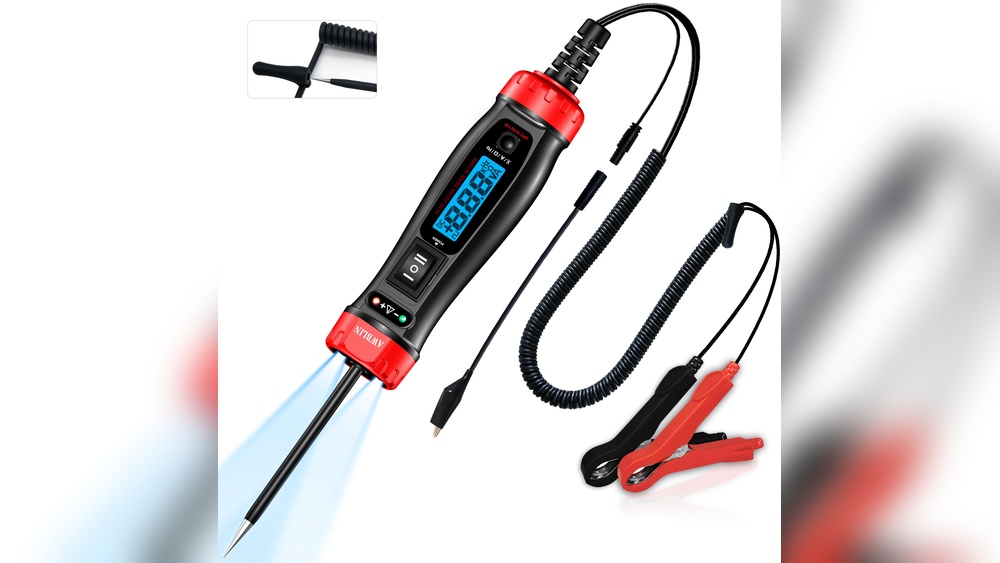
A power probe is a handheld device for testing electrical circuits. It supplies power and tests voltage in wires and components. Unlike a test light, it can send power to parts for quick checks. It works with 12-volt systems, common in cars and trucks.
Key Features
Power probes have several useful features. They can supply power or ground to a circuit. They show voltage levels with lights or sounds. Many models include a buzzer for continuity tests. The tool often has a built-in fuse for safety. Its probe tip is sharp for easy contact with wires.
Common Uses
Technicians use power probes to find breaks in wires. They check switches, fuses, and relays quickly. The tool helps identify bad grounds or power sources. It can activate components like motors or lights for testing. This saves time compared to disconnecting parts and using other meters.

Credit: cityofharrah.com
Test Light Essentials
Understanding the basics of a test light helps you choose the right tool for electrical checks. A test light is simple but effective for quick diagnostics. It works well in many automotive and electrical tasks. Knowing its features and uses makes it easier to handle electrical issues safely.
What Is A Test Light
A test light is a tool that checks for electrical current. It usually has a pointed probe and a light bulb inside. When the probe touches a live wire, the light turns on. This shows that electricity is flowing through the wire. It is a basic tool used by mechanics and electricians.
Key Features
Test lights have a few simple parts. A metal probe helps to touch wires or connectors. A light bulb or LED inside lights up when current flows. They often have a clip to connect to ground or battery negative. The tool is easy to carry and use without special skills. It works on 6 to 24 volts, common in cars and small circuits.
Common Uses
Test lights check if wires carry power. They find blown fuses by testing each fuse slot. Mechanics use them to check switches and connections. They help spot broken wires or bad grounds. They are useful for car batteries, lights, and small electrical parts. Test lights give fast answers during repairs or inspections.
Tool Function Comparison
Comparing the functions of a Power Probe and a Test Light helps you choose the right tool. Both tools assist with electrical work but serve different purposes. Understanding their functions helps in proper tool selection for tasks.
Each tool has unique strengths in testing voltage, current, and tracing circuits. Below is a clear comparison of these functions.
Voltage Testing
The Power Probe offers precise voltage readings. It shows exact voltage levels on a digital display. The Test Light only indicates if voltage is present or not. It lights up when voltage is detected but gives no specific value. For detailed voltage checks, the Power Probe is more useful.
Current Testing
The Power Probe can test current flow in a circuit. It helps measure how much current passes through. The Test Light cannot measure current. It simply lights up when current flows. For current testing, the Power Probe has a clear advantage.
Circuit Tracing
Both tools help trace circuits but in different ways. The Test Light is good for simple circuit tracing by lighting up wires with power. The Power Probe allows easier tracing with sound alerts and voltage display. It can also test grounds and components. For thorough tracing, the Power Probe provides more features.
Accuracy And Safety
Accuracy and safety are key when choosing between a Power Probe and a Test Light. Both tools help check electrical circuits, but they differ in how precise and safe they are. Understanding these differences can protect you and improve your work.
Measurement Precision
The Power Probe gives more exact readings than the Test Light. It can measure voltage, continuity, and current with better detail. The Test Light only shows if power is present or not. This makes the Power Probe a better choice for detailed electrical work.
User Safety Tips
Always wear insulated gloves when using either tool. Keep your hands dry and avoid touching metal parts. Use the right tool for the job to lower the risk of shock. Turn off the power before connecting the tester whenever possible.
Potential Risks
The Test Light can cause sparks if used on sensitive circuits. The Power Probe, if misused, may damage electronic components. Both tools carry the risk of electric shock if handled carelessly. Proper training and care reduce these dangers.
Durability And Build
Durability and build quality are key factors in choosing between a Power Probe and a Test Light. Both tools must endure rough use in automotive and electrical work. Strong construction ensures they last longer and perform well under stress.
Material Quality
Power Probes often use heavy-duty plastic and metal tips. These materials resist heat and sparks. Test Lights usually have simpler plastic handles and thin metal probes. The quality of these parts affects how well the tool holds up over time.
Design Considerations
Power Probes have ergonomic designs for better grip and control. Their insulated handles protect users from shocks. Test Lights are simpler and lighter but may lack extra safety features. Design affects comfort and safety during work.
Longevity
Power Probes tend to last longer with proper care. Their robust build handles frequent use and rough conditions. Test Lights may wear out faster due to thinner wires and less sturdy parts. Longevity depends on build and usage habits.

Credit: www.ebay.com
Price And Value
Price and value play a big role in choosing between a Power Probe and a test light. Both tools help with electrical testing, but their costs and benefits differ. Understanding these differences helps you pick the right tool for your needs and budget.
Cost Differences
A basic test light is usually much cheaper than a Power Probe. Test lights can cost less than $20. Power Probes often start around $100 and go higher. The price gap reflects the extra features and accuracy of the Power Probe.
Long-term Investment
The Power Probe offers more functions and better durability. It can save time on complex jobs. This tool lasts longer, making it a good investment. A test light may need replacing more often, increasing long-term costs.
Budget-friendly Options
Test lights work well for simple tasks and tight budgets. They provide basic electrical testing without high costs. For beginners or occasional use, a test light can be enough. Choosing a budget tool depends on your needs and how often you work on electrical systems.
Choosing The Right Tool
Choosing the right tool for electrical testing makes a big difference. The Power Probe and Test Light serve similar purposes but fit different needs. Understanding your skill level, the task, and your preferences helps pick the best one.
Skill Level Needs
Test lights suit beginners well. They are simple and easy to use. Power Probes require some basic knowledge of circuits. They offer more features but need careful handling. Choose a tool that matches your comfort and skills.
Application Scenarios
Test lights work best for quick checks and simple circuits. They show if power flows in a wire or fuse. Power Probes are ideal for detailed diagnostics. They can test voltage, continuity, and ground easily. Consider the job’s complexity before picking a tool.
Personal Preferences
Some prefer the straightforward nature of a test light. It’s lightweight and easy to carry. Others like the Power Probe for its multiple functions. It saves time by combining tests in one device. Think about what feels right in your hand and meets your needs.

Credit: www.histamineintolerance.org.uk
Frequently Asked Questions
What Is The Main Difference Between Power Probe And Test Light?
Power Probe supplies power and tests circuits, while Test Light only detects voltage. Power Probe is more versatile for diagnostics.
Which Tool Is Better For Automotive Electrical Testing?
Power Probe is better for automotive electrical work due to its multifunction features. Test Light is simpler but less flexible.
Can A Test Light Damage Sensitive Electronics?
Yes, Test Lights can cause damage if voltage is too high. Power Probes usually have built-in protection for sensitive circuits.
How Do Power Probe And Test Light Detect Faults?
Power Probe tests continuity, voltage, and grounds with power supply. Test Light detects voltage presence by lighting a bulb.
Conclusion
Both the Power Probe and Test Light have clear uses. The Power Probe works well for quick and detailed electrical checks. The Test Light is simple and good for basic testing. Choose the tool that fits your needs and skill level.
Each tool helps find car electrical problems faster. Using the right tool makes repairs easier and safer. Think about what tasks you do most before buying. This way, you get the best value for your money. Keep your tools ready, and your work will improve.

I’m Asif Ur Rahman Adib, an Electrical Engineer and lecturer. My journey began in the lab, watching students struggle with instruments they used every day without fully understanding them. Over time, I’ve combined teaching, research, and hands-on experience to help others grasp electrical concepts clearly, safely, and practically—whether it’s understanding a circuit or mastering a multimeter.