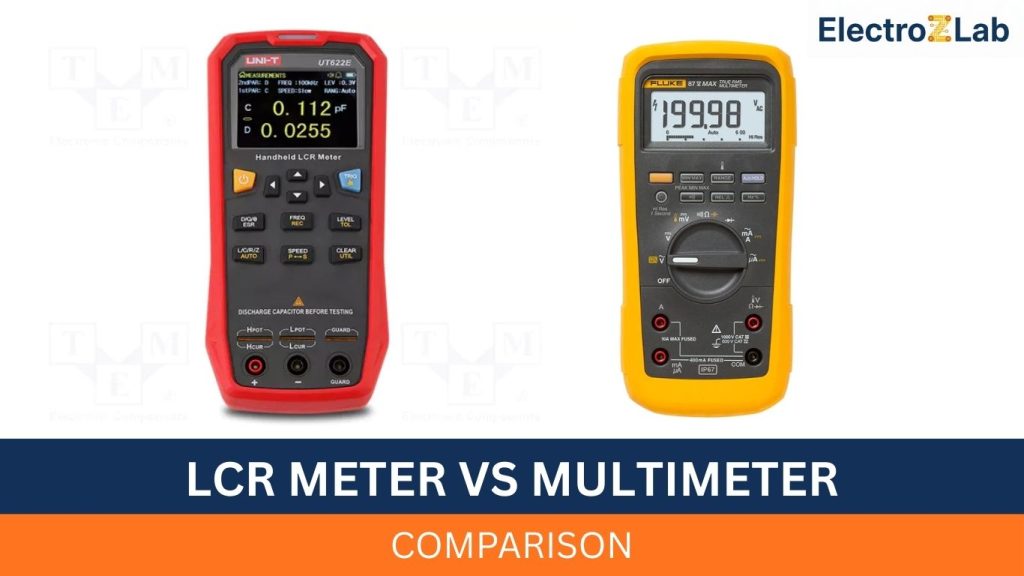
Are you confused about whether to use a process meter or a multimeter for your electrical measurements? Choosing the right tool can save you time, avoid mistakes, and make your work much easier.
You’ll discover the key differences between these two devices, how each one works, and which one fits your needs best. By the end, you’ll feel confident picking the perfect meter for your projects. Keep reading to unlock the secrets that professionals use every day!
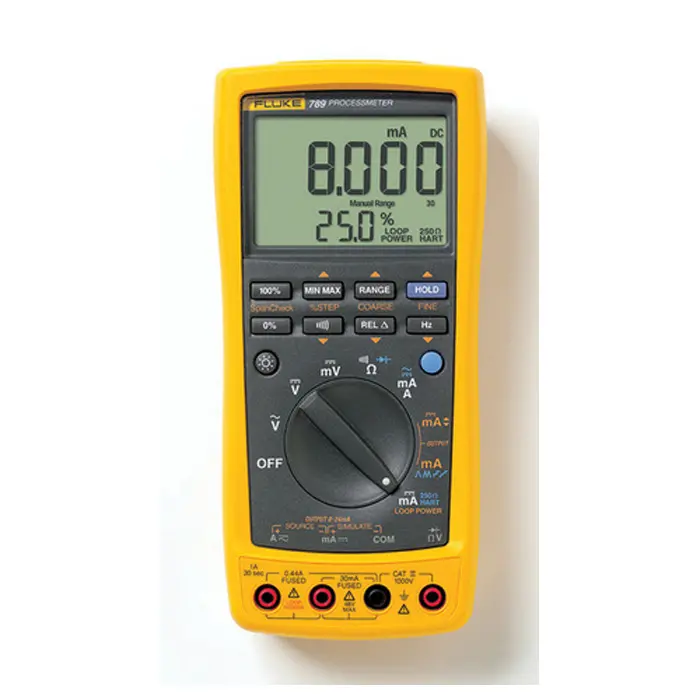
Credit: www.circuitspecialists.com
Basics Of Process Meter
A process meter is a specialized tool used in various industries. It measures and monitors electrical signals in systems. Understanding its basics helps in choosing the right device for specific tasks.
This instrument is different from a multimeter. It focuses on process signals rather than general electrical measurements.
Primary Functions
Process meters measure current, voltage, and resistance in process control systems. They convert these signals into readable values. They often display temperature, pressure, or flow from sensors.
Common Applications
These meters are common in factories and plants. They check and maintain machines and control systems. They help monitor heating, ventilation, and air conditioning (HVAC) systems. They also support automation and safety checks.
Key Features
Process meters have clear digital displays for easy reading. They offer high accuracy and stable readings over time. Many models include signal conditioning and filtering. They can handle low-level signals and noisy environments. Compact design and easy operation are typical traits.
Basics Of Multimeter
A multimeter is a handy tool for measuring electrical values. It combines several measurement functions into one device. This tool helps check voltage, current, and resistance in circuits. Multimeters come in two types: analog and digital. Digital multimeters are more common today due to their accuracy and ease of use.
Understanding the basics of a multimeter helps use it safely and effectively. It is essential for electricians, technicians, and hobbyists. Below are the primary functions, common applications, and key features of a multimeter.
Primary Functions
A multimeter measures voltage, current, and resistance. Voltage can be AC or DC. Current measurement helps check the flow of electricity in a circuit. Resistance shows how much a material resists electric flow. Some multimeters also test continuity, capacitance, and temperature.
Common Applications
Multimeters test batteries to see if they still work. They help find broken wires or faulty components. People use multimeters for car repairs and home electrical work. They check circuit boards in electronics and appliances. This tool is also useful in DIY projects and learning electronics.
Key Features
Digital multimeters have a clear display for easy reading. They offer auto-ranging to select measurement ranges automatically. Many models include a backlight for low-light conditions. Safety features like fuse protection prevent damage. Compact design makes them easy to carry and use anywhere.
Measurement Capabilities
Understanding the measurement capabilities of a process meter and a multimeter is crucial. Both tools measure electrical properties, but each serves different needs. This section explains what measurements each device can perform. It helps decide which tool fits specific tasks best.
Voltage And Current Measurement
A multimeter measures both AC and DC voltage and current easily. It shows accurate values for circuits and batteries. A process meter focuses on current signals used in industrial control systems. It often measures 4-20 mA signals common in sensors and transmitters. Multimeters cover a wider range of voltages and currents than process meters.
Resistance And Continuity Testing
Multimeters test resistance to check if wires or components are intact. They also perform continuity tests, which beep when a circuit is complete. Process meters do not offer resistance or continuity testing. Their design focuses on process signals, not general electrical checks.
Specialized Measurements
Process meters handle specialized signals like 4-20 mA loops and temperature sensors. Some models measure frequency or pressure with added modules. Multimeters measure capacitance, frequency, and temperature with specific features. Process meters excel in process control environments, while multimeters suit general electrical tasks.

Credit: www.ebay.com
Design And Usability
The design and usability of process meters and multimeters differ in ways that affect how users handle them. Each tool has unique features suited for specific tasks. Understanding these differences helps in choosing the right instrument for the job.
Display And Interface
Process meters usually have large, clear screens showing detailed data. Their interfaces show graphs and trends for better analysis. Multimeters have simpler displays with numbers and basic symbols. The interface focuses on quick readings and easy mode changes. Clear displays reduce mistakes and save time during work.
Portability And Durability
Multimeters are often small and light. They fit easily in pockets or tool belts. This makes them handy for quick checks in many places. Process meters tend to be bigger and heavier. They are built to resist tough environments and rough handling. Sturdy designs protect the meters from drops, dust, and water.
Ease Of Use
Multimeters are designed for fast, straightforward use. Simple buttons and clear labels help users measure voltage, current, or resistance quickly. Process meters require some setup and understanding of process signals. They offer more features but need careful operation. Clear instructions and logical layouts improve user experience for both tools.
Accuracy And Precision
Accuracy and precision are key factors in choosing between a process meter and a multimeter. These two tools measure electrical values, but their reliability varies. Accuracy means how close a measurement is to the true value. Precision shows how consistently the tool gives the same reading.
Calibration Standards
Calibration ensures the device measures correctly. Process meters follow strict calibration rules for industrial use. Multimeters also get calibrated but often less frequently. Regular calibration improves accuracy and reduces errors. Using devices calibrated to the right standards gives better results.
Measurement Range
Process meters usually cover a narrow range with high accuracy. They focus on specific signals in controlled environments. Multimeters have a wider range for many types of measurements. This flexibility sometimes lowers their precision. Choosing the right device depends on the needed measurement range.
Error Margins
Error margin shows the possible difference from the real value. Process meters have smaller error margins for exact readings. Multimeters may show larger errors, especially on low ranges. Small errors can affect sensitive tasks more. Understanding error margins helps pick the right tool for the job.

Credit: www.fluke-direct.com
Cost And Availability
Cost and availability play a big role when choosing between a process meter and a multimeter. Understanding the price differences and how easy these tools are to find helps make a smart choice. This section breaks down the price points, market presence, and overall value for money of each device.
Price Comparison
Process meters tend to cost more than multimeters. They have specialized features for industrial use. Multimeters are simpler and often cheaper. Basic multimeters fit tight budgets. Advanced multimeters can approach process meter prices. Still, process meters usually remain pricier due to extra functions.
Market Availability
Multimeters are widely available in stores and online. Many brands offer various models. Process meters are less common. They mainly sell through industrial suppliers. This limits where you can buy them. Multimeters can be found in general electronics shops easily.
Value For Money
Multimeters provide good value for everyday tasks. They measure voltage, current, and resistance well. Process meters offer more precise readings for specific processes. They suit professionals needing accuracy. For casual users, multimeters give the best balance of price and function.
Choosing The Right Tool
Choosing the right tool between a process meter and a multimeter affects your work quality. Each device serves specific tasks. Picking the correct one saves time and improves accuracy. Understanding your needs helps you decide efficiently.
Based On Application Needs
Process meters measure signals in industrial systems. They handle temperature, pressure, and flow readings. Multimeters check electrical values like voltage, current, and resistance. Choose a process meter for process control jobs. Use a multimeter for basic electrical testing and repairs.
Considering Skill Level
Process meters often need technical knowledge. They require understanding of process signals and units. Multimeters are simpler to use for beginners. They offer straightforward measurements and easy controls. Select a tool that matches your experience for best results.
Future-proofing Your Purchase
Think about future tasks before buying. Some multimeters have extra features for advanced work. Process meters may support different signal types and protocols. Choose a tool that adapts to new jobs. This saves money and avoids frequent replacements.
Frequently Asked Questions
What Is The Main Difference Between Process Meter And Multimeter?
A process meter measures industrial signals like current and voltage. A multimeter measures voltage, current, and resistance in various devices. Process meters focus on process control, while multimeters are general-purpose test tools.
When Should I Use A Process Meter Over A Multimeter?
Use a process meter for monitoring industrial process signals. It accurately reads 4-20 mA and voltage outputs. Choose a multimeter for basic electrical troubleshooting and component testing.
Can A Multimeter Measure Process Signals Accurately?
Multimeters can measure process signals but lack precision for 4-20 mA loops. Process meters provide better accuracy and specialized features for industrial applications.
Are Process Meters More Expensive Than Multimeters?
Yes, process meters are generally pricier due to specialized functions. Multimeters are more affordable and versatile for everyday electrical tasks.
Conclusion
Choosing between a process meter and a multimeter depends on your needs. Process meters work best for measuring industrial signals. Multimeters offer more general electrical testing options. Both tools help ensure safety and accuracy. Understanding their functions saves time and effort.
Pick the one that fits your tasks well. Simple tools, clear results. Use them wisely for better work quality.

I’m Asif Ur Rahman Adib, an Electrical Engineer and lecturer. My journey began in the lab, watching students struggle with instruments they used every day without fully understanding them. Over time, I’ve combined teaching, research, and hands-on experience to help others grasp electrical concepts clearly, safely, and practically—whether it’s understanding a circuit or mastering a multimeter.