Are you trying to decide between a Scopemeter and an Oscilloscope for your next project or repair? Choosing the right tool can save you time, money, and frustration.
But what exactly sets these two devices apart? Understanding their differences will help you pick the perfect one for your needs. Keep reading to discover which tool matches your work style and how it can make your tasks easier and more efficient.
You’ll soon see which option gives you the best value and performance.

Credit: www.itm.com
Scopemeter Basics
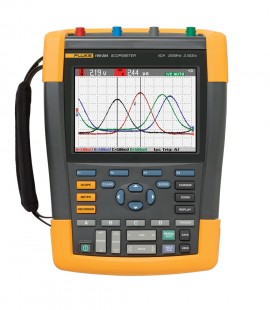
The scopemeter is a handy tool for measuring electrical signals. It combines features of a multimeter and an oscilloscope. You can carry it easily to different work sites. This device helps technicians check circuits quickly and safely. Understanding its basics helps users choose the right tool for their needs.
Key Features
Scopemeters have a small screen to show waveforms. They measure voltage, current, and frequency. Many models include a built-in multimeter. They run on batteries for portability. The device often has data storage for later review. Some can connect to computers for detailed analysis.
Typical Uses
Electricians use scopemeters to test motors and machines. They find faults in wiring and circuits. Maintenance teams check power quality and signal integrity. Engineers verify system performance during development. Field technicians rely on scopemeters for quick checks.
Advantages
Scopemeters are portable and easy to carry. They combine multiple testing functions in one device. The battery operation allows use in remote locations. They offer fast, clear readings with minimal setup. Their compact size saves space in toolkits.
Oscilloscope Essentials
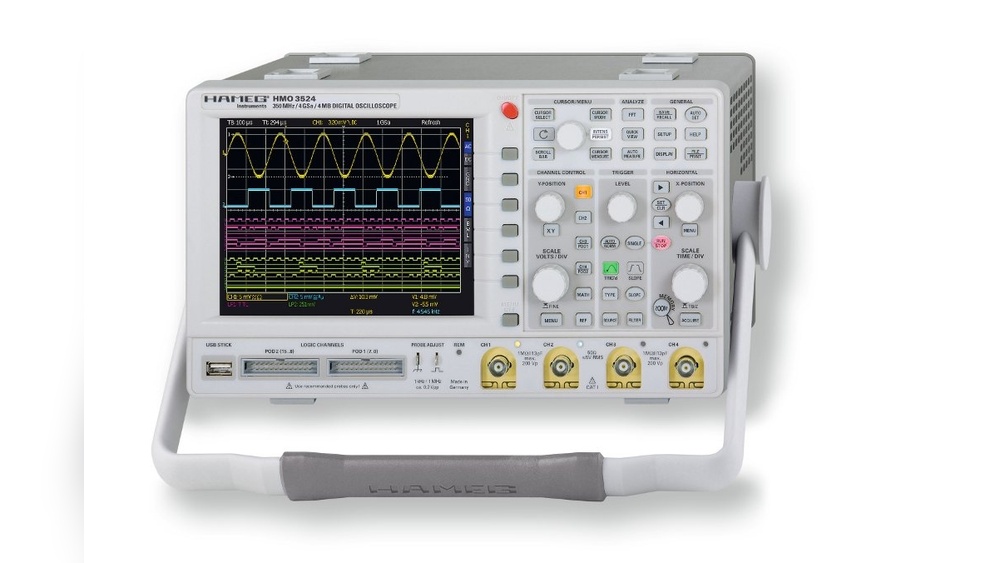
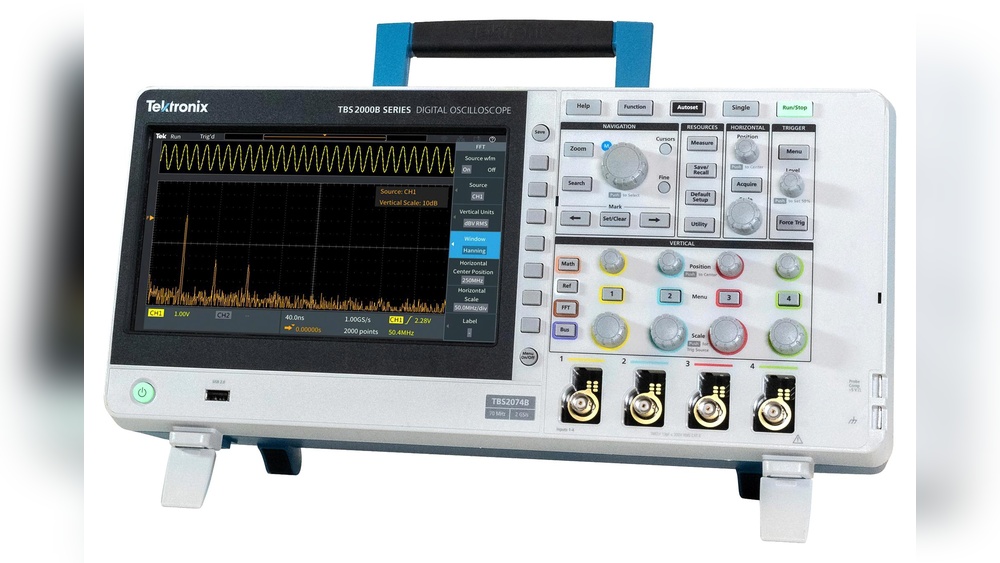
Oscilloscopes are key tools in electronics and engineering. They show how electrical signals change over time. This helps users see signal shape, frequency, and timing. Understanding these basics is important for using oscilloscopes well.
Many fields rely on oscilloscopes to test and fix circuits. Their ability to display waves on a screen makes troubleshooting easier. Knowing the main functions and uses helps choose the right device.
Core Functions
An oscilloscope captures and displays voltage signals as waveforms. It measures time intervals and signal amplitudes. The device can detect signal noise and distortions. Users can analyze patterns and spot faults quickly. Many oscilloscopes offer features like triggering and storage.
Common Applications
Oscilloscopes serve in electronics design, repair, and education. Technicians use them to test circuit boards and components. Engineers rely on oscilloscopes for system development and debugging. They help check audio signals, power supplies, and communication lines. Students learn signal behavior through hands-on oscilloscope use.
Strengths
Oscilloscopes provide clear, real-time signal views. They handle a wide range of signal types and frequencies. Many models offer high accuracy and resolution. Advanced features support complex analysis tasks. The large display and controls make operation intuitive. Portability varies from bench models to handheld units.
Portability And Design
Portability and design are key factors when choosing between a scopemeter and an oscilloscope. These tools serve similar purposes but differ in how easy they are to carry and use in different settings. Understanding their size, user interface, and durability helps you decide which fits your needs best.
Size And Weight
Scopemeters are compact and lightweight. You can hold them in one hand or carry them in a small bag. Oscilloscopes tend to be larger and heavier. They often need a table or bench to operate. This makes scopemeters better for fieldwork and quick checks. Oscilloscopes are more suited to labs or workshops with stable setups.
User Interface
Scopemeters have simple, easy-to-read screens. Their buttons and controls are designed for quick use. You can navigate menus fast without much training. Oscilloscopes offer more features but with complex controls. They have bigger screens that show detailed waveforms. This suits users who need deep analysis and are comfortable with advanced tools.
Durability
Scopemeters often have rugged designs. Many models resist dust, water, and drops. They are built to withstand tough environments. Oscilloscopes are more delicate and better kept indoors. They need careful handling to avoid damage. Durability makes scopemeters ideal for outdoor jobs and rough conditions.
Credit: www.fluke-direct.com
Performance And Accuracy
Performance and accuracy are key factors in choosing between a scopemeter and an oscilloscope. Both tools measure electrical signals but differ in their precision and capabilities. Understanding these differences helps pick the right device for the job.
Signal Measurement
Oscilloscopes capture signals with high detail. They show wave shapes clearly and measure voltage changes fast. Scopemeters also measure signals but usually with less detail. They focus on quick checks and troubleshooting.
Frequency Range
Oscilloscopes support a wide frequency range. They can handle signals from very low to very high frequencies. Scopemeters cover lower frequency ranges. They work well for common electrical signals but not for very fast pulses.
Resolution And Sampling
Resolution means how small a signal change the tool can detect. Oscilloscopes have higher resolution and faster sampling rates. This gives more precise signal readings. Scopemeters offer lower resolution but are easier to use on site.
Ease Of Use
Ease of use plays a key role in choosing between a Scopemeter and an Oscilloscope. Both devices serve similar purposes but differ in how simple they are to handle. Understanding these differences helps users pick the right tool for their skills and needs.
Setup And Calibration
Setting up a Scopemeter is usually straightforward. It often comes ready to use with minimal adjustments. Calibration processes are simple and quick, designed for fieldwork or fast testing.
Oscilloscopes may require more time to set up. Users often need to connect multiple probes and adjust settings carefully. Calibration can be detailed, needing some technical knowledge to ensure accuracy.
Display And Controls
Scopemeters have clear, easy-to-read displays. The controls are intuitive, with buttons and knobs labeled for quick access. This makes them user-friendly for beginners and technicians on the go.
Oscilloscopes usually feature larger screens with more detailed waveforms. Controls are more complex, offering advanced options. This suits users who need in-depth analysis but can be overwhelming for new users.
Data Storage And Sharing
Scopemeters often include built-in memory and simple options to save data. Sharing results is easy via USB or wireless connections. This helps technicians report findings quickly without extra tools.
Oscilloscopes provide extensive data storage and export formats. They support advanced data management but may require additional software. This suits users managing large projects or detailed research.

Credit: www.youtube.com
Cost And Value
Cost and value play a big role in choosing between a scopemeter and an oscilloscope. Both tools serve similar purposes but differ in price and long-term benefits. Understanding these differences helps make a smart purchase.
Price Comparison
Scopemeters usually cost less than oscilloscopes. They are portable and designed for field use. Oscilloscopes often have higher prices due to advanced features and better accuracy. For basic measurements, scopemeters offer good value. For detailed analysis, oscilloscopes might be worth the extra cost.
Maintenance Expenses
Scopemeters have lower maintenance costs. They are rugged and need less frequent calibration. Oscilloscopes may require regular servicing and calibration. Parts and repairs can be costly. Consider these expenses before choosing a device for long-term use.
Long-term Investment
Oscilloscopes provide more features and higher precision. This can save time and improve results in the long run. Scopemeters are great for quick checks and portable tasks. Think about your needs and how often you will use the tool. This helps decide which device offers better value over time.
Ideal Scenarios For Each Device
Choosing between a scopemeter and an oscilloscope depends on the task and environment. Each device serves different needs based on portability, accuracy, and complexity. Understanding ideal scenarios helps pick the right tool for efficient work.
Field Testing
Scopemeters excel in field testing due to their portability. They are compact, battery-powered, and easy to carry. Technicians use scopemeters to check signals in remote or outdoor locations. Their rugged design helps them endure rough conditions. Quick measurements on-site save time and effort.
Laboratory Analysis
Oscilloscopes are perfect for detailed laboratory work. They provide high accuracy and advanced features. Engineers analyze complex waveforms and signals with precision. Oscilloscopes offer larger screens and better resolution. Laboratories benefit from their extensive measurement options and connectivity.
Educational Settings
Both devices can serve in classrooms, but oscilloscopes are preferred. They help students learn signal theory clearly. Oscilloscopes display waveforms in real-time with detailed views. Some schools use scopemeters for basic signal checks. Oscilloscopes encourage hands-on learning with interactive controls.
Choosing The Right Tool
Choosing the right tool between a Scopemeter and an Oscilloscope is essential for successful electronic testing. Each device offers unique advantages based on your specific needs. Understanding key factors helps make the best choice for your projects.
Project Requirements
Think about what your project needs. Scopemeters are portable and good for fieldwork. Oscilloscopes work well in labs with complex signals. Consider signal type, frequency, and measurement accuracy.
Budget Constraints
Price plays a big role in your choice. Scopemeters usually cost less and suit small budgets. Oscilloscopes tend to be pricier but offer advanced features. Balance cost with what features you really need.
User Expertise
Your skill level matters. Scopemeters are simpler and easier to use for beginners. Oscilloscopes require more knowledge but allow deeper analysis. Match the tool to your comfort and experience.
Frequently Asked Questions
What Is The Main Difference Between Scopemeter And Oscilloscope?
A Scopemeter is portable and battery-powered, ideal for fieldwork. An Oscilloscope is typically bench-top, offering advanced features and higher bandwidth for detailed analysis.
Which Device Is Better For Portable Signal Testing?
Scopemeters are better for portable signal testing due to their compact size and battery operation. They are designed for on-the-go diagnostics.
Can Oscilloscopes Measure The Same Signals As Scopemeters?
Yes, oscilloscopes can measure similar signals but with higher accuracy and advanced features compared to scopemeters.
When Should I Choose A Scopemeter Over An Oscilloscope?
Choose a Scopemeter for quick, on-site troubleshooting and simple waveform analysis where portability is essential.
Conclusion
Both Scopemeter and Oscilloscope serve important roles in measuring signals. Scopemeters are portable and easy to carry. Oscilloscopes offer more detailed and advanced analysis. Choosing depends on your specific needs and budget. For quick, on-site checks, scopemeters work well. For in-depth lab work, oscilloscopes are better.
Understanding their differences helps you pick the right tool. Each device has strengths that suit different tasks. Use this guide to make a clear choice. Your work will become easier with the right instrument.

I’m Asif Ur Rahman Adib, an Electrical Engineer and lecturer. My journey began in the lab, watching students struggle with instruments they used every day without fully understanding them. Over time, I’ve combined teaching, research, and hands-on experience to help others grasp electrical concepts clearly, safely, and practically—whether it’s understanding a circuit or mastering a multimeter.