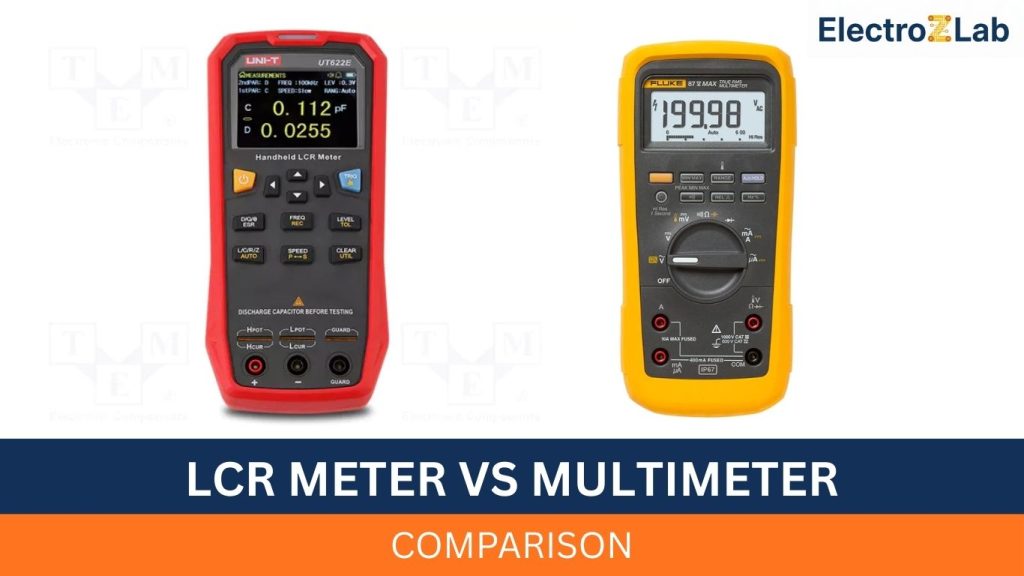
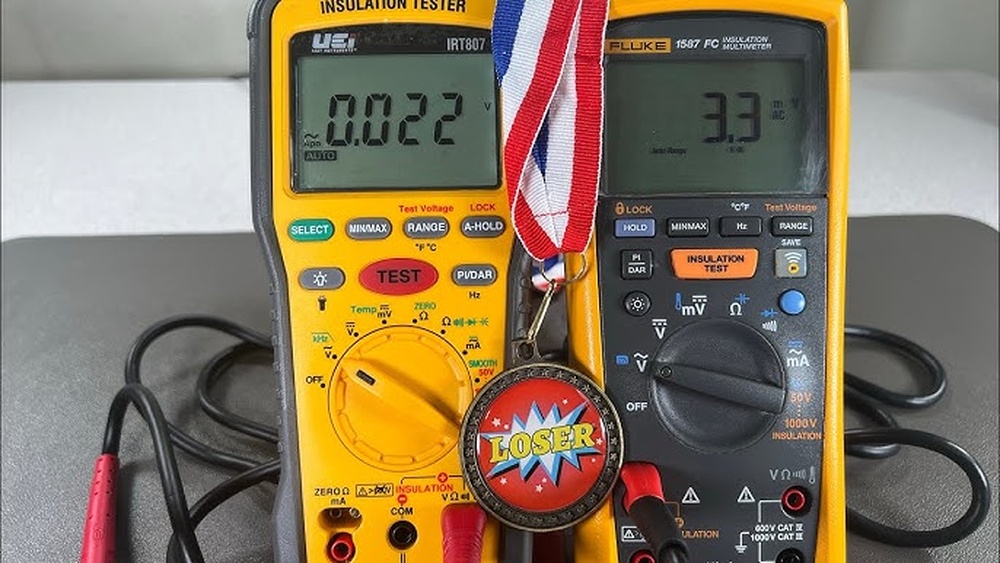
Choosing the right tool for your job can make all the difference. When it comes to test and measurement devices, you’ve probably heard about UEi and Fluke.
But which one truly fits your needs? You want accuracy, reliability, and ease of use without wasting time or money. This article breaks down the key differences between UEi and Fluke, helping you decide which brand will boost your work and make your tasks smoother.
Keep reading to find out which tool is the perfect match for you.
Brand Histories
Understanding the histories of UEi and Fluke helps to know their strengths. Both brands have built reputations through years of work. Their backgrounds show how they earned trust in the tool industry.
Uei Background
UEi started in the 1970s. It began as a small company focused on electronic test tools. The brand grew by serving HVAC and electrical professionals. UEi tools are known for being affordable and reliable. The company keeps improving to meet user needs. Their products often blend ease of use with solid features.
Fluke Background
Fluke was founded in 1948. It quickly became a leader in electronic testing instruments. Fluke targets electricians, engineers, and technicians worldwide. The brand is famous for high-quality, precise, and durable tools. Fluke invests in research to advance tool technology. Many professionals trust Fluke for critical measurements and safety.
Product Range
The product range of UEi and Fluke covers many tools for electrical and HVAC professionals. Both brands offer a variety of instruments designed to measure, test, and troubleshoot systems. Each brand has its own strengths in tool selection and specialization.
UEi focuses on practical and cost-effective tools for HVAC and electrical work. Its product line targets daily use with reliable accuracy. Fluke provides a broader range of high-end instruments. Their tools suit both general and specialized applications.
Uei Tool Types
UEi offers multimeters, clamp meters, and HVAC testers. Their tools include temperature and pressure gauges. UEi also sells combustion analyzers and leak detectors. These tools are easy to use and built for fieldwork. The range suits technicians needing straightforward, reliable devices.
Fluke Tool Types
Fluke features multimeters, thermal imagers, and insulation testers. Their line includes power quality analyzers and calibration tools. Fluke tools serve electricians, engineers, and maintenance teams. They focus on precision and advanced features. Their product range supports complex troubleshooting and diagnostics.
Accuracy And Performance
Accuracy and performance are key factors in choosing between Uei and Fluke tools. Both brands offer strong features, but their precision and reliability differ. These differences impact how well the tools measure and perform in various tasks. Understanding these aspects helps you pick the right tool for your needs.
Measurement Precision
Fluke tools are known for high measurement precision. They often provide readings with very low error margins. This makes them suitable for detailed electrical and electronic work. Uei tools also deliver good precision but may vary slightly by model. For basic and medium-level tasks, Uei precision is usually enough. Fluke’s precision suits professionals who need exact data every time.
Consistency And Reliability
Fluke devices maintain consistent results across different environments. They perform well under various temperatures and conditions. This reliability is why many professionals trust Fluke. Uei tools offer reliable performance, too, but may not be as stable in extreme conditions. For regular use, Uei provides dependable results. Fluke’s reliability often justifies its higher price for critical jobs.
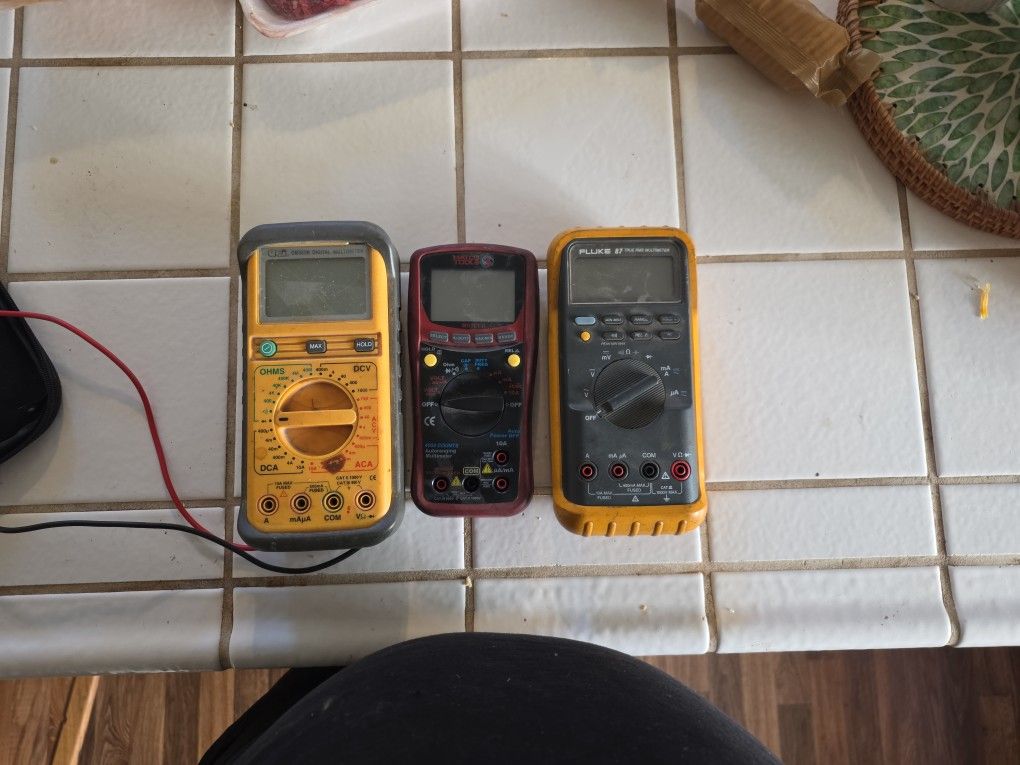
Credit: debutlers.com
Build Quality And Design
Build quality and design play a big role in choosing the right tool. Both Uei and Fluke offer strong designs that meet the needs of professionals. This section looks closely at how these brands compare in durability and ergonomics.
Durability
Fluke tools are known for their rugged construction. They use high-quality materials that resist drops and rough use. Many Fluke models meet military standards for shock and water resistance. This makes them reliable on tough job sites.
Uei also builds tough tools but often at a lower price point. Their devices use solid plastic and rubber parts to protect against damage. While not as rugged as Fluke, Uei tools still hold up well in daily work.
Ergonomics
Fluke designs focus on user comfort. Their tools fit well in hand and have well-placed buttons. This reduces fatigue during long hours of use. The displays are clear and easy to read in different light conditions.
Uei designs aim for simplicity and ease of use. Their tools are lightweight and compact. Controls are straightforward, making them good for quick tasks. The screens are readable but sometimes smaller than Fluke’s.
User Experience
User experience is key when choosing between Uei and Fluke tools. Both brands offer reliable instruments, but how they feel during use can differ. Comfort, ease, and clarity matter most to users. These factors affect productivity and satisfaction on the job.
Ease Of Use
Uei devices tend to have straightforward controls. Buttons are large and spaced well. This helps reduce mistakes and speeds up work. Fluke also focuses on simple controls but sometimes adds more features. These extra options can confuse new users. Uei often feels more beginner-friendly without losing power. Fluke suits users who want advanced settings and don’t mind a learning curve.
Display And Interface
Both brands use clear screens. Uei screens are bright with clear numbers and icons. The interface is minimal, making it easy to read. Fluke screens often include more data at once. This can help experts but may overwhelm some users. Fluke uses color displays, which improve visibility in low light. Uei sticks to simpler monochrome screens but keeps them sharp and easy to see. The choice depends on preference for simplicity or detail.
Price And Value
Price and value are key factors for anyone choosing between UEi and Fluke tools. Both brands offer quality products but differ in cost and benefits. Understanding their price points and the value they bring helps make a smart choice. This section breaks down their costs and the support you get.
Cost Comparison
UEi tools usually cost less than Fluke tools. This lower price suits hobbyists and small businesses. Fluke tools have higher prices but offer advanced features. Professionals often prefer Fluke for its reliability and precision. UEi gives good value for basic and mid-level needs. Fluke fits users who need top performance and durability.
Warranty And Support
Fluke provides longer warranties, often up to 3 years. This shows confidence in their product quality. UEi offers shorter warranties, typically 1 year. Fluke also has wider customer support and service centers worldwide. UEi support is smaller but still helpful for most users. Warranty length and service access add to the overall value.
Special Features
Special features make each tool stand out. They add value and improve user experience. Both UEi and Fluke offer unique functions that suit different needs. Exploring these features helps pick the right device.
Unique Uei Offerings
UEi tools include built-in Bluetooth for easy data transfer. They also have large, clear screens for better visibility. Many models support multi-function testing in one device. Some devices offer wireless temperature probes for remote checks. UEi focuses on combining several tools into one compact unit. This saves time and space on the job.
Exclusive Fluke Features
Fluke devices often include True RMS for accurate readings. They have rugged designs built to survive tough conditions. Many models feature large backlit displays for low light work. Fluke tools also offer advanced safety ratings for electrical tests. Some include automatic ranging to simplify measurements. Their smart connectivity supports app integration and cloud storage.
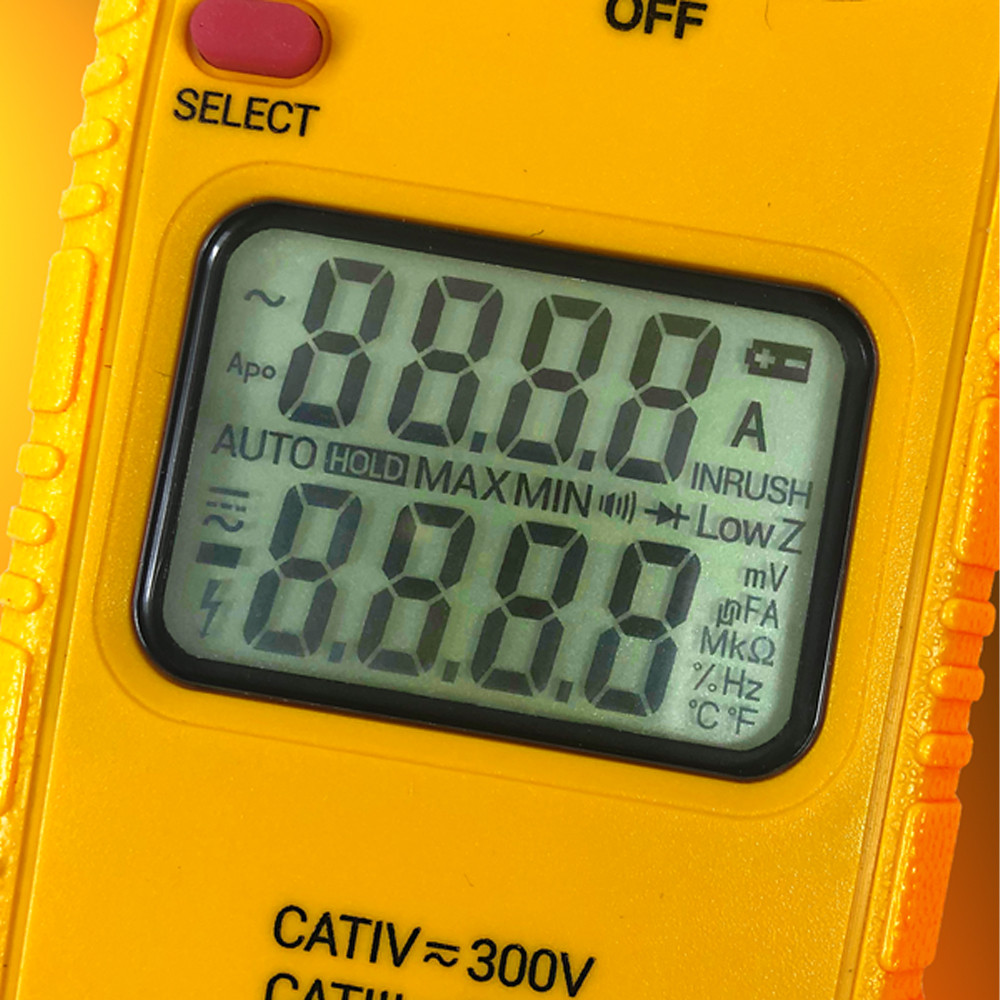
Credit: trutechtools.com
Common Applications
Both UEi and Fluke tools serve many practical roles across various fields. Their common applications differ based on user needs and industry standards. Understanding these uses helps choose the right tool.
Industrial Uses
Fluke tools often appear in heavy industry settings. They measure electrical currents, voltage, and resistance. Technicians rely on Fluke for precise diagnostics on machinery and motors. UEi devices also support industrial tasks but focus more on HVAC and refrigeration work. UEi meters check temperature, pressure, and airflow in industrial systems. Both brands help maintain safety and efficiency in factories and plants.
Residential And Commercial
In homes and businesses, UEi tools work well for HVAC repairs and installations. They simplify tasks like checking air conditioners and furnaces. Fluke tools excel in electrical inspections and troubleshooting wiring problems. Electricians trust Fluke for accurate readings to avoid hazards. Both brands assist professionals in keeping properties safe and comfortable.
User Feedback
User feedback plays a key role in choosing the right tool. It reflects real experiences from those who use these products daily. Both UEi and Fluke have loyal users who share their opinions online. These reviews help new buyers understand the strengths and weaknesses of each brand.
Professional Reviews
Experts test UEi and Fluke tools for accuracy and durability. Fluke often scores high for precision and build quality. UEi is praised for affordability and ease of use. Professionals note Fluke’s wider range of advanced features. UEi gets credit for simple designs that work well for basic tasks.
Customer Ratings
Customers rate both brands on popular shopping sites. Fluke usually has higher ratings for reliability and long-term use. UEi attracts users who want budget-friendly options. Many users say Fluke tools last longer under tough conditions. UEi tools get positive marks for quick setup and clear displays.

Credit: www.homedepot.com
Frequently Asked Questions
What Are The Main Differences Between Uei And Fluke Tools?
Uei tools focus on affordability and basic features. Fluke offers advanced accuracy and durability. Both serve electricians but target different user needs. Fluke is ideal for professionals needing precision. Uei suits budget-conscious users or beginners in electrical testing.
Which Brand Provides Better Accuracy: Uei Or Fluke?
Fluke provides higher accuracy and reliability in measurements. Uei tools offer decent accuracy for general tasks. Professionals prefer Fluke for critical diagnostics. Uei is suitable for routine maintenance and troubleshooting where extreme precision is not essential.
Are Uei Tools More Affordable Than Fluke?
Yes, Uei tools are generally more affordable than Fluke. Uei targets budget buyers and entry-level users. Fluke products come with premium pricing due to advanced features. The price difference reflects Fluke’s superior build quality and precision.
Which Brand Has A Wider Range Of Electrical Testers?
Fluke has a broader range of electrical testing tools. It covers everything from basic multimeters to advanced thermal imagers. Uei offers a smaller selection focused on essential testers. Fluke’s extensive lineup suits professionals across many industries.
Conclusion
Choosing between Uei and Fluke depends on your needs and budget. Both brands offer reliable tools for electrical testing. Uei is often more affordable and good for basic tasks. Fluke provides advanced features and durability for professionals. Think about how often you will use the device.
Also, consider which features matter most to you. Either choice can help you work safely and efficiently. The key is picking the right tool for your specific job.

I’m Asif Ur Rahman Adib, an Electrical Engineer and lecturer. My journey began in the lab, watching students struggle with instruments they used every day without fully understanding them. Over time, I’ve combined teaching, research, and hands-on experience to help others grasp electrical concepts clearly, safely, and practically—whether it’s understanding a circuit or mastering a multimeter.