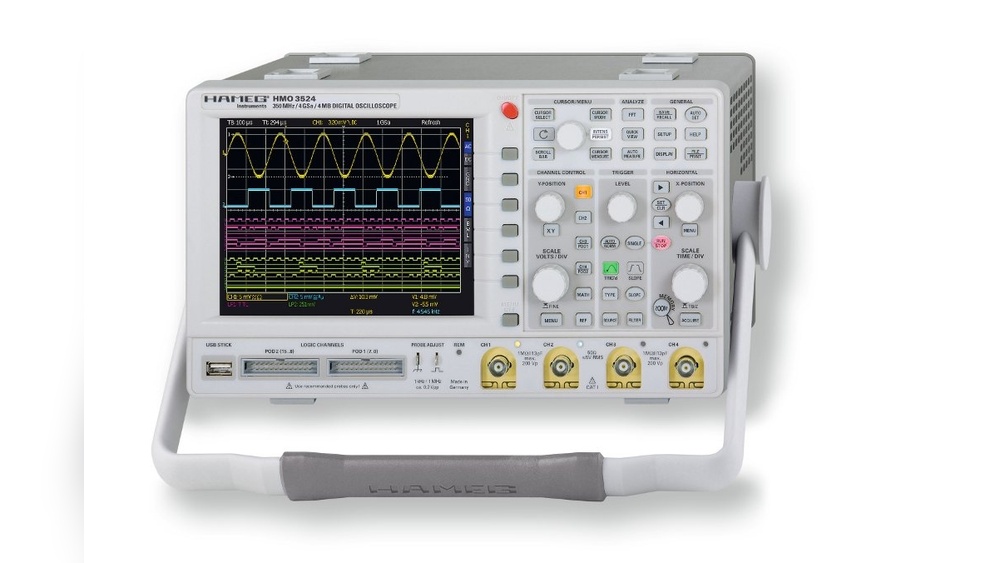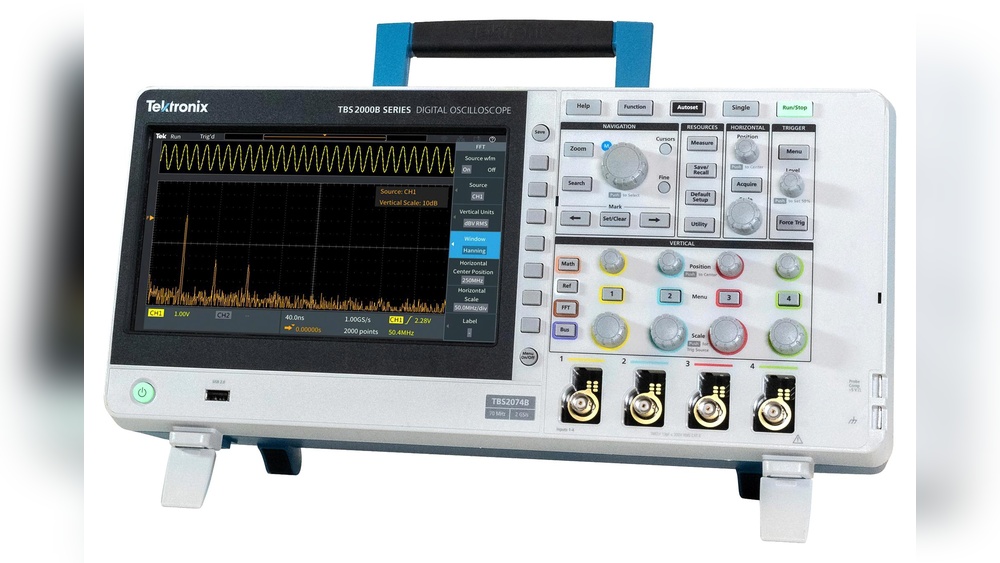
Have you ever wondered how engineers see invisible electrical signals in action? A digital oscilloscope is the tool that lets you do just that.
It shows you the real-time waveforms of electronic signals, making complex data easy to understand. Whether you’re a student, hobbyist, or professional, knowing what a digital oscilloscope is can unlock a whole new level of insight into your projects. Keep reading, and you’ll discover how this powerful device works and why it might be exactly what you need.
Basics Of Digital Oscilloscopes
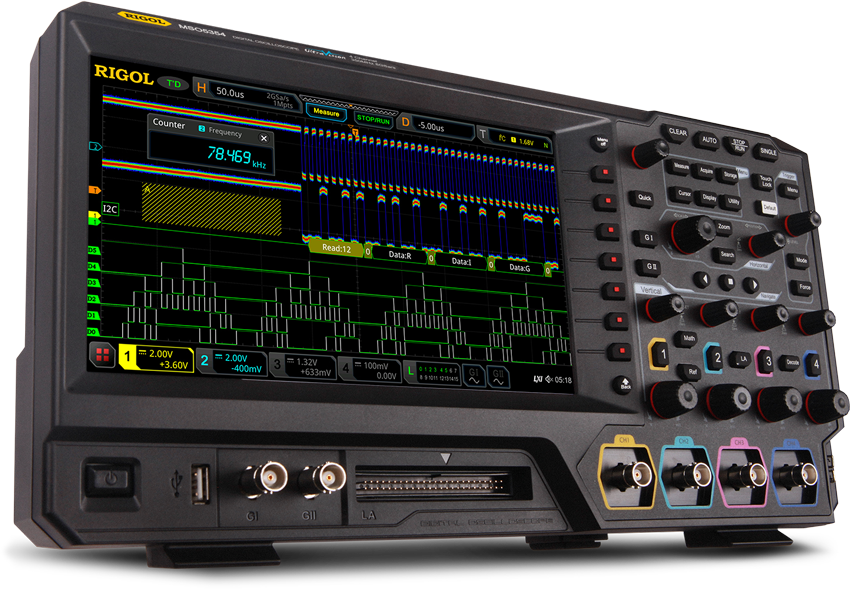
Digital oscilloscopes are important tools for measuring electrical signals. They help users see how signals change over time. This makes them useful in many fields like electronics, engineering, and education.
Understanding the basics of digital oscilloscopes helps you use them better. It also helps you choose the right type for your needs.
What A Digital Oscilloscope Does
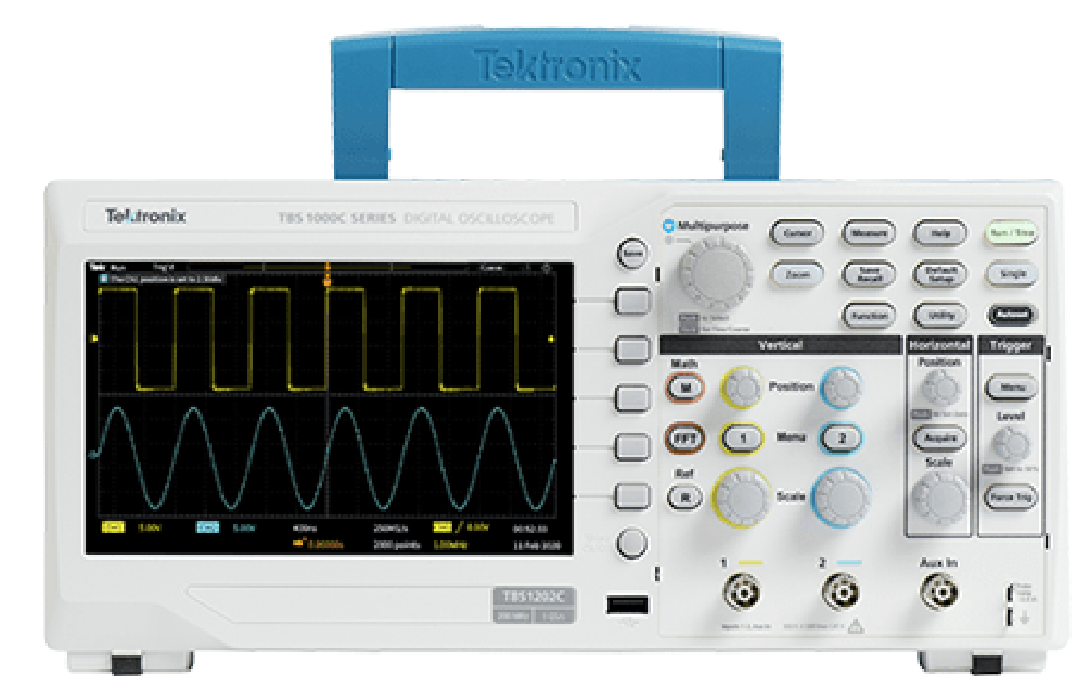
A digital oscilloscope captures electrical signals from a circuit. It converts these signals into digital data. Then, it shows the data as a graph on the screen. This graph displays voltage on the vertical axis and time on the horizontal axis.
This helps users see signal patterns, shapes, and changes. It can measure frequency, amplitude, and timing of signals. This makes troubleshooting and testing much easier.
Key Components And Features
A digital oscilloscope has several main parts. The input channel connects to the signal source. The analog-to-digital converter (ADC) changes the signal into digital form. The display screen shows the waveform graph.
It also has controls to adjust settings like time base and voltage scale. Many models include memory to store waveforms. Some offer advanced features like automatic measurements and signal math functions.
Types Of Digital Oscilloscopes
There are different types of digital oscilloscopes for various uses. Bench oscilloscopes are common in labs and workshops. They offer many channels and high performance.
Handheld oscilloscopes are portable and useful for fieldwork. PC-based oscilloscopes connect to computers for flexible analysis. Mixed signal oscilloscopes handle both analog and digital signals together.
How Digital Oscilloscopes Work
Digital oscilloscopes capture and show electrical signals in real time. They change signals into digital data, making it easy to analyze and save. Understanding how they work helps users get the best results.
Signal Acquisition And Sampling
The oscilloscope first captures the electrical signal from a circuit. It uses a probe to connect to the point of interest. The device then samples the signal many times per second. Sampling means measuring the signal’s voltage at regular intervals. This process creates a series of data points that represent the signal’s shape.
Analog-to-digital Conversion
The oscilloscope converts the sampled analog signal into digital numbers. This step uses an analog-to-digital converter (ADC). The ADC measures the voltage and assigns a numeric value. These values allow the oscilloscope to process and store the signal. The higher the sampling rate, the more accurate the digital representation.
Display And Analysis
The digital data appears as a waveform on the oscilloscope screen. Users can see voltage changes over time clearly. The oscilloscope offers tools to zoom, measure, and analyze the waveform. It helps identify signal patterns, noise, or faults. Data can be saved for later review or shared with others.
Choosing The Right Oscilloscope
Choosing the right digital oscilloscope is key to getting accurate and useful measurements. Different tasks need different features. Understanding important specs helps pick the best tool for your needs.
Bandwidth And Sample Rate
Bandwidth shows the highest frequency the oscilloscope can measure. A higher bandwidth means you can see faster signals clearly. The sample rate tells how many data points the device records each second. A faster sample rate captures more detail in signals. Both should match the signals you plan to test.
Memory Depth And Storage
Memory depth controls how much data the oscilloscope can save at once. More memory means longer signal recording without losing details. Good storage options let you save and review data later. This is useful for complex tests and troubleshooting.
Input Channels And Probes
The number of input channels shows how many signals you can measure at the same time. More channels help compare multiple signals easily. Quality probes are important for accurate readings. Choose probes that fit your oscilloscope and measurement needs.
Common Applications
Digital oscilloscopes play a vital role in many fields. They help professionals see electrical signals clearly. This tool shows how signals change over time. Many industries use digital oscilloscopes for precise measurements and analysis.
Below are some common applications where digital oscilloscopes prove very useful.
Electronics Testing And Troubleshooting
Digital oscilloscopes test electronic circuits and devices. They help find faults quickly. Engineers use them to check signal quality and timing. They spot problems like noise, distortion, or signal loss. This saves time and improves product quality.
Automotive Diagnostics
Modern cars have many electronic systems. Digital oscilloscopes diagnose issues in engines and sensors. They measure voltage and current in real-time. Mechanics use them to detect faulty parts or wiring. This leads to faster repairs and better vehicle performance.
Communication Systems
Communication devices rely on clear signal transmission. Digital oscilloscopes analyze signal waveforms and frequencies. They help monitor and maintain network health. Technicians detect interference or signal drops easily. This ensures reliable and fast communication services.
Basic Operation Tips
Understanding the basic operation of a digital oscilloscope helps you get clear and accurate readings. These tips make your use of the device easier and more effective. You will learn how to set it up, capture stable waveforms, and use the measurement tools properly.
Setting Up The Device
Place the oscilloscope on a flat, stable surface. Connect the probe to the input channel securely. Turn on the device and let it initialize. Set the vertical scale to match the signal size. Adjust the time base to fit the signal’s speed. Check the probe compensation to ensure accuracy.
Capturing Stable Waveforms
Use the trigger control to stabilize the waveform on the screen. Choose the correct trigger source and level for your signal. Adjust the trigger mode to capture the exact part of the waveform. If the signal moves, fine-tune the trigger settings. This stops the waveform from drifting or jumping.
Using Measurement Tools
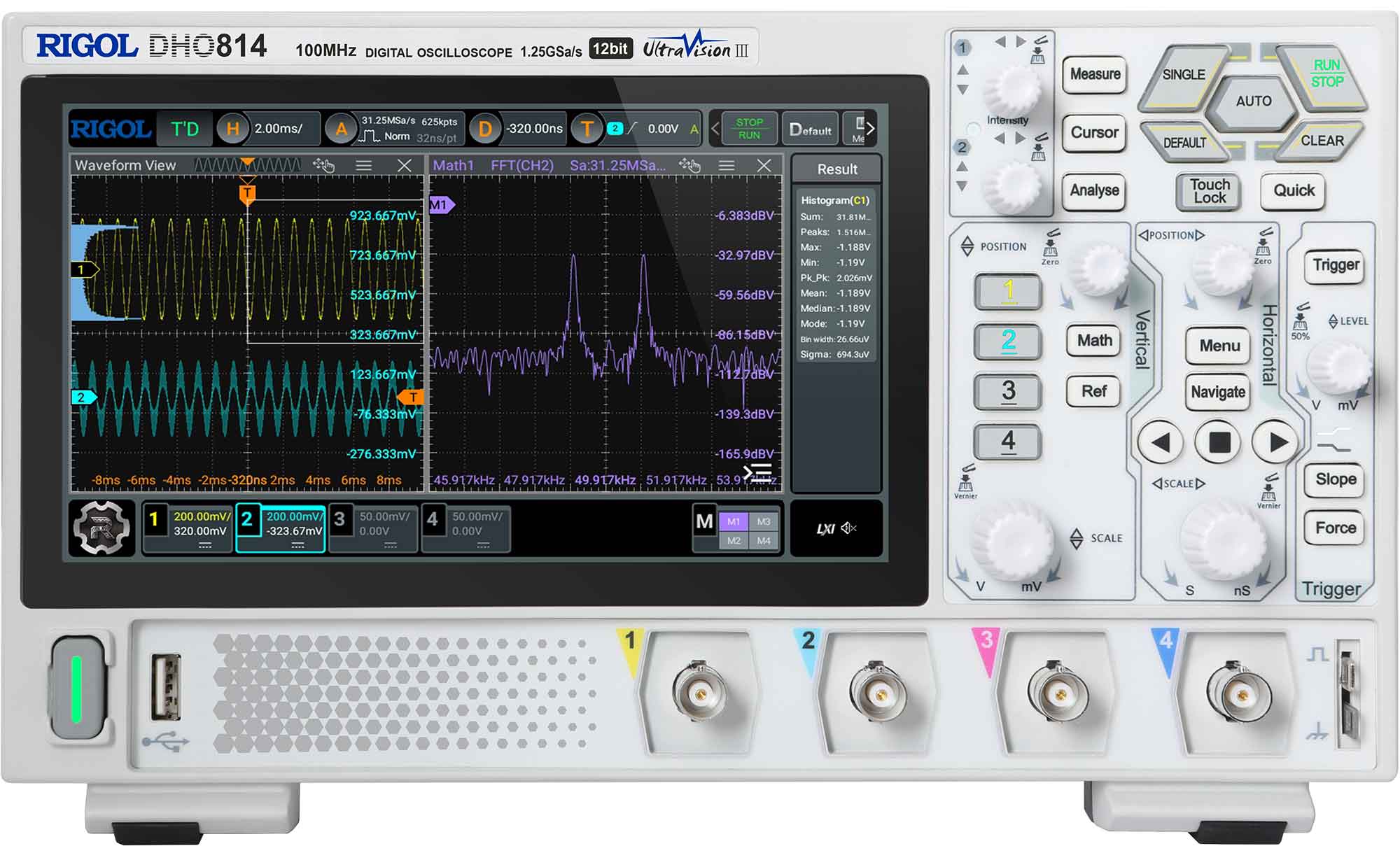
Activate the built-in measurement functions for quick results. Measure voltage, frequency, and time intervals directly on the screen. Use cursors to mark specific points on the waveform. Save your measurements for later analysis if needed. These tools reduce manual errors and save time.
Credit: www.rigolna.com
Advanced Features To Explore
Digital oscilloscopes offer many advanced features that help users analyze signals better. These features go beyond basic waveform viewing. They make complex tasks easier and faster. Let’s explore some key functions that improve signal analysis and data handling.
Math Functions And Fft
Math functions let you perform calculations on signals directly. You can add, subtract, multiply, or divide waveforms. This helps compare different signals quickly. FFT, or Fast Fourier Transform, changes signals from time to frequency view. It reveals signal frequencies and their strengths. This is useful for finding noise or interference in signals.
Triggering Options
Triggering controls when the oscilloscope captures data. Advanced triggering options include edge, pulse, and video triggers. These make it easy to catch rare or complex events. You can set triggers based on signal levels or patterns. This ensures precise timing and accurate data capture for analysis.
Data Storage And Connectivity
Modern digital oscilloscopes offer various ways to save and share data. Internal memory stores waveforms for later review. USB ports allow you to transfer data to a computer. Some models support Wi-Fi or Ethernet for remote access. This helps keep data organized and accessible for reports or team review.
Maintenance And Safety
Maintaining and using a digital oscilloscope safely ensures it works well for a long time. Proper care keeps the device accurate and reliable. Safety steps protect both the user and the equipment during operation.
Proper Handling And Care
Always handle the oscilloscope with clean, dry hands. Avoid dropping or bumping it. Keep it on a stable surface during use. Store the device in a dust-free, dry place. Use protective covers when not in use. Clean the screen and buttons gently with a soft cloth.
Calibration And Updates
Regular calibration keeps the oscilloscope measurements correct. Follow the manufacturer’s instructions for calibration schedules. Use certified tools or services for best results. Update the device’s software to improve features and fix bugs. Check for updates on the official website or through the device menu.
Safety Precautions
Always check the oscilloscope’s voltage limits before testing circuits. Use proper probes rated for the signal type and voltage. Avoid touching exposed wires or connectors during operation. Keep liquids away from the device to prevent damage. Turn off the oscilloscope before connecting or disconnecting probes.
Credit: www.tek.com
Credit: www.rigolna.com
Frequently Asked Questions
What Is A Digital Oscilloscope Used For?
A digital oscilloscope measures and displays electrical signals digitally. It helps analyze waveforms and diagnose electronic circuits accurately and quickly.
How Does A Digital Oscilloscope Work?
It converts analog signals into digital data using an analog-to-digital converter. The data is then displayed as waveforms on the screen for analysis.
What Are The Benefits Of A Digital Oscilloscope?
Digital oscilloscopes offer precise measurements, easy storage, and advanced analysis tools. They are more versatile and user-friendly than analog oscilloscopes.
Can A Digital Oscilloscope Measure Complex Signals?
Yes, digital oscilloscopes can capture and analyze complex, fast-changing signals with high accuracy and resolution, making them ideal for modern electronics.
Conclusion
A digital oscilloscope shows electrical signals clearly and quickly. It helps you see how signals change over time. Many people use it to test and fix electronic devices. It stores data so you can check it later. The screen makes it easy to read waveforms.
Digital oscilloscopes are useful in schools and labs. They help both beginners and experts understand electronics better. Choosing the right one depends on your needs and budget. Simple to use, they make learning and working with electronics easier.

I’m Asif Ur Rahman Adib, an Electrical Engineer and lecturer. My journey began in the lab, watching students struggle with instruments they used every day without fully understanding them. Over time, I’ve combined teaching, research, and hands-on experience to help others grasp electrical concepts clearly, safely, and practically—whether it’s understanding a circuit or mastering a multimeter.