When you’re working with electrical systems, choosing the right tool can make all the difference. You might have heard about both the Wiggy and the multimeter, but which one is better for your needs?
Understanding how these tools work and when to use each can save you time, frustration, and even keep you safe. You’ll discover the key differences between a Wiggy and a multimeter, helping you make smart decisions for your projects. Keep reading to find out which tool fits perfectly into your toolbox.

Credit: en.wikipedia.org
What Is A Wiggy
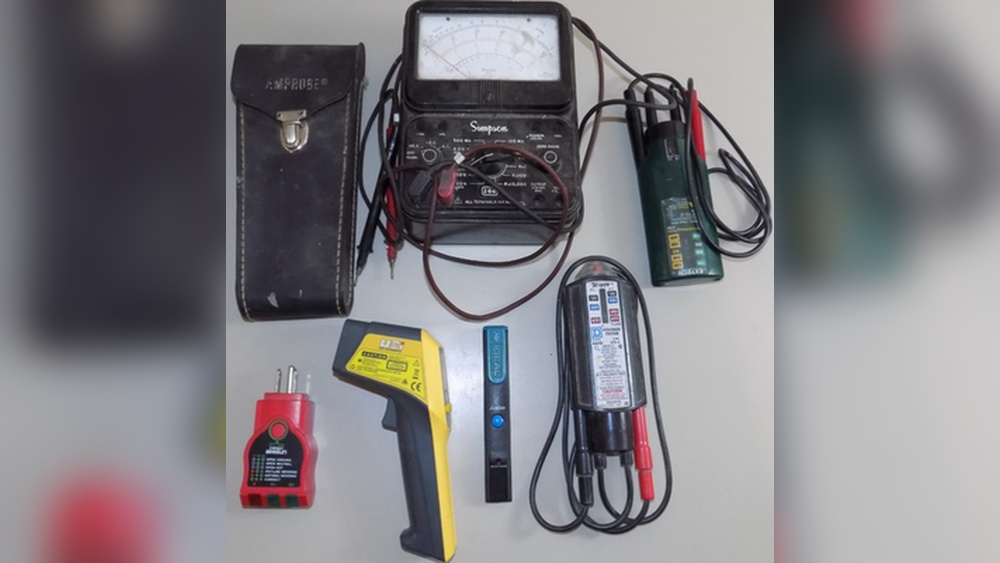
A Wiggy is a simple electrical tester used by electricians. It helps check if wires have power or if a circuit is complete. This tool has been around for many years. It offers a quick way to test electrical circuits without complex settings.
Basic Functionality
A Wiggy works by sending a small current through a wire. It uses a needle gauge to show voltage presence. The needle moves to different positions based on voltage level. It can detect if a wire is live or not. This tool only tests basic electrical conditions.
Common Uses In Electrical Work
Electricians use a Wiggy to check power in outlets and switches. It helps find broken wires in circuits. This tester is useful for testing fuses and circuit breakers. It can quickly identify if electricity is flowing. It saves time during electrical repairs and installations.
Advantages For Electricians
A Wiggy is easy to use and durable. It does not need batteries to work. The tool gives fast, clear readings with its needle display. It is lightweight and fits in a tool belt. This tester works well in tough job site conditions.
What Is A Multimeter
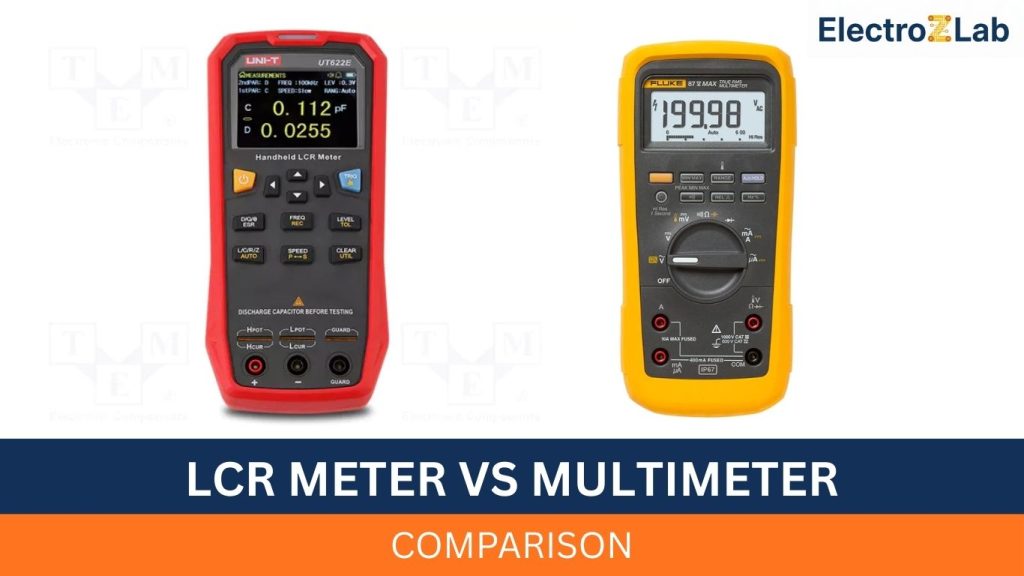
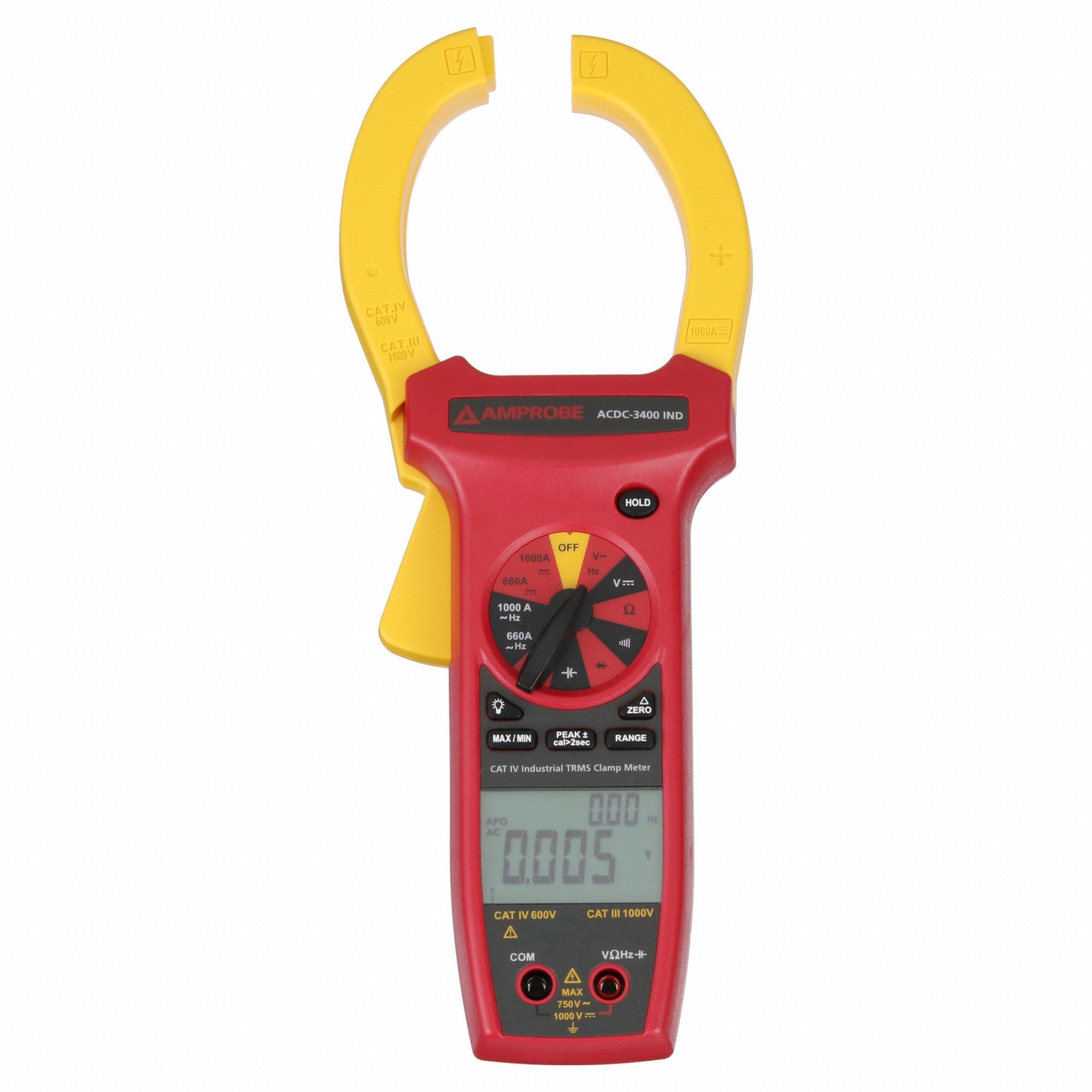
A multimeter is a tool used to measure electrical values. It helps check voltage, current, and resistance in circuits. This device is essential for electricians and hobbyists. It shows if circuits work correctly or have problems.
Multimeters come in many types and offer different features. They make electrical testing easier and safer. Understanding what a multimeter does helps you choose the right one.
Types Of Multimeters
There are two main types: analog and digital. Analog multimeters use a needle to show readings. Digital multimeters display numbers on a screen. Digital types are more common today because they are easy to read.
Some multimeters are simple, while others have advanced features. Handheld models are portable and handy for quick checks. Bench multimeters are larger and offer more precision.
Key Features And Functions
Most multimeters measure voltage, current, and resistance. Some can test continuity, which checks if a circuit is complete. Others measure capacitance and temperature. Auto-ranging multimeters select the correct range automatically. Manual models need you to set the range.
Safety features like fuse protection prevent damage to the device. Backlit displays help read measurements in dark places. Some multimeters include data hold to freeze readings on the screen.
Benefits In Electrical Testing
Multimeters help find electrical faults quickly. They prevent damage by checking circuits before work starts. Using a multimeter reduces guesswork and saves time. They improve safety by spotting live wires and bad connections.
These tools are affordable and easy to use. They give accurate results for repair and maintenance. Multimeters support learning and skill-building in electronics. Overall, they are a must-have for anyone dealing with electricity.
Design And Durability
Design and durability are key factors when choosing between a Wiggy and a multimeter. Both tools serve electrical testing but differ in structure and toughness. Understanding their build and safety helps pick the right tool for your needs.
Build Quality Comparison
The Wiggy features a simple, rugged design made for tough use. Its heavy-duty casing protects internal parts well. The multimeter often has a plastic body, which can vary in strength. Higher-end models use shock-resistant materials. Inside, multimeters have more delicate electronics than Wiggy testers.
Portability And Size
Wiggy testers are usually bulky and heavier. They feel solid but take up more space in a toolbox. Multimeters are compact and lighter. This makes them easy to carry for long periods. Their small size fits well in pockets or tool belts.
Safety Considerations
Wiggy testers use mechanical parts that reduce shock risk. They handle high voltage safely with fewer electronic parts. Multimeters rely on electronic circuits, which need careful handling. Many multimeters include fuses and overload protection. Both tools require correct use to avoid accidents.
Measurement Capabilities
Understanding the measurement capabilities of a Wiggy and a multimeter helps choose the right tool. Both devices test electrical circuits but differ in functions and precision. Knowing their strengths aids in safe and accurate electrical work.
Voltage Testing
A Wiggy tests voltage by lighting up neon bulbs inside the tool. It shows if voltage is present but does not give exact values. A multimeter measures voltage precisely in volts. It works with both AC and DC currents. This accuracy helps diagnose electrical problems clearly.
Current Measurement
A multimeter can measure electrical current flowing through a circuit. It shows the amount of current in amps or milliamps. Wiggy tools do not measure current directly. This limits their use in tasks needing current details. Multimeters offer more detailed current analysis for electricians.
Resistance And Continuity Checks
Both tools can check if wires or components connect properly. A multimeter measures resistance in ohms and tests continuity with sound alerts. Wiggy tools mainly check continuity by lighting bulbs. Multimeters give more precise resistance readings. This helps find broken wires or faulty parts easily.
Ease Of Use
Ease of use plays a big role when choosing between a Wiggy and a multimeter. Both tools serve similar purposes but feel very different in hand. How simple a device is to use can affect how often you use it and how fast you get your job done. Understanding the user interface, setup, and learning curve helps pick the right tool for your needs.
User Interface And Readability
The Wiggy has a simple design with a few buttons and a clear analog scale. Its needle moves to show voltage or continuity, which is easy to read at a glance. The multimeter usually has a digital screen with numbers and symbols. The display can show more information but might look complex at first. Clear labels and a backlight help with reading in dark places.
Setup And Calibration
Setting up a Wiggy is quick. It often requires no calibration before use. Just connect the leads and start testing. Multimeters may need you to select the right mode or range before measuring. Some models auto-range, which makes setup easier. Calibration for multimeters can take a few extra steps but improves accuracy.
Learning Curve For Beginners
Beginners find the Wiggy easier to start with. The simple needle and fewer settings reduce confusion. Multimeters have more functions that can overwhelm new users. Learning to use all features takes time and practice. Basic tests with a multimeter are easy, but advanced tests need more skill.
Accuracy And Reliability
Accuracy and reliability are key factors when choosing between a Wiggy and a multimeter. Both tools measure electrical signals, but their precision and consistency differ. Understanding these differences helps pick the right tool for your task.
Precision In Readings
A multimeter offers precise numerical readings. It shows exact voltage, current, or resistance values. This precision helps diagnose electrical issues clearly. A Wiggy, on the other hand, gives a simple pass/fail or presence/absence signal. Its readings are less detailed but faster to interpret.
Consistency Over Time
Multimeters maintain consistent accuracy with regular calibration. They provide reliable data over many uses. Wiggy devices may drift in accuracy over time. Their simple design means fewer adjustments but less long-term precision.
Impact Of Environmental Factors
Multimeters perform well in varied environments. They often have shielding against noise and interference. Wiggy tools can be affected by strong electrical fields. Their simpler circuits might show false signals in noisy settings.
Cost And Value
Cost and value play a big role when choosing between a Wiggy and a multimeter. Both tools serve different purposes but understanding their costs helps in making the right choice. The price you pay should match the features and durability you need. Let’s explore how these tools compare in cost and what value they offer for your money.
Price Range Comparison
A Wiggy usually costs less than a multimeter. Basic Wiggy models can be found at a low price, often under $50. Multimeters have a wider price range. Simple models start around $20, while advanced ones can cost over $200. Price depends on features like digital display, auto-ranging, and extra functions.
Long-term Investment
Multimeters often last longer because they have more durable parts. They offer many functions in one device. Wiggies are simpler and may wear out faster. Spending more on a good multimeter can save money over time. It reduces the need to buy other tools separately.
Cost-effectiveness For Different Tasks
Wiggies work well for quick voltage checks and simple troubleshooting. They are cost-effective for basic electrical work. Multimeters suit detailed measurements like resistance and current. They are better for professionals or complex tasks. Choose based on your needs to get the best value.

Credit: www.ebay.com
Best Applications For Each Tool
Choosing between a Wiggy and a multimeter depends on the task. Each tool serves a specific purpose in electrical work. Understanding when to use each tool helps save time and improves safety. Some tasks are better suited for a Wiggy, while others need a multimeter. Certain situations call for both tools to get accurate results.
When To Choose A Wiggy
Use a Wiggy for quick voltage checks. It is great for finding live wires fast. Electricians often use it on older homes. The Wiggy shows if power is on or off clearly. It works well for simple troubleshooting jobs. The tool is easy to use and does not need batteries. It also detects shorts and open circuits quickly.
When A Multimeter Is Preferable
Choose a multimeter for precise measurements. It measures voltage, current, and resistance accurately. Ideal for detailed diagnostics and testing components. A multimeter can test batteries, fuses, and switches. It works well in complex circuits and electronics. Multimeters often have extra features like continuity beeps. This tool needs some knowledge to operate safely.
Situations Requiring Both
Some jobs need both a Wiggy and a multimeter. Start with a Wiggy to find live wires fast. Then use a multimeter to measure exact voltage or current. Both tools together help ensure electrical safety. They confirm if circuits are working properly. Using both reduces errors and speeds up repairs.
Maintenance And Troubleshooting
Maintaining your Wiggy or multimeter is key to getting accurate results. Regular checks keep the tools working well. Troubleshooting helps you fix small problems fast.
Both tools need care. Simple steps can extend their life. Let’s explore common issues and how to fix them.
Common Issues And Fixes
Wiggy may fail to beep or show voltage. Check if the wires are loose or damaged. Replace worn-out test leads to restore function.
Multimeters might give wrong readings or no reading. Clean the contacts and test probes. Reset the device if it freezes.
Battery Life And Replacement
Batteries drain faster with frequent use. Wiggy usually uses AA or AAA batteries. Multimeters often use 9V or button cells.
Replace batteries when the display dims or beeps stop. Always use the correct battery type. Remove batteries if you store the tool long.
Storage Tips
Keep your Wiggy and multimeter in a dry, cool place. Avoid areas with high humidity or dust. Use a protective case to prevent damage.
Store tools away from direct sunlight. Coil test leads gently to avoid wire breakage. Regularly check the storage area for pests or moisture.
Credit: thirdeyemomoandgrill.com
Frequently Asked Questions
What Is The Main Difference Between A Wiggy And A Multimeter?
A Wiggy tests electrical circuits for live voltage only. A multimeter measures voltage, current, and resistance with accuracy. Wiggy is simpler and safer for quick voltage checks. Multimeter offers detailed diagnostics for various electrical parameters and troubleshooting.
When Should I Use A Wiggy Instead Of A Multimeter?
Use a Wiggy for quick voltage presence tests in wiring and outlets. It’s ideal for electricians checking live circuits fast. For detailed measurements, like current or resistance, use a multimeter. Wiggy is best for simple go/no-go voltage testing.
Can A Wiggy Measure Current Like A Multimeter?
No, a Wiggy cannot measure electrical current. It only detects voltage presence and polarity. Multimeters can measure current, voltage, and resistance accurately. Use a multimeter when current measurement or detailed electrical diagnostics are needed.
Is A Wiggy Safer To Use Than A Multimeter?
Yes, a Wiggy is generally safer for quick voltage detection. It limits the user’s exposure to live circuits. Multimeters require more skill and proper settings to avoid risks. However, both tools must be used with proper safety precautions.
Conclusion
Choosing between a wiggy and a multimeter depends on your task. Wiggies work well for quick wire tests and continuity checks. Multimeters offer more functions like measuring voltage, current, and resistance. Both tools help find electrical problems but serve different needs.
Keep a wiggy for simple jobs and a multimeter for detailed work. Understanding each tool’s use saves time and effort. Pick the right one to get your electrical job done right. Simple tools, clear results.

I’m Asif Ur Rahman Adib, an Electrical Engineer and lecturer. My journey began in the lab, watching students struggle with instruments they used every day without fully understanding them. Over time, I’ve combined teaching, research, and hands-on experience to help others grasp electrical concepts clearly, safely, and practically—whether it’s understanding a circuit or mastering a multimeter.