How To Decide Between Fluke 177 And 87v For Your Testing Needs
- Pick Fluke 177 True RMS if you want a compact meter for general electrical tasks.
- Choose Fluke 87V when you need advanced troubleshooting with high voltage capability.
- Go with Fluke 177 for quick, accurate readings in everyday maintenance work.
- Prefer Fluke 87V if your work involves industrial environments and complex signals.
- Fluke 177 makes more sense for users who value simplicity and battery-saving features.
- Fluke 87V is the safer bet for professionals requiring peak capture and low-pass filtering.
Is The Fluke 177 True Rms Suitable For Typical Electrical Troubleshooting?
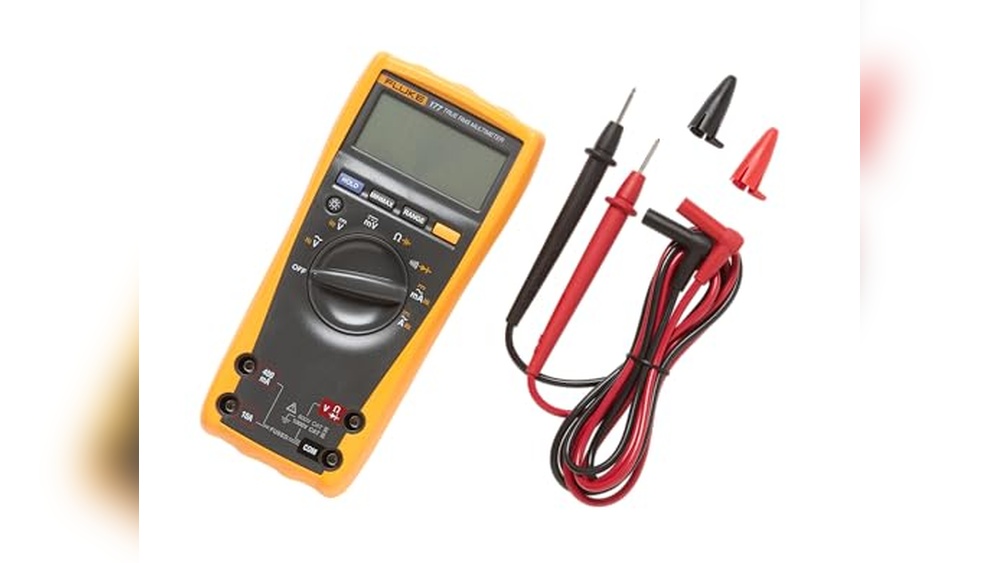
Yes, the Fluke 177 True RMS is well-suited for many electrical troubleshooting tasks. It offers a clear digital and analog display with quick updates, making it easy to monitor signals. Its auto-hold and memory functions help capture and review readings effectively. Battery-saving features add convenience for extended use.
In daily use, I find it very reliable for checking voltages and currents in household and light industrial settings. Its lightweight design and compact size make it easy to carry around. The display freeze feature allows me to note values without rushing. Overall, it balances simplicity and functionality well for routine diagnostics.

Key strengths of the Fluke 177 for electrical testing
- 6000 counts with fast digital and analog bar graph updates
- Auto power off with disable option for battery saving
- Hold and auto hold features for stable reading capture
- Memory for minimum, maximum, and average readings
- Clear lead detection message when switching measurement modes
Important considerations before choosing the Fluke 177
- Not designed for very high voltage or industrial peak capture
- Wider dimensions but extremely lightweight, which may feel unusual
- Lacks specialized filters found in more advanced models
A practical choice for general-purpose users
The Fluke 177 suits electricians and technicians who handle everyday electrical tasks without needing industrial-grade features. It removes the stress of complicated settings and keeps measurements straightforward. Beginners will find it friendly and experienced users will appreciate its reliable accuracy. In my experience, its balance of features and simplicity makes it a dependable tool. A practical tip is to disable auto power off during long tests. After buying, you gain peace of mind with consistent readings and straightforward operation.
Does The Fluke 87v Industrial Multimeter Handle Advanced Troubleshooting Well?
It depends on your troubleshooting needs, but generally, the Fluke 87V excels in advanced scenarios. Its low-pass filter and peak capture features enable accurate measurements on noisy or intermittent signals. The high resolution and safety ratings support industrial environments up to 1000 volts. This meter is built for challenging electrical diagnostics where precision and durability matter.
In everyday use, I find it especially useful when working with motors, drives, and complex electrical systems. It feels solid and well-protected, which adds confidence on job sites. The included test leads and probes cover a variety of tasks out of the box. Although heavier than simpler models, its performance justifies the added bulk for professional use.

Strengths that make Fluke 87V stand out for industrial use
- Low-pass filter for accurate frequency measurements on variable speed drives
- Peak capture detects fast intermittent signals down to 250 microseconds
- Switchable resolution up to 20,000 counts for fine measurement detail
- CAT III 1000V and CAT IV 600V safety ratings for high voltage environments
- Includes comprehensive test leads and temperature probe for versatility
What to keep in mind when considering the Fluke 87V
- Heavier and larger than simpler models, which may affect portability
- Higher price point reflecting its advanced capabilities
- Complex features may require some learning for beginners
A solid tool for professionals needing advanced diagnostics
The Fluke 87V fits best with professional electricians and technicians working on industrial equipment. It removes uncertainty when measuring complex signals and high voltages. Beginners might find it challenging at first, but it rewards investment with accuracy. In my experience, its robustness and feature set justify the price for demanding use. A practical tip is to take time mastering the low-pass filter function. This meter gives peace of mind when safety and precision are critical.
Key Questions To Clarify Before Choosing Your Multimeter
Which features do I truly need for the type of electrical work I do? Am I measuring household circuits or industrial machinery with high voltages? Do I require advanced functions like peak capture or low-pass filtering? How important is portability and ease of use for my daily tasks? What safety ratings are necessary for my typical work environment? How much am I willing to invest in features beyond basic testing?Daily Use Comparison Of Fluke 177 And 87v Multimeters
Both meters provide accurate readings but target different needs. The Fluke 177 offers simplicity and portability for general maintenance. The 87V addresses more complex, industrial troubleshooting with specialized features. User experience varies depending on task complexity and environment safety requirements.How do the two meters perform in accuracy and display?
The 177 updates readings quickly with a combined digital and analog display, ideal for general tasks. The 87V offers higher resolution and selectable counts for detailed measurements. Its display supports advanced diagnostics in noisy electrical conditions.| Metric | Fluke 177 True RMS | Fluke 87V Industrial |
|---|---|---|
| Count resolution | 6000 counts | 6000 to 20,000 counts switchable |
| Display type | Digital + analog bar graph | Digital with high resolution |
| Update speed | Digital 4x/sec, analog 40x/sec | Fast peak capture for transient signals |
| Measurement stability | Auto hold and hold features | Peak capture for intermittent signals |
Which meter offers better safety and voltage handling?
The 177 covers general electrical ranges but lacks the highest industrial safety ratings. The 87V is rated for CAT III 1000V and CAT IV 600V, supporting more hazardous environments.| Decision point | Fluke 177 True RMS | Fluke 87V Industrial |
|---|---|---|
| Safety rating | Standard electrical use | CAT III 1000V, CAT IV 600V |
| Max AC/DC voltage | Lower industrial limits | Up to 1000 VAC/DC |
| Environment | General maintenance | Industrial and commercial sites |
How do the meters compare in portability and ease of use?
The 177 is lighter and slightly larger, making it easy to carry but different to hold. The 87V is heavier and more robust, reflecting its industrial build.| Use case | Fluke 177 True RMS | Fluke 87V Industrial |
|---|---|---|
| Weight | 0.004 pounds (extremely light) | 1.3 pounds (heavier, sturdy) |
| Size | 177 cubic inches, wider footprint | Smaller footprint, thicker build |
| Portability | Easy to carry daily | Less portable, built for durability |
What features support advanced troubleshooting?
The 87V includes a low-pass filter and peak capture for complex signals. The 177 lacks these but covers basic measurements well.| Feature | Fluke 177 True RMS | Fluke 87V Industrial |
|---|---|---|
| Low-pass filter | No | Yes, for frequency accuracy |
| Peak capture | No | Yes, detects fast intermittents |
| Included accessories | Basic leads | Test leads, clips, temp probe |
Choosing The Right Digital Multimeter Based On Your Work Scope
If your tasks mainly involve general electrical maintenance and you prefer a lightweight, easy-to-use meter, the Fluke 177 True RMS is a good fit. It covers essential functions and keeps things straightforward.
For those working in industrial or commercial settings needing advanced troubleshooting features, higher safety ratings, and support for complex signals, the Fluke 87V stands out as the preferred option.
When in doubt, consider the environments and signal complexity you encounter most. Both are solid meters, but matching features to your daily needs ensures you get the right tool without overpaying or missing vital functions.
Faqs About Fluke 177 Vs 87v Digital Multimeters
Can the Fluke 177 handle industrial voltage levels safely?
The Fluke 177 is designed for general electrical use and does not have the highest industrial safety ratings. For high-voltage industrial environments, the Fluke 87V provides better protection and certification.
Is the Fluke 87V suitable for beginners?
While the Fluke 87V offers advanced features, it may require some learning for new users. Beginners can use it but should take time to understand its functions to avoid confusion.
How do the included accessories differ between these meters?
The Fluke 87V comes with test leads, alligator clips, and a temperature probe, offering more versatility. The Fluke 177 typically includes basic test leads for standard measurements.
Does the Fluke 177 have any battery-saving features?
Yes, the Fluke 177 automatically powers off after 2 minutes to save battery, though this feature can be disabled if needed during longer tests.
Which meter is better for measuring intermittent signals?
The Fluke 87V has a peak capture feature that can detect very fast intermittent signals, making it better suited for such tasks compared to the Fluke 177.
Are both multimeters easy to carry around daily?
The Fluke 177 is very lightweight and easy to carry, while the Fluke 87V is heavier and more robust, designed for tougher environments rather than portability.
Can the Fluke 177 measure average and minimum readings?
Yes, it can store minimum, maximum, and average readings, helping users monitor changes over time during troubleshooting.

I’m Asif Ur Rahman Adib, an Electrical Engineer and lecturer. My journey began in the lab, watching students struggle with instruments they used every day without fully understanding them. Over time, I’ve combined teaching, research, and hands-on experience to help others grasp electrical concepts clearly, safely, and practically—whether it’s understanding a circuit or mastering a multimeter.