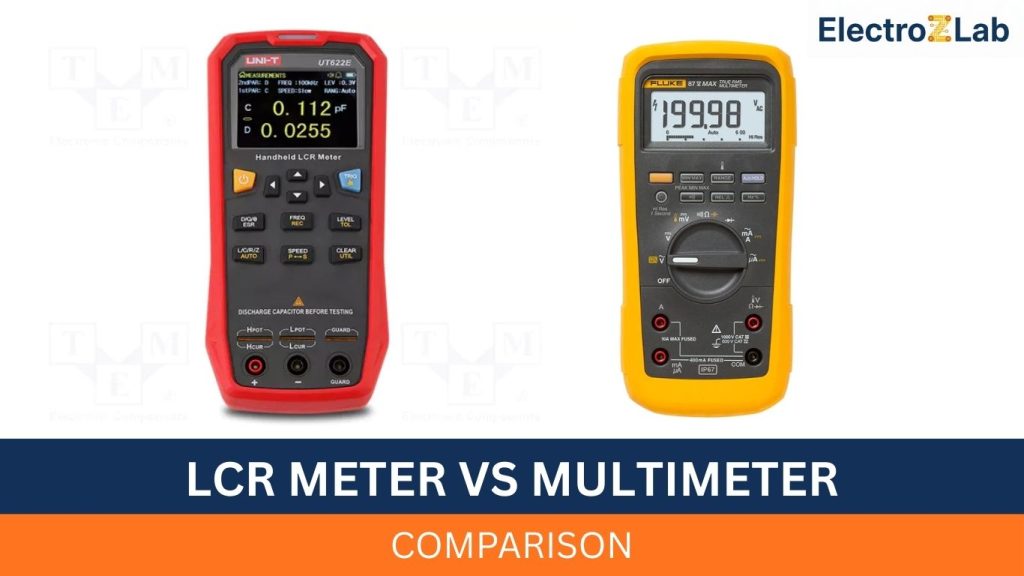
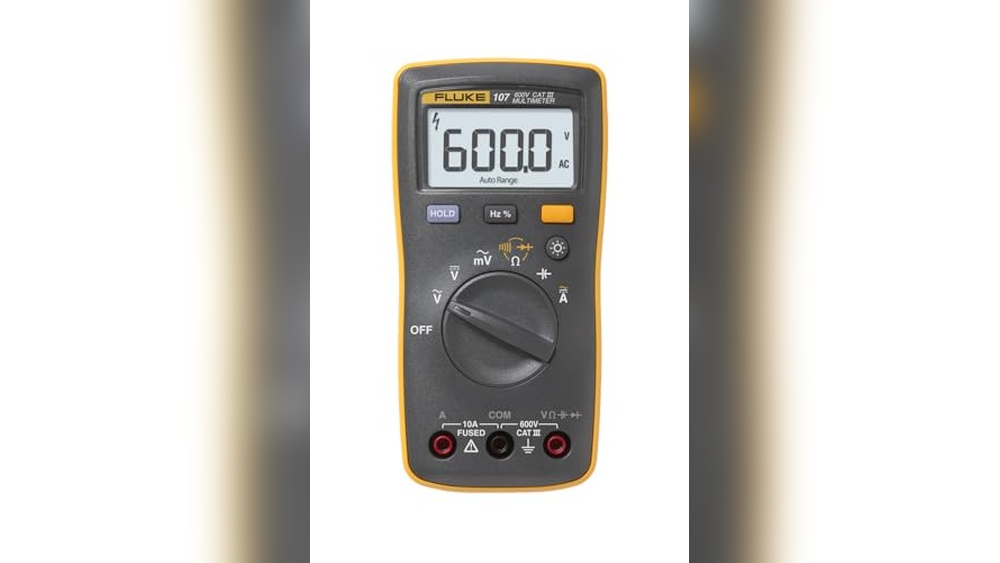
When choosing a handheld digital multimeter, the Fluke 107 and Fluke 15B+ are common options. Both serve well for electrical measurements but have distinct differences. The Fluke 107 offers a compact design with essential features, while the Fluke 15B+ provides a broader measurement range and slightly larger size.
The core difference lies in their measurement capabilities and size.
After reading, you will understand which model fits your practical needs better.
Quick Guide To Choosing Between Fluke 107 And 15b+
- Choose Fluke 107 Compact Multimeter if you need a smaller, lightweight tool for basic AC/DC voltage and current measurements.
- Pick Fluke 15B+ Multimeter when you require measurements up to 1000V and 10A for more demanding electrical tasks.
- Go with Fluke 107 if portability and simple capacitance and frequency tests are priorities.
- Fluke 15B+ is suitable for users who want continuity and diode testing with higher voltage support.
- Select Fluke 15B+ for a slightly larger device offering a more extensive range of measurement functions.
Using These Multimeters In Everyday Electrical Work
The Fluke 107 Compact Multimeter fits comfortably in hand, making it easy to carry around on job sites. Its backlit display and data hold feature help when working in low light or tight spaces. I found it convenient for quick checks of voltage, resistance, and basic current measurements.
The Fluke 15B+ Multimeter feels more robust and offers more measurement options, including higher voltage and current ranges. Its size means it’s less pocket-friendly but works well on a workbench or for detailed troubleshooting. It handles residential and commercial electrical tasks reliably.
Fluke 107 Compact Multimeter At A Glance

Where the Fluke 107 Excels
- Compact and lightweight design for portability
- Includes capacitance, frequency, and duty cycle measurements
- Backlit display helps in low-light conditions
- CAT III 600 V safety rating for common electrical environments
Areas Where the Fluke 107 Falls Short
- Lower maximum voltage and current measurement limits compared to 15B+
- Less suitable for heavy-duty industrial use
Fluke 15b+ Multimeter Overview

Where the Fluke 15B+ Fits Well
- Higher voltage and current measurement capability up to 1000V and 10A
- Good for residential and commercial electrical troubleshooting
- Includes continuity and diode testing functions
- CAT III 600 V safety rating for protection during work
Where the Fluke 15B+ May Struggle
- Larger and heavier than the Fluke 107, less portable
- Backlight not mentioned, which can affect use in dim areas
Comparing Practical Features Of Fluke 107 And 15b+
To decide between the Fluke 107 Compact Multimeter and the Fluke 15B+ Multimeter, I focused on daily usability, measurement range, size, and safety features. Both units handle common electrical tests well but differ in portability and voltage limits.
Here are the key points based on real-world use:
Measurement Range and Accuracy
How well does each device measure voltage and current for typical tasks?
| Aspect | Fluke 107 Compact Multimeter | Fluke 15B+ Multimeter |
|---|---|---|
| Max Voltage | CAT III 600 V rating | Measures up to 1000V AC/DC |
| Max Current | AC/DC current measurement (no specific max stated) | Up to 10A AC/DC current |
| Additional Functions | Frequency, duty cycle, capacitance | Continuity, diode, capacitance |
| Accuracy | Standard for handheld multimeters | Standard for handheld multimeters |
Ratings: Fluke 107 – 7/10 | Fluke 15B+ – 8/10
Edge: Fluke 15B+ suits those needing higher voltage and current ranges.
Portability and Size
Which multimeter is easier to carry and use in tight spaces?
| Aspect | Fluke 107 Compact Multimeter | Fluke 15B+ Multimeter |
|---|---|---|
| Weight | 0.44 pounds | 1.01 pounds |
| Dimensions | Smaller, more compact | Larger, bulkier |
| Display | Backlit for low light | No backlight mentioned |
Ratings: Fluke 107 – 8/10 | Fluke 15B+ – 6/10
Edge: Fluke 107 is better for portability and use in dim environments.
Safety Features
How do both devices protect the user during electrical testing?
| Aspect | Fluke 107 Compact Multimeter | Fluke 15B+ Multimeter |
|---|---|---|
| Safety Rating | CAT III 600 V | CAT III 600 V |
| Test Functions | Includes diode test, frequency | Includes diode and continuity test |
Ratings: Fluke 107 – 7/10 | Fluke 15B+ – 7/10
Edge: Both provide similar safety for common electrical tasks.
Ease of Use and Features
How intuitive are the multimeters and which features help daily work?
| Aspect | Fluke 107 Compact Multimeter | Fluke 15B+ Multimeter |
|---|---|---|
| Display | Backlit, data hold | No backlight, standard display |
| Measurement Types | Voltage, current, resistance, capacitance, frequency | Voltage, current, resistance, continuity, diode, capacitance |
| Weight | Lighter and easier for extended use | Heavier but with more test options |
Ratings: Fluke 107 – 7/10 | Fluke 15B+ – 7/10
Edge: Fluke 107 offers better visibility and ease for quick checks; 15B+ has more test functions.
Long-term Practicality And Trust In Daily Use
Both multimeters have a straightforward learning curve, suitable for anyone familiar with electrical measurements. The Fluke 107 stands out for its consistency in delivering reliable results with minimal fuss. Its compact form encourages frequent use without fatigue.
The Fluke 15B+ builds trust through its extended measurement range and durability. It offers peace of mind when working on higher voltage systems. Over time, users appreciate its robust construction and familiar layout that supports steady, accurate readings.
Choosing The Right Multimeter For Your Needs
Choose the Fluke 107 Compact Multimeter if you prioritize portability and easy handling for routine electrical checks. It suits professionals and hobbyists who need a reliable tool for general voltage, current, and capacitance measurements without extra bulk.
The Fluke 15B+ Multimeter is better for those who require a wider measurement range, including up to 1000V and 10A current. It fits tasks that demand more detailed diagnostics and is ideal for electricians working in residential or commercial settings.
Both are solid choices, and your decision depends on the balance between portability and measurement range you need.
Common Questions About Fluke 107 Vs 15b+ Multimeters
Can the Fluke 107 measure high voltage like the 15B+?
The Fluke 107 has a CAT III 600 V safety rating but does not measure up to 1000V like the 15B+. It is better suited for lower voltage tasks.
Is the Fluke 15B+ easier to carry around than the Fluke 107?
No, the Fluke 15B+ is larger and heavier, making the Fluke 107 more portable and convenient for fieldwork.
Do both multimeters have backlit displays?
The Fluke 107 includes a backlit display, helpful in low-light conditions. The Fluke 15B+ does not mention a backlight feature.
Which multimeter is better for capacitance measurements?
Both support capacitance testing, but the Fluke 107 also adds frequency and duty cycle measurements, offering slightly more options.
Are both multimeters safe to use in residential electrical work?
Yes, both have a CAT III 600 V safety rating, making them suitable for most residential and commercial electrical tasks.
Does the Fluke 15B+ offer continuity testing?
Yes, the Fluke 15B+ includes continuity and diode testing, which are not listed for the Fluke 107.
Which multimeter is better for beginners?
The Fluke 107’s compact design and simpler interface may be easier for beginners to handle. The 15B+ has more features but is bulkier.

I’m Asif Ur Rahman Adib, an Electrical Engineer and lecturer. My journey began in the lab, watching students struggle with instruments they used every day without fully understanding them. Over time, I’ve combined teaching, research, and hands-on experience to help others grasp electrical concepts clearly, safely, and practically—whether it’s understanding a circuit or mastering a multimeter.