Choosing between the Fluke 177 True-RMS and the Fluke 179 Multimeter depends on your specific testing needs.
The Fluke 177 is straightforward and reliable, while the Fluke 179 adds a backlight and built-in temperature measurement.
Imagine working in a dimly lit room or outdoors, where a backlit display helps you see readings clearly. Sometimes you need to measure not only electrical values but also temperature, without carrying extra tools. Both tools offer True-RMS readings for accuracy, but their features differ slightly. Understanding these differences helps you pick the right multimeter for your tasks.
This review will cover their strengths, weaknesses, and who each multimeter fits best.
Does The Fluke 177 True-rms Multimeter Meet Everyday Electrical Troubleshooting Needs?
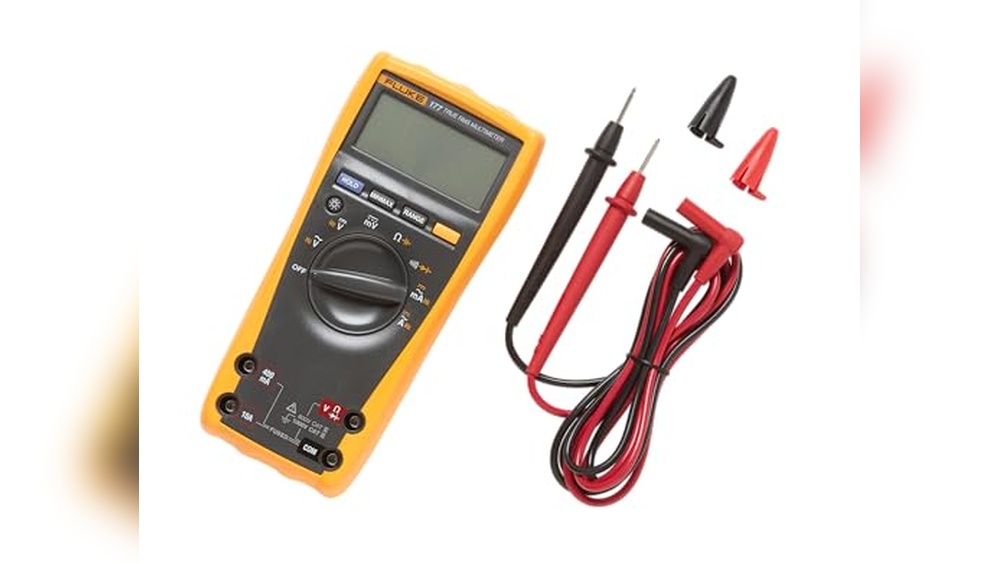
Yes, it does. The Fluke 177 offers reliable True-RMS readings with a clear digital and analog display. It focuses on essential features without added complexity.
In daily use, I found the Fluke 177 easy to navigate. Its auto hold and minimum/maximum reading features help capture values without rushing. The automatic shutoff saves battery life, but you can disable it when needed. The analog bar graph updates quickly, giving a good visual sense of changing signals. It’s compact and light, making it convenient to carry around on job sites or in a workshop.

Key technical features important for multi testers
- 6000 counts with fast digital and analog bar graph updates
- Auto and manual range selection for precise measurements
- Hold and auto hold functions to freeze readings easily
- Minimum, maximum, and average reading memory
- Automatic power-off feature to save battery
Everyday strengths for practical use
- Clear, easy-to-read display with analog bar graph
- Lightweight and compact for comfortable handling
- Simple controls, suitable for quick troubleshooting
- Stable readings with reliable True-RMS accuracy
- Quiet operation with beep alerts for new stable readings
Considerations before choosing this model
- No built-in backlight for use in low light
- Lacks temperature measurement capability
- Auto power-off may interrupt work if not disabled
Who benefits most from the Fluke 177 for day-to-day testing?
This multimeter suits electricians or technicians who want a straightforward True-RMS tool without extra functions. It simplifies measurements with fast response and a clear analog bar graph. Beginners appreciate its easy controls, while experienced users rely on its accuracy and portability.
A practical tip is to disable the auto power-off during prolonged testing to avoid interruptions. In my experience, the Fluke 177 offers peace of mind by delivering consistent readings in a compact form. It makes routine electrical checks less stressful and more efficient.
How Does The Fluke 179 Multimeter Support Advanced Measurement Needs?
It depends on your work environment and the need for extra features. The Fluke 179 adds a backlit display and built-in thermometer, which can be handy for varied tasks.
The backlight helps me read measurements clearly in dim or outdoor settings. Having temperature measurement built in means fewer tools to carry. The manual and auto-ranging options make it flexible for different tests. I found its analog bar graph responsive and helpful for tracking changes. Its slightly heavier build feels solid, which some users prefer for longer use.

Important capabilities for professional testers
- Backlit display for improved visibility in low-light areas
- Built-in thermometer with included thermocouple
- Manual and automatic ranging options
- True-RMS measurements for accurate AC readings
- Min/Max/Average recording and display hold features
Features that enhance daily work efficiency
- Clear analog bar graph alongside digital readout
- Durable build suitable for industrial environments
- Temperature measurement without extra tools
- Versatile measurement options including frequency and capacitance
- Auto hold and display hold assist in capturing stable readings
Potential compromises when using this model
- Heavier weight may be less convenient for extended handheld use
- Higher price point compared to simpler models
When the Fluke 179 suits your testing routine best
This model fits professionals who need multi-functionality in one device, especially those working in varied lighting and temperature conditions. It simplifies tasks by combining electrical and temperature measurements. Beginners can handle it but may find the extra features more useful as they gain experience.
To get the most out of it, always use the backlight in dim conditions for clearer readings. In my experience, the Fluke 179 brings confidence by reducing the need for additional instruments, helping users complete jobs efficiently and accurately.
How Fluke 177 And Fluke 179 Compare In Practical Electrical Testing Scenarios
I used both multimeters for common troubleshooting tasks, from checking voltage and current to measuring resistance and temperature. I paid attention to ease of use, visibility in different lighting, and feature usefulness. Both delivered accurate True-RMS readings, but their differences showed in convenience and versatility. Handling and display clarity were notable factors during extended use.
Which device is easier to use in low-light or tricky conditions?
The Fluke 179’s backlit display makes it better for dim environments, while the Fluke 177 lacks this feature and may require additional light sources.
| Metric | Fluke 177 | Fluke 179 |
|---|---|---|
| Backlit Display | No | Yes |
| Display Clarity in Low Light | Limited | Good |
| Weight | Light (0.004 lbs) | Heavier (0.66 lbs) |
Rating: The Fluke 179 is more practical for low-light work. The Fluke 177 suits well-lit environments.
Edge: Choose Fluke 179 if you often work in darker places or outdoors.
How do both models handle temperature measurements?
The Fluke 179 includes a built-in thermometer with thermocouple, useful for tasks involving heat. The Fluke 177 has no temperature feature.
| Metric | Fluke 177 | Fluke 179 |
|---|---|---|
| Temperature Measurement | No | Yes, built-in |
| Included Thermocouple | No | Yes |
| Measurement Types | Electrical only | Electrical + Temperature |
Rating: The Fluke 179 provides added versatility with temperature readings. The Fluke 177 focuses on electrical testing.
Edge: Pick Fluke 179 if you need temperature data alongside electrical tests.
What about measurement range and accuracy features?
Both meters offer True-RMS measurements and auto ranging. The Fluke 177 updates its display faster digitally and analogically, while Fluke 179 balances speed with extra functions.
| Metric | Fluke 177 | Fluke 179 |
|---|---|---|
| True-RMS | Yes | Yes |
| Auto Ranging | Yes | Yes |
| Display Update Speed | Fast (4x digital, 40x analog) | Moderate |
Rating: Both provide accurate readings; Fluke 177’s faster updates may suit dynamic measurements better. Fluke 179’s extra features offer more utility.
Edge: Choose Fluke 177 for quick readings, Fluke 179 for multi-function needs.
How do portability and handling compare?
The Fluke 177 is very lightweight and compact, easy to carry all day. The Fluke 179 is heavier but feels robust and sturdy.
| Metric | Fluke 177 | Fluke 179 |
|---|---|---|
| Weight | 0.004 pounds | 0.66 pounds |
| Dimensions | Compact | Similar size, heavier |
| Build Feel | Light and portable | Robust and solid |
Rating: Fluke 177 is more portable. Fluke 179 offers durability at the cost of some weight.
Edge: If lightness is a priority, Fluke 177 is better; for rugged use, Fluke 179 fits well.
How do price and value compare for these multimeters?
The Fluke 177 usually costs slightly more than the Fluke 179 after discounts, but the difference is small. The 179 offers more features for a competitive price.
| Metric | Fluke 177 | Fluke 179 |
|---|---|---|
| Current Price | $390.35 | $351.98 |
| Original Price | $478.99 | $509.99 |
| Discount Percentage | 19% | 31% |
Rating: Fluke 179 offers more features at a lower current price. Fluke 177 is slightly pricier but simpler.
Edge: For budget-conscious buyers wanting features, Fluke 179 is attractive; for basic testing, Fluke 177 remains reliable.
Choosing Between The Fluke 177 And 179 For Your Testing Needs
If you want a reliable, straightforward True-RMS multimeter with a quick display and simple operation, the Fluke 177 is a solid choice. It works well for electricians and technicians who need fast, accurate readings without extra frills. Its light weight and clear analog bar graph help when you need to work efficiently in well-lit environments.
The Fluke 179 suits those who require additional capabilities like a backlit screen and integrated temperature measurement. It’s better for industrial settings or varied lighting conditions and tasks involving temperature. Its robust build and versatile features make it ideal for users who want one tool to handle more scenarios. Beginners can learn easily, but it shines for experienced users who appreciate extra functions.
Both multimeters offer dependable performance; your choice depends on which features fit your daily work best.
Common Questions About Fluke 177 Vs 179 For Practical Users
Can the Fluke 177 measure temperature like the Fluke 179?
No, the Fluke 177 does not include temperature measurement. The Fluke 179 has a built-in thermometer and thermocouple for temperature readings.
Is the Fluke 179’s backlight useful for outdoor work?
Yes, the backlit display on the Fluke 179 makes it easier to read measurements in low-light or outdoor conditions, which is something the Fluke 177 lacks.
Do both multimeters provide True-RMS readings?
Yes, both the Fluke 177 and Fluke 179 offer True-RMS measurements, ensuring accurate AC voltage and current readings.
Which model is better for beginners?
The Fluke 177’s simpler interface might be easier for beginners, but the Fluke 179 is also user-friendly and offers more features to grow into.
How long do the batteries last in each multimeter?
Both models have automatic power-off features to extend battery life, but you can disable this on the Fluke 177 if needed. Actual battery life depends on usage.

I’m Asif Ur Rahman Adib, an Electrical Engineer and lecturer. My journey began in the lab, watching students struggle with instruments they used every day without fully understanding them. Over time, I’ve combined teaching, research, and hands-on experience to help others grasp electrical concepts clearly, safely, and practically—whether it’s understanding a circuit or mastering a multimeter.