Comparing two popular clamp meters for electricians.
The Fluke 323 and Fluke 325 differ mainly in measurement features and price.
Imagine working on residential wiring or commercial electrical systems.
You want a reliable tool to check current and voltage quickly.
Sometimes you need extra measurements like temperature or capacitance.
This comparison will help you understand which meter fits your daily needs.
How Practical Is The Fluke 323 For Everyday Electrical Tasks?
Yes, the Fluke 323 works well for basic AC current and voltage measurements.
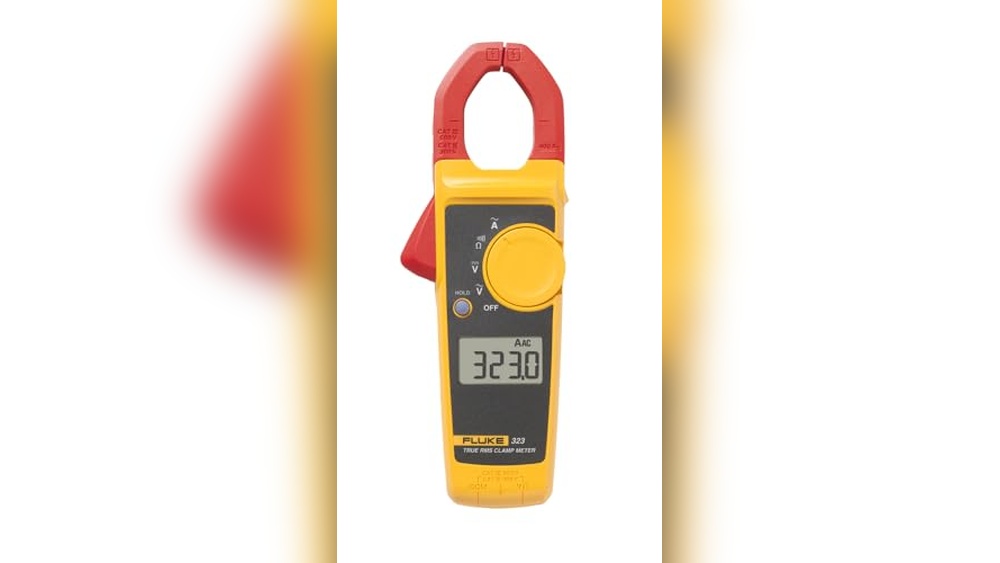
This clamp meter covers essentials like AC current up to 400 amps and AC/DC voltage up to 600 volts. It also measures resistance and continuity, which helps when troubleshooting circuits. I found it reliable for quick checks without unnecessary extras.

Key features that matter for electricians
- Measures AC current up to 400 amps
- AC and DC voltage measurement to 600 volts
- Resistance measurement with continuity detection
- True RMS sensing for accurate readings
- Jaw opening fits conductors up to 30 mm
- Safety rated for CAT IV 300V and CAT III 600V
What this clamp meter handles well
- Quick and easy current measurements without circuit interruption
- Clear audible continuity alerts when circuits conduct
- Simple to operate with clear digital display
- Compact and lightweight design
- Includes soft carrying case for transport
Considerations before choosing the 323
- Does not measure DC current
- Lacks advanced functions like frequency or temperature
- Not suited for users needing capacitance or temperature readings
Good choice for straightforward electrical work
This meter suits electricians focused on standard AC current and voltage checks. It simplifies daily tasks by providing reliable, no-frills measurements. Beginners will find it easy to use, while experienced users appreciate its accuracy for basic jobs. A practical tip is to verify conductor size before clamping to ensure fit. In my experience, it offers peace of mind with solid safety ratings and dependable performance.
What Extra Capabilities Does The Fluke 325 Bring To Electrical Measurements?
It depends on whether you need more than basic current and voltage readings.
The Fluke 325 adds features like frequency, temperature, and capacitance measurements. These are useful for advanced diagnostics and troubleshooting. I’ve used it when working on HVAC systems where temperature and frequency readings matter.

Advanced measurement options for professional use
- True RMS AC current and voltage
- Measures DC voltage and resistance
- Includes frequency measurement
- Temperature readings via thermocouple input
- Capacitance measurement capability
- Safety ratings for CAT IV 300V and CAT III 600V
Strengths that support complex tasks
- Versatile measurements for HVAC and electronics
- Accurate readings on non-linear loads
- Comfortable jaw size for various conductor diameters
- Robust build quality for field use
- Clear display with multiple functions accessible
Trade-offs to keep in mind
- Higher price point compared to basic clamp meters
- More complex interface might require learning time
- Heavier than simpler models
Ideal for users needing multifunctional testing tools
The Fluke 325 is best for electricians and technicians who require more than current and voltage checks. It makes diagnostics easier by combining several measurements in one device. Beginners might find it slightly more complex but experienced users will value the extra capabilities. My tip: spend time getting familiar with the additional functions to maximize its use. In my experience, it brings confidence when working on diverse electrical tasks.
Real-world Comparison Of Fluke 323 Clamp Meter And Fluke 325 For Electricians
I used both meters on typical electrical jobs, including residential wiring and some HVAC system checks. The 323 worked well for quick current and voltage tests. The 325 offered extra data like temperature, which helped in certain troubleshooting. I noted the user interface and portability differences while comparing their performance side by side.
How do the measurement capabilities differ between the two meters?
The Fluke 323 covers essential AC current and voltage with resistance, but no DC current or advanced functions. The Fluke 325 adds frequency, temperature, and capacitance, expanding its usefulness for complex diagnostics.
| Metric | Fluke 323 Clamp Meter | Fluke 325 True-RMS Clamp Meter |
|---|---|---|
| AC Current | Up to 400 A | Up to 400 A |
| DC Current | No | No |
| Voltage (AC/DC) | Up to 600 V | Up to 600 V |
| Resistance | Yes | Yes |
| Frequency | No | Yes |
| Temperature | No | Yes |
| Capacitance | No | Yes |
Rating: 323 is solid for basics, 325 excels with extras.
Edge: Choose 323 for standard electrical work; 325 if you need broader testing.
Which meter offers better ease of use and portability on job sites?
Both meters are similar in size and weight, but the 323’s simpler interface makes it easier to use quickly. The 325 has more functions, which adds complexity but also versatility.
| Metric | Fluke 323 Clamp Meter | Fluke 325 True-RMS Clamp Meter |
|---|---|---|
| Weight (pounds) | 0.66 | 0.65 |
| Dimensions (inches) | 8 x 3 x 2 (approx.) | Similar size |
| Interface Complexity | Simple | Moderate |
| Portability | Very portable | Portable but heavier feel |
Rating: 323 is easier for quick checks; 325 requires more handling.
Edge: 323 suits quick jobs; 325 fits detailed inspections.
How do safety ratings compare for electrical environments?
Both meters meet important IEC safety standards and have ratings suitable for residential and commercial environments. This provides peace of mind when working on various installations.
| Metric | Fluke 323 Clamp Meter | Fluke 325 True-RMS Clamp Meter |
|---|---|---|
| IEC Safety Standard | 61010-1 | 61010-1 |
| CAT IV Rating | 300 V | 300 V |
| CAT III Rating | 600 V | 600 V |
Rating: Both meters provide strong safety features.
Edge: Safety ratings are equal, so choose based on features.
What about price and value for everyday users?
The Fluke 323 is more affordable and suits users who don’t need advanced measurements. The Fluke 325 costs more but brings extra functions that justify the price for professionals needing them.
| Metric | Fluke 323 Clamp Meter | Fluke 325 True-RMS Clamp Meter |
|---|---|---|
| Current Price | $142.26 | $333.26 |
| Warranty | 2 Years | Standard |
| Included Accessories | Soft Carrying Case | Not Specified |
Rating: 323 offers good value for basic needs.
Edge: 323 suits budget-conscious buyers; 325 fits those needing multifunctionality.
Choosing Between Fluke 323 And 325 Based On Your Electrical Work Needs
If your work focuses on standard AC current and voltage measurements, the Fluke 323 is practical and straightforward. It’s ideal for electricians who want an easy-to-use tool that covers the essentials without extra complexity. This meter simplifies daily checks and offers solid safety features, making it a dependable choice.
The Fluke 325 fits professionals who require more detailed diagnostics, including frequency, temperature, and capacitance readings. It suits those handling HVAC systems or electronics where multiple measurements matter. Though pricier and slightly more complex, it provides versatile functionality in one device.
Both meters are reliable, so your choice depends on your measurement needs and budget.
Common Questions About Fluke 323 Vs 325 For Electricians
Can the Fluke 323 measure DC current?
No, the Fluke 323 cannot measure DC current. It only measures AC current up to 400 amps. For DC current measurements, other models are needed.
Does the Fluke 325 provide temperature readings?
Yes, the Fluke 325 includes temperature measurement via a thermocouple input. This is useful for HVAC and certain electrical applications.
Are both meters safe to use on commercial installations?
Both meters meet IEC safety standards with CAT IV 300V and CAT III 600V ratings. This makes them suitable for commercial and residential electrical work.
Which meter is better for beginners?
The Fluke 323 is simpler and easier to use, making it better for beginners. The Fluke 325 has more features and might require some learning time.
Is the price difference between these meters justified?
The Fluke 323 is more affordable and covers basic needs well. The Fluke 325 costs more but adds valuable functions for advanced diagnostics, which can be worth the investment for professionals.

I’m Asif Ur Rahman Adib, an Electrical Engineer and lecturer. My journey began in the lab, watching students struggle with instruments they used every day without fully understanding them. Over time, I’ve combined teaching, research, and hands-on experience to help others grasp electrical concepts clearly, safely, and practically—whether it’s understanding a circuit or mastering a multimeter.