Choosing the right digital multimeter matters for everyday electrical tasks.
The Fluke 117 and 15B+ differ mainly in advanced features and measurement ranges.
Imagine working on home wiring or fixing a broken appliance. You need reliable readings without fuss. Sometimes you face dim lighting or tricky voltage types. Other times, you want a simple tool that covers basic electrical checks. These multimeters handle these situations differently. This article will help you understand their practical differences.
How Does The Fluke 117 Digital Multimeter Handle Complex Electrical Tasks?
Yes, the Fluke 117 is designed for quick and accurate measurements with some advanced features.
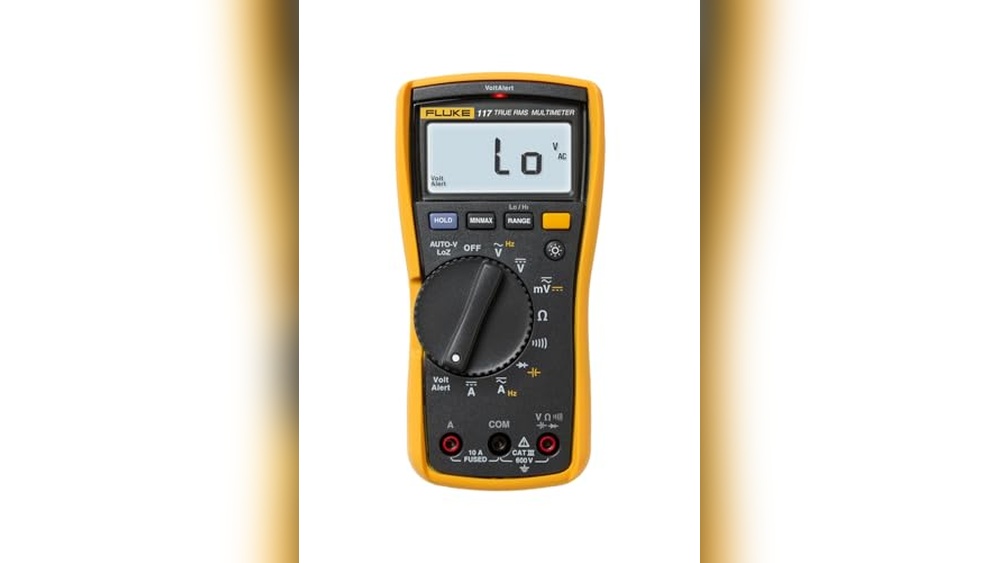
It has VoltAlert technology for non-contact AC voltage detection which helps avoid accidental contact. AutoVolt automatically switches between AC and DC voltage, saving time. Its low input impedance reduces ghost voltage errors, which I found helpful on complex circuits. The bright white LED backlight makes working in dark spots easier. Overall, it’s a solid choice for electricians who want reliable readings with practical extras.

Key features that enhance electrical troubleshooting
- VoltAlert non-contact AC voltage detection
- AutoVolt automatic AC/DC voltage selection
- Low input impedance to prevent false readings
- Large white LED backlight for dark environments
- True RMS for accurate readings on non-linear loads
Where the Fluke 117 performs smoothly
- Detecting live wires safely without probes
- Working in poorly lit spaces thanks to backlight
- Handling both AC and DC voltage easily
- Reducing false readings on complex circuits
- Long battery life without backlight
Considerations before choosing the Fluke 117
- Higher price compared to basic models
- Limited current measurement capability
- Size may feel compact for some users
When the Fluke 117 is the practical choice
The Fluke 117 is best for electricians and serious DIYers who often deal with complex wiring and need quick voltage detection. It simplifies work by reducing guesswork and false readings. Beginners can also use it, but it shines with more experience. In my experience, its VoltAlert feature adds safety and confidence when inspecting circuits. A practical tip: use the low impedance mode when you suspect ghost voltage. It provides peace of mind knowing your readings are accurate.
What Makes The Fluke 15b+ Suitable For Straightforward Electrical Measurements?
It depends on your measurement needs, but the Fluke 15B+ covers essential tasks reliably.
This multimeter measures AC/DC voltage and current up to 1000V and 10A, which covers most household and automotive jobs. It includes resistance, continuity, diode, and capacitance checks. The CAT III 600V safety rating adds protection during common electrical work. I found it straightforward to use with clear readings and a comfortable grip. It doesn’t have advanced features like non-contact detection, but its solid basics work well for many users.

Features that support basic electrical diagnostics
- Measures AC/DC voltage and current up to 1000V/10A
- Resistance, continuity, diode, and capacitance tests
- CAT III 600V safety rating for electrical system work
- Simple interface and easy-to-read display
- Input terminal for current measurements up to 10A
Strengths in everyday electrical troubleshooting
- Accurate voltage and current measurement for household circuits
- Durable design for routine use
- Suitable for automotive and commercial equipment checks
- Clear dial and buttons for fast operation
- Lightweight and easy to hold
Limitations to consider with the Fluke 15B+
- No non-contact voltage detection feature
- Lacks automatic AC/DC voltage selection
- Backlight is not included
Who benefits most from the Fluke 15B+
The Fluke 15B+ fits those who need a reliable, no-frills multimeter for common electrical tasks. It helps users quickly diagnose voltage and current without extra features getting in the way. Beginners will appreciate its simplicity, while experienced users may find it a dependable backup tool. In my experience, keeping it in the toolbox ensures readiness for most jobs. A useful tip: always check the safety rating before starting work. This multimeter gives peace of mind with solid protection.
Real-world Use Insights Comparing Fluke 117 And 15b+ Multimeters
I tested both multimeters during routine electrical repairs and troubleshooting. The Fluke 117’s non-contact voltage feature stood out in busy environments. The 15B+ proved straightforward for quick current and voltage checks. Both handled resistance and continuity well. I compared usability, features, and reliability under typical working conditions.
Which model offers safer voltage detection?
The Fluke 117 includes VoltAlert for non-contact voltage detection, adding safety when checking live wires. The 15B+ requires probe contact for all measurements.
| Metric | Fluke 117 Digital Multimeter | Fluke 15B+ Digital Multimeter |
|---|---|---|
| Non-contact voltage detection | Yes | No |
| Safety rating | CAT III 600V | CAT III 600V |
| Auto AC/DC selection | Yes | No |
Ratings: Fluke 117 has safer detection for live voltage. 15B+ has standard safety features.
Edge: Fluke 117 is better for users prioritizing voltage detection safety.
How do they compare on measurement capabilities?
Both measure voltage, resistance, continuity, and capacitance. The 15B+ adds current measurement up to 10A, which the 117 lacks.
| Metric | Fluke 117 Digital Multimeter | Fluke 15B+ Digital Multimeter |
|---|---|---|
| Voltage measurement range | Up to 600mV DC (low range), auto AC/DC | Up to 1000V AC/DC |
| Current measurement | No | Up to 10A AC/DC |
| Resistance & continuity | Yes | Yes |
Ratings: 15B+ offers broader voltage and current ranges. 117 focuses on voltage detection features.
Edge: 15B+ suits users needing current measurements alongside voltage.
Which device is easier to use in low light or tight spaces?
The Fluke 117 has a bright white LED backlight, aiding visibility. The 15B+ lacks a backlight feature.
| Metric | Fluke 117 Digital Multimeter | Fluke 15B+ Digital Multimeter |
|---|---|---|
| Backlight availability | Yes, large white LED | No |
| Size and weight | Compact, 1.2 lbs | Larger, 1.0 lbs |
Ratings: Fluke 117 offers better visibility in dark areas.
Edge: Fluke 117 is preferable for work in dim or cramped conditions.
How do they differ in price and value?
The Fluke 117 is priced higher, reflecting its advanced features. The 15B+ is more affordable while covering essential functions.
| Metric | Fluke 117 Digital Multimeter | Fluke 15B+ Digital Multimeter |
|---|---|---|
| Current price | $216.62 | $114.92 |
| Original price | $304.99 | $135.99 |
| Discount | 29% | 15% |
Ratings: 15B+ offers good value for basic needs. 117 costs more but adds convenience.
Edge: 15B+ fits budget-conscious buyers requiring solid basics.
Choosing Between Fluke 117 And 15b+ For Your Electrical Work
If you want a multimeter with non-contact voltage detection, automatic AC/DC selection, and better visibility for detailed electrical tasks, the Fluke 117 suits you. It’s ideal for professionals and serious DIYers who need safety and accuracy in complex environments.
For straightforward, essential electrical measurements, including current readings up to 10A, the Fluke 15B+ is a dependable choice. It fits those who prioritize simplicity and budget without losing essential features for home and automotive work.
Both are reliable tools, so choose based on your specific measurement needs and work conditions.
Common Questions About Fluke 117 Vs 15b+ Multimeters Answered
Can the Fluke 15B+ detect voltage without touching wires?
No, the 15B+ requires probe contact for voltage measurements. Only the Fluke 117 has non-contact voltage detection.
Which multimeter is better for measuring current?
The Fluke 15B+ measures AC/DC current up to 10 amps. The Fluke 117 does not support current measurements.
Is the Fluke 117 easier to use in dark or confined spaces?
Yes, the Fluke 117 has a bright white LED backlight, making it easier to read in low light. The 15B+ lacks backlighting.
Do both multimeters have the same safety rating?
Both have a CAT III 600V safety rating, suitable for residential and commercial electrical work.
Which is better for beginners starting with electrical troubleshooting?
The Fluke 15B+ is simpler and covers basic measurements well, making it a good option for beginners. The Fluke 117 offers extra features that may benefit users as they gain experience.

I’m Asif Ur Rahman Adib, an Electrical Engineer and lecturer. My journey began in the lab, watching students struggle with instruments they used every day without fully understanding them. Over time, I’ve combined teaching, research, and hands-on experience to help others grasp electrical concepts clearly, safely, and practically—whether it’s understanding a circuit or mastering a multimeter.