Are you struggling to choose between an insulation tester and a multimeter for your electrical projects? You’re not alone.
Picking the right tool can save you time, money, and frustration. But how do you know which one fits your needs best? This article will clear up the confusion and help you make a smart choice. By the end, you’ll understand exactly when to use each device—and why it matters for your safety and success.
Keep reading to get the answers you’ve been looking for.
Insulation Tester Basics
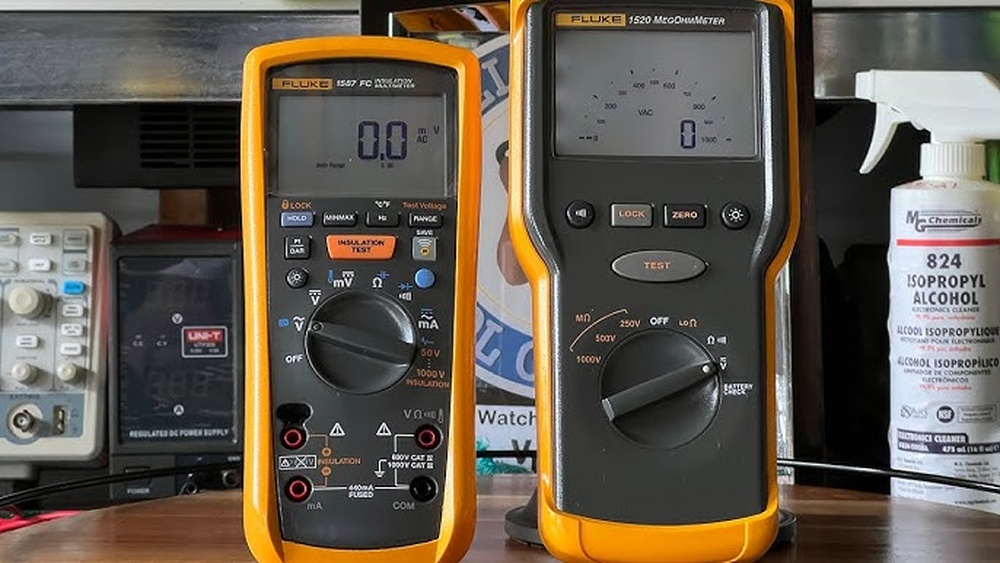
An insulation tester is a special tool used to check the quality of electrical insulation. It helps find weak spots and damage in wires and devices. Understanding its basics makes it easier to choose the right tool for electrical work.
Purpose And Function
An insulation tester measures the resistance of electrical insulation. It uses high voltage to test if the insulation blocks electricity well. Low resistance means poor insulation or damage. This tool ensures safety and prevents electrical shocks and fires.
Common Features
Most insulation testers have a digital screen to show resistance values. They include a test button to start the measurement. Some models show battery status and error messages. Many have a strong case to protect from drops and dust.
Typical Applications
Electricians use insulation testers to check wires in homes and factories. They test motors, cables, transformers, and switchgear. Maintenance teams use them to find problems before they cause failures. They help keep electrical systems safe and reliable.

Credit: www.youtube.com
Multimeter Essentials
A multimeter is a vital tool for anyone working with electrical systems. It measures different electrical values, helping users diagnose and fix issues quickly. Understanding its basics helps you choose the right tool for your needs. This section covers the essentials of multimeters, their types, and common uses.
Core Functions
Multimeters measure voltage, current, and resistance. Voltage tells how strong the electrical force is. Current shows the flow of electricity. Resistance checks how much a material slows down electricity. Some multimeters test continuity to find broken wires. These functions help detect problems in circuits fast.
Types Of Multimeters
There are two main types: analog and digital. Analog multimeters use a needle and dial to show readings. Digital multimeters display numbers on a screen. Digital models are easier to read and more accurate. Some advanced versions include extra features like temperature or capacitance measurement.
Usage Scenarios
Electricians use multimeters for installing and repairing circuits. Hobbyists test batteries and electronic devices. Homeowners check outlets and troubleshoot appliances. Multimeters help ensure safety and proper function in many situations. They offer quick, reliable information for electrical work of all kinds.
Measurement Differences
Understanding the measurement differences between an insulation tester and a multimeter helps pick the right tool. Each device measures electrical properties but focuses on different aspects. This section explains how they differ in voltage, current, and resistance testing.
Voltage And Current Testing
A multimeter measures voltage and current in circuits easily. It shows AC and DC voltage levels. It can also measure current flow through wires. Insulation testers do not measure current or standard voltage. They focus on high voltage for insulation testing only.
Resistance Measurement
Multimeters measure resistance to check if wires or components are connected. This resistance is usually low to moderate. Insulation testers measure very high resistance values. This helps find tiny leaks in insulation that multimeters cannot detect.
Insulation Resistance Testing
Insulation testers apply high voltage to test insulation strength. They measure resistance between conductors and ground. This ensures safety and prevents electrical shocks. Multimeters cannot perform this test because they use low voltage. Insulation testers are essential for electrical safety checks.

Credit: www.fluke.com
Accuracy And Precision
Accuracy and precision are key factors in testing electrical components. They ensure the readings reflect the true condition of the material or circuit. Both insulation testers and multimeters measure electrical properties, but their accuracy and precision differ. Understanding these differences helps choose the right tool for specific tasks.
Test Range Comparison
Insulation testers measure high resistance values, often in megaohms. They detect small leakages that multimeters might miss. Multimeters measure a wide range of values but are less precise at very high resistances. Insulation testers provide more reliable results for insulation checks. Multimeters work better for general electrical measurements like voltage and current.
Impact On Results
Accurate readings prevent false diagnoses of electrical faults. Using a multimeter for insulation testing can give inaccurate low resistance readings. This can cause unnecessary repairs or safety risks. Insulation testers give consistent results for insulation health. Precision improves maintenance quality and safety in electrical systems.
Calibration Needs
Both tools require regular calibration to keep accuracy high. Insulation testers need calibration for high resistance ranges. Multimeters need calibration for voltage, current, and resistance settings. Calibration ensures measurements stay reliable over time. Proper calibration extends the life and trustworthiness of the tools.
Safety Features
Safety features are critical in electrical testing tools. Both insulation testers and multimeters include important safety elements. These features protect users from electric shocks and device damage. Understanding these features helps users choose the right tool for their tasks.
Built-in Protections
Insulation testers have built-in protections like overload guards. These prevent damage from high voltage spikes. Multimeters also include fuses and input protection circuits. These stop current from flowing through the device incorrectly. Such protections help keep the tools safe and reliable.
Handling High Voltages
Insulation testers handle much higher voltages than multimeters. They are designed to test insulation resistance safely. Their circuits isolate the user from dangerous voltages. Multimeters usually measure lower voltages and currents. Using a multimeter for high voltage testing can be risky.
User Safety Tips
Always check the device’s voltage rating before use. Wear insulated gloves and use dry hands during testing. Never touch test probes while measuring live circuits. Follow the manufacturer’s instructions carefully. These steps reduce the risk of electric shock and injury.
Choosing The Right Tool
Choosing the right tool between an insulation tester and a multimeter depends on your specific needs. Both tools serve different purposes and offer unique features. Picking the correct one ensures accurate results and saves time.
Task Requirements
Identify what you need to measure. An insulation tester checks insulation resistance in wires and cables. A multimeter measures voltage, current, and resistance. For electrical safety tests, an insulation tester is best. For general electrical work, a multimeter works well.
Budget Considerations
Insulation testers tend to cost more than multimeters. Consider how often you will use the tool. For occasional use, a multimeter might be enough. For regular insulation testing, investing in a quality insulation tester is wise. Balance cost with your testing needs.
Ease Of Use
Multimeters are generally simpler to use. They have clear displays and straightforward functions. Insulation testers may have more settings and require careful handling. Choose the tool that matches your skill level. Easy-to-use tools help avoid errors and increase efficiency.
Maintenance And Care
Proper maintenance and care extend the life of your insulation tester and multimeter. Both tools need attention to stay accurate and reliable. Neglect can cause errors and damage. Simple steps keep your devices in top shape and ready for use.
Regular Checks
Inspect your tools before and after each use. Check the display and buttons for damage. Test the battery level to avoid sudden shutdowns. Verify the accuracy by comparing readings with a known standard. Clean the test leads and connections for better contact.
Storage Tips
Store your insulation tester and multimeter in a dry, cool place. Avoid direct sunlight or extreme temperatures. Use a protective case to prevent dust and physical damage. Keep the test leads coiled neatly to avoid breaks. Remove batteries if storing for a long time to prevent leaks.
Troubleshooting Common Issues
Low or inconsistent readings often signal dirty or damaged leads. Replace worn-out test leads promptly. If the device does not turn on, check the battery and replace if needed. Reset the tool if it freezes or behaves oddly. Consult the user manual for error codes and solutions.

Credit: ennologic.com
Frequently Asked Questions
What Is The Main Difference Between Insulation Tester And Multimeter?
An insulation tester measures insulation resistance in electrical systems. A multimeter measures voltage, current, and resistance in circuits. Insulation testers focus on safety checks, while multimeters handle general electrical diagnostics.
When Should I Use An Insulation Tester Instead Of A Multimeter?
Use an insulation tester to check cable insulation and motor windings. Multimeters are for routine electrical measurements. Insulation testers detect leaks and prevent electrical hazards effectively.
Can A Multimeter Measure Insulation Resistance Accurately?
No, multimeters cannot measure high insulation resistance accurately. Insulation testers provide precise readings in megaohms, essential for safety testing. Multimeters are limited to lower resistance ranges.
Is An Insulation Tester Necessary For Home Electrical Inspections?
Yes, insulation testers are vital for thorough home electrical safety checks. They detect potential insulation failures that multimeters might miss. This helps prevent electrical shocks and fire hazards.
Conclusion
Both insulation testers and multimeters measure electrical properties. Each tool has a clear purpose. Insulation testers check wire and cable insulation strength. Multimeters measure voltage, current, and resistance in circuits. Choosing the right tool depends on your task. Use an insulation tester for safety checks.
Use a multimeter for general electrical troubleshooting. Knowing their differences helps you work safely and effectively. Keep both tools handy for different jobs. Understanding their roles makes your work easier. Simple tools, big help.

I’m Asif Ur Rahman Adib, an Electrical Engineer and lecturer. My journey began in the lab, watching students struggle with instruments they used every day without fully understanding them. Over time, I’ve combined teaching, research, and hands-on experience to help others grasp electrical concepts clearly, safely, and practically—whether it’s understanding a circuit or mastering a multimeter.