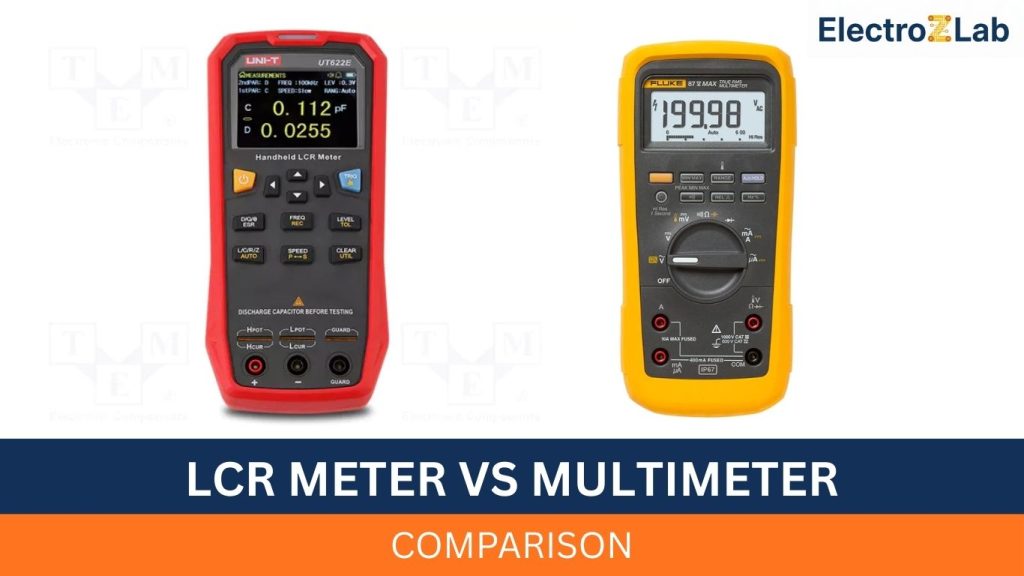
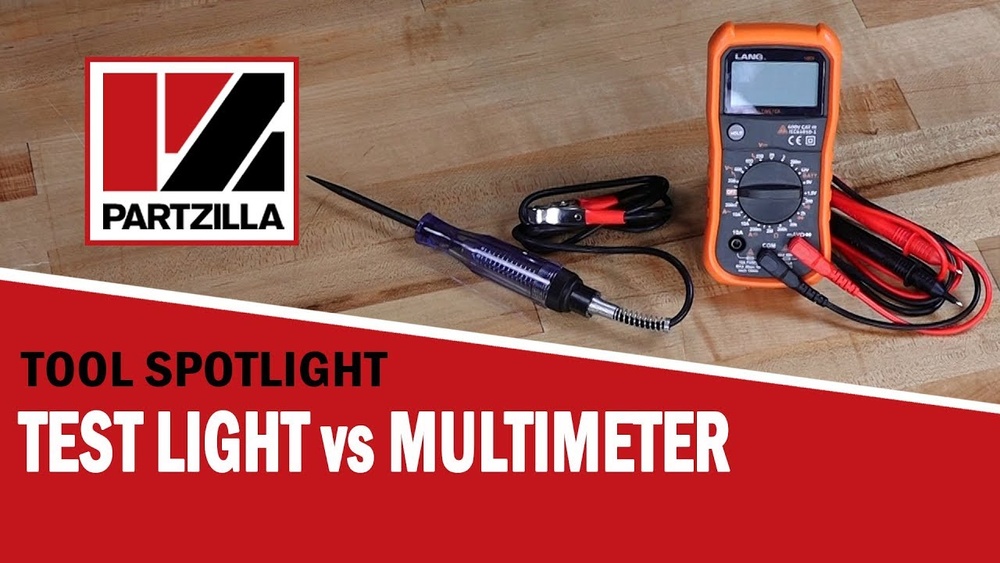
Are you trying to figure out whether a test light or a multimeter is the right tool for your electrical projects? Choosing between these two can be confusing, especially if you’re not sure what each one does best.
Your time and effort matter, so knowing which tool fits your needs can save you frustration and mistakes. Keep reading, and you’ll discover the key differences that will help you make the smartest choice for your work. By the end, you’ll feel confident picking the right tool every time.
Credit: www.partzilla.com
Test Light Basics
Understanding the basics of a test light helps in choosing the right tool for electrical work. A test light is simple but useful for checking electrical circuits quickly. It shows if electricity flows through a wire or component.
Using a test light can save time in vehicle repairs and basic electrical tests. It gives clear results without complex settings. This section breaks down what a test light is, its features, and why it is helpful.
What Is A Test Light
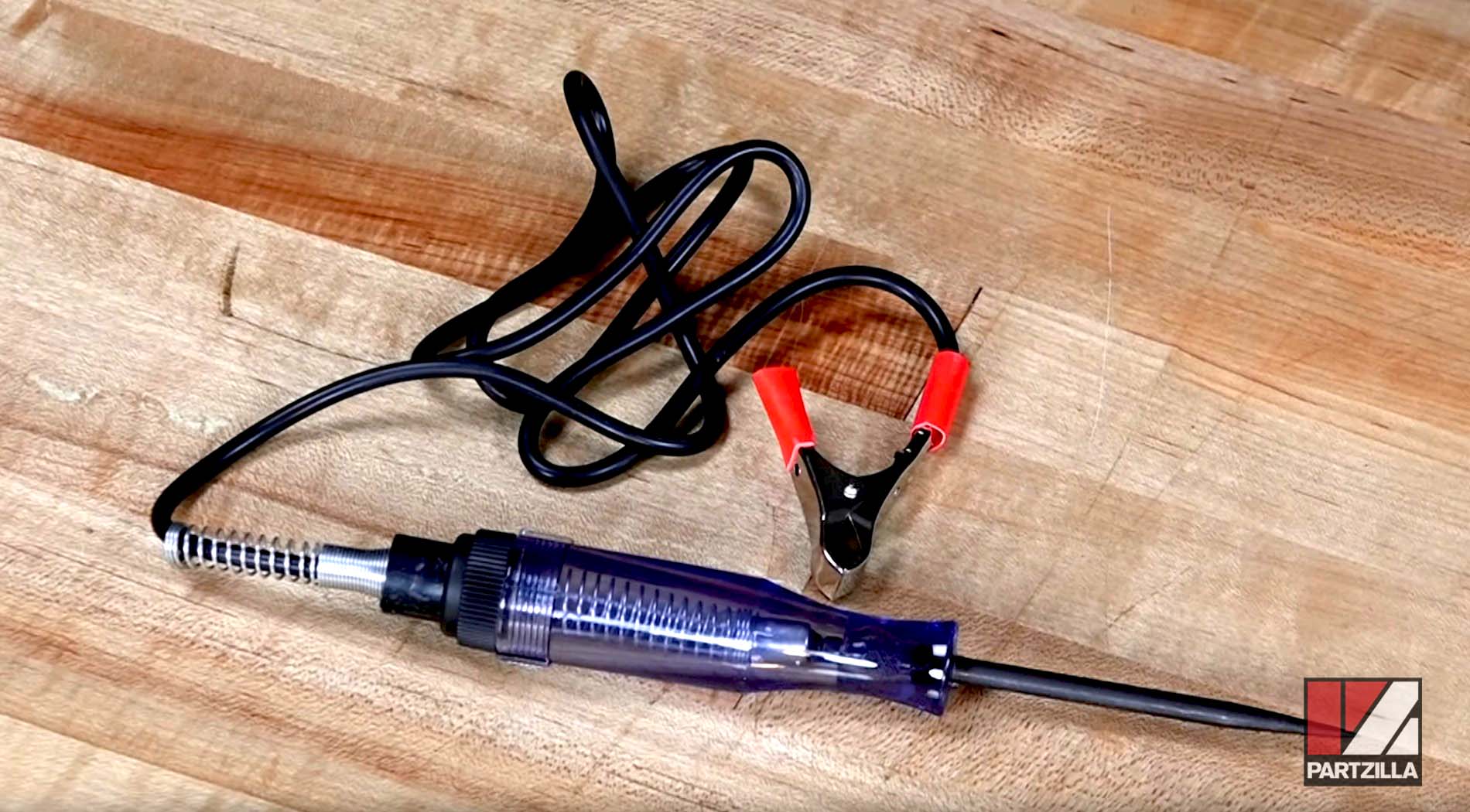
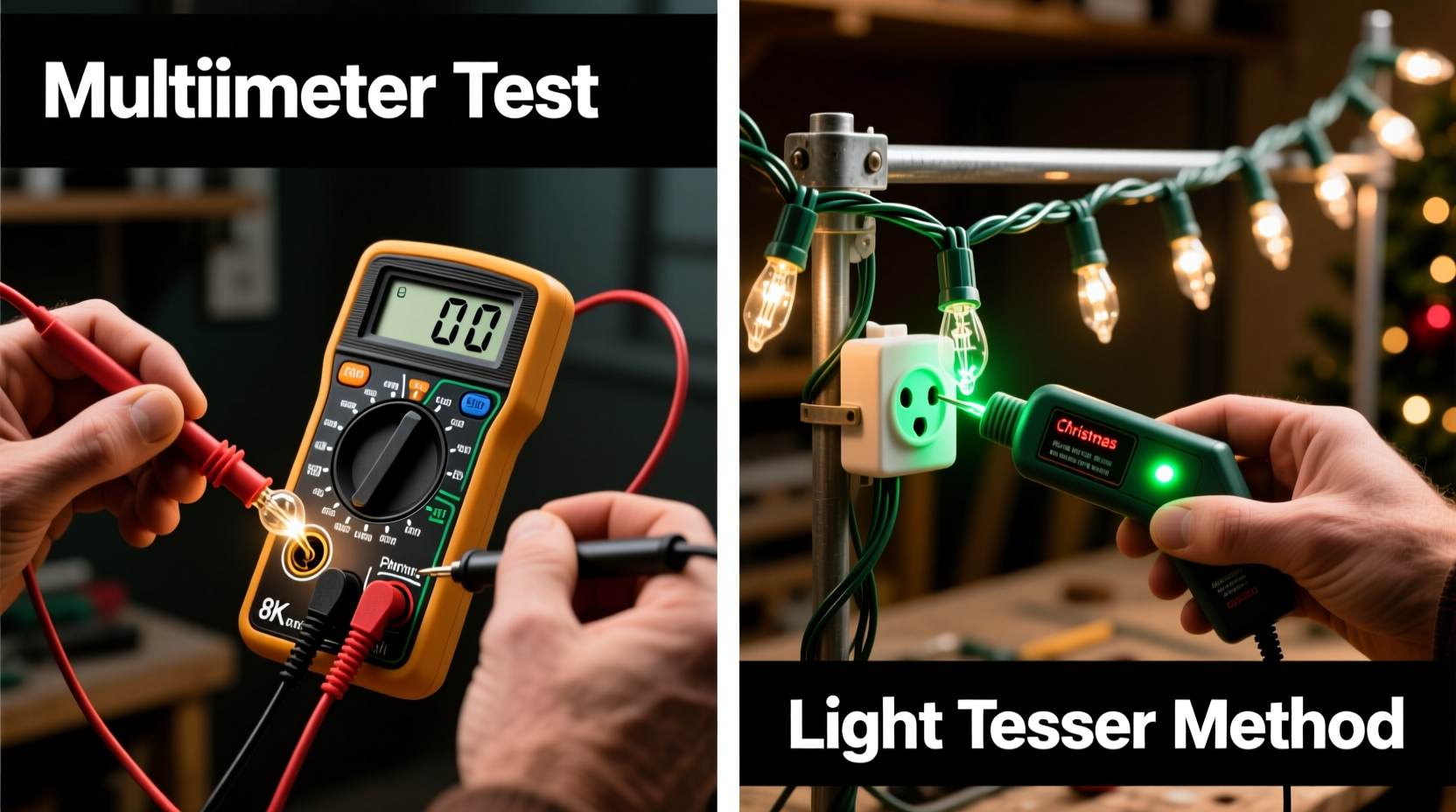
A test light is a small tool with a pointed probe and a light bulb inside. It connects to a power source through a wire and clip. The pointed end touches wires or terminals to check for voltage. If voltage is present, the bulb lights up. This shows the circuit has power.
Key Features And Uses
Test lights are easy to use and need no batteries. They work on 6 to 24 volts, perfect for cars and small electronics. The probe is sharp to reach tight spots. The light bulb inside shows voltage presence clearly. Mechanics use test lights to check fuses, switches, and wires fast.
Advantages Of Test Lights
Test lights are affordable and very simple. They give immediate visual feedback. No need to read numbers or settings. They work well for quick checks and basic troubleshooting. Also, test lights are durable and require little maintenance. They help beginners understand electrical flow easily.
Credit: www.partzilla.com
Multimeter Essentials
Understanding multimeters is important for anyone working with electronics or electrical systems. These tools help measure various electrical values. They are handy for troubleshooting and testing circuits. Knowing the basics of multimeters helps you choose the right one for your tasks.
Below, we explore what a multimeter is, the types available, and their key functions and benefits.
What Is A Multimeter
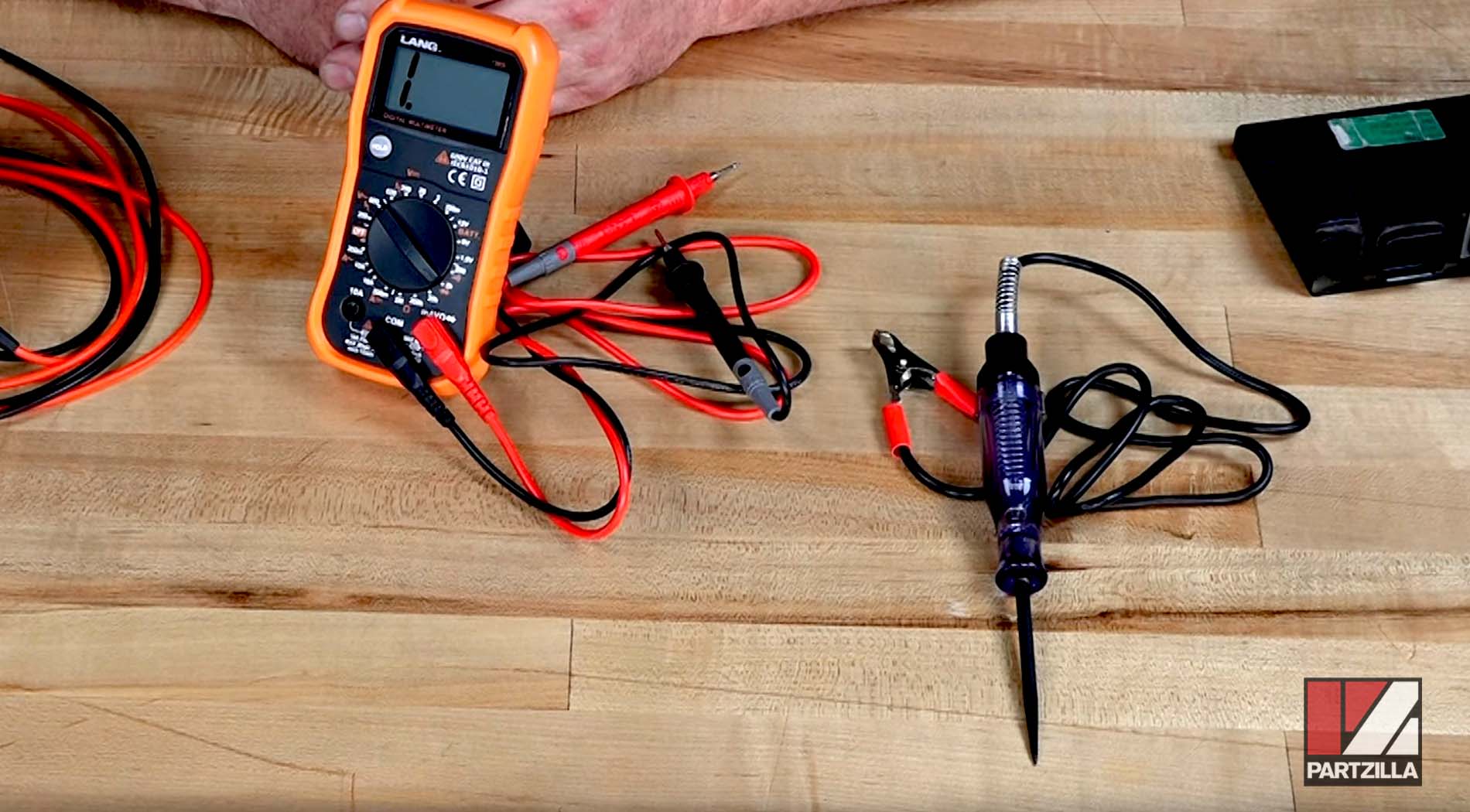
A multimeter is a tool that measures electrical properties. It can check voltage, current, and resistance. This device shows readings on a screen or dial. It helps find problems in wires, batteries, and devices. Multimeters come in handy for many electrical tasks.
Types Of Multimeters
There are two main types of multimeters: analog and digital. Analog multimeters use a needle to show readings. Digital multimeters display numbers on a screen. Digital ones are easier to read and more popular today. Some models are simple, while others have many features.
Key Functions And Benefits
Multimeters measure voltage, current, and resistance accurately. They help detect short circuits and broken wires. Some can test batteries and check continuity. Using a multimeter saves time in fixing electrical problems. It also improves safety by spotting dangerous issues early.
Comparing Accuracy And Precision
Accuracy and precision are key when testing electrical circuits. They affect how reliable your readings will be. Choosing between a test light and a multimeter depends on these factors. Understanding their differences helps you pick the right tool for your task.
Test Light Accuracy
A test light shows if current flows in a circuit. It gives a simple yes or no answer. It cannot measure exact voltage or current. Its accuracy depends on the bulb and wiring quality. Test lights work best for basic checks, not detailed measurements.
Multimeter Accuracy
A multimeter measures voltage, current, and resistance precisely. It provides digital readings with exact numbers. Quality multimeters offer high accuracy levels, often within a few percent. They can detect small changes in circuits. This makes them useful for complex troubleshooting and repairs.
When Precision Matters
Precision matters in detailed electrical work and diagnostics. Accurate readings prevent mistakes and save time. Use a multimeter when exact values are needed. A test light suits quick tests or simple fault finding. Knowing when to use each tool improves efficiency and safety.
Ease Of Use And Portability
Ease of use and portability are key when choosing between a test light and a multimeter. Both tools serve electrical testing but differ in handling and convenience. Understanding these differences helps pick the right tool for your needs.
Handling A Test Light
A test light is simple to handle. It has one probe and a light bulb. Touch the probe to a wire or terminal. The light glows if there is power. No complex settings or adjustments are needed. Beginners find it easy to use. It requires less knowledge about electrical systems. The lightweight design makes it easy to hold steady during tests.
Using A Multimeter
A multimeter has more functions and settings. It measures voltage, current, and resistance. Users must select the correct mode before testing. The probes are two, one for positive and one for negative. It may take practice to read the results correctly. Multimeters require basic understanding of electrical concepts. The tool offers detailed information but needs careful handling.
Portability Factors
Test lights are small and light. They fit easily in a pocket or small bag. No batteries are usually needed, which adds to convenience. Multimeters vary in size; some are compact, others bulkier. They often need batteries to work. Carrying extra batteries might be necessary. For quick tests on the go, test lights are more convenient. Multimeters suit tasks that require detailed measurements despite their size.
Safety Considerations
Safety matters a lot when working with electrical tools. Test lights and multimeters help check circuits. But each tool has different risks and safety needs. Understanding these helps avoid accidents and damage.
Risks With Test Lights
Test lights use a simple bulb and wire. They connect directly to the circuit. This can cause sparks or short circuits. Using a test light on high voltage can lead to electric shock. The tool can also damage sensitive electronics. It gives limited information about the circuit’s condition.
Multimeter Safety Features
Multimeters often have built-in safety features. They include fuses to stop current overloads. Many models offer auto-ranging to prevent errors. Insulated probes reduce the risk of shocks. Some have warning signals for wrong connections. These features protect both the user and the device.
Best Practices For Safety
Always check the tool before use. Wear insulated gloves and avoid wet hands. Use the right tool for the job and voltage. Connect the test leads correctly to avoid sparks. Never touch exposed wires or metal parts. Turn off power when possible before testing. Store tools safely after use to prevent damage.
Credit: www.alibaba.com
Cost And Durability
Cost and durability are important when choosing between a test light and a multimeter. Understanding these factors helps you pick the right tool for your needs. Both tools serve different purposes and vary in price and lifespan.
Price Range Comparison
Test lights are usually cheaper than multimeters. You can buy a basic test light for under $10. Multimeters start around $20 and go up depending on features. Professional multimeters with more functions cost more. The price reflects the tool’s complexity and use.
Longevity And Maintenance
Test lights have fewer parts and are simple to use. This makes them less likely to break. They need little maintenance and last long with basic care. Multimeters have delicate electronic parts inside. They require careful handling and occasional calibration. Dropping a multimeter can damage it easily.
Value For Money
Test lights offer good value for simple electrical checks. They are perfect for quick tests and basic jobs. Multimeters give more value if you need detailed measurements. They can test voltage, current, resistance, and more. Spending more on a multimeter pays off for complex tasks.
Choosing The Right Tool
Choosing the right tool for electrical testing can save time and avoid mistakes. Both test lights and multimeters have their places in electrical work. Understanding their strengths helps pick the best one for the task. This section guides you on selecting the proper tool based on your needs and skills.
Task-based Recommendations
Test lights work well for simple tasks like checking power or ground connections. They quickly show if a wire has voltage. Multimeters handle more complex jobs. They measure voltage, current, and resistance with accuracy. Use a multimeter for detailed diagnostics or when precise readings matter. Choose a test light for quick checks and basic troubleshooting.
Skill Level And Experience
Beginners find test lights easier to use. There is less chance to make errors. Multimeters need some knowledge to read and interpret numbers. Learning how to use a multimeter improves your skills over time. Start with a test light if you are new. Switch to a multimeter as you grow more confident.
Tool Combination Benefits
Using both tools together gives the best results. Start with a test light to find power quickly. Follow up with a multimeter to check exact values and diagnose problems. This approach saves time and avoids guesswork. Combining tools covers more situations and improves your troubleshooting ability.
Frequently Asked Questions
What Is The Main Difference Between Test Light And Multimeter?
A test light checks for voltage presence using a simple bulb. A multimeter measures voltage, current, and resistance with digital precision. The multimeter offers more detailed electrical diagnostics than a test light.
When Should I Use A Test Light Instead Of A Multimeter?
Use a test light for quick voltage checks in automotive or simple circuits. It’s faster and easier for basic power verification. For detailed measurements, a multimeter is better suited.
Can A Multimeter Replace A Test Light Completely?
Yes, a multimeter can perform all functions of a test light and more. However, test lights are simpler and faster for quick voltage checks. Multimeters provide versatility but require more knowledge to operate.
How Accurate Is A Test Light Compared To A Multimeter?
A test light provides a basic indication of voltage presence but lacks precise readings. Multimeters offer accurate, quantitative measurements of voltage, current, and resistance. For detailed diagnostics, multimeters are more reliable.
Conclusion
Choosing between a test light and a multimeter depends on the task. Test lights work well for quick, simple checks. Multimeters offer more detailed and precise measurements. Both tools have their strengths and weaknesses. A test light is easy to use but less versatile.
A multimeter can measure voltage, current, and resistance. Understanding your needs helps pick the right tool. Using the correct device makes electrical work safer and easier. Each tool plays a helpful role in troubleshooting electrical problems. Keep both handy if you do different types of repairs.

I’m Asif Ur Rahman Adib, an Electrical Engineer and lecturer. My journey began in the lab, watching students struggle with instruments they used every day without fully understanding them. Over time, I’ve combined teaching, research, and hands-on experience to help others grasp electrical concepts clearly, safely, and practically—whether it’s understanding a circuit or mastering a multimeter.