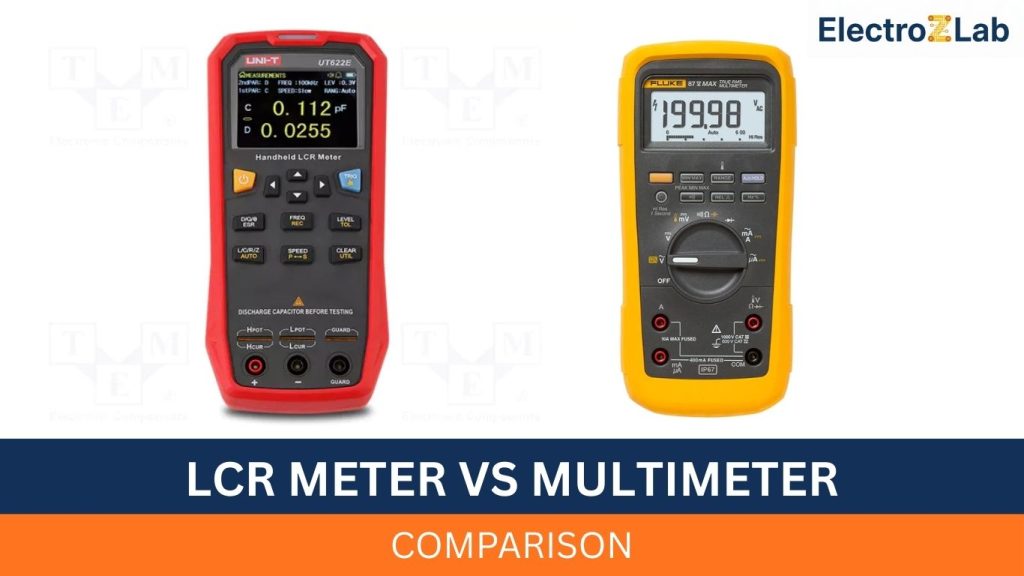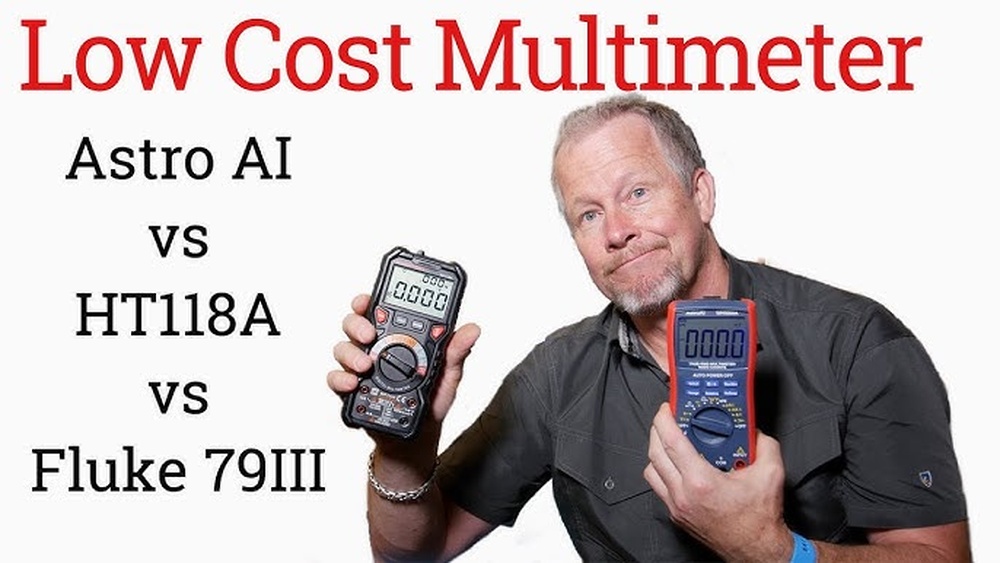
Are you trying to decide between a graphing multimeter and an oscilloscope for your next project? Both tools can measure electrical signals, but they serve very different purposes.
Choosing the right one can save you time, money, and frustration. You’ll discover the key differences that matter most to you. By the end, you’ll know exactly which device fits your needs and how to use it to get the best results.
Keep reading to unlock the secrets behind these powerful instruments.
Basic Functions
The basic functions of graphing multimeters and oscilloscopes serve different purposes. Both tools help measure electrical signals but in unique ways. Understanding their core capabilities can guide users to choose the right tool for their needs.
Multimeter Capabilities
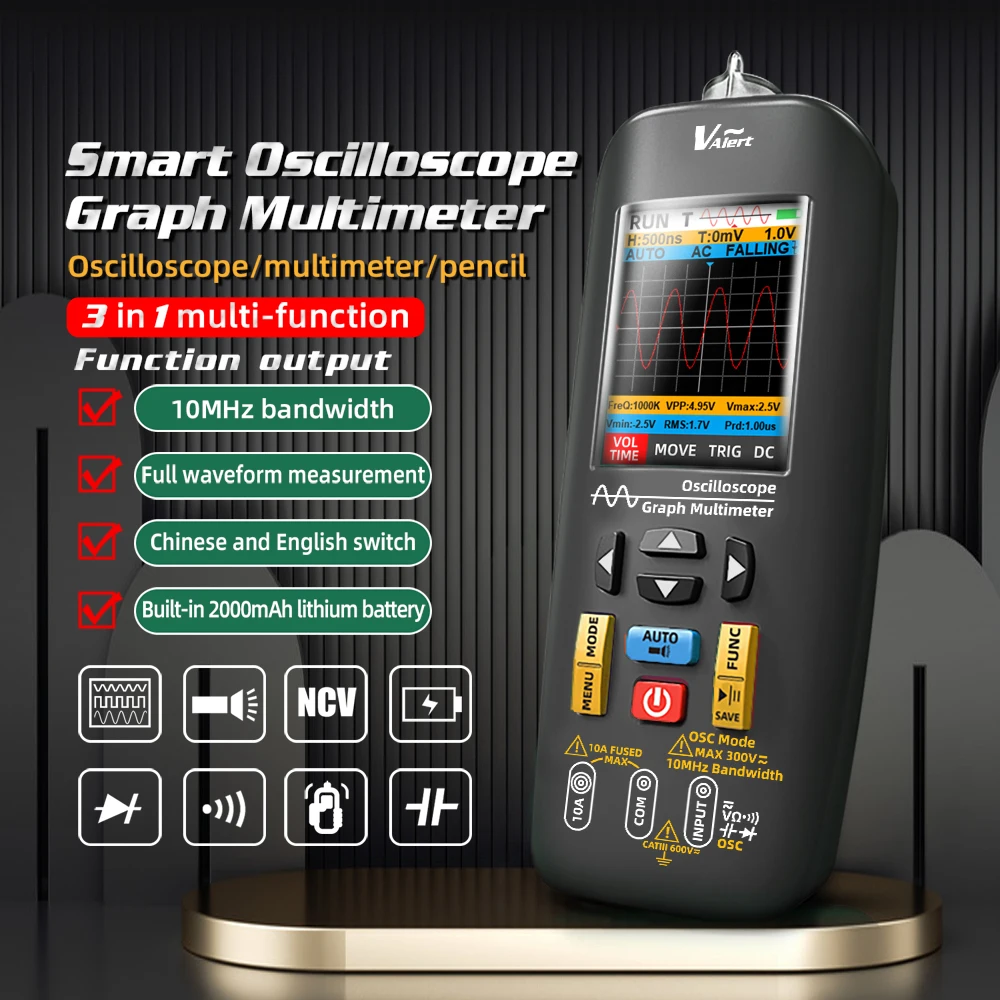
A graphing multimeter measures voltage, current, and resistance. It shows results as numbers and simple graphs. Users can track changes over time. It is easy to use for basic electrical testing. The device is portable and good for fieldwork. It also measures continuity and tests diodes. It does not display detailed waveforms or signal shapes.
Oscilloscope Features
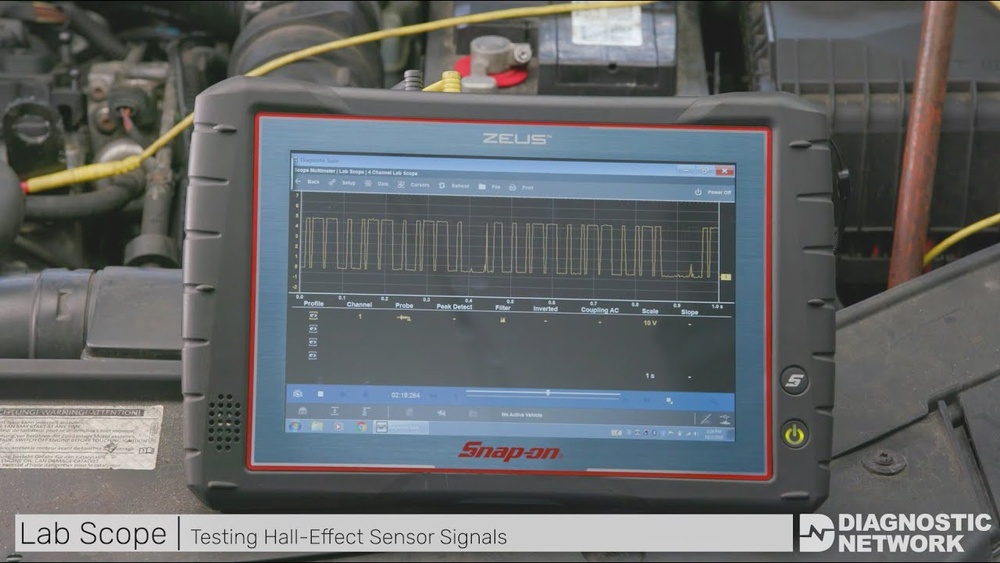
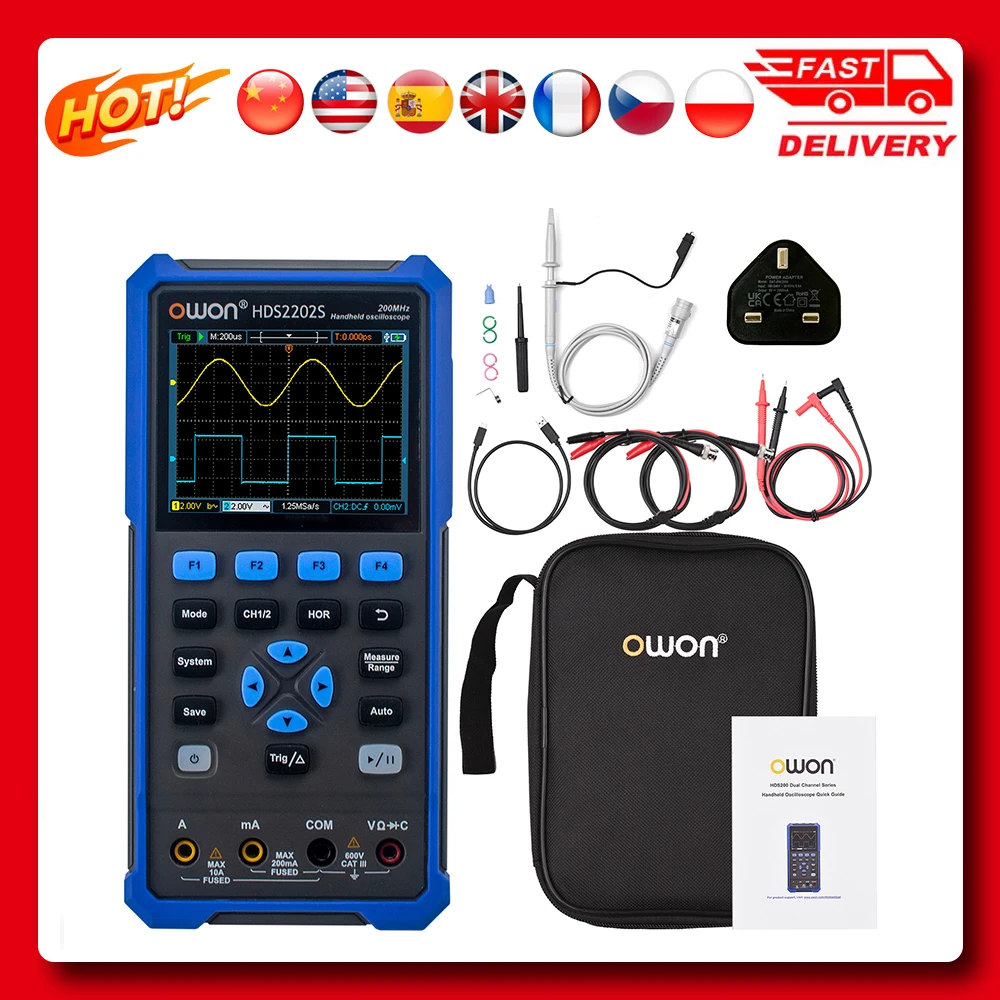
An oscilloscope captures and shows waveforms on a screen. It displays how signals change over time with high detail. Users see voltage changes as curves, not just numbers. It measures frequency, amplitude, and signal shape precisely. Oscilloscopes help find signal problems and noise. They are ideal for complex electronic troubleshooting. The device is less portable than a multimeter.
Measurement Types
Measurement types define how tools like graphing multimeters and oscilloscopes gather and show electrical data. These devices serve different needs in electronic testing and troubleshooting. Knowing their measurement strengths helps pick the right tool for specific tasks.
Voltage And Current Readings
Graphing multimeters measure voltage and current as numbers over time. They show precise digital values, useful for steady signals and routine checks. These readings are easy to record and compare.
Oscilloscopes also measure voltage and current but show them as changing waves. This helps spot quick changes or glitches that numbers can miss. They display real-time data, useful for complex circuits.
Waveform Analysis
Oscilloscopes excel in waveform analysis by displaying signal shapes graphically. Users can see frequency, amplitude, and timing details clearly. This makes it easier to detect noise and distortion.
Graphing multimeters cannot show waveforms visually. They focus on numeric trends, not the shape of signals. This limits their use in detailed waveform studies.
Display And Visualization
Display and visualization are key features in both graphing multimeters and oscilloscopes. They help users see the data clearly. A good display makes reading measurements easier and faster. Different devices show data in unique ways, suited for their specific tasks.
Graphing Multimeter Screens
Graphing multimeters have simple, easy-to-read screens. They usually show numbers and small graphs. The screen is often backlit for visibility in low light. Users can view trends over time on these small graphs. The display is designed to be clear and straightforward. It focuses on showing measurements like voltage and current clearly.
Oscilloscope Displays
Oscilloscopes use larger, detailed screens. They show waveforms as moving lines or curves. This helps users see signal changes in real time. The display often includes grids to measure time and voltage. Colors may be used to separate signals on some models. The screen is built for detailed analysis of electrical signals.
Accuracy And Precision
Accuracy and precision are key factors in choosing between a graphing multimeter and an oscilloscope. Both tools measure electrical signals, but their results differ in detail and reliability. Understanding how each device handles accuracy and precision helps in selecting the right instrument for your task.
Measurement Reliability
Graphing multimeters provide steady measurements over time. They show values like voltage, current, and resistance with consistent results. The precision depends on the quality of the multimeter and its calibration. Oscilloscopes, on the other hand, capture rapid changes in signals. Their reliability lies in showing real-time waveforms accurately. Both devices require proper use to maintain reliable data.
Signal Detail
Oscilloscopes reveal detailed signal shapes and patterns. They display voltage changes as waveforms, making it easier to spot glitches or noise. Graphing multimeters show numerical data and trends, but lack fine detail in signal shape. For analyzing complex signals, oscilloscopes offer more precision. Multimeters suit simpler measurements where exact waveform form is less important.
Ease Of Use
Ease of use is a key factor when choosing between a graphing multimeter and an oscilloscope. Both tools serve different purposes but must be simple to operate. Users want to start testing quickly without confusion or delays. Understanding how each device handles user interaction and setup can help decide which suits your needs best.
User Interface
The graphing multimeter offers a straightforward interface. It usually has a clear digital screen with menus that are easy to navigate. Buttons are labeled with simple functions, making it accessible for beginners. The display shows measurements and graphs side by side for quick reading.
The oscilloscope interface is more complex. It has many buttons, knobs, and a large screen with waveforms. Users can adjust settings like time base, voltage scale, and trigger levels. This complexity can be hard for new users but offers more control for detailed analysis.
Setup And Calibration
Setting up a graphing multimeter takes only a few steps. Connect the probes, select the measurement type, and start testing. Calibration is often automatic or requires minimal input. This simplicity reduces errors and saves time.
Oscilloscope setup requires more attention. Users must connect probes correctly and adjust multiple settings before capturing signals. Calibration may involve manual steps to ensure accuracy. This process can be slow but is necessary for precise measurements.
Credit: www.aliexpress.com
Portability And Design
Portability and design play a big role in choosing between a graphing multimeter and an oscilloscope. Both tools serve different purposes but must be easy to carry and use. The way they are built affects how you handle them in various work environments. Let’s explore how size, weight, and durability compare for these devices.
Size And Weight
Graphing multimeters are usually smaller and lighter. They fit comfortably in one hand or a pocket. This makes them handy for quick checks or fieldwork. Oscilloscopes tend to be bigger and heavier. They often need a bench or stable surface to sit on. Portable oscilloscopes exist but still weigh more than multimeters. Size and weight affect how easy it is to move these tools around.
Durability
Graphing multimeters often have rugged designs. Many models come with shock-resistant cases and water resistance. They can handle drops and rough handling better. Oscilloscopes are more delicate devices. Their screens and probes need careful treatment. Some portable oscilloscopes include protective features but are less tough than multimeters. Durability matters when tools face harsh work conditions.
Applications
Understanding the applications of graphing multimeters and oscilloscopes helps choose the right tool. Both instruments measure electrical signals but serve different purposes. Knowing their common uses guides in selecting the best device for a task.
Each tool fits certain jobs better. The graphing multimeter excels in simple, quick measurements. The oscilloscope shines in detailed signal analysis. Let’s explore where each device is most useful.
Common Use Cases For Multimeters
Graphing multimeters measure voltage, current, and resistance. They help check batteries and electrical circuits fast. Technicians use them for troubleshooting wiring problems. Multimeters are common in homes and workshops. They also verify electrical continuity and test fuses easily. Their portability makes them ideal for fieldwork. They record values over time for trend spotting. This helps catch intermittent faults in circuits.
Typical Oscilloscope Uses
Oscilloscopes display waveforms and signal shapes clearly. Engineers analyze time-varying signals with high detail. They check frequencies, amplitudes, and noise in circuits. Oscilloscopes detect signal timing and glitches precisely. They assist in designing and testing electronic devices. Medical and automotive fields rely on oscilloscopes for diagnostics. They monitor pulse patterns and sensor outputs. Oscilloscopes reveal complex signal behavior not visible with multimeters.
Cost And Value
Cost and value are key points when choosing between a graphing multimeter and an oscilloscope. Both tools serve different purposes but cost plays a big role in deciding which one fits your budget and needs. Understanding the price and benefits helps you make a smart choice.
Price Ranges
Graphing multimeters usually cost less than oscilloscopes. Basic models start around $50 to $150. More advanced models can reach $300. Oscilloscopes start at about $200 for simple versions. High-end models can cost thousands of dollars. The price reflects the complexity and features of the device. Oscilloscopes offer more detailed signal analysis but come at a higher price.
Long-term Benefits
A graphing multimeter provides value for routine electrical measurements. It is easy to carry and use. Its long battery life suits fieldwork. Oscilloscopes deliver deeper insight into signal behavior. They help diagnose complex circuit problems. This can save time and money in repairs. Investing in an oscilloscope benefits professionals needing detailed data. For hobbyists, a graphing multimeter may offer enough value at a lower cost.
Choosing The Right Tool
Choosing the right tool for measuring electrical signals matters a lot. Both graphing multimeters and oscilloscopes offer unique benefits. The choice depends on the type of task and the level of detail needed.
This guide helps decide which tool fits your needs best. Understanding their strengths makes your work easier and more accurate.
When To Pick A Multimeter
Use a multimeter for basic electrical checks. It measures voltage, current, and resistance quickly. It is perfect for troubleshooting simple circuits or appliances.
Multimeters are easy to use and portable. They work well for home repairs or small projects. When you need clear, direct readings without complex data, choose a multimeter.
When To Opt For An Oscilloscope
Choose an oscilloscope for detailed signal analysis. It shows how voltage changes over time on a screen. This helps find issues in complex circuits or electronics.
Oscilloscopes are ideal for waveforms and timing problems. They reveal signal shapes, noise, and glitches. Use an oscilloscope when precise and visual data is necessary.

Credit: electronics.stackexchange.com
Credit: createkidsedu.org
Frequently Asked Questions
What Is The Main Difference Between A Graphing Multimeter And Oscilloscope?
A graphing multimeter displays numerical values and simple graphs of electrical signals. An oscilloscope shows detailed waveforms and real-time signal changes, making it better for complex signal analysis.
When Should I Use A Graphing Multimeter Over An Oscilloscope?
Use a graphing multimeter for basic voltage, current, and resistance measurements with trend graphs. Choose an oscilloscope for visualizing signal shapes and high-frequency waveform analysis.
Can A Graphing Multimeter Capture Signal Waveforms Like An Oscilloscope?
No, a graphing multimeter cannot capture detailed waveforms. It only provides basic graphical trends, while oscilloscopes display precise, real-time signal waveforms.
Are Oscilloscopes More Expensive Than Graphing Multimeters?
Yes, oscilloscopes are generally more expensive due to advanced features and complex signal visualization. Graphing multimeters are affordable and suitable for simpler tasks.
Conclusion
Both graphing multimeters and oscilloscopes help measure electrical signals. A graphing multimeter shows data over time in simple graphs. An oscilloscope gives detailed wave shapes and fast signal changes. Choose based on your needs and budget. For basic checks, a graphing multimeter works well.
For complex signal analysis, an oscilloscope fits best. Understanding each tool helps you pick the right one. Use this knowledge to improve your electronics work. Simple tools or advanced devices—each has its place.

I’m Asif Ur Rahman Adib, an Electrical Engineer and lecturer. My journey began in the lab, watching students struggle with instruments they used every day without fully understanding them. Over time, I’ve combined teaching, research, and hands-on experience to help others grasp electrical concepts clearly, safely, and practically—whether it’s understanding a circuit or mastering a multimeter.