Are you trying to choose between Rigol and Agilent for your test and measurement needs? Picking the right equipment can make a huge difference in your work, whether you’re a student, engineer, or hobbyist.
You want a device that’s reliable, easy to use, and fits your budget. This article will help you compare Rigol and Agilent side by side, so you can make a smart choice without wasting time or money. Keep reading to discover which brand matches your needs and why it could change the way you work.

Credit: www.youtube.com
Brand Histories
Understanding the histories of Rigol and Agilent helps us see how these brands grew. Each company has its own story of progress and innovation in electronic test equipment.
Rigol’s Background
Rigol was founded in 1998 in China. It quickly became known for affordable, quality test tools. The company focuses on digital oscilloscopes and signal generators. Rigol aims to provide easy-to-use products for engineers and students. It invests in research to improve technology. Rigol’s growth shows strong commitment to customer needs.
Agilent’s Legacy
Agilent started as part of Hewlett-Packard in 1999. It became independent to focus on test and measurement tools. Agilent is known for high precision and reliability. Its products serve industries like telecommunications and healthcare. The company builds on decades of scientific expertise. Agilent’s name stands for trust and quality worldwide.
Product Range
Both Rigol and Agilent offer a wide product range for electronic testing and measurement. Their devices serve different needs and budgets. Understanding their product range helps in choosing the right tool.
Oscilloscopes
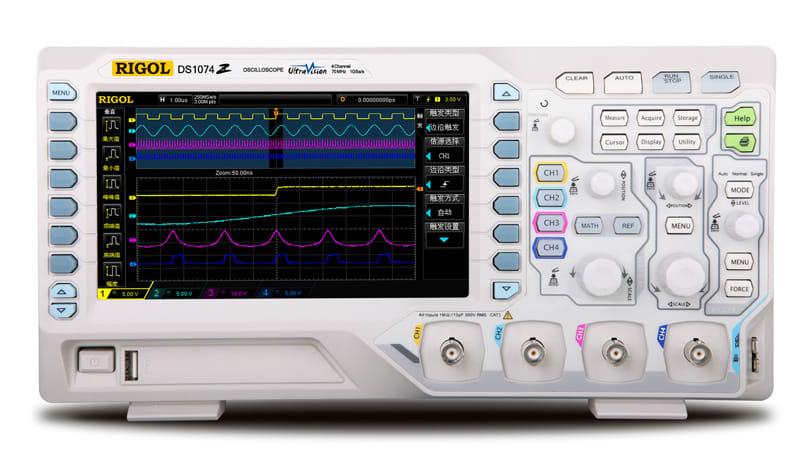
Rigol provides oscilloscopes that are affordable and suitable for beginners. Their models cover basic to mid-level features. Agilent, now Keysight, offers high-end oscilloscopes with advanced functions. These are ideal for professional engineers and labs.
Signal Generators
Rigol’s signal generators are compact and user-friendly. They work well for education and small projects. Agilent’s signal generators deliver higher frequency ranges and better precision. These fit well in advanced research and industrial use.
Multimeters
Rigol offers digital multimeters with essential features and good accuracy. They are great for everyday electrical measurements. Agilent multimeters provide excellent reliability and wide measurement ranges. Professionals prefer these for detailed and complex tasks.
Spectrum Analyzers
Rigol’s spectrum analyzers suit hobbyists and small labs. They provide clear signal analysis at a lower cost. Agilent’s analyzers have superior sensitivity and frequency coverage. These tools are common in communication and aerospace industries.
Performance Metrics
Performance metrics are key to comparing Rigol and Agilent devices. These metrics show how well each device works in real tests. They help users pick the right tool for their needs. Three main areas matter most: accuracy and precision, bandwidth and speed, and signal quality. Each area tells a different story.
Accuracy And Precision
Accuracy means how close a measurement is to the true value. Precision shows how repeatable the results are. Agilent often leads in accuracy with very low error margins. Rigol provides good precision but may lag slightly behind Agilent. Both brands maintain stable readings over time. Users needing exact measurements might lean toward Agilent. For everyday tasks, Rigol offers reliable accuracy.
Bandwidth And Speed
Bandwidth defines the range of frequencies a device can measure. Speed measures how fast it processes signals. Agilent models usually have wider bandwidths and faster processing speeds. Rigol devices offer decent bandwidth, suitable for most standard tests. Speed differences may affect complex signal analysis. Fast bandwidth and speed help capture quick signal changes accurately. Choose based on your testing demands.
Signal Quality
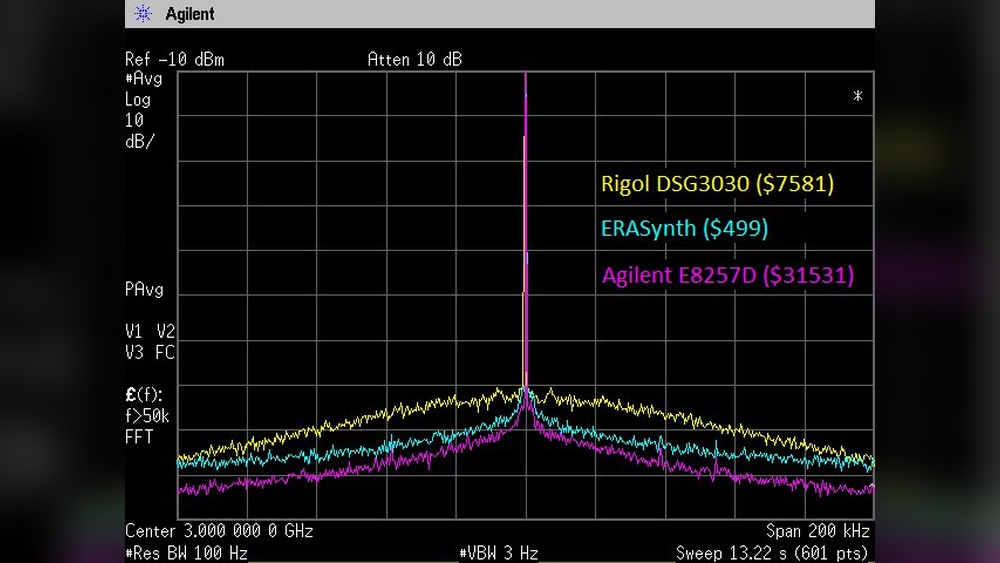
Signal quality indicates how clean and clear the output is. Agilent devices produce very low noise levels and sharp signals. Rigol devices deliver good signal quality, enough for many applications. High-quality signals reduce errors in interpretation. Both brands filter unwanted noise effectively. Signal quality impacts the confidence users have in their results.
Credit: www.tequipment.net
User Interface And Software
The user interface and software of test equipment play a big role in daily tasks. They affect how fast and easy it is to operate the device. Both Rigol and Agilent offer strong options, but they differ in design and features. Understanding these differences helps choose the right tool for work.
Ease Of Use
Rigol devices have simple menus and clear displays. Buttons are well labeled and easy to reach. The interface feels straightforward for beginners and pros alike. Agilent equipment shows a more polished design. It uses touchscreens with intuitive controls. This setup suits users who prefer modern interaction. Both brands aim to reduce the learning curve.
Software Features
Rigol provides software with basic analysis and control functions. It supports waveform capture and simple data export. Agilent offers advanced software with powerful tools for data processing. Features include complex measurements and automation support. Their software is suitable for detailed testing and reporting. Users can pick the software based on their project needs.
Connectivity Options
Rigol instruments include USB, LAN, and sometimes GPIB ports. These allow easy connection to computers and networks. Agilent devices typically offer more varied ports. USB, LAN, GPIB, and sometimes Wi-Fi come standard. This variety supports flexible setups in labs or fieldwork. Both brands ensure smooth data transfer and remote control.
Build Quality And Durability
Build quality and durability are key factors in choosing test equipment. Both Rigol and Agilent offer devices designed to last. Their construction affects how well the tools perform over time. This section compares the materials used and their reliability in daily use.
Materials Used
Rigol uses strong plastic and metal parts. Their cases often combine lightweight plastic with metal frames. This mix keeps the devices light and sturdy. Agilent prefers higher-grade metals in their designs. Many models have full metal bodies. This adds weight but also improves toughness. Both brands ensure good protection for internal parts.
Longevity And Reliability
Rigol instruments are reliable for many years with moderate use. They handle typical lab conditions well. Agilent devices tend to have longer lifespans in harsh environments. Their build supports heavy daily use and rough handling. Maintenance is simple for both brands. Users report fewer breakdowns with Agilent but Rigol still performs solidly.
Pricing And Value
Pricing and value are key factors for many buyers choosing between Rigol and Agilent test equipment. Understanding cost differences helps find the best option for your budget. Value goes beyond price and includes quality, support, and long-term benefits. Let’s explore how these two brands compare in price and overall value.
Cost Comparison
Rigol products usually cost less than Agilent models. This lower price appeals to hobbyists and small businesses. Agilent devices come with a higher price tag due to advanced features and precision. Buyers pay more for Agilent’s proven reliability and accuracy. The price gap can be significant, but depends on the specific model and features required.
Warranty And Support
Agilent offers longer warranty periods and more extensive support options. Their customer service includes online resources, phone support, and local service centers. Rigol provides basic warranties and online support. Some users may find Agilent’s support worth the extra cost. Warranty and service impact the total value beyond initial purchase price.
Return On Investment
Agilent’s equipment often lasts longer and requires less maintenance. This reduces repair costs and downtime over time. Rigol’s lower upfront cost means less initial investment. This suits projects with tight budgets or short-term use. Return on investment depends on your needs, usage, and how long you plan to keep the device.
Customer Feedback
Customer feedback plays a big role in choosing the right test equipment. It shows real experiences from people who use these devices every day. Reading user reviews helps understand strengths and weaknesses. It also highlights which models are most popular and why. Here, we compare feedback for Rigol and Agilent products.
User Reviews
Users often praise Rigol for its affordable prices and solid performance. Many say Rigol scopes are easy to use and have good features for beginners. Agilent gets high marks for build quality and accuracy. Professionals trust Agilent for demanding tasks and long-term reliability. Both brands have loyal users who recommend them based on needs and budget.
Common Complaints
Some Rigol users report limited advanced features compared to high-end brands. A few mention slower customer support response times. Agilent complaints usually focus on higher prices and complexity. Some beginners find Agilent units harder to operate. Both brands occasionally have firmware bugs, but updates fix most issues quickly.
Popular Models
The Rigol DS1054Z is a favorite for its balance of price and performance. It suits students and hobbyists well. Agilent’s 3000 X-Series stands out for professional labs requiring precise measurements. It offers more channels and higher bandwidth. These models show clear options for different user groups and budgets.
Applications And Suitability
Choosing the right test equipment depends on where and how it will be used. Rigol and Agilent offer tools that fit different needs. Each brand has strengths for specific tasks and environments.
Understanding their applications helps users decide which suits their work best. This section looks at how Rigol and Agilent perform in education, professional labs, and field work.
Educational Use
Rigol instruments are common in schools and universities. They provide good features at lower prices. Students can learn basic and advanced testing easily. The simple interface helps beginners understand signals and measurements.
Agilent tools also appear in education but mostly in higher-level labs. They offer more precise results and advanced functions. These devices suit engineering courses and research projects needing detailed analysis.
Professional Labs
Agilent is a top choice for professional labs. Their devices deliver high accuracy and reliability. Engineers and scientists trust Agilent for complex testing and product development. The extensive support and calibration options add value.
Rigol can work in smaller or startup labs. It balances cost and performance well. Rigol devices handle everyday tasks and moderate testing demands. They fit labs with tight budgets or less critical measurements.
Field Work
Field work needs portable and durable tools. Rigol offers compact, battery-powered models that suit outdoor use. These instruments are easy to carry and operate on-site.
Agilent also makes portable devices but often at higher costs. Their field tools provide extra features and rugged designs. They fit professionals needing precise data in tough conditions.

Credit: www.eevblog.com
Frequently Asked Questions
What Are The Main Differences Between Rigol And Agilent?
Rigol offers affordable, feature-rich test equipment, ideal for hobbyists and small labs. Agilent (Keysight) targets high-end, precision instruments for professional use. Rigol focuses on cost-effectiveness, while Agilent emphasizes advanced technology and superior accuracy.
Which Brand Is Better For Budget Oscilloscope Buyers?
Rigol is generally better for budget-conscious buyers. It provides reliable oscilloscopes with good features at a lower price. Agilent instruments are pricier but offer enhanced performance and durability for demanding applications.
How Does Agilent Compare To Rigol In Accuracy?
Agilent oscilloscopes typically deliver higher accuracy and better signal integrity than Rigol. They use advanced components and calibration methods. Rigol offers decent accuracy suitable for most general testing needs but may not meet strict professional standards.
Are Rigol Instruments Suitable For Professional Labs?
Yes, Rigol instruments can be used in professional labs with moderate testing requirements. They offer good performance and features but may lack the precision and durability of Agilent models for critical tasks.
Conclusion
Choosing between Rigol and Agilent depends on your needs and budget. Rigol offers good features at a lower price. Agilent provides advanced tools with higher accuracy. Both brands have strong reputations in testing equipment. Think about what matters most: cost, precision, or ease of use.
This helps you pick the best fit. Either way, quality tools improve your work results. Take time to compare their models carefully. Your choice will support your projects well. Simple and clear.

I’m Asif Ur Rahman Adib, an Electrical Engineer and lecturer. My journey began in the lab, watching students struggle with instruments they used every day without fully understanding them. Over time, I’ve combined teaching, research, and hands-on experience to help others grasp electrical concepts clearly, safely, and practically—whether it’s understanding a circuit or mastering a multimeter.