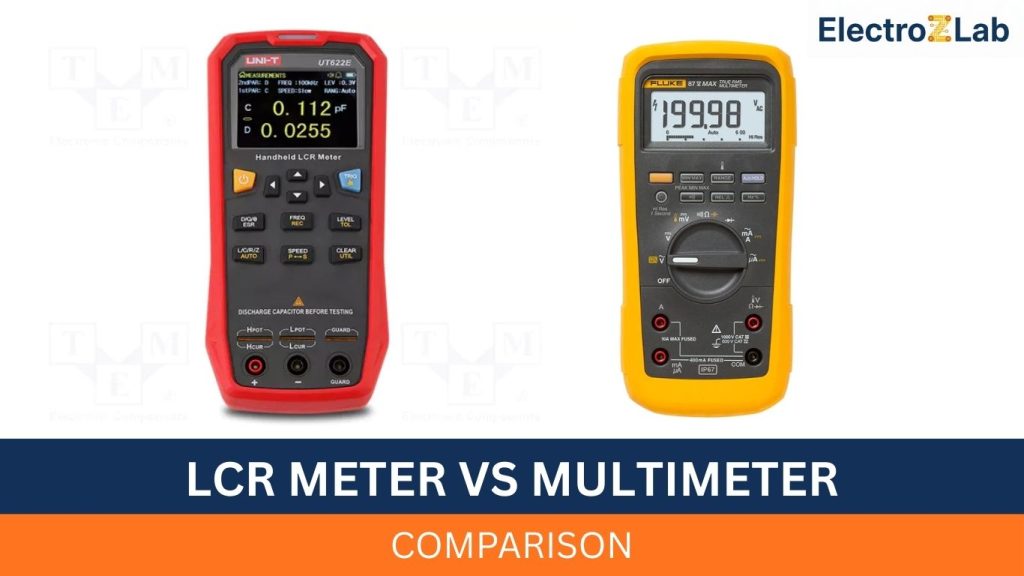
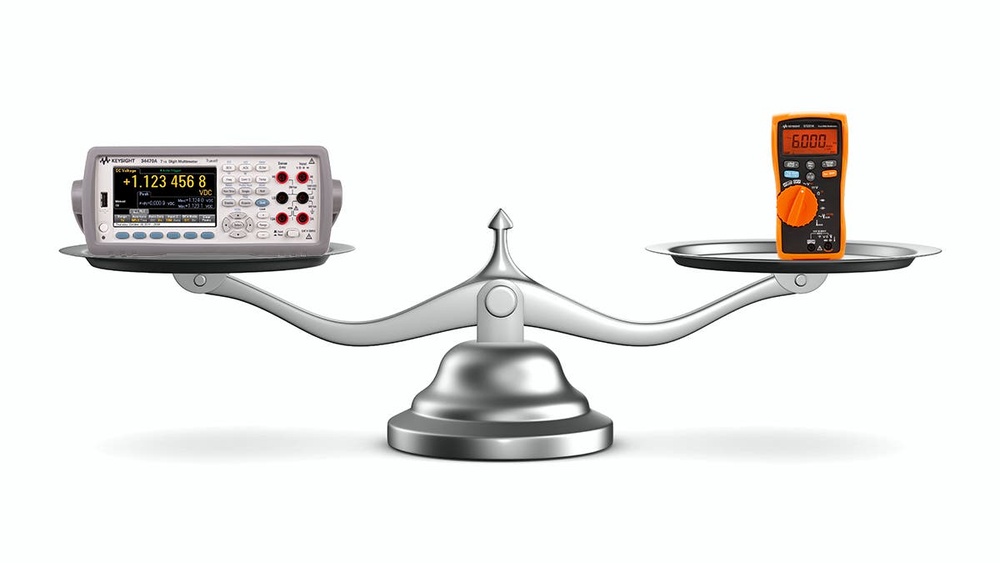
Choosing the right multimeter can be tricky, especially when deciding between a benchtop multimeter and a handheld one. You want a tool that fits your needs perfectly, saves you time, and gives you accurate readings every time.
But which one is truly the best for your projects? You’ll discover the key differences, pros, and cons of both types. By the end, you’ll feel confident picking the multimeter that works best for you—whether you’re at your workbench or out in the field.
Keep reading to make a smart choice that boosts your efficiency and precision.
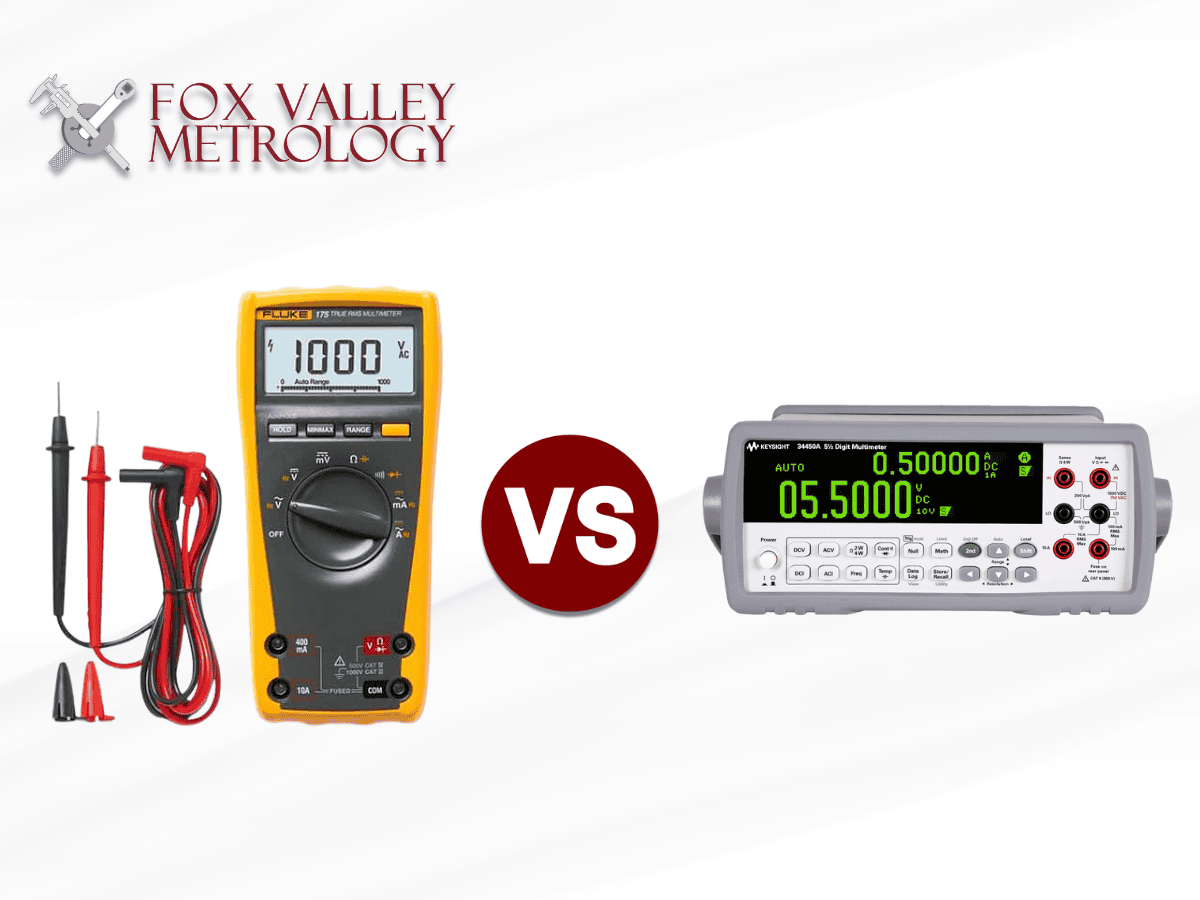
Credit: www.foxvalleymetrology.com
Benchtop Multimeter Features
Benchtop multimeters offer many features that make them ideal for detailed and repeated measurements. These devices are designed for use on a workbench or lab table, providing stability and ease of use. They often come with advanced capabilities that handheld meters lack. Understanding these features helps in choosing the right tool for your needs.
Accuracy And Precision
Benchtop multimeters provide higher accuracy than handheld models. They measure electrical values with very small errors. This precision is crucial for scientific and engineering work. These meters use better components and calibration methods. They can detect tiny changes in voltage, current, and resistance. This reliability ensures your readings are trustworthy every time.
Display And Interface
Benchtop multimeters usually have large, clear displays. Many include backlit LCD screens for easy reading in low light. Some models offer touchscreen interfaces for quick setting changes. Buttons and knobs allow precise control over measurement modes. The interface is designed for long-term use without fatigue. Users can view multiple measurements at once on split screens.
Measurement Functions
These meters support a wide range of measurement functions. They can measure voltage, current, resistance, capacitance, and frequency. Some models also measure temperature and continuity. Advanced functions include diode testing and data logging. The variety helps users handle many tasks without extra tools. This versatility saves time and space on the workbench.
Connectivity Options
Benchtop multimeters often include several connectivity options. USB and Ethernet ports allow data transfer to computers. Some models support Bluetooth for wireless communication. This feature helps in remote monitoring and data analysis. Users can save and review measurement results easily. Connectivity improves productivity and simplifies workflow.
Handheld Multimeter Features
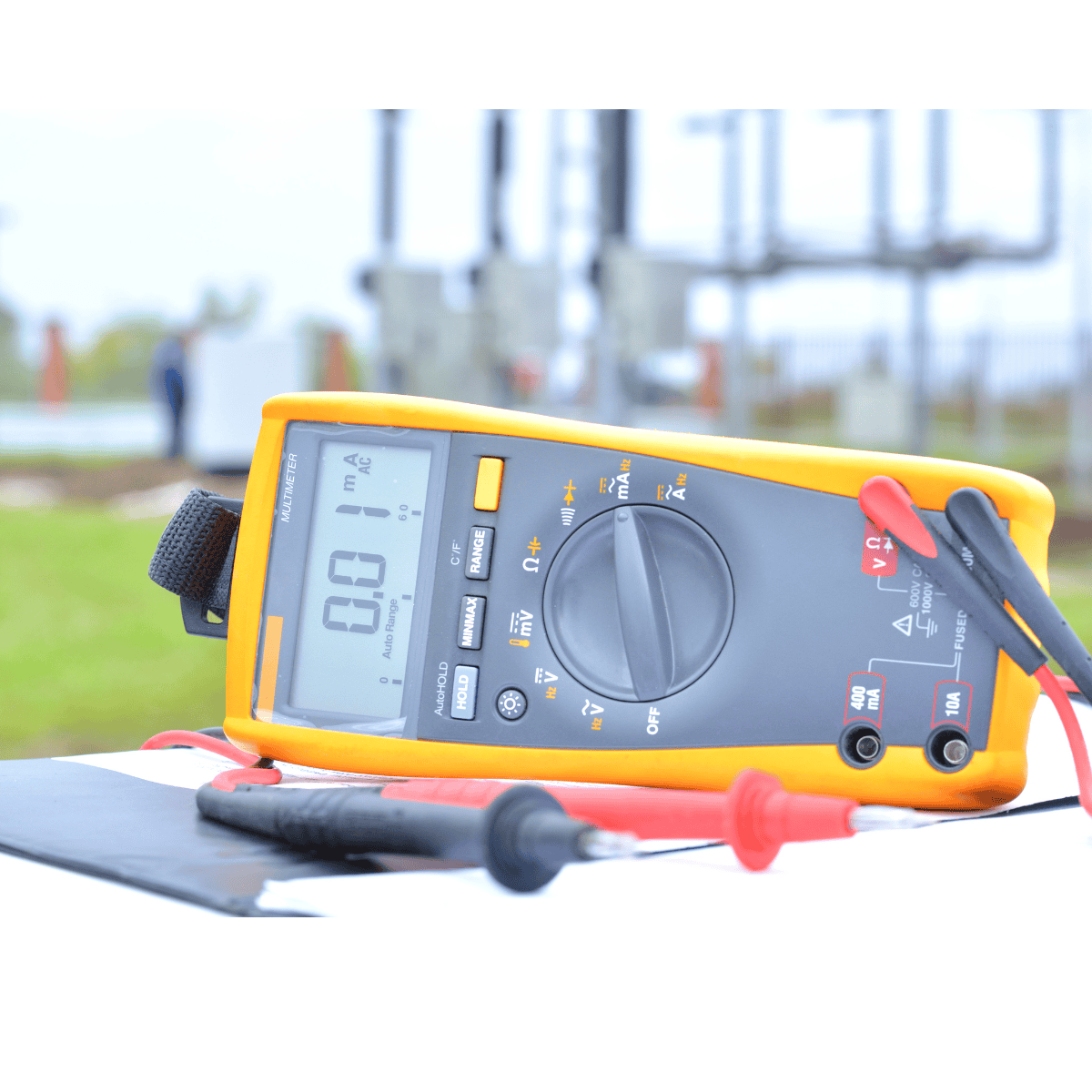
Handheld multimeters offer features designed for quick, on-the-go measurements. These tools fit comfortably in your hand. They provide reliable readings in many situations. Their design focuses on usability and safety, making them popular for fieldwork and home use.
Understanding the key features of handheld multimeters helps in choosing the right tool. Portability, battery life, safety, and ease of use are critical aspects. Each affects how well the multimeter performs outside a lab or workshop.
Portability And Design
Handheld multimeters are light and compact. Their small size lets you carry them easily. Many models include a protective case or rubber grips. These features prevent damage from drops or rough handling. The design often includes a clear display for easy reading. Buttons and dials are placed for quick access with one hand.
Battery Life
Long battery life is vital for handheld multimeters. They typically use AA or AAA batteries. Some models have rechargeable batteries to save cost. Battery indicators show when power is low. This helps avoid unexpected shutdowns during tests. Efficient power use extends the device’s working time.
Safety Ratings
Safety is a priority in handheld multimeters. Most have ratings like CAT II, CAT III, or CAT IV. These ratings show the device’s protection level against electrical spikes. Insulated probes and sturdy casing add extra safety. Proper safety ratings protect users in different environments. Always choose a multimeter with the right safety level for your task.
Ease Of Use
Handheld multimeters are simple to operate. Clear labels and symbols guide users through functions. Many include auto-ranging features to select correct settings automatically. Large, backlit screens improve visibility in low light. Some models have hold or max/min functions to capture readings. These features reduce mistakes and save time.
Performance Comparison
Comparing the performance of benchtop and handheld multimeters helps choose the right tool. Both types measure electrical values, but their features differ. Understanding their strengths can guide you in picking the best device.
Focus on key areas like measurement range, response time, and build quality. These factors affect how well each multimeter performs in real tasks.
Measurement Range
Benchtop multimeters usually offer a wider measurement range. They handle high voltages and currents easily. This makes them suitable for advanced lab work and detailed testing.
Handheld multimeters cover common ranges for everyday use. They work well for basic electrical checks and repairs. Their range is enough for most home or field tasks.
Response Time
Benchtop models often have faster response times. They provide quick, stable readings for accurate testing. This speed helps in complex diagnostics or continuous monitoring.
Handheld multimeters may respond slower but are still efficient. They balance speed with portability. This makes them practical for quick checks and troubleshooting.
Durability And Build Quality
Benchtop multimeters have solid construction but are less portable. They stay safe in controlled environments like labs. Their design focuses on precision and stability.
Handheld multimeters are built to withstand rough use. Many models are shock-resistant and water-resistant. They suit outdoor work and field inspections well.

Credit: www.keysight.com
Use Case Scenarios
Choosing between a benchtop multimeter and a handheld one depends on where and how you use it. Each type fits different tasks better. This section explores common use case scenarios for both types. It helps decide which tool suits your needs.
Industrial Applications
Benchtop multimeters are common in industrial settings. They offer high accuracy and multiple functions. Large displays make readings easy to see. They stay on workbenches for long tests. These meters handle complex circuits and high voltages. They support quality control and equipment maintenance. Handheld meters are less common here. They are mostly backup tools for quick checks.
Field Work
Handheld multimeters are perfect for field work. They are portable and easy to carry. Technicians use them for fast diagnostics outdoors. Batteries power them, so no wires limit movement. They can measure voltage, current, and resistance quickly. Benchtop meters are too bulky for field use. Handheld meters suit repairs and inspections on the go.
Educational Settings
Benchtop multimeters fit well in classrooms and labs. They provide stable, accurate readings for experiments. Students learn to use precise instruments this way. Larger screens help students read values clearly. Handheld multimeters also appear in education. They teach basic measuring skills. Both types improve understanding of electronics and circuits.
Diy And Home Use
Handheld multimeters are ideal for home projects. They are affordable and simple to use. Homeowners check batteries, outlets, and appliances. Their small size fits in toolboxes easily. Benchtop meters are rare in homes. They are more expensive and less portable. Handheld meters meet most DIY needs efficiently.
Cost And Value
Cost and value play a big role when choosing between benchtop and handheld multimeters. Each type has different price points and maintenance needs. Understanding these factors helps in making a smart purchase that fits your budget and needs.
Initial Investment
Benchtop multimeters usually cost more upfront. They offer higher accuracy and more features. Handheld multimeters are cheaper and more portable. They suit simple and quick tasks well. Budget affects which type fits best.
Maintenance And Repairs
Benchtop models require careful handling and regular calibration. Repairs can be costly due to complex parts. Handheld multimeters need less maintenance. They are easier and cheaper to fix. Consider maintenance costs over time.
Long-term Value
Benchtop multimeters provide precise results for long-term projects. They last longer with proper care. Handheld multimeters offer flexibility and convenience. They may need replacing sooner. Think about how long you will use the tool.
Credit: www.foxvalleymetrology.com
Choosing The Right Multimeter
Choosing the right multimeter can be tricky. The right tool depends on what you need it for. Understanding your needs and options helps you pick the best one. This section breaks down key points to consider when choosing between a benchtop multimeter and a handheld model.
Assessing Your Needs
Think about where you will use the multimeter most. For workbench tasks, benchtop models offer stability and many features. Handheld multimeters are best for fieldwork or quick checks. Consider the types of measurements you need. Some tools handle voltage and current better than others. Match the multimeter to your daily tasks for best results.
Balancing Features And Budget
More features often mean a higher price. Benchtop multimeters usually have more options and better accuracy. Handheld devices focus on portability and ease of use. Decide which features are must-haves and which you can skip. Balance the cost against how often you will use advanced functions. A simple, reliable tool can be better than a costly one with unused features.
Brand And Warranty Considerations
Choose brands known for quality and support. A good warranty protects your investment. Check how long the warranty lasts and what it covers. Some brands offer better customer service and easy repairs. Buying from a trusted company ensures you get a reliable product. This choice saves time and money in the long run.
Frequently Asked Questions
What Is The Main Difference Between Benchtop And Handheld Multimeters?
Benchtop multimeters are larger, designed for lab use with high precision. Handheld multimeters are portable, ideal for fieldwork and quick diagnostics.
Which Multimeter Is Better For Professional Use?
Benchtop multimeters suit professionals needing accuracy and advanced functions. Handheld multimeters work well for technicians requiring mobility and ease of use.
Are Handheld Multimeters Less Accurate Than Benchtop Ones?
Handheld multimeters offer good accuracy but generally lower than benchtop models. Benchtop units provide higher precision for detailed measurements.
Can Handheld Multimeters Replace Benchtop Models?
Handheld multimeters can replace benchtop models for basic tasks. However, benchtop multimeters excel in complex, high-precision testing environments.
Conclusion
Choosing between a benchtop multimeter and a handheld one depends on your needs. Benchtop models offer more features and accuracy for detailed work. Handheld multimeters provide convenience and easy portability for quick tests. Each type suits different tasks and environments.
Think about where and how you will use the tool most. This helps you pick the best multimeter for your projects. Both tools have clear benefits to help you measure electrical values effectively.

I’m Asif Ur Rahman Adib, an Electrical Engineer and lecturer. My journey began in the lab, watching students struggle with instruments they used every day without fully understanding them. Over time, I’ve combined teaching, research, and hands-on experience to help others grasp electrical concepts clearly, safely, and practically—whether it’s understanding a circuit or mastering a multimeter.