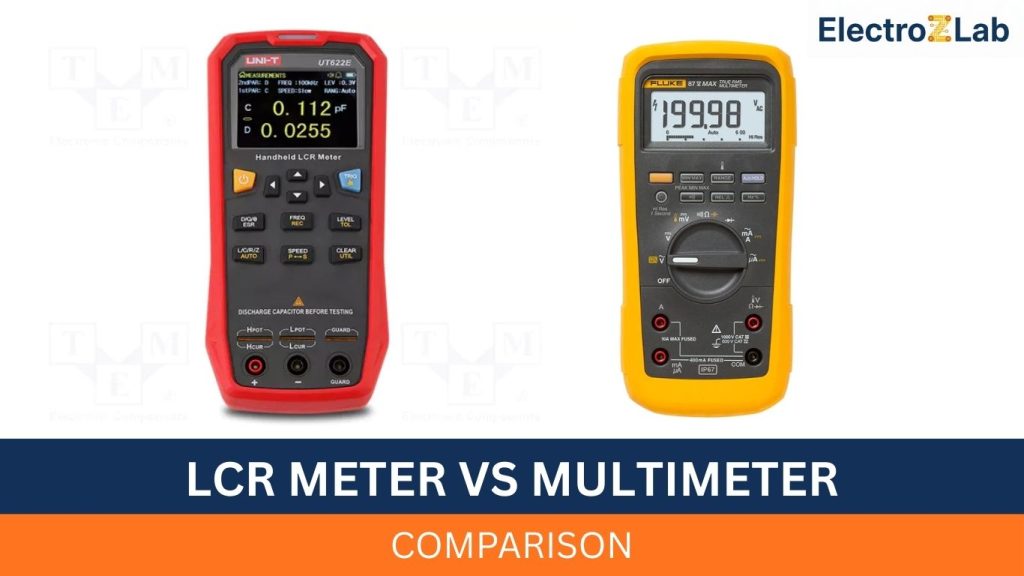
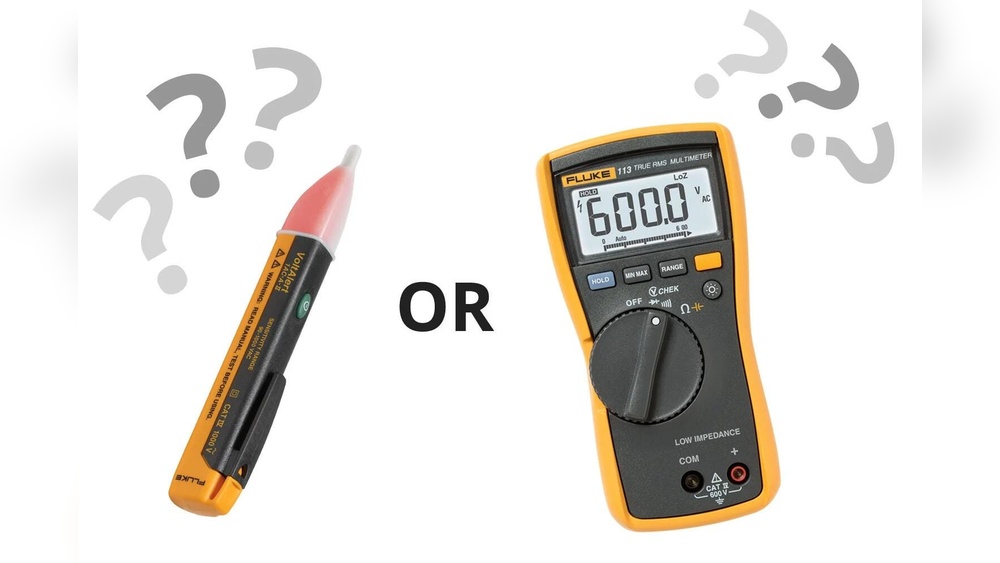
Are you unsure which tool to grab when checking electrical wires— a Non Contact Voltage Tester or a Multimeter? Choosing the right device can save you time, keep you safe, and make your work much easier.
You’ll discover the key differences between these two essential tools, how each one works, and when to use them. By the end, you’ll feel confident picking the perfect tester for your needs, whether you’re a beginner or a pro. Keep reading to make your next electrical job safer and more efficient.
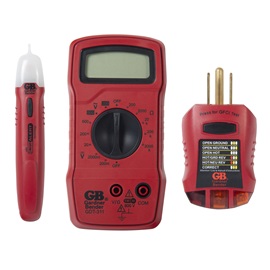
Credit: www.gardnerbender.com
Non Contact Voltage Tester Basics
A Non Contact Voltage Tester is a handy tool for electrical work. It helps check if wires or devices carry electricity without touching them. This makes it safer and quicker to find live wires. Understanding its basics helps you use it correctly and avoid risks.
How It Works
The tester senses electrical fields around wires. It detects voltage without direct contact. You hold it near a wire or outlet. A light or sound alerts you if voltage is present. It uses sensors to pick up electric signals in the air.
Key Features
Non Contact Voltage Testers are small and easy to carry. They usually have a bright light or buzzer for alerts. Most models work on batteries for portability. Some testers adjust to different voltage levels. They do not need direct wire contact to detect power.
Common Uses
This tool checks if wires are live before working on them. Electricians use it to test outlets and switches safely. It helps find breaks in wiring or faulty equipment. Homeowners can use it for quick voltage checks. It is ideal for simple electrical safety tests.
Multimeter Essentials
A multimeter is a tool used to check electrical values. It helps find problems in circuits and devices.
This tool is common among electricians and hobbyists. It combines several measurement functions in one device.
Types Of Multimeters
There are two main types: analog and digital. Analog multimeters have a needle display. Digital multimeters show numbers on a screen.
Digital multimeters are easier to read and more common today. Some multimeters are handheld, while others are bench-top models.
Measuring Capabilities
Multimeters measure voltage, current, and resistance. Some models also test continuity and capacitance. Advanced multimeters can measure temperature and frequency.
These measurements help diagnose electrical issues quickly and safely. The range of measurements depends on the multimeter’s features.
Typical Applications
Multimeters check batteries, wires, and electrical outlets. They test switches and circuit breakers too. Professionals use them for repairs and installations.
Hobbyists use multimeters for DIY electronics projects. They are useful in cars, home wiring, and appliances. A multimeter is a versatile and essential tool.
Safety Considerations
Safety is the top priority when using electrical testing tools. Both non-contact voltage testers and multimeters help find electrical issues. Each tool has unique safety features and risks. Knowing these helps prevent accidents and injuries. Always follow proper safety steps for each device.
Handling Precautions
Non-contact voltage testers detect live wires without touching them. They reduce shock risk but must be used carefully. Check batteries before use. Keep the sensor clean and dry. Do not rely only on this tool for safety checks.
Multimeters require direct contact with wires or terminals. Use insulated probes and hold them properly. Turn off power before changing settings. Wear protective gloves and glasses. Avoid touching metal parts during testing.
Accuracy And Reliability
Non-contact voltage testers offer quick checks but may miss low voltage. They show presence but not exact voltage levels. False positives or negatives can happen.
Multimeters provide precise voltage, current, and resistance readings. They detect subtle electrical problems. Regular calibration keeps readings accurate. Use the right setting for each test.
Risk Factors
Non-contact testers can give false safety signals. Never trust them alone in risky situations. High voltage wires pose serious shock dangers.
Multimeters expose users to direct electrical contact. Wrong settings can cause damage or injury. Overloading the meter can lead to burns or sparks.
Ease Of Use
Ease of use is a key factor when choosing between a Non Contact Voltage Tester and a Multimeter. Both tools serve different purposes but must be simple to handle. This section breaks down their user interface, portability, and learning curve.
User Interface
Non Contact Voltage Testers have a simple design. They usually feature a single button and a light or sound alert. This makes them easy to operate, even for beginners. Multimeters have more buttons and a digital display. They show various readings and settings. This can be confusing for new users. The Multimeter’s interface requires more attention to detail.
Portability
Non Contact Voltage Testers are small and lightweight. They fit easily in a pocket or tool belt. This makes them very handy for quick checks. Multimeters are larger and heavier. Some models can be bulky to carry around. They often come with probes and leads, adding to the size. Portability favors the Non Contact Voltage Tester for on-the-go use.
Learning Curve
The Non Contact Voltage Tester has a very short learning curve. Most users can operate it correctly after a few minutes of practice. Multimeters require more time to learn. Users need to understand different measurement modes and proper probe placement. Mistakes can lead to incorrect readings or damage. Beginners find the Non Contact Voltage Tester easier to start with.
Cost And Value
Cost and value are key factors when choosing between a Non Contact Voltage Tester and a Multimeter. Both tools serve different purposes, so their prices and long-term benefits vary. Understanding these differences helps you pick the right tool for your needs and budget.
Price Range Comparison
Non Contact Voltage Testers usually cost less. They often range from $10 to $30. Multimeters are more expensive, with prices between $20 and $100 or more. The price depends on features and brand quality. Basic multimeters are affordable but advanced models cost more.
Long-term Investment
A multimeter offers more functions. It measures voltage, current, and resistance. This makes it useful for many tasks. A Non Contact Voltage Tester only detects voltage presence. For long-term use, a multimeter gives better value. It saves money by replacing multiple tools.
Maintenance Needs
Non Contact Voltage Testers need minimal upkeep. Usually, just battery replacement is required. Multimeters might need more care. They have delicate parts and display screens. Regular calibration keeps multimeters accurate. Both tools last long if handled properly.

Credit: www.kleintools.co.uk
When To Choose Each Tool
Choosing between a non-contact voltage tester and a multimeter depends on the task. Both tools check electrical current but serve different purposes. Knowing when to use each tool saves time and improves safety. Understanding their strengths helps you pick the right one for the job.
Best Scenarios For Voltage Testers
Voltage testers detect live wires without touching them. They work well for quick checks on outlets, switches, and cords. Use them before starting electrical work to avoid shocks. They are perfect for spotting power in walls or devices safely. Their ease of use makes them great for beginners and fast inspections.
Ideal Situations For Multimeters
Multimeters measure voltage, current, and resistance with precision. Use them for detailed electrical tests and troubleshooting. They help find problems like broken wires or faulty components. Multimeters are essential for electricians and serious DIY projects. They provide exact numbers, not just a live or dead signal.
Combining Both Tools
Using both tools improves safety and accuracy. Start with a voltage tester to check for power quickly. Then use a multimeter to measure and diagnose electrical issues. This approach saves time and reduces errors. Both tools together cover basic checks and advanced tests well.
:max_bytes(150000):strip_icc()/Top-electrical-testers-11522571-v1-f9cdf41a3e854bbfa684f2a86461dcd7.png)
Credit: www.thespruce.com
Frequently Asked Questions
What Is A Non Contact Voltage Tester?
A non contact voltage tester detects electrical voltage without touching wires. It ensures safety by sensing live circuits quickly and easily. It’s ideal for basic voltage presence checks without risking electric shock.
How Does A Multimeter Differ From A Voltage Tester?
A multimeter measures voltage, current, and resistance with precision. It provides detailed electrical readings, unlike voltage testers that only detect voltage presence. Multimeters are versatile tools used for complex electrical diagnostics.
When Should I Use A Non Contact Voltage Tester?
Use a non contact voltage tester for quick, safe voltage detection. It’s perfect for checking if wires or outlets are live before work. It helps prevent electrical accidents by confirming power status without contact.
Can A Multimeter Replace A Non Contact Voltage Tester?
A multimeter can detect voltage but requires contact with wires. It’s more complex and less safe for quick checks. Non contact testers offer safer, faster voltage detection without direct contact.
Conclusion
Both non-contact voltage testers and multimeters serve useful roles. Non-contact testers quickly check for live wires without touching them. Multimeters offer detailed readings like voltage, current, and resistance. Choosing depends on the task and your comfort level. For simple safety checks, a non-contact tester works well.
For deeper troubleshooting, a multimeter is better. Knowing their differences helps you pick the right tool. Stay safe and work smart by using the right device. Simple tools, smart choices.

I’m Asif Ur Rahman Adib, an Electrical Engineer and lecturer. My journey began in the lab, watching students struggle with instruments they used every day without fully understanding them. Over time, I’ve combined teaching, research, and hands-on experience to help others grasp electrical concepts clearly, safely, and practically—whether it’s understanding a circuit or mastering a multimeter.