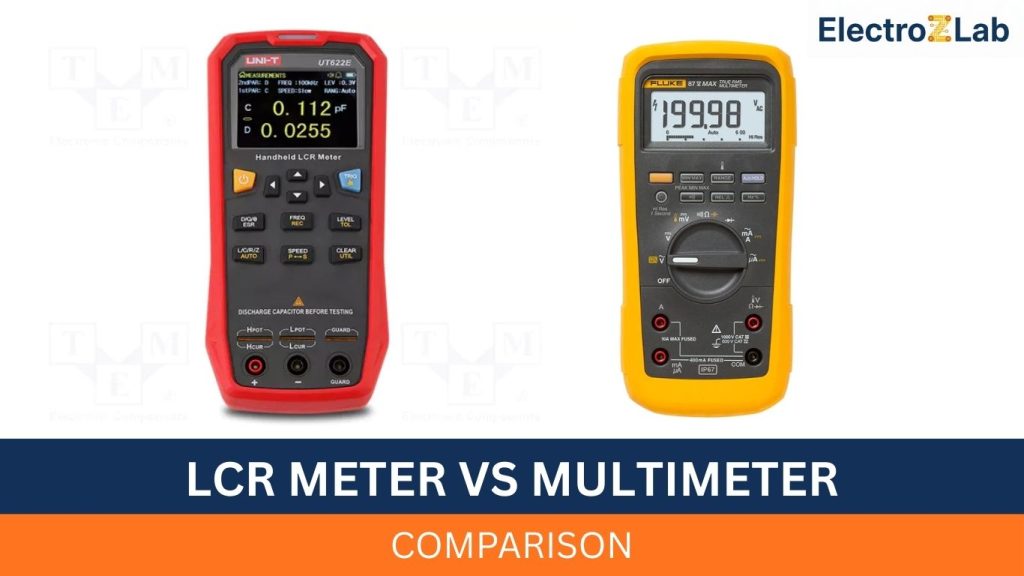
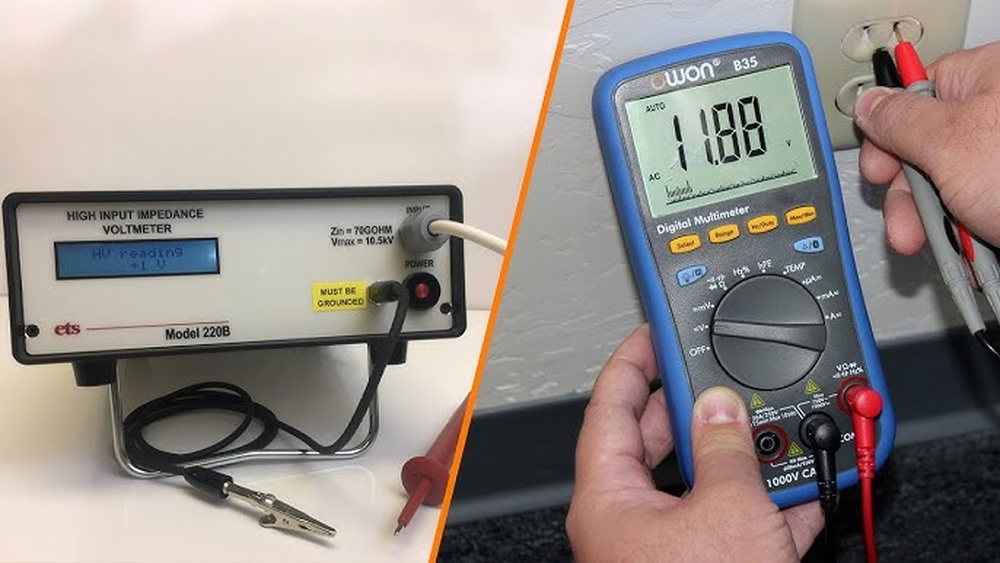
When you’re working with electrical circuits, choosing the right tool can make all the difference. You might wonder whether a voltmeter or a multimeter is better for your needs.
Both devices measure electrical values, but they serve different purposes. Understanding these differences can save you time, prevent mistakes, and even protect your safety. If you want to know which tool fits your project perfectly, keep reading. This guide will clear up the confusion and help you make smart choices every time.
Voltmeter Basics
A voltmeter is a simple tool that measures electric voltage. It helps check how much electric potential exists between two points in a circuit. Knowing voltage levels is important for fixing and testing electrical devices.
Voltmeters show voltage in volts (V). They come in different styles and sizes, depending on the task. Understanding how voltmeters work makes it easier to choose the right one.
Purpose And Function
The main purpose of a voltmeter is to measure voltage. It connects across two points in an electrical circuit. It tells if a circuit has power or if something is wrong.
Voltmeters do not measure current or resistance. They only show the voltage level. This helps technicians check batteries, outlets, and circuits quickly.
Types Of Voltmeters
There are two common types of voltmeters: analog and digital. Analog voltmeters use a needle and dial to show voltage. They need careful reading and can be less precise.
Digital voltmeters show the voltage as numbers on a screen. They are easier to read and more accurate. Digital models are popular for everyday use.
Measurement Range
Voltmeters have different measurement ranges. Some measure low voltages, like 0 to 20 volts. Others can measure high voltages, up to thousands of volts.
Choosing the right range is important. Too low a range can damage the meter. Too high a range can give less accurate results.

Credit: www.differencebetween.net
Multimeter Basics
Understanding the basics of a multimeter helps you measure electrical values correctly. This tool is common in homes and workshops. It combines several measurement functions in one device. Easy to use and versatile, it saves time and effort.
Below, learn more about the purpose, types, and measurement abilities of multimeters.
Purpose And Function
A multimeter checks electrical properties like voltage, current, and resistance. It helps find problems in circuits and devices. It can test batteries, wires, and switches. Using a multimeter ensures safety and accuracy in electrical work.
Types Of Multimeters
There are two main types: analog and digital multimeters. Analog ones use a needle to show readings. Digital multimeters display numbers on a screen. Digital models are easier to read and more common today. Some advanced multimeters include extra features for specific tasks.
Measurement Capabilities
Multimeters can measure voltage in AC and DC forms. They also measure current flow and resistance in circuits. Some models test continuity, temperature, and capacitance. These measurements help diagnose electrical issues quickly. Using the right setting improves measurement accuracy.
Key Differences
The key differences between a voltmeter and a multimeter lie in their functions and uses. Understanding these differences helps choose the right tool for your task. Both tools measure electrical values but serve different purposes.
Measurement Functions
A voltmeter only measures voltage. It shows the electrical potential difference between two points. A multimeter can measure voltage, current, and resistance. Some advanced multimeters also test continuity and diodes. This makes multimeters more versatile than voltmeters.
Usage And Applications
Voltmeters are used mainly to check voltage in circuits. They are common in simple electrical tasks. Multimeters work in many fields, such as electronics repair, automotive, and home wiring. They help diagnose problems by measuring multiple electrical parameters. Professionals and hobbyists often prefer multimeters for their flexibility.
Accuracy And Precision
Voltmeters usually offer good accuracy for voltage measurement. Multimeters vary in accuracy depending on their quality and features. High-end multimeters provide precise readings for all measurements. Lower-cost models may be less accurate. Always choose a tool that matches the accuracy needed for your work.
Display And Interface
Voltmeters often have simple analog or digital displays. Multimeters usually feature digital screens with multiple functions. Many multimeters have buttons to switch between measurement modes. Some models include backlight and data hold features. The interface design helps users read and change settings easily.
When To Use Each
Knowing when to use a voltmeter or a multimeter is key for accurate electrical measurements. Each tool serves different purposes based on the task. Picking the right device saves time and avoids mistakes.
Ideal Scenarios For Voltmeter
Use a voltmeter when you need to measure only voltage. It is perfect for checking battery levels or power supply output. Simple circuits and quick voltage checks benefit from a voltmeter’s focus. It shows voltage clearly without extra settings or functions. Voltmeter use is ideal in educational labs or basic home repairs.
Ideal Scenarios For Multimeter
A multimeter suits tasks that require multiple measurements. It measures voltage, current, and resistance all in one tool. Troubleshooting complex circuits needs a multimeter’s versatility. Electricians and technicians often use multimeters for detailed testing. It helps find faults by measuring different electrical properties quickly.
Choosing The Right Tool
Choosing the right tool for electrical measurements is important. It helps you get accurate results and work safely. Both voltmeters and multimeters measure electrical properties, but they serve different needs. Picking the right one depends on what you plan to do and your skills.
Understanding the differences can save time and money. This guide explains key factors to help you decide.
Factors To Consider
Think about what you want to measure. Voltmeter measures only voltage. Multimeter measures voltage, current, and resistance. Consider the types of tasks you do most often. Also, check if you need digital or analog readings. Digital tools give clearer numbers. Analog tools show trends and changes better.
Budget And Features
Voltmeter is usually cheaper. Multimeter costs more because it has more functions. Decide what features matter most. If you need to measure current or resistance, choose a multimeter. Basic voltage checks can be done with a voltmeter. Some multimeters have extra features like continuity tests or temperature readings. Think about what fits your budget and needs.
User Skill Level
Beginners find voltmeters easier to use. They have fewer settings and are simple. Multimeters need more knowledge to operate safely and correctly. Read the manual carefully. Practice using the tool on simple circuits before moving to complex ones. Choosing a tool that matches your skill helps avoid mistakes and accidents.

Credit: www.youtube.com

Credit: www.dynamicgroup.net.au
Frequently Asked Questions
What Is The Main Difference Between Voltmeter And Multimeter?
A voltmeter measures only voltage in a circuit. A multimeter measures voltage, current, and resistance, making it more versatile for electrical testing.
Can A Multimeter Replace A Voltmeter Completely?
Yes, a multimeter can replace a voltmeter since it includes voltage measurement. It also provides additional functions like current and resistance testing.
When Should I Use A Voltmeter Over A Multimeter?
Use a voltmeter for simple voltage checks with easy-to-read results. Multimeters are better for complex diagnostics needing multiple measurements.
How Accurate Are Voltmeters Compared To Multimeters?
Both devices offer accurate voltage readings. However, digital multimeters often provide higher precision and more measurement options than analog voltmeters.
Conclusion
Both voltmeters and multimeters help measure electrical values. Voltmeters only check voltage, while multimeters measure voltage, current, and resistance. A multimeter offers more functions but can be complex for beginners. Choose the tool based on your needs and skill level.
Understanding their differences helps you work safely and accurately. Keep practicing to get comfortable using either device. Simple tools, clear results. That’s the key.

I’m Asif Ur Rahman Adib, an Electrical Engineer and lecturer. My journey began in the lab, watching students struggle with instruments they used every day without fully understanding them. Over time, I’ve combined teaching, research, and hands-on experience to help others grasp electrical concepts clearly, safely, and practically—whether it’s understanding a circuit or mastering a multimeter.