When it comes to choosing the right oscilloscope for your projects, you might find yourself stuck between a USB oscilloscope and a traditional bench oscilloscope. Which one fits your needs better?
Which tool will save you time, space, and money without compromising on performance? If you want to get clear answers and make a confident decision, you’re in the right place. This guide will help you understand the key differences, benefits, and drawbacks of each option—so you can pick the perfect oscilloscope for your work.
Keep reading to find out which one suits your setup and goals best.
Key Features Of Usb Oscilloscopes
USB oscilloscopes have become popular tools for electronics testing and troubleshooting. They offer unique features that make them different from traditional bench oscilloscopes. Understanding these key features helps users choose the right device for their needs.
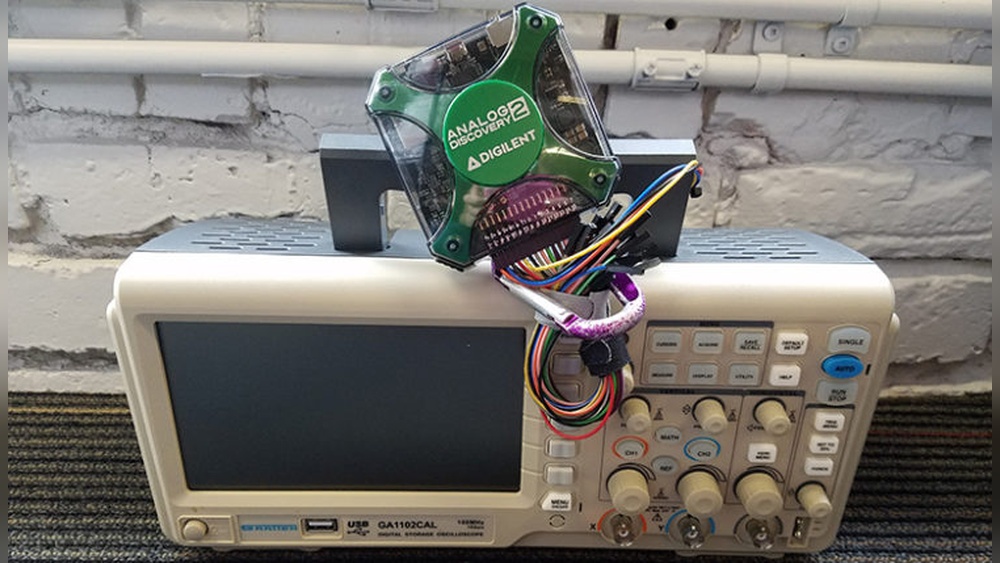
USB oscilloscopes connect directly to a computer or laptop. This allows users to analyze signals using software. The combination of hardware and software creates a flexible testing solution.
Portability And Compact Design
USB oscilloscopes are small and lightweight. They fit easily into a toolbox or backpack. This makes them perfect for fieldwork and on-site repairs. Users can carry them anywhere without extra hassle.
Connectivity And Software Integration
These devices connect through USB ports. The connection supports fast data transfer. Users can view waveforms on larger computer screens. Software often includes tools for analysis and saving data. This integration improves testing accuracy and convenience.
Sampling Rates And Bandwidth
USB oscilloscopes provide various sampling rates. Higher rates capture detailed signals more clearly. Bandwidth varies based on model and use case. Choosing the right bandwidth ensures accurate signal measurement.
Power Consumption
USB oscilloscopes use power from the computer’s USB port. They consume less power than traditional bench scopes. This efficiency helps extend laptop battery life. It also reduces the need for extra power adapters.
Key Features Of Bench Oscilloscopes
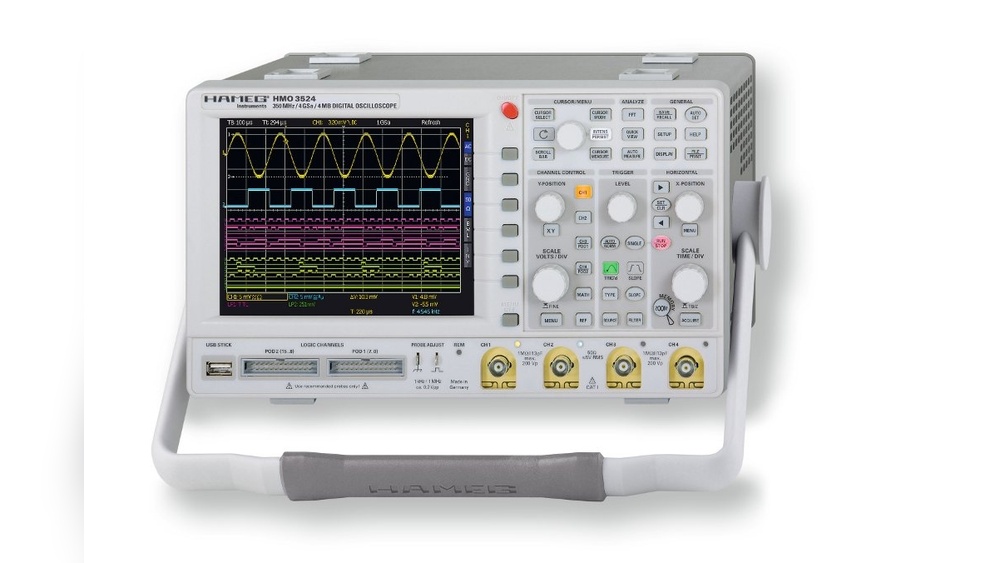
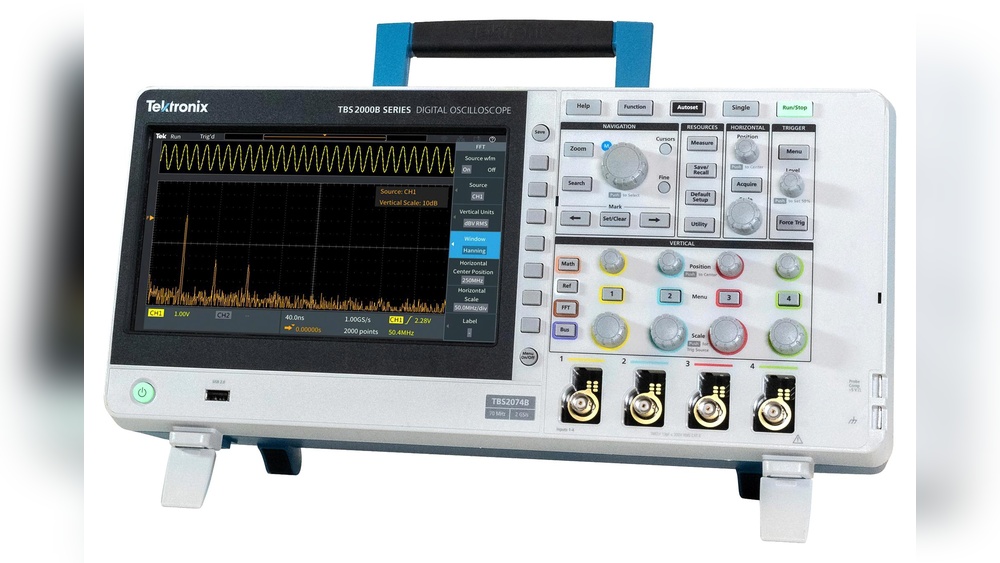
Bench oscilloscopes are powerful tools for detailed signal analysis. They offer features that suit complex testing and development work. Their design supports long hours of use in labs and workshops.
Understanding their key features helps choose the right model for your needs. Each feature adds value to accuracy and user experience.
Display And Interface
Bench oscilloscopes have large, bright screens. The display shows waveforms clearly with high resolution. Users can see fine details without straining their eyes. The interface usually includes buttons and knobs. These controls let users adjust settings quickly. Menus are easy to navigate, making setup simple.
Advanced Measurement Capabilities
These oscilloscopes support many automatic measurements. They can calculate frequency, amplitude, rise time, and more. Complex signals can be analyzed with built-in math functions. Some models include protocol decoding for serial data. These tools save time and reduce errors in testing.
Input Channels And Probes
Bench oscilloscopes have multiple input channels, often two to four. This allows simultaneous viewing of several signals. High-quality probes come with the device or are compatible. Probes match the bandwidth and accuracy of the scope. Proper probes ensure reliable and precise signal capture.
Durability And Build Quality
These devices are built to last in tough environments. Strong casing protects internal parts from damage. Stable feet prevent slipping on workbenches. The design supports long-term daily use without wear. Reliable build quality means fewer repairs and longer service.
Performance Comparison
Comparing the performance of USB oscilloscopes and bench oscilloscopes helps choose the right tool. Both types serve similar purposes but differ in key areas. Understanding these differences aids in picking the device that fits your needs.
Signal Accuracy And Resolution
Bench oscilloscopes usually offer higher signal accuracy than USB models. They provide better resolution and cleaner waveforms. USB oscilloscopes may have lower resolution but remain useful for basic signals. Precise measurements matter most in complex or sensitive tasks.
Real-time Analysis
Bench oscilloscopes handle real-time analysis faster and with less delay. They process signals internally without relying on a computer. USB oscilloscopes depend on the computer’s speed, which can cause slight delays. Quick analysis is vital for fast-changing signals.
Triggering And Waveform Capture
Bench oscilloscopes have advanced triggering options to catch tricky signals. They capture waveforms with high detail and accuracy. USB oscilloscopes offer basic triggering features suitable for simple tasks. Accurate triggering helps capture the exact moment of interest in a signal.
Credit: www.testequity.com
Use Cases And Applications
Understanding the use cases of USB oscilloscopes and bench oscilloscopes helps choose the right tool. Each type suits different environments and tasks. Some excel in mobility, while others fit fixed setups.
Fieldwork And On-the-go Testing
USB oscilloscopes are perfect for fieldwork. They connect easily to laptops and are lightweight. Engineers carry them to remote sites. They test signals quickly without heavy equipment. Battery-powered options add to their convenience.
Lab And Stationary Testing
Bench oscilloscopes fit well in labs. They offer a wide range of features and large screens. Stable power and advanced functions support detailed analysis. These devices stay on workbenches for long periods. They handle complex testing with high accuracy.
Education And Training
Both types serve education but differently. USB oscilloscopes help students learn outside labs. They allow hands-on practice with real circuits anywhere. Bench oscilloscopes provide clear displays for classrooms. Teachers demonstrate waveforms and circuit behavior easily.
Repair And Debugging
Repair technicians use oscilloscopes to find faults. USB models help in tight spaces and quick checks. Bench scopes give detailed views for deep troubleshooting. Both assist in identifying signal problems fast. Choosing depends on repair location and complexity.
Cost And Value Considerations
Choosing between a USB oscilloscope and a bench oscilloscope involves thinking about cost and value. Both types have different price points and expenses that affect your budget. Understanding these costs helps you decide which tool fits your needs and wallet best.
Initial Investment
USB oscilloscopes usually cost less upfront. They use your computer as a screen, cutting hardware expenses. Bench oscilloscopes need a bigger initial payment. They come with their own display and controls. The price reflects their power and features. Think about how much you can spend at the start.
Maintenance And Upgrades
Bench oscilloscopes may require more maintenance. They have more parts that can wear out or break. USB oscilloscopes have fewer moving parts and less chance of hardware issues. Upgrading a bench model might mean buying new hardware. USB scopes often update by installing new software. This can save money over time.
Software Licensing
USB oscilloscopes often need software licenses. Some offer free basic software but charge for advanced features. Bench oscilloscopes usually include their software in the price. Watch for hidden costs in software upgrades or add-ons. This factor can affect the total cost of ownership.
User Experience And Ease Of Use
User experience and ease of use play a big role in choosing between a USB oscilloscope and a bench oscilloscope. Both types offer unique benefits that affect how users interact with the device. Understanding these differences helps pick the right tool for your needs.
Setup And Portability
USB oscilloscopes are small and easy to carry. They connect directly to a laptop or PC via a USB cable. No extra space is needed. Bench oscilloscopes are larger and require a dedicated workspace. They plug into a power outlet and often need extra accessories. This setup takes more time and space.
User Interface And Controls
Bench oscilloscopes have built-in screens and buttons. Controls are physical and easy to find by touch. USB oscilloscopes rely on software interfaces on a computer. This can mean more options but may feel less direct. Some users prefer the tactile feedback of bench scopes. Others like the flexibility of software controls.
Learning Curve
Bench oscilloscopes offer a familiar layout for many users. This makes learning faster for beginners. USB oscilloscopes need basic computer skills and software knowledge. It can take time to get used to the software interface. Both types require practice, but bench scopes often feel more intuitive at first.
Future Trends And Innovations
The world of oscilloscopes is changing fast. New technologies bring fresh features and ease of use. Both USB and bench oscilloscopes gain new capabilities. These future trends will help users work smarter and faster.
Integration With Mobile Devices
Oscilloscopes will connect more with smartphones and tablets. This allows users to view and control their scopes on the go. Mobile apps will make data sharing easier. Portable use becomes simpler with this link to mobile devices.
Cloud Connectivity
Saving and accessing data via the cloud will grow common. Users can store waveforms and measurements online safely. Cloud access helps teams work together from different places. Remote monitoring and data backup become more reliable and quick.
Ai-assisted Analysis
Artificial intelligence will help interpret complex signals. AI tools will spot patterns and errors faster than before. This reduces human mistakes and speeds up troubleshooting. Smart analysis will support both beginners and experts in their work.
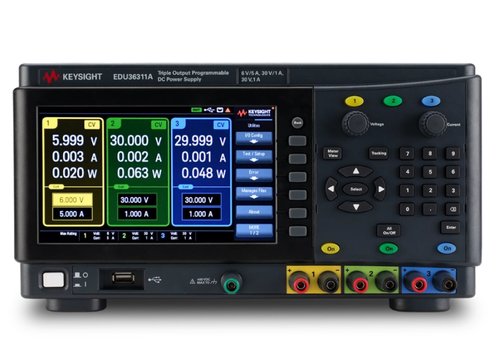
Credit: www.altoo.dk
Making The Best Choice
Choosing between a USB oscilloscope and a bench oscilloscope depends on your specific needs. Both tools serve important roles in testing and troubleshooting electronic circuits. Understanding their differences helps you pick the right device for your projects.
Assessing Your Needs
Think about what you will measure most often. A bench oscilloscope is great for detailed, long-term testing. It offers more channels and higher accuracy. A USB oscilloscope works well for quick checks and fieldwork. It is portable and easy to connect to a laptop.
Consider the space where you work. Bench scopes need a desk and power outlet. USB scopes need less space and use your computer’s screen. Your typical tasks and environment guide the best choice.
Balancing Features And Budget
Bench oscilloscopes have advanced features but cost more. USB oscilloscopes are budget-friendly and still offer good functions. Look at the sample rate, bandwidth, and memory size. Choose the one that fits your main tasks without overspending.
Extra features may not always be necessary. Focus on what you will use daily. A simple, reliable device often works better than a complex, expensive one.
Long-term Considerations
Think about how your needs might change over time. A bench oscilloscope can grow with your skills and projects. It usually lasts longer and has better support. USB oscilloscopes are easy to upgrade by changing software.
Check the manufacturer’s warranty and customer service. Good support saves time and money later. Consider if portability or advanced features matter more in the future.
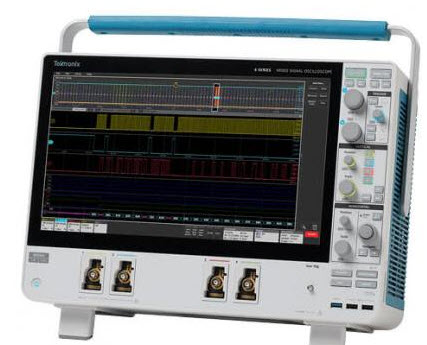
Credit: www.ganssle.com
Frequently Asked Questions
What Is A Usb Oscilloscope?
A USB oscilloscope connects to a computer via USB. It offers portability and cost-effectiveness. It’s ideal for basic signal analysis and fieldwork.
How Does A Bench Oscilloscope Differ?
A bench oscilloscope is a standalone device. It usually offers higher bandwidth and more features. It suits detailed lab analysis and long-term use.
Which Oscilloscope Is Better For Beginners?
USB oscilloscopes are user-friendly and affordable. They work well for learning and simple projects. Bench oscilloscopes may overwhelm beginners due to advanced settings.
Can Usb Oscilloscopes Replace Bench Models?
USB oscilloscopes can replace bench scopes in basic tasks. However, bench scopes excel in accuracy and performance. Professionals often prefer bench scopes for critical measurements.
Conclusion
Choosing between a USB oscilloscope and a bench model depends on your needs. USB scopes offer portability and easy computer connection. Bench oscilloscopes provide more features and better performance. Both types help you analyze electronic signals clearly. Consider your budget, space, and how often you use the tool.
Simple tasks may suit a USB oscilloscope well. Complex work might require a bench oscilloscope. Think about what fits your projects best. This way, you pick the right oscilloscope for your work.

I’m Asif Ur Rahman Adib, an Electrical Engineer and lecturer. My journey began in the lab, watching students struggle with instruments they used every day without fully understanding them. Over time, I’ve combined teaching, research, and hands-on experience to help others grasp electrical concepts clearly, safely, and practically—whether it’s understanding a circuit or mastering a multimeter.