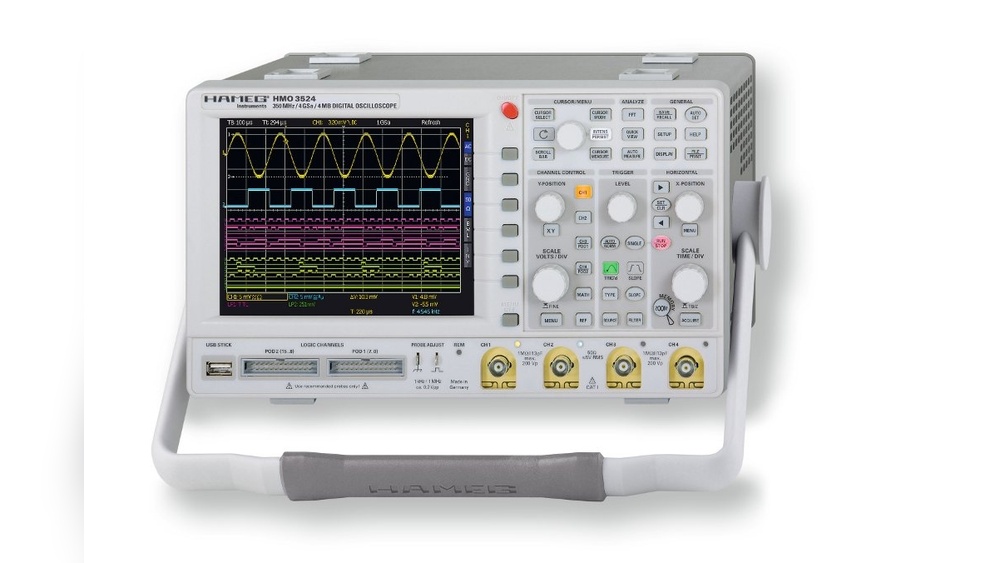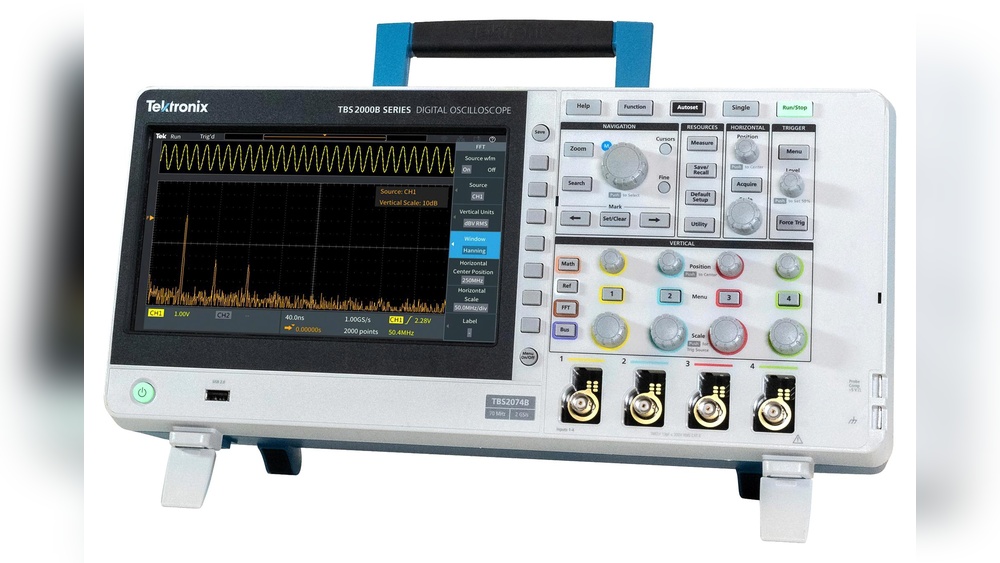
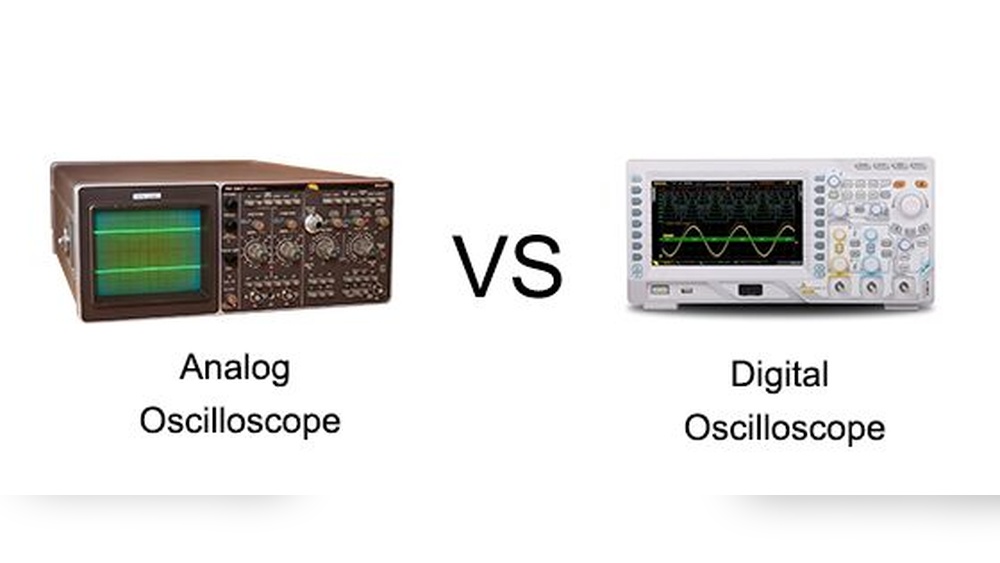
Are you trying to choose the right oscilloscope for your projects but feel confused by all the technical jargon? Understanding the difference between analog and digital oscilloscopes can save you time, money, and frustration.
This guide will help you see exactly how each type works, what makes them unique, and which one fits your needs best. Keep reading, and by the end, you’ll feel confident making the smart choice for your work or hobby.

Credit: www.youtube.com
Basics Of Oscilloscopes
Oscilloscopes are essential tools in electronics and engineering. They help visualize electrical signals in real time. Understanding their basics is key to choosing the right type for your needs.
Both analog and digital oscilloscopes serve similar purposes but work differently. Knowing their core functions makes it easier to compare them effectively.
What Is An Oscilloscope
An oscilloscope is a device that shows voltage signals on a screen. It displays how signals change over time. This helps users analyze the behavior of electrical circuits.
It can capture fast changes that are invisible to the naked eye. The screen usually shows a graph with time on the horizontal axis and voltage on the vertical axis. This visual form makes complex signals easier to understand.
Key Functions And Uses
Oscilloscopes measure wave shapes, frequency, and amplitude of signals. They detect problems like noise, distortion, or signal loss in circuits. These tools help engineers test and troubleshoot electronic devices.
They are widely used in fields like telecommunications, automotive, and medical equipment. Students and hobbyists also use oscilloscopes for learning and experimentation. The ability to see electrical signals makes development and repair faster and more accurate.
Credit: www.tek.com
Analog Oscilloscope Features
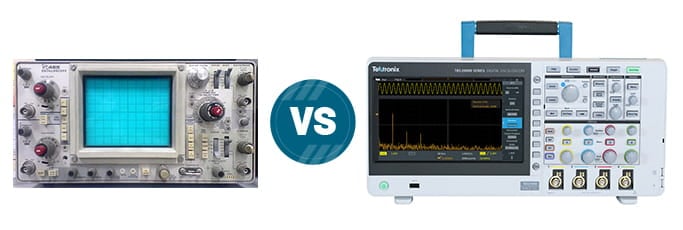
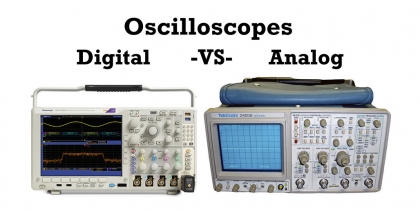
Analog oscilloscopes are classic tools used to view electrical signals. They show waveforms directly on a screen using electron beams. These devices have been essential for engineers and technicians for decades.
Understanding the features of analog oscilloscopes helps in comparing them with digital ones. This section covers how they work, how they display signals, and their pros and cons.
Working Principle
Analog oscilloscopes work by moving an electron beam across a screen. The beam changes position based on the input signal voltage. The vertical movement shows the signal strength over time.
The screen is coated with phosphor, which glows when hit by the beam. This glow creates a visible trace of the waveform. The beam moves from left to right to display the signal continuously.
Display And Signal Representation
The display is a cathode ray tube (CRT) in most analog oscilloscopes. It shows a live, smooth waveform of the signal. This live view helps users see changes instantly without delay.
Signals appear as bright lines on the screen. The brightness depends on the beam intensity. Users can adjust controls to change the sweep speed and voltage scale.
Advantages And Limitations
Analog oscilloscopes offer real-time signal viewing with no processing delay. They are simple to use for basic waveform analysis. The continuous trace helps detect quick changes in signals.
Limitations include lower precision and no storage of waveforms. They cannot save or analyze signals digitally. The screen size and resolution limit detailed observations.
These scopes are less flexible compared to digital types. They are also bulkier and use more power. Despite this, many users prefer them for their straightforward operation.
Digital Oscilloscope Features
Digital oscilloscopes have changed how we view and analyze signals. They bring many useful features that make signal testing easier and more accurate. These features help engineers and hobbyists get clear views of electrical waves in real time.
Let’s explore the key features of digital oscilloscopes and understand how they work, how they display signals, and their pros and cons.
Working Principle
Digital oscilloscopes capture signals by converting analog waves into digital data. An internal analog-to-digital converter (ADC) samples the input signal rapidly. This data is then stored in memory for processing. The scope uses this digital data to recreate the waveform on the screen. This method allows for detailed analysis and easy storage of signals.
Display And Signal Processing
The display shows waveforms clearly in high resolution. Digital scopes can zoom in on parts of the waveform for closer inspection. They also use signal processing techniques to reduce noise and improve clarity. Users can apply filters, measure signal properties automatically, and even save waveforms for later review.
Advantages And Limitations
Digital oscilloscopes offer high accuracy and easy data storage. They provide flexible measurement tools and support complex signal analysis. Many models allow connection to computers for further processing. However, digital scopes may have limited bandwidth compared to analog models. They also rely on processing speed, which can affect real-time signal display.
Performance Comparison
The performance of oscilloscopes varies greatly between analog and digital types. This difference affects how well each device measures and displays electrical signals. Understanding these differences helps in choosing the right tool for your needs. The key areas to consider are accuracy, signal capture, and frequency range.
Accuracy And Resolution
Analog oscilloscopes show signals directly using a continuous trace. This method gives smooth waveforms but may lack precise detail. Digital oscilloscopes convert signals into numbers. This process allows higher accuracy and better resolution. Digital devices can show fine details and small changes in signals more clearly.
Signal Capture And Storage
Analog scopes display signals in real-time only. They cannot save data or show past signals. Digital oscilloscopes capture and store signals for later analysis. They can record complex waveforms and replay them. This feature helps in troubleshooting and detailed study of signals over time.
Frequency Range And Bandwidth
Analog oscilloscopes usually have limited bandwidth. They work well for low to medium frequency signals. Digital oscilloscopes cover a wider frequency range. They can measure very fast signals with high accuracy. This makes digital scopes better for modern electronics and high-speed circuits.
User Interface And Usability
The user interface and usability of oscilloscopes greatly affect the experience of engineers and hobbyists. Analog and digital oscilloscopes offer different approaches. These differences impact how quickly users can set up and analyze signals. Understanding these aspects helps users pick the right tool for their needs.
Controls And Settings
Analog oscilloscopes have simple, manual knobs and switches. Users adjust settings like time base and voltage scale by turning dials. This tactile control feels intuitive to many. Digital oscilloscopes use buttons and menus on screens. Settings can be saved and recalled easily. The screen shows more details, but menu navigation may slow beginners. Overall, analog offers fast, direct control. Digital provides more options and precision.
Data Analysis And Export
Analog scopes display signals on a screen but do not store data. Users must interpret waveforms live. Digital oscilloscopes capture and save waveforms for later review. They include tools for measuring frequency, amplitude, and more. Exporting data to a computer is simple with digital models. This helps with reports and detailed analysis. Analog scopes lack this capability, requiring manual notes or photos.
Portability And Size
Analog oscilloscopes are usually bulkier and heavier. Their internal parts take up more space. Digital oscilloscopes can be compact and lightweight. Some models even fit in a pocket. Portability matters for fieldwork and quick tests. Digital scopes win in this area due to smaller size and battery power options. Analog scopes suit stationary labs better.
Applications And Suitability
Choosing between analog and digital oscilloscopes depends on the tasks and environments. Each type has unique strengths that suit different applications. Knowing where each excels helps in picking the right tool for specific needs.
Best Use Cases For Analog
Analog oscilloscopes show waveforms in real-time. They are ideal for simple signal monitoring. Their smooth display helps detect small, fast changes easily. These scopes work well in educational labs. They are also preferred for troubleshooting classic electronics. Analog scopes excel in audio and radio frequency testing. Their continuous trace gives a clear picture of signal shape.
Best Use Cases For Digital
Digital oscilloscopes capture and store waveforms. They can analyze complex signals with precision. These scopes suit digital circuit testing and embedded system work. They offer features like automatic measurements and signal math. Digital scopes are perfect for long-term data recording. Engineers use them in automotive and industrial electronics. Their ability to save data helps in detailed analysis.
Industry Preferences
Education and hobbyists often favor analog oscilloscopes. Their simplicity and real-time display are helpful for learning. Industrial and research fields lean towards digital oscilloscopes. The advanced functions fit well with modern electronics. Repair shops may use both types depending on the device. The choice depends on the complexity of the signals. Digital scopes dominate where precision and data storage matter most.
Cost And Maintenance
Cost and maintenance play a big role in choosing between analog and digital oscilloscopes. Understanding the expenses helps plan your budget better. It also guides you in managing the tool over time.
Initial Investment
Analog oscilloscopes usually cost less to buy. They have simpler designs and fewer features. Digital oscilloscopes come with advanced functions. This makes them more expensive at the start.
For basic tasks, an analog scope might be enough. For complex work, digital scopes offer better value despite higher price.
Operating Costs
Analog scopes use more power and need frequent replacements. Their screens and parts wear out faster. Digital scopes are energy-efficient and last longer. They need less frequent part changes.
Digital scopes also offer software updates. This keeps them current without buying new hardware. This lowers long-term costs compared to analog models.
Repair And Calibration
Analog scopes require regular calibration for accurate readings. Repairs can be costly because parts are older. Finding replacement parts is harder now.
Digital scopes need less frequent calibration. Their self-calibration features save time and money. Repairs are simpler with available parts and support.
Credit: www.axiomtest.com
Future Trends In Oscilloscope Technology
Oscilloscope technology is evolving rapidly. New trends shape how engineers and technicians test and measure signals. Both analog and digital oscilloscopes are adapting to meet modern needs. These changes aim to improve accuracy, ease of use, and connectivity.
Emerging Features
Oscilloscopes now offer higher bandwidth and faster sampling rates. Advanced trigger options help capture complex signals easily. Some models include touchscreens and color displays for better user interaction. AI-based signal analysis is also becoming common to detect issues quickly.
Integration With Other Tools
Modern oscilloscopes connect smoothly with computers and mobile devices. They support cloud storage for easy data sharing and backup. Integration with software like MATLAB or LabVIEW allows deeper analysis. Some devices can link to logic analyzers and spectrum analyzers in one system.
Impact On Testing And Measurement
These advancements speed up troubleshooting and reduce errors. Engineers can test more complex circuits with confidence. Remote access lets teams work together from different locations. Overall, oscilloscope technology helps deliver better results faster.
Frequently Asked Questions
What Is The Main Difference Between Analog And Digital Oscilloscopes?
Analog oscilloscopes display signals using continuous waveforms, while digital oscilloscopes convert signals into digital data for processing and display. Digital scopes offer more features like storage and analysis, whereas analog scopes provide real-time, smooth signal visualization.
Which Oscilloscope Type Is Better For Beginners?
Digital oscilloscopes are better for beginners due to their user-friendly interfaces and advanced features. They allow easy measurement, storage, and data analysis, making learning simpler compared to analog oscilloscopes, which require more manual adjustments.
How Do Analog And Digital Oscilloscopes Handle Signal Accuracy?
Digital oscilloscopes provide higher accuracy by sampling signals and processing data digitally. Analog oscilloscopes show real-time signals but may have slight distortions due to analog circuitry, making digital scopes preferable for precise measurements.
Can Digital Oscilloscopes Capture Transient Signals Better Than Analog?
Yes, digital oscilloscopes capture transient and complex signals better due to high sampling rates and memory storage. Analog oscilloscopes might miss short or rare events as they lack data storage and advanced triggering.
Conclusion
Analog and digital oscilloscopes each have clear strengths. Analog scopes show signals in real time with smooth motion. Digital scopes offer features like storage and detailed analysis. Choosing depends on your needs and budget. Simple tasks may suit analog’s direct display.
Complex work benefits from digital’s precision and flexibility. Both tools remain valuable in electronics and learning. Understanding their differences helps you pick the right one. The best oscilloscope matches your project and skill level. Explore both to find what fits you best.

I’m Asif Ur Rahman Adib, an Electrical Engineer and lecturer. My journey began in the lab, watching students struggle with instruments they used every day without fully understanding them. Over time, I’ve combined teaching, research, and hands-on experience to help others grasp electrical concepts clearly, safely, and practically—whether it’s understanding a circuit or mastering a multimeter.