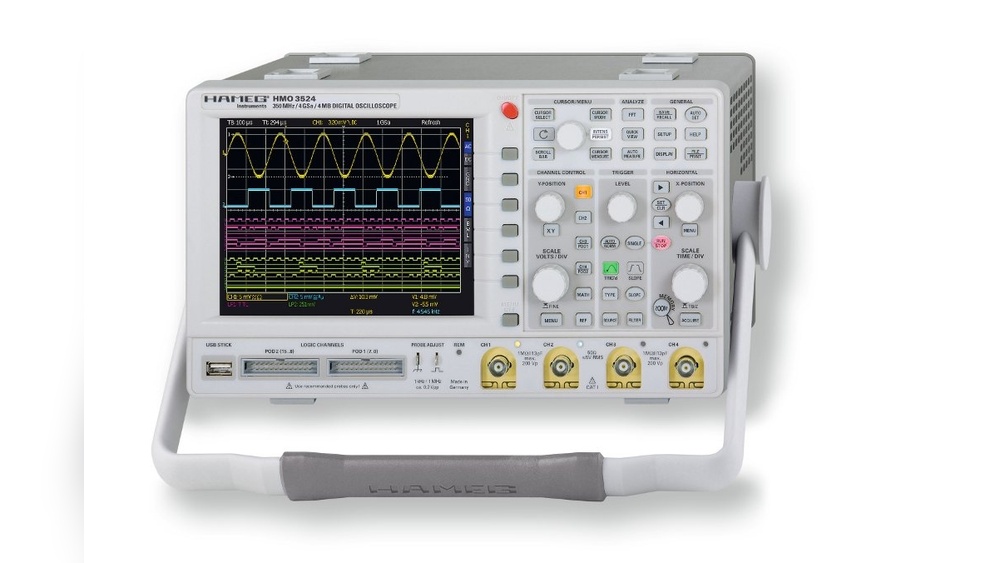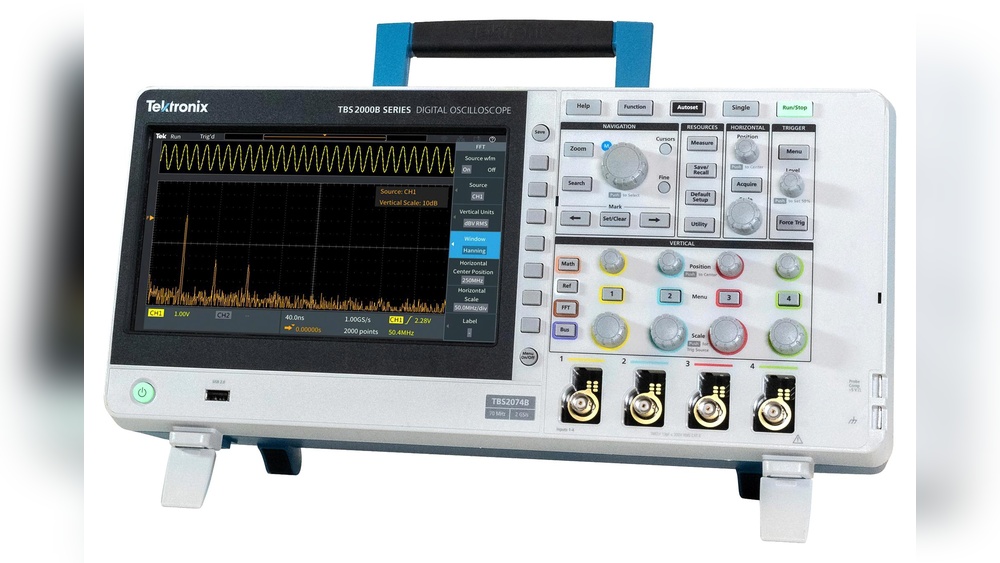
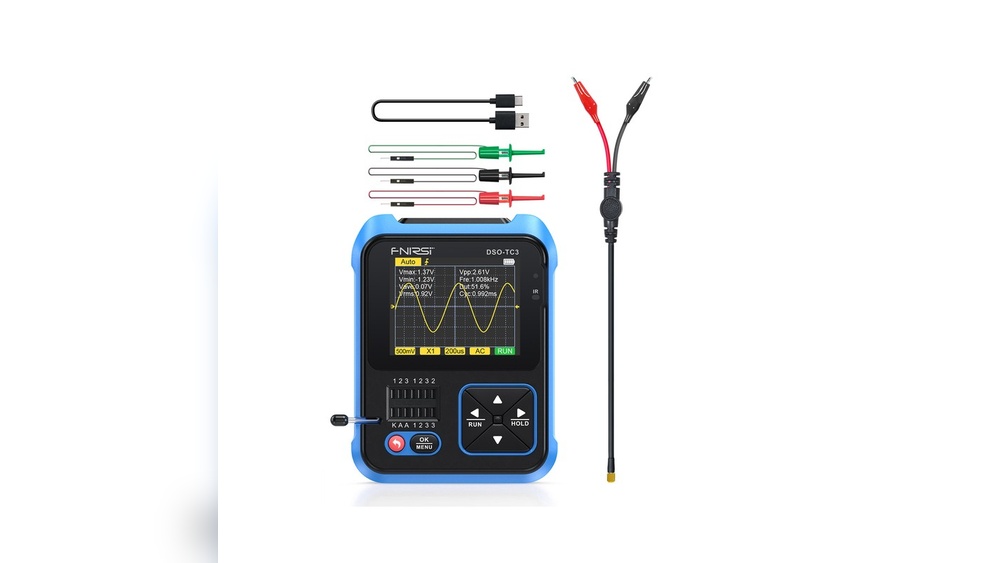
When you’re shopping for an oscilloscope, you might come across two common terms: DSO and DDS. But what do they really mean, and which one is right for your needs?
Choosing between a Digital Storage Oscilloscope (DSO) and a Direct Digital Synthesis (DDS) oscilloscope can feel confusing. This guide will clear up the mystery and help you make a smart choice. By the end, you’ll know exactly how each works and which one fits your projects perfectly.
Keep reading to discover the key differences and find the best oscilloscope for your work.
Basic Principles Of Dso And Dds
Understanding the basic principles of DSO and DDS helps to know their functions. Both tools are key in testing and measuring electronic signals. They work differently but serve similar goals. Each uses digital technology to make signal analysis easier and more accurate.
DSO focuses on capturing and storing signals. DDS creates precise waveforms for testing. Knowing how these work gives insight into their uses and strengths.
How Digital Storage Oscilloscopes Work
Digital Storage Oscilloscopes capture electrical signals in digital form. The input signal first passes through an analog-to-digital converter. This converts the signal into digital data points. The device stores these points in memory for later analysis.
Users can view the waveform on a screen. The data can be paused, zoomed, or saved. This helps in detailed examination of complex signals. DSOs are useful for capturing one-time or rare signal events.
Fundamentals Of Direct Digital Synthesis Oscilloscopes
Direct Digital Synthesis oscilloscopes generate signals using digital methods. They create waveforms by controlling a digital phase accumulator. This process forms precise and stable output signals.
DDS allows for quick changes in frequency and phase. This makes it ideal for testing and calibration. The waveforms are clean and accurate. DDS is valuable for generating test signals in labs and production.

Credit: www.youtube.com
Signal Accuracy And Sampling
Signal accuracy and sampling are key for both DSO and DDS devices. They affect how well a device measures or creates signals. Good accuracy and proper sampling ensure clear, reliable results. This section explains how DSO and DDS handle these tasks differently.
Sampling Techniques In Dso
Digital Storage Oscilloscopes (DSO) sample signals at set intervals. They take many small measurements to capture the signal shape. The faster the sampling rate, the clearer the signal appears.
DSOs use analog-to-digital converters (ADC) to turn signals into digital data. High sampling rates reduce errors and show more detail. Low sampling rates may miss quick signal changes.
Advanced DSOs use techniques like oversampling and interpolation. These methods improve signal accuracy and reduce noise. Proper sampling helps users see exact waveforms and timings.
Signal Generation And Accuracy In Dds
Direct Digital Synthesis (DDS) generates signals digitally using a phase accumulator. It creates precise waveforms by controlling frequency and phase with digital data.
DDS provides stable and repeatable signals with high frequency resolution. Accuracy depends on the digital-to-analog converter (DAC) quality and clock stability.
Errors in DDS often come from clock jitter and quantization noise. Modern DDS units minimize these issues for cleaner signals. This makes DDS ideal for signal generation tasks needing precision.
Speed And Bandwidth
Speed and bandwidth are key factors in choosing between a DSO and a DDS oscilloscope. These features affect how well the oscilloscope captures and displays signals. Faster speed helps catch quick changes in a signal. Wider bandwidth allows the scope to see higher frequency signals clearly. Both impact measurement accuracy and detail.
Bandwidth Limits Of Dso
Digital Storage Oscilloscopes (DSOs) have limits on bandwidth. This limit depends on the model and design. Most DSOs offer bandwidths from a few MHz to several GHz. Higher bandwidth means better ability to see fast signal changes.
DSOs capture signals by sampling them at high rates. If the bandwidth is too low, the scope misses details in fast signals. This can cause inaccurate readings or distorted waveforms. Choosing a DSO with enough bandwidth is important for precise measurements.
Speed Capabilities Of Dds
Direct Digital Sampling (DDS) oscilloscopes use fast sampling to capture signals. They can handle very high-speed signals better than traditional DSOs. DDS can sample signals at rates over 10 GS/s (giga samples per second).
This speed helps DDS scopes show detailed views of fast pulses and complex waveforms. They reduce the chance of missing quick events in signals. DDS scopes work well for high-frequency testing and detailed signal analysis.
User Interface And Features
The user interface and features of oscilloscopes affect how easily users can work with them. Both Digital Storage Oscilloscopes (DSO) and Direct Digital Synthesizer (DDS) oscilloscopes offer unique benefits. These features help users capture and analyze signals efficiently.
Understanding the display and controls of DSO and the programmability of DDS helps in choosing the right tool. This section explains these aspects clearly.
Display And Controls In Dso
DSOs have bright, clear displays that show waveforms in detail. The screen size is usually large enough to view multiple signals at once. Controls are mostly buttons and knobs. They allow quick adjustments of time base, voltage scale, and trigger settings. Menus are easy to navigate with simple labels. Many DSOs also include touchscreen options for faster operation. Users can save settings and waveforms for later review. These features make DSOs user-friendly for beginners and experts alike.
Programmability And Flexibility In Dds
DDS oscilloscopes stand out for their programmability. Users can write custom code to create specific test signals. This flexibility helps in specialized applications. DDS devices often support various programming languages. Users can automate tests and control parameters remotely. The interface may include software tools for easy coding and debugging. This feature saves time and increases precision. DDS is ideal for users who need adaptable and advanced waveform generation.
Applications And Use Cases
Oscilloscopes are essential tools for testing and analyzing electrical signals. Different types of oscilloscopes serve various purposes. Digital Storage Oscilloscopes (DSO) and Digital Sampling Scopes (DDS) each have unique strengths. Understanding their applications helps users choose the right tool for their work.
Typical Scenarios For Dso Usage
DSOs capture and store real-time signals. They work well with complex waveforms that change quickly. Engineers use DSOs for troubleshooting circuits and testing electronic devices. They are common in design labs and repair shops. DSOs show signal details clearly, helping find errors fast. These scopes handle a wide range of frequencies and signal types. They also save waveforms for later review, useful in quality control.
Ideal Conditions For Dds Oscilloscopes
DDS oscilloscopes sample signals at very high speeds. They excel in measuring repetitive signals with high precision. DDS is ideal for examining steady, repetitive waveforms like clocks and serial data. They offer excellent accuracy in timing and amplitude measurements. These scopes are popular in communications and radar testing. DDS devices use less memory since they sample selectively. This makes them efficient for long-term signal monitoring.

Credit: martinscastro.pt
Cost And Maintenance Considerations
Choosing between a Digital Storage Oscilloscope (DSO) and a Direct Digital Sampling (DDS) oscilloscope involves thinking about costs and upkeep. These devices differ in price and how much care they need. Understanding these factors helps pick the right tool for your needs.
Price Factors For Dso
DSOs come in many models, from basic to advanced. Basic models cost less and suit simple tasks. Advanced DSOs offer more features but cost more. Brand reputation also affects the price. Accessories and software can add to the total cost. Budget your purchase to fit both needs and wallet.
Maintenance And Reliability Of Dds
DDS oscilloscopes often have fewer moving parts. This usually means lower maintenance costs. They rely on digital technology, which can be very reliable. Repairs can be costly if specialized parts fail. Routine software updates keep DDS devices running smoothly. Check warranty and service options before buying.
Choosing The Right Oscilloscope
Choosing the right oscilloscope is key for accurate and efficient measurements. Both DSO (Digital Storage Oscilloscope) and DDS (Digital Sampling Oscilloscope) have unique strengths. Understanding your needs helps pick the best tool.
Evaluating Measurement Needs
Consider what signals you will measure. DSOs capture real-time waveforms, ideal for most electronics work. DDS excels in high-frequency signal sampling and detailed analysis. Check bandwidth, sample rate, and memory depth. These specs affect measurement accuracy and clarity. Think about the types of tests and signal types you will face.
Balancing Performance And Budget
DSOs tend to be more affordable and user-friendly. They suit beginners and general use well. DDS models usually cost more due to advanced features. They benefit professionals handling complex signals. Balance your budget with desired features. Spend on what truly improves your work quality. Avoid paying for extras you do not need.

Credit: www.youtube.com
Frequently Asked Questions
What Is The Main Difference Between Dso And Dds Oscilloscopes?
DSO (Digital Storage Oscilloscope) captures and stores signals digitally, while DDS (Direct Digital Synthesis) oscilloscopes generate precise waveforms digitally. DSOs focus on signal analysis, and DDS oscilloscopes emphasize waveform creation and testing.
Which Oscilloscope Is Better For Signal Analysis, Dso Or Dds?
DSO is better for signal analysis because it stores, displays, and analyzes captured signals in detail. DDS oscilloscopes are ideal for waveform generation rather than detailed signal examination.
How Does Dds Improve Waveform Accuracy Over Traditional Oscilloscopes?
DDS uses digital algorithms to generate waveforms with high precision and stability. This results in more accurate frequency and phase control compared to analog methods.
Can Dsos And Dds Oscilloscopes Be Used Together?
Yes, DSOs analyze signals, while DDS oscilloscopes generate test waveforms. Combining both provides comprehensive testing and measurement capabilities for engineers.
Conclusion
Choosing between a DSO and a DDS oscilloscope depends on your needs. DSO offers clear digital signals and easy data storage. DDS provides precise waveform generation and stable frequency output. Both tools serve different purposes in electronics testing. Think about what tasks you want to perform most.
This will guide your decision. Understanding their strengths helps you use them better. Each device brings value to your work. Simple, clear, and useful – that’s what matters most.

I’m Asif Ur Rahman Adib, an Electrical Engineer and lecturer. My journey began in the lab, watching students struggle with instruments they used every day without fully understanding them. Over time, I’ve combined teaching, research, and hands-on experience to help others grasp electrical concepts clearly, safely, and practically—whether it’s understanding a circuit or mastering a multimeter.