The Fluke 115 and 116 are both solid digital multimeters made for different types of work.
The main difference is the 116 is tailored for HVAC tasks with temperature and flame sensor testing, while the 115 is a general-purpose true-rms multimeter for various electrical jobs.
Imagine working on home wiring or fixing appliances where you need to check voltage and current quickly. Sometimes you might also want to measure temperature or detect flame sensor signals in HVAC systems. Having the right tool makes those tasks simpler and safer. Both meters have a clear display and backlight for dim environments. Knowing which one fits your daily tasks can save time and avoid confusion.
This article will help you understand the key differences and which Fluke model fits your needs better.
How Does The Fluke 115 Handle General Electrical Testing Tasks?
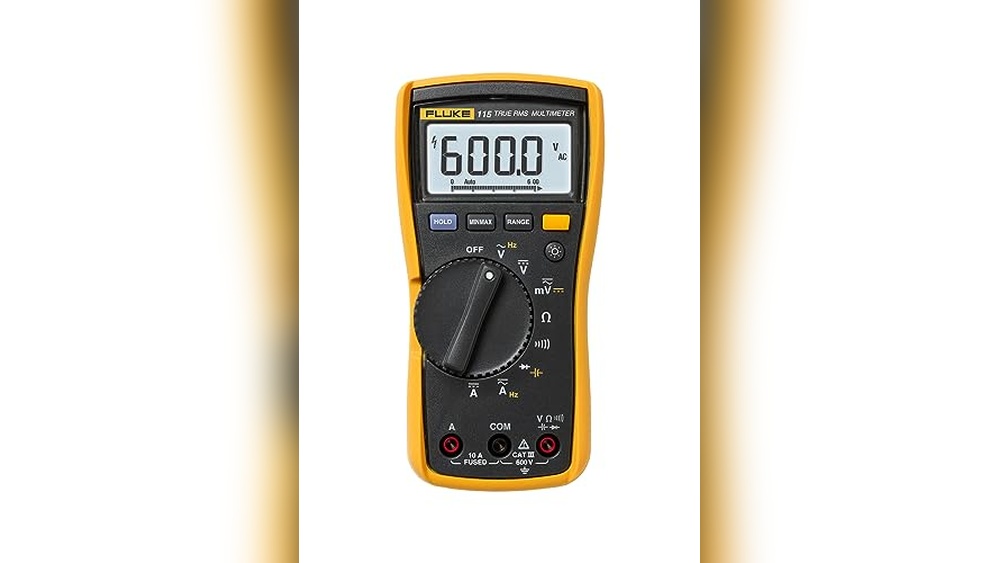
Yes, the Fluke 115 works well for many common electrical measurements. It’s built for field technicians who need a reliable true-rms meter for voltage, current, resistance, and more.
I often use the Fluke 115 for troubleshooting household circuits and checking device continuity. Its true-rms capability gives accurate readings on non-linear loads, which is important when dealing with modern electronics. The large backlight helps when I’m working in dim basements or cramped spaces. It also records min, max, and average values, useful for spotting fluctuations. This meter fits well in a technician’s toolkit for everyday electrical tasks.

Key features that matter for electrical troubleshooting
- True-rms voltage and current measurement for accuracy
- Measures resistance, continuity, frequency, and capacitance
- Min/Max/Average recording for signal fluctuations
- Safety rating CAT III 600V for protection
- Large white LED backlight for low-light work
What users find practical in daily use
- Compact size fits easily in a tool bag or pocket
- Clear display with backlight improves visibility
- Includes test leads and battery for immediate use
- Reliable build quality withstands field conditions
- Simple dial and button layout for quick operation
Considerations when using the Fluke 115
- Does not measure temperature like some specialized meters
- No microamps range for flame sensor testing
- Some users may prefer a larger display for older eyes
Why the Fluke 115 suits general electricians and technicians
This meter is best for electricians and technicians who want a straightforward, accurate multimeter for a variety of electrical tasks. It simplifies daily work by giving dependable readings on voltage, current, and resistance with minimal setup.
In my experience, the Fluke 115 handles most household and commercial electrical troubleshooting well. Beginners will find it easy to use, while experienced users appreciate its accuracy and build. A practical tip is to use the min/max feature to catch intermittent faults. It offers peace of mind thanks to its safety rating and reliable performance.
What Makes The Fluke 116 A Good Fit For Hvac Professionals?
It depends on your specific needs, but the Fluke 116 is designed with HVAC work in mind. It adds temperature measurement and microamps testing for flame sensors.
This meter is handy when checking furnace controls or air conditioning units. The built-in thermometer covers a wide temperature range, which I’ve found useful for verifying system performance. The low input impedance reduces false readings from ghost voltage, which can be confusing in HVAC circuits. The bright backlight is helpful in dim mechanical rooms. While it covers basic electrical measurements, its HVAC features make it a practical choice for specialists.

HVAC-focused features that stand out
- Built-in thermometer measuring -40°C to 400°C (-40°F to 752°F)
- Microamps range for flame sensor testing
- Low input impedance to avoid false ghost voltage readings
- Large white LED backlight for dim environments
- Basic electrical measurements included for versatility
Advantages seen during HVAC work
- Accurate temperature readings without extra tools
- Useful microamps range reduces need for separate tester
- Compact size fits well in technician’s tool belt
- Easy to read display with backlight in tight spaces
- Good safety rating for HVAC environments
Some compromises to keep in mind
- Does not have full true-rms current measurement
- Less suited for advanced electrical troubleshooting
- Price is slightly higher than basic models
Who benefits most from choosing the Fluke 116
The Fluke 116 is best for HVAC technicians who need temperature and flame sensor testing alongside basic electrical measurements. It simplifies HVAC diagnostics by combining multiple functions into one tool.
In my experience, it makes HVAC service calls smoother by cutting down on extra devices. Beginners get a straightforward tool for common HVAC checks, while experienced pros appreciate the specialized features. A handy tip is to use the low input impedance mode to avoid misleading voltage readings. This meter offers peace of mind when verifying system safety and function.
How Do The Fluke 115 And 116 Compare In Real-world Electrical And Hvac Tasks?
I tested both meters during typical home electrical troubleshooting and HVAC maintenance. The Fluke 115 performed well for general voltage and continuity checks, while the 116 excelled in temperature measurement and flame sensor testing. Each meter has strengths depending on the job, making the choice clearer when considering your daily tasks and priorities.
Which meter handles electrical measurements more comprehensively?
The Fluke 115 offers true-rms measurements and a wider range of electrical tests. The 116 covers the basics but lacks some true-rms features.
| Metric | Fluke 115 Digital Multimeter | Fluke 116 HVAC Multimeter |
|---|---|---|
| True-rms voltage/current | Yes | No (basic true-rms on voltage only) |
| Resistance, continuity, frequency, capacitance | Yes | Yes |
| Min/Max/Average recording | Yes | No |
| Microamps range | No | Yes |
Ratings: Fluke 115 has a slight edge for full electrical testing. Fluke 116 suits HVAC pros focused on specialized measurements.
How do they compare on HVAC-specific functions?
The Fluke 116 includes temperature and flame sensor testing features, which the 115 lacks.
| Metric | Fluke 115 Digital Multimeter | Fluke 116 HVAC Multimeter |
|---|---|---|
| Built-in thermometer | No | Yes (-40°C to 400°C) |
| Flame sensor microamps test | No | Yes |
| Low input impedance mode | No | Yes |
Ratings: Fluke 116 leads for HVAC tasks. Fluke 115 is not designed for these measurements.
Which meter is easier to use in dim or cramped spaces?
Both meters have large white LED backlights, but the Fluke 115’s compact size offers a slight advantage for portability.
| Metric | Fluke 115 Digital Multimeter | Fluke 116 HVAC Multimeter |
|---|---|---|
| Backlight size | Large LED | Large LED |
| Compactness | Smaller, lighter | Somewhat larger, heavier |
| Display clarity | Clear | Clear |
Ratings: Fluke 115 slightly better for portability. Fluke 116 still good for low-light HVAC work.
What about price and value for everyday use?
The Fluke 115 is generally less expensive and covers more general-purpose electrical needs. The 116 costs a bit more but adds HVAC-specific functions.
| Metric | Fluke 115 Digital Multimeter | Fluke 116 HVAC Multimeter |
|---|---|---|
| Price (approximate) | $198 | $211 |
| Included accessories | Test leads, battery, holster | Basic leads, battery |
| Suitability for multi-use | General electrical | HVAC focused |
Ratings: Fluke 115 better value for general use. Fluke 116 worth it if HVAC features are needed.
Choosing Between Fluke 115 And 116 For Your Work Needs
If your primary focus is electrical troubleshooting, repairs, or general maintenance, the Fluke 115 offers a flexible and accurate tool. It suits electricians and technicians who want a reliable meter for a wide range of measurements. Its compact size and true-rms capability make it practical for everyday use.
For HVAC professionals or those who need temperature measurement and flame sensor testing, the Fluke 116 is the better fit. It simplifies HVAC diagnostics and reduces the need for extra tools. While it’s slightly more specialized, it still covers basic electrical checks well. Both meters provide dependable performance, so your choice depends on your typical tasks.
Either way, these Fluke models provide peace of mind with quality construction and practical features.
Common Questions About Fluke 115 Vs 116 For Everyday Users
Can the Fluke 115 measure temperature like the 116?
No, the Fluke 115 does not have a built-in thermometer. The 116 includes temperature measurement useful for HVAC work.
Is the Fluke 116 accurate for electrical voltage and current?
Yes, but it lacks full true-rms current measurement. It handles basic voltage and current well, especially for HVAC circuits.
Which meter is better for beginners learning electrical testing?
The Fluke 115 is simpler for general electrical tasks and may be easier for beginners to get started with.
Does the Fluke 116 prevent false voltage readings?
Yes, it has a low input impedance mode that helps avoid ghost voltage, which can cause misleading readings in HVAC systems.
Are the test leads included with both meters?
The Fluke 115 comes with 4mm PVC-insulated test leads and a holster. The Fluke 116 includes basic test leads but no holster.

I’m Asif Ur Rahman Adib, an Electrical Engineer and lecturer. My journey began in the lab, watching students struggle with instruments they used every day without fully understanding them. Over time, I’ve combined teaching, research, and hands-on experience to help others grasp electrical concepts clearly, safely, and practically—whether it’s understanding a circuit or mastering a multimeter.