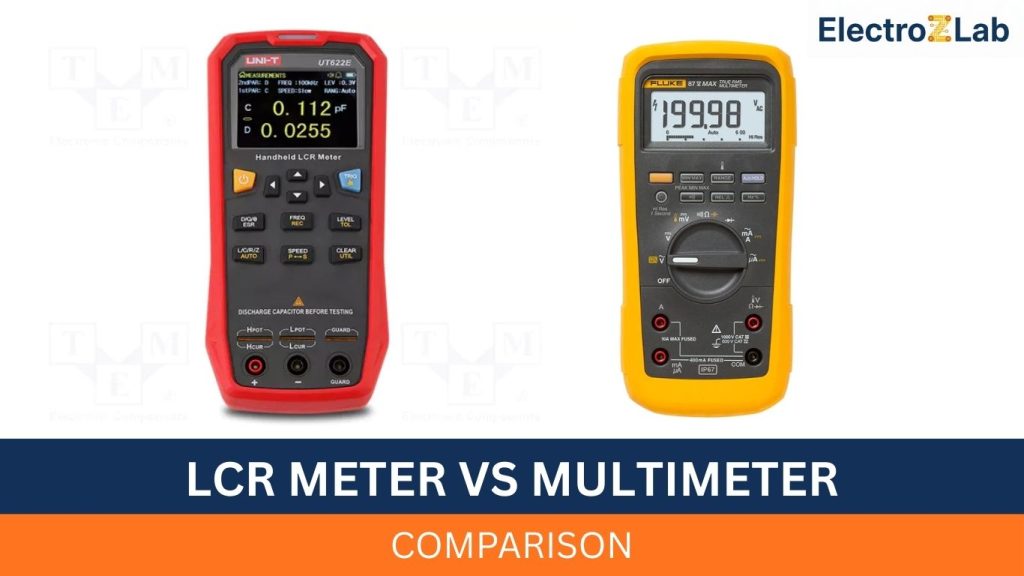
Are you trying to figure out whether a battery tester or a multimeter is the right tool for your needs? Choosing between these two can be confusing, especially if you want accurate results without wasting time or money.
Understanding the key differences will help you make smarter decisions and avoid common mistakes. You’ll discover exactly when to use each tool, how they work, and which one fits your projects best. Keep reading to unlock the secrets that will make testing your batteries and electrical devices easier than ever.

Credit: www.ancel.com
Battery Tester Basics
Understanding battery testers is key for anyone dealing with batteries. These tools check battery health and performance. They help avoid unexpected power loss. Knowing the basics helps you choose the right tool for your needs.
Types Of Battery Testers
Several types of battery testers exist. Simple testers show if a battery is good or bad. Digital testers give detailed info like voltage and capacity. Load testers apply a small load to check battery strength. Each type suits different tasks and battery types.
How Battery Testers Work
Battery testers measure voltage or current output. Some testers simulate real battery use by applying a load. This shows if the battery can hold power under stress. Others check internal resistance to find weak batteries. The process is quick and safe for most battery types.
Common Uses For Battery Testers
Battery testers find use in many areas. Car mechanics check car batteries to avoid breakdowns. Home users test batteries in toys and gadgets. Electronics technicians test battery packs in devices. These tools help ensure devices work reliably and last longer.
Multimeter Essentials
Multimeters are essential tools for anyone working with electronics or electrical systems. They measure different electrical properties, helping users diagnose and fix problems quickly. Understanding the basics of multimeters makes it easier to choose the right one and use it effectively.
Multimeters come in various types and offer many functions. These tools are versatile and used in many settings, from simple home repairs to advanced electronics projects.
Types Of Multimeters
There are two main types of multimeters: analog and digital. Analog multimeters use a needle to show readings. Digital multimeters display results on a screen with numbers. Digital models are more popular due to their accuracy and ease of use. Some multimeters combine features for special tasks.
Functions And Features
Multimeters measure voltage, current, and resistance. Some models also test continuity, capacitance, and temperature. Many have features like auto-ranging, which selects the correct measurement scale automatically. Others include data hold, backlight, and beep alerts. These features improve user experience and accuracy.
Applications In Electronics
Multimeters are widely used in electronics for testing circuits and components. They help identify faulty wires, check batteries, and verify power sources. Technicians use them to troubleshoot devices and ensure safety. Hobbyists rely on multimeters for building and repairing projects. Their flexibility makes them valuable tools in many electronic tasks.
Comparing Accuracy And Precision
Accuracy and precision matter when testing batteries or electrical systems. Both battery testers and multimeters offer measurement tools. Each tool has strengths and limits in how exact and reliable it is. Knowing these differences helps in choosing the right device for your needs.
Measuring Voltage And Current
Multimeters measure voltage and current with good accuracy. They show exact numbers for volts and amps. Battery testers focus mostly on voltage and may not measure current well. Multimeters can test many devices, not just batteries. This flexibility makes multimeters more precise for electrical measurements.
Battery Health Assessment
Battery testers give a quick check of battery health. They often show simple results like “good,” “weak,” or “replace.” This method is less precise but faster. Multimeters provide detailed voltage readings that help analyze battery condition deeper. For exact battery health, multimeters offer better precision but need more knowledge to use.
Reliability In Different Conditions
Battery testers work well in varied temperatures and environments. They are designed for quick, on-the-spot checks. Multimeters may need careful handling to keep accurate in harsh conditions. Moisture, cold, or heat can affect multimeter readings more. For rough environments, battery testers often give more consistent results.
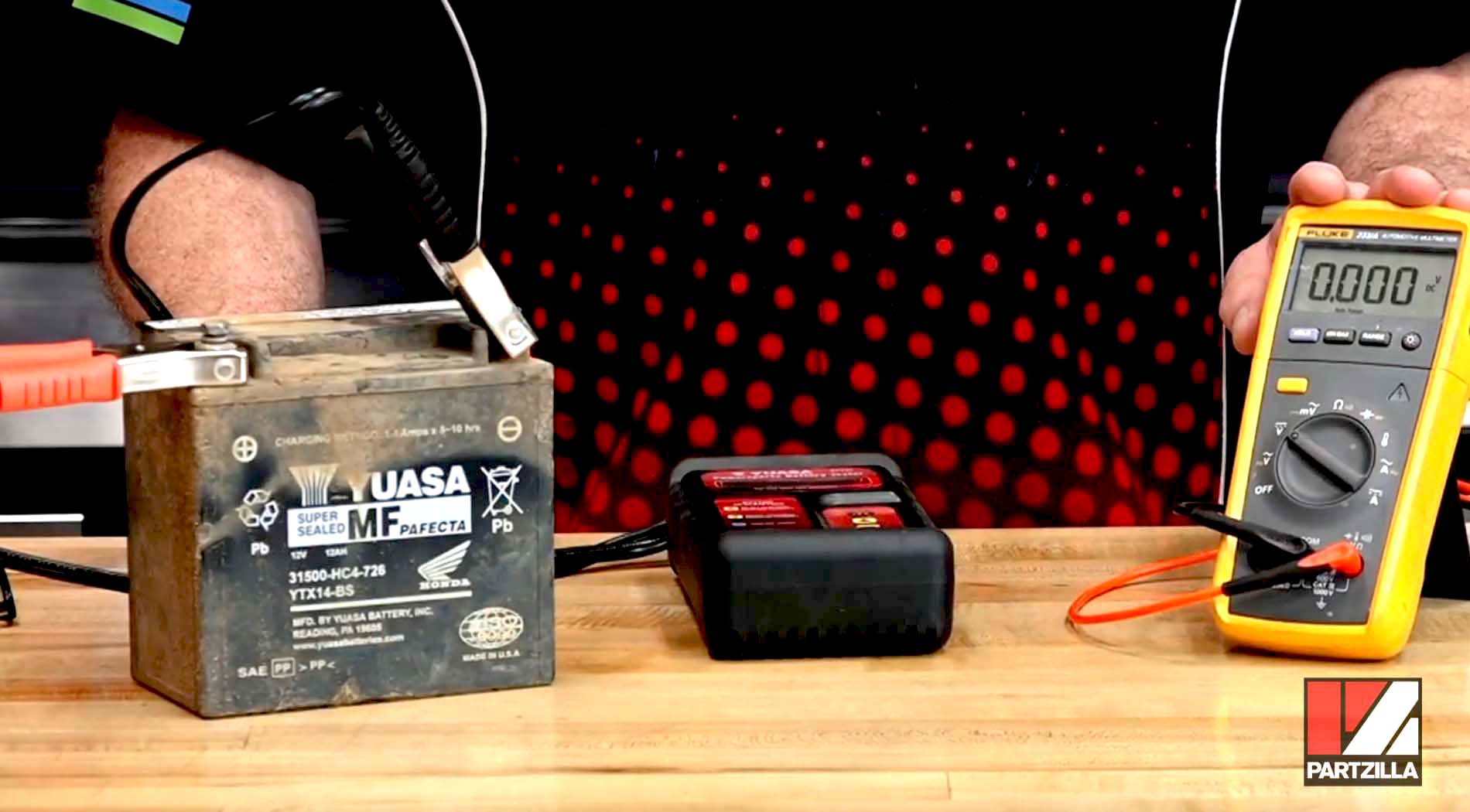
Credit: www.partzilla.com
Ease Of Use And Portability
Ease of use and portability are key when choosing between a battery tester and a multimeter. Both tools serve different purposes but must be simple to handle. Portability means you can carry the device easily for quick testing anywhere. Ease of use ensures you get accurate results without confusion or extra effort.
User Interface And Display
Battery testers usually have a simple interface. They show clear results with basic indicators or a digital display. Multimeters have more complex screens with multiple readings and settings. This can be hard for beginners. Battery testers focus on ease with fewer buttons. Multimeters require knowledge to read the display correctly.
Size And Weight Considerations
Battery testers are often small and lightweight. They fit comfortably in your hand or pocket. Multimeters tend to be bigger and heavier due to extra functions. This can make them less convenient to carry around. If you need a tool for quick checks, a battery tester is easier to handle. For detailed work, a multimeter’s size is justified.
Battery Life And Power Source
Battery testers usually consume less power. They often use small batteries that last long. Multimeters may use more power because of their complex features. Some models have rechargeable batteries, which adds convenience. Others rely on replaceable batteries that need frequent changing. Battery life affects how long you can use the tool in the field.
Cost And Value
Cost and value play a big role in choosing between a battery tester and a multimeter. Both tools serve different purposes and come at different price points. Understanding their price ranges, long-term value, and maintenance needs helps you pick the right tool for your budget and tasks.
Price Ranges
Battery testers usually cost less than multimeters. Basic battery testers start around $10 to $30. They focus on checking battery charge quickly. Multimeters have a wider price range. Simple models can cost $15 to $50. Advanced multimeters with many functions can go over $100. The price depends on features and accuracy.
Long-term Investment
Multimeters offer more long-term value. They measure voltage, current, and resistance, not just battery life. This makes them useful for many tasks. Battery testers are good for quick battery checks only. If you need one tool for various jobs, a multimeter is better. It saves money by avoiding extra tools.
Maintenance And Accessories
Battery testers need little maintenance. They rarely require extra parts. Multimeters may need new batteries or replacement leads. Some models need calibration for accurate readings. Accessories like test probes add to the cost. Keeping a multimeter in good shape can cost more over time.
Choosing The Right Tool
Choosing the right tool for testing batteries or electrical circuits is key to getting accurate results. Both battery testers and multimeters have their uses. Knowing which one fits your needs saves time and effort. It also helps avoid mistakes that could damage devices or cause injury.
Based On Project Needs
Battery testers focus on checking battery health quickly. They show if a battery is good or needs replacement. Multimeters measure voltage, current, and resistance. They work for many types of electrical projects. Choose a battery tester for simple battery checks. Use a multimeter for detailed electrical testing.
Professional Vs. Hobbyist Use
Professionals often need tools with more features and accuracy. Multimeters suit electricians and technicians well. They handle complex tasks and varied measurements. Hobbyists may prefer battery testers for ease of use. Battery testers require less technical knowledge. Match the tool to your skill level and job type.
Safety Considerations
Safety matters when working with electricity. Multimeters require proper handling to avoid shocks or short circuits. Battery testers are generally safer for beginners. Always read the tool’s instructions carefully. Use insulated gloves and avoid wet conditions. Choose tools with safety ratings and protective features.
Tips For Effective Testing
Testing batteries or electrical devices accurately needs careful steps. Following simple tips helps get clear, reliable results. This section shares easy ways to prepare, read results, and fix common problems. These tips suit both battery testers and multimeters.
Preparing Your Device
Clean the device’s terminals before testing. Dirt or rust can change readings. Check the battery or circuit for visible damage. Turn off the device before connecting the tester. Use the right settings on your tester or multimeter. Choose the correct range for voltage or current. Connect the probes firmly to the battery or terminals. Avoid touching metal parts with your hands. This stops wrong readings and protects you.
Interpreting Test Results
Compare your readings with the battery’s normal voltage. A fully charged battery shows higher voltage. Low voltage often means the battery is weak or dead. For multimeters, check if readings match the expected value. Slight differences can be okay, but big gaps need attention. Understand the symbols on the screen to know what you measure. Look for “V” for volts, “A” for amps, and “Ω” for resistance. Note down your results for future checks.
Troubleshooting Common Issues
No reading or zero means poor contact or dead battery. Recheck probe connections and clean terminals. If the meter shows unusual numbers, reset it or change batteries. Wrong settings cause false results; always double-check the mode. Low battery in the tester can affect readings too. Replace the tester’s battery if readings seem off. Keep the tester and multimeter dry and safe from drops. Store devices properly to avoid damage and errors.

Credit: www.youtube.com
Frequently Asked Questions
What Is The Main Difference Between Battery Tester And Multimeter?
A battery tester checks battery charge and health specifically. A multimeter measures voltage, current, and resistance in circuits, including batteries.
Can A Multimeter Test Battery Condition Accurately?
Yes, a multimeter measures battery voltage and can indicate charge level. However, it may not assess battery health as precisely as a battery tester.
Which Tool Is Better For Testing Car Batteries?
A battery tester is better for car batteries because it evaluates voltage, load, and overall battery health directly and efficiently.
Are Battery Testers More User-friendly Than Multimeters?
Battery testers are generally easier to use for batteries. Multimeters require knowledge of settings and probes, making them less user-friendly for beginners.
Conclusion
Choosing between a battery tester and a multimeter depends on your needs. Battery testers check battery health quickly and easily. Multimeters offer more functions, like measuring voltage, current, and resistance. For simple battery checks, a tester works well. For broader electrical tasks, a multimeter is better.
Both tools help keep devices running smoothly. Understanding their uses saves time and effort. Pick the tool that fits your tasks best. Simple and clear.

I’m Asif Ur Rahman Adib, an Electrical Engineer and lecturer. My journey began in the lab, watching students struggle with instruments they used every day without fully understanding them. Over time, I’ve combined teaching, research, and hands-on experience to help others grasp electrical concepts clearly, safely, and practically—whether it’s understanding a circuit or mastering a multimeter.