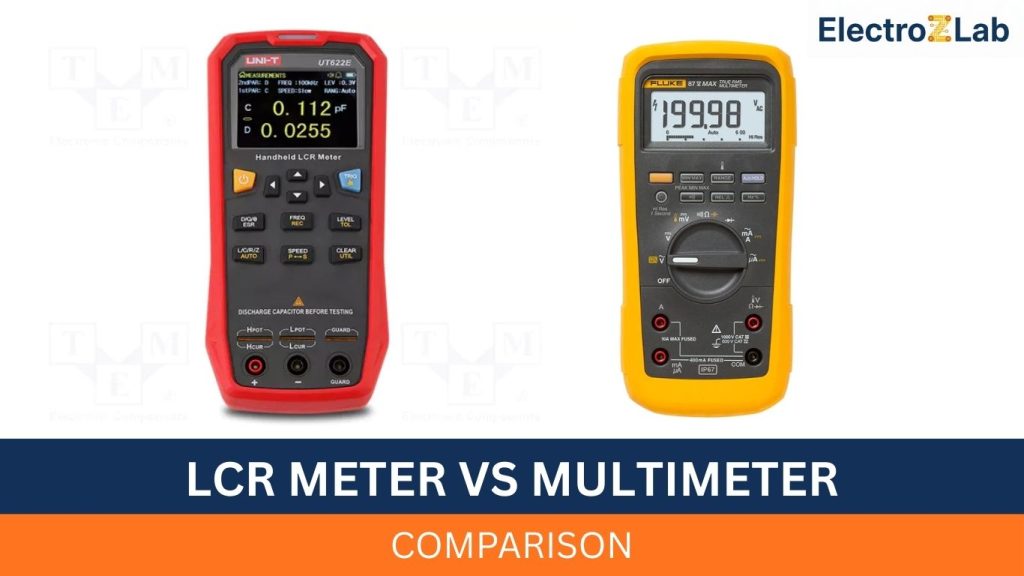
Are you trying to figure out whether a circuit tester or a multimeter is the right tool for your electrical projects? Choosing the right device can save you time, money, and frustration.
Both tools look simple, but they serve different purposes and offer unique benefits. By understanding the key differences, you’ll be able to work smarter and fix problems faster. Keep reading to discover which tool fits your needs perfectly and how to use it like a pro.
Circuit Tester Basics
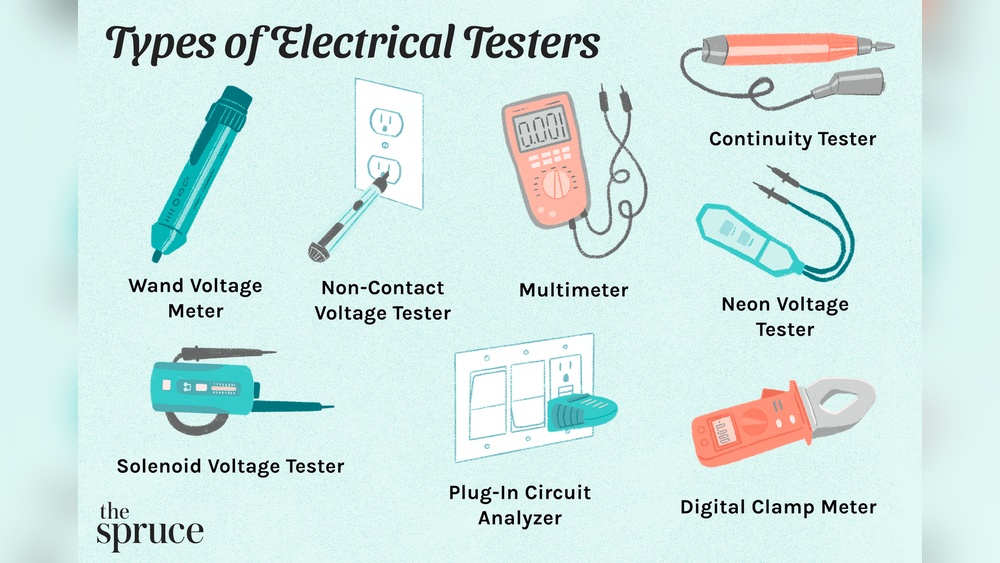
Circuit testers are simple tools used to check electrical circuits. They help find if a circuit has power or if a wire is broken. Knowing the basics of circuit testers helps choose the right tool for your task. This section explains the types, how they work, and common uses of circuit testers.
Types Of Circuit Testers
There are several types of circuit testers. The most common are neon testers, test lights, and continuity testers. Neon testers use a small light to show voltage presence. Test lights have a bulb that lights up when current flows. Continuity testers check if a wire or connection is complete. Each type fits different testing needs.
How Circuit Testers Work
Circuit testers work by sending a small current through the circuit. If the circuit is live, the tester shows a light or sound. Neon testers glow when voltage is present. Test lights light up when current flows through the wire. Continuity testers beep or light up if the circuit is closed. They give quick, clear results.
Common Uses
Circuit testers are used for simple electrical checks. They test outlets, wires, switches, and fuses. Electricians use them to find power in a circuit. Homeowners use them to check if outlets work. They help locate breaks or shorts in wiring. Circuit testers save time and avoid guesswork.
Multimeter Essentials
A multimeter is a key tool for electrical tasks. It helps measure different electrical values quickly. Understanding its basics can improve your work quality. It is useful for both beginners and experts in electronics.
Multimeters come in various types and with many functions. Knowing these can help you choose the right one for your needs. The right multimeter saves time and makes tasks easier.
Multimeter Functions
Multimeters measure voltage, current, and resistance. Some models test continuity and diode health. Advanced models check frequency and temperature. These functions help diagnose electrical problems fast.
Voltage measurement shows how much power flows in a circuit. Current measurement tells the amount of electric flow. Resistance checks if wires or components have breaks or shorts. Continuity tests confirm a complete path for electricity.
Analog Vs Digital Multimeters
Analog multimeters use a needle and dial. They show readings with a moving pointer on a scale. Digital multimeters display numbers on a screen. Digital types are easier to read and more common now.
Analog meters are good for tracking slow changes. Digital meters provide precise and clear readings quickly. Digital models often have more features than analog ones. Choose based on your comfort and the task needed.
Typical Applications
Multimeters help in home repairs and electronics projects. They check batteries, fuses, and wiring problems easily. Electricians use multimeters to test circuits and appliances. Hobbyists use them to build and fix gadgets.
Car mechanics use multimeters to find electrical faults in vehicles. Technicians rely on multimeters for troubleshooting and maintenance. Their versatility makes them a must-have tool for many tasks.
Comparing Accuracy And Features
Comparing accuracy and features helps choose the right tool for electrical tasks. Circuit testers and multimeters both check circuits but work differently. Knowing their strengths and limits makes work easier and safer.
Measurement Precision
Multimeters offer higher precision in measuring voltage, current, and resistance. They provide exact numbers, useful for detailed diagnostics. Circuit testers show basic results, like presence or absence of voltage. This makes them faster but less precise for complex readings.
Safety Features
Multimeters often include built-in fuses and overload protection. They protect users from electrical shocks and damage to the device. Circuit testers usually have simple designs with fewer safety features. Using a multimeter is safer for handling high voltage circuits.
Durability And Build
Circuit testers are usually compact and sturdy, made for quick checks. Multimeters tend to be larger with delicate parts inside. Both tools can last long with proper care. Circuit testers survive rough handling better than multimeters.

Credit: www.differencebetween.net
Ease Of Use And Portability
Ease of use and portability are key factors when choosing between a circuit tester and a multimeter. Both tools help with electrical tasks, but their design affects how simple they are to carry and operate. Understanding these differences can save time and effort during your projects.
User Interface
Circuit testers usually have a simple interface. They often feature one or two buttons and a few indicator lights. This simplicity helps beginners use them quickly. Multimeters have more buttons and a screen. This can seem complex at first. But the screen shows detailed readings, which helps with advanced tasks.
Size And Weight
Circuit testers are generally small and lightweight. They fit easily in a pocket or tool belt. Multimeters are often larger and heavier. The extra size comes from their more complex parts and bigger screen. Carrying a multimeter might feel bulkier during long work sessions.
Power Requirements
Circuit testers usually need small batteries or work without batteries. This means less worry about power during use. Multimeters often require batteries to power their digital display. Battery life varies but can limit usage if not checked regularly. Some multimeters have auto-shutoff to save power.
Cost And Value
Understanding the cost and value of a circuit tester versus a multimeter helps you choose the right tool. Both devices serve different purposes, and their prices reflect their features and capabilities. Evaluating price, long-term benefits, and support makes your purchase smarter.
Price Ranges
Circuit testers usually cost less than multimeters. Basic circuit testers can be found under $20. Multimeters start around $15 but rise to over $100 for advanced models. More features mean a higher price. Simple tools suit small jobs. Complex tools fit professional needs.
Long-term Investment
Multimeters offer more functions, making them useful for many tasks. You may save money by using one device for different jobs. Circuit testers work well for quick checks but have limited use. Spending more on a multimeter can pay off over time. Quality tools last longer and reduce replacement costs.
Warranty And Support
Warranties vary widely between brands and models. Higher-priced multimeters often come with better warranties. Circuit testers may have shorter warranty periods. Check if the company offers customer support or repair services. Good support protects your investment and helps with problems.

Credit: www.youtube.com
Choosing The Right Tool
Choosing the right tool for electrical testing can save time and avoid errors. Both circuit testers and multimeters have their uses. Knowing which tool fits your needs helps you work safely and efficiently.
Project Requirements
Identify what your project demands. Circuit testers check if a wire or outlet has power. They are simple and quick for basic checks. Multimeters measure voltage, current, and resistance. Use a multimeter for detailed testing and diagnostics. Match the tool to the complexity of your task.
Skill Level Considerations
Assess your comfort with electrical tools. Circuit testers are easy to use for beginners. They give clear, simple results. Multimeters need more knowledge to operate correctly. Reading measurements requires understanding basic electrical terms. Choose a tool that fits your skill level and confidence.
Tool Versatility
Circuit testers have a limited function. They mainly detect power presence. Multimeters offer wide-ranging uses beyond basic testing. They help troubleshoot many electrical problems. Multimeters work on various devices and circuits. Versatility makes multimeters useful for many projects and users.
Tips For Effective Testing
Effective testing with a circuit tester or multimeter requires more than just turning on the device. Understanding key tips helps you get accurate results and protects you from harm. Proper testing saves time and avoids errors.
Follow these tips to test safely and correctly. Pay attention to device care and common errors. This knowledge makes your testing easier and more reliable.
Safety Precautions
Always wear protective gear like gloves and glasses. Check the device for damage before use. Do not test live wires without proper insulation. Keep your hands dry to avoid electric shocks. Use the correct setting on your tester to match the task. Never touch metal parts during testing. Work in a dry, well-lit area for better visibility.
Maintenance And Calibration
Clean your tester after every use to remove dirt and dust. Store it in a dry place to avoid moisture damage. Regularly check the battery and replace it if low. Calibrate your multimeter or circuit tester once a year. Follow the manufacturer’s instructions for calibration. Proper calibration ensures your readings stay accurate over time. Avoid dropping or rough handling to keep internal parts safe.
Common Mistakes To Avoid
Do not rush testing; take your time for accurate results. Avoid using the wrong setting for the measurement type. Never test high voltage circuits without proper knowledge. Do not ignore warning signs like sparks or smells. Avoid mixing up positive and negative leads. Do not use damaged or worn-out test leads. Always double-check your connections before starting the test.
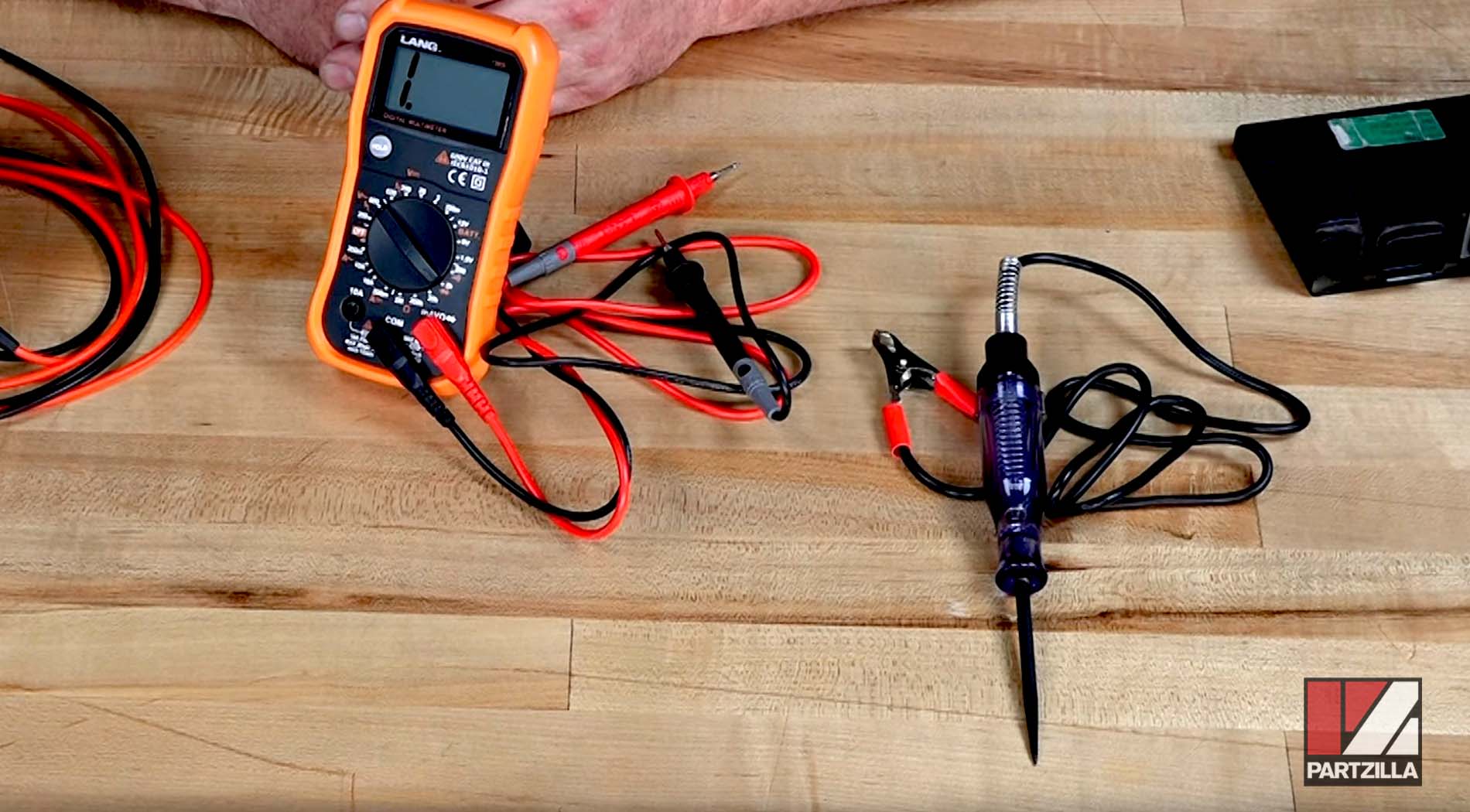
Credit: www.partzilla.com
Frequently Asked Questions
What Is The Main Difference Between Circuit Tester And Multimeter?
A circuit tester checks for voltage presence in a circuit. A multimeter measures voltage, current, and resistance, providing more detailed diagnostics.
Can A Multimeter Replace A Circuit Tester?
Yes, a multimeter can replace a circuit tester as it detects voltage and offers additional measurements for thorough testing.
Which Tool Is Better For Beginners: Tester Or Multimeter?
Circuit testers are simpler and ideal for beginners. Multimeters are versatile but require basic knowledge for accurate use.
How Do Circuit Testers And Multimeters Improve Electrical Safety?
Both tools help detect live wires and faulty connections, preventing electrical shocks and equipment damage during repairs or installations.
Conclusion
Choosing between a circuit tester and a multimeter depends on your needs. Circuit testers check if power flows in a wire quickly. Multimeters offer more details like voltage, current, and resistance. For simple tasks, a circuit tester works well. For complex jobs, a multimeter is better.
Both tools help keep electrical work safe and accurate. Understanding their uses saves time and effort. Pick the tool that fits your project and skill level. Simple or detailed, these tools support your electrical tasks.

I’m Asif Ur Rahman Adib, an Electrical Engineer and lecturer. My journey began in the lab, watching students struggle with instruments they used every day without fully understanding them. Over time, I’ve combined teaching, research, and hands-on experience to help others grasp electrical concepts clearly, safely, and practically—whether it’s understanding a circuit or mastering a multimeter.