Are you confused about whether to use a clamp meter or a multimeter for your electrical tasks? Choosing the right tool can save you time, effort, and even keep you safe.
Understanding the key differences between these two devices will empower you to make smarter decisions every time you work with electrical circuits. Keep reading, and by the end of this article, you’ll know exactly which meter fits your needs and how to use it like a pro.
Clamp Meter Basics
A clamp meter is a useful tool for measuring electrical current without touching wires. It helps electricians and hobbyists check current safely and quickly. Understanding the basics of a clamp meter will help you use it properly and know its benefits.
Key Features
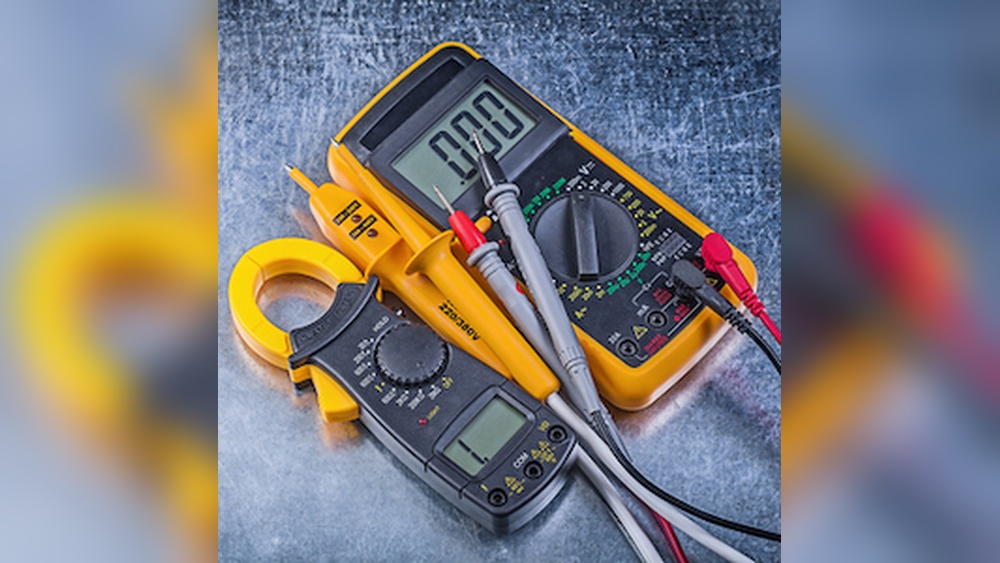
Clamp meters have a jaw-like clamp that opens and closes around a wire. They measure current by detecting the magnetic field around the wire. Most models also measure voltage and resistance. They are portable, easy to use, and provide quick readings. Many clamp meters have a digital display for clear results.
How It Works
The clamp meter works by sensing the magnetic field generated by electric current. The clamp opens to fit around a single conductor wire. It does not need to touch the wire’s metal. The tool converts the magnetic field into an electrical reading. This method allows measuring current without breaking the circuit.
Common Uses
Clamp meters are widely used in electrical maintenance and troubleshooting. Electricians check current flow to find faults in circuits. They help measure current in appliances and machines safely. Many use clamp meters in automotive work to test car batteries and alternators. They are also handy for checking circuits in homes and buildings.

Credit: www.youtube.com
Multimeter Essentials
A multimeter is a tool used to measure electric values. It helps check voltage, current, and resistance. This device is common for electricians, engineers, and hobbyists. Understanding its basics makes it easier to choose and use one properly.
Multimeters come in different shapes and sizes. Some are simple, while others have many features. Knowing the essentials helps you pick the right tool for your needs.
Core Functions
Multimeters measure voltage (AC and DC), current, and resistance. Some models test continuity to check circuit connections. They may also measure capacitance, frequency, and temperature. These functions help diagnose electrical problems quickly and safely.
Types Of Multimeters
There are two main types: analog and digital. Analog multimeters use a needle to show readings. Digital multimeters display numbers on a screen. Digital models are easier to read and more common today. Some multimeters are handheld, while others are bench-top instruments.
Typical Applications
Multimeters are used in homes, workshops, and industries. They check batteries, wiring, and electronic devices. Electricians use them to inspect circuits and find faults. Hobbyists use multimeters for building and repairing gadgets. They are essential for safe and accurate electrical work.
Measurement Capabilities
Understanding the measurement capabilities of clamp meters and multimeters helps you choose the right tool. Both devices measure electrical values but differ in how and what they measure.
Each tool has unique strengths that suit different tasks and environments. Knowing these differences improves your work accuracy and safety.
Current Measurement
Clamp meters measure current by clamping around a wire. This method does not require disconnecting the circuit. It is safe and fast for measuring high current.
Multimeters measure current by connecting in series with the circuit. This method is more precise for low current but requires circuit interruption. It suits detailed electrical work.
Voltage And Resistance
Multimeters easily measure voltage and resistance. They connect directly to the circuit with probes. This makes them versatile for many electrical tests.
Clamp meters can measure voltage and resistance only if designed with this feature. Not all clamp meters support these measurements. Multimeters remain the best choice for voltage and resistance.
Additional Parameters
Multimeters often measure extra parameters like capacitance, frequency, and temperature. These features aid in complex diagnostics. They provide more detailed electrical information.
Clamp meters focus mainly on current and sometimes voltage. Few models include extra parameters. They are simpler but less versatile than multimeters in this area.
Accuracy And Precision
Accuracy and precision are key when measuring electrical values. They show how close the reading is to the true value and how consistent the results are. Both clamp meters and multimeters provide measurements, but their accuracy and precision can differ. Understanding these differences helps choose the right tool for your needs.
Factors Affecting Accuracy
Several factors affect the accuracy of clamp meters and multimeters. The quality of internal components plays a big role. Calibration is another important factor. Devices must be regularly calibrated to maintain accuracy.
Environmental conditions also impact readings. Temperature, humidity, and electromagnetic interference can reduce accuracy. The skill of the user matters too. Proper handling and connection improve precision.
Comparing Accuracy Levels
Multimeters generally provide higher accuracy than clamp meters. They measure voltage, current, and resistance directly. This direct measurement reduces errors. Clamp meters measure current indirectly by detecting magnetic fields. This method can lower accuracy, especially with small currents.
Precision varies as well. Multimeters often offer more precise readings with smaller increments. Clamp meters show less detail but work well for quick checks. Choosing depends on the task. For exact readings, multimeters are better. For fast current checks, clamp meters suffice.
Ease Of Use
Ease of use is a key factor in choosing between a clamp meter and a multimeter. Both tools serve different purposes but must be simple to operate. A device that feels easy to handle improves accuracy and reduces mistakes. Understanding their user interface, safety features, and portability helps you pick the right tool for your needs.
User Interface
Clamp meters have a straightforward dial and clamp for quick readings. They show current without disconnecting wires. Multimeters have more buttons and settings. They measure voltage, current, and resistance but need probe connections. For beginners, clamp meters often feel easier because of fewer controls.
Safety Considerations
Clamp meters keep hands away from live wires, lowering shock risk. They measure current by clamping around a wire. Multimeters require touching probes to wires, which can be risky if not careful. Both tools have built-in fuses and overload protection. Still, clamp meters offer a safer experience for current checks.
Portability
Clamp meters are usually bulkier due to the clamp mechanism. They may take more space in a toolbox. Multimeters tend to be compact and lightweight. They fit easily in pockets or small bags. Portability depends on your work environment and how often you carry the tool.

Credit: brucerivers.livejournal.com
Cost And Value
Choosing between a clamp meter and a multimeter often comes down to cost and value. Both tools serve important roles in electrical work, but they differ in price and long-term benefits. Understanding these differences helps you pick the right tool for your needs and budget.
Price Ranges
Clamp meters usually cost more than basic multimeters. Entry-level multimeters can be very affordable. They often range from $10 to $50. Basic clamp meters start around $40 and can go up to $150 or more. More advanced models for both tools cost more. The price depends on features, brand, and accuracy.
Multimeters offer many functions for a lower price. Clamp meters provide the unique ability to measure current without contact. This feature adds to their cost. Prices vary widely based on the tool’s complexity and quality.
Long-term Investment
Multimeters are versatile tools that suit many tasks. They work well for voltage, resistance, and continuity checks. For general use, a multimeter is a solid investment. It lasts for years with proper care.
Clamp meters save time and improve safety. They let you measure current without disconnecting wires. This can prevent damage and reduce risk. For professionals or frequent users, a clamp meter is worth the higher price. Both tools add value by making electrical work easier and safer.
Choosing The Right Tool
Choosing the right tool between a clamp meter and a multimeter depends on several factors. Each tool has strengths suited for different tasks. Understanding these factors helps pick the best device for your needs.
Based On Task Requirements
Clamp meters are ideal for measuring current without disconnecting wires. They work well for quick checks on live circuits. Multimeters measure voltage, resistance, and current but need direct contact with wires. Choose a clamp meter for fast current readings. Use a multimeter for detailed electrical diagnostics.
Professional Vs Diy Use
Professionals often prefer multimeters for their accuracy and versatility. They handle complex electrical systems with precision. DIY users may find clamp meters easier and safer for basic tasks. Clamp meters reduce the risk of touching live wires. The choice depends on your skill level and work complexity.
Environmental Factors
Work environment affects tool choice. Clamp meters perform well in tight spaces and on energized circuits. Multimeters require stable conditions and careful handling. Outdoor or noisy electrical environments may favor clamp meters. Always consider where and how you will use the tool most.

Credit: mme-ae.com
Maintenance Tips
Maintaining your clamp meter or multimeter ensures accurate readings and a longer device life. Regular care prevents damage and keeps the tools ready for use. Simple maintenance steps protect your investment and improve safety during measurements.
Proper Handling
Hold your meter carefully. Avoid dropping or banging it. Use the meter’s protective case during transport. Keep fingers away from probes when measuring live circuits. Clean the device with a dry cloth only. Avoid harsh chemicals that can damage the surface.
Calibration Needs
Calibration keeps readings accurate. Check your meter’s manual for calibration schedules. Send the meter to a professional service for calibration. Some meters allow user calibration; follow instructions closely. Do not use uncalibrated meters for critical measurements.
Storage Advice
Store your meter in a cool, dry place. Avoid areas with high humidity or extreme temperatures. Keep the meter away from dust and dirt. Remove the batteries if you will not use the meter for a long time. Store the probes separately to avoid damage.
Frequently Asked Questions
What Is The Main Difference Between Clamp Meter And Multimeter?
A clamp meter measures current without direct contact using jaws. A multimeter measures voltage, current, and resistance with probes. Clamp meters are ideal for high current and live wire measurement. Multimeters offer versatile electrical testing in various applications.
Which Device Is Better For Measuring Current Safely?
Clamp meters are safer for measuring current as they do not require direct contact. They clamp around a wire, avoiding exposure to live circuits. Multimeters need circuit interruption, increasing risk. Clamp meters are preferred for non-invasive current measurement in electrical work.
Can A Multimeter Measure Ac And Dc Current?
Yes, most multimeters can measure both AC and DC current. However, measuring current requires breaking the circuit to insert the probes. Clamp meters measure AC current without breaking the circuit. Multimeters provide more detailed readings but need circuit access.
When Should I Use A Clamp Meter Over A Multimeter?
Use a clamp meter for quick current measurements, especially on live wires. It is best for high current and non-contact testing. Use a multimeter for detailed voltage, resistance, and continuity checks. Both tools complement each other for comprehensive electrical diagnostics.
Conclusion
Choosing between a clamp meter and a multimeter depends on your needs. Clamp meters measure current without touching wires. Multimeters check voltage, current, and resistance with probes. Both tools help keep electrical work safe and accurate. Think about what tasks you do most.
A clamp meter suits quick current checks. A multimeter fits detailed electrical tests. Using the right tool makes work easier and safer. Keep this in mind for your next project. Simple tools, clear results.

I’m Asif Ur Rahman Adib, an Electrical Engineer and lecturer. My journey began in the lab, watching students struggle with instruments they used every day without fully understanding them. Over time, I’ve combined teaching, research, and hands-on experience to help others grasp electrical concepts clearly, safely, and practically—whether it’s understanding a circuit or mastering a multimeter.