Choosing between the FLUKE-101 and Fluke 107 digital multimeters means considering what measurements you need.
The FLUKE-101 is a compact basic multimeter, while the Fluke 107 adds more functions like AC current and capacitance.
Imagine needing to quickly test voltage or continuity on a small device. Sometimes you want a light tool in your pocket. Other times, you require more measurement types for varied tasks. Both fit well in daily electrical work but serve slightly different needs.
This article will help you understand how Fluke 101 Vs 107 compare in real use and which one suits your work style better.
How Practical Is The Fluke-101 For Everyday Electrical Checks?
Yes, the FLUKE-101 covers basic electrical testing needs well. It is simple and reliable for straightforward tasks.
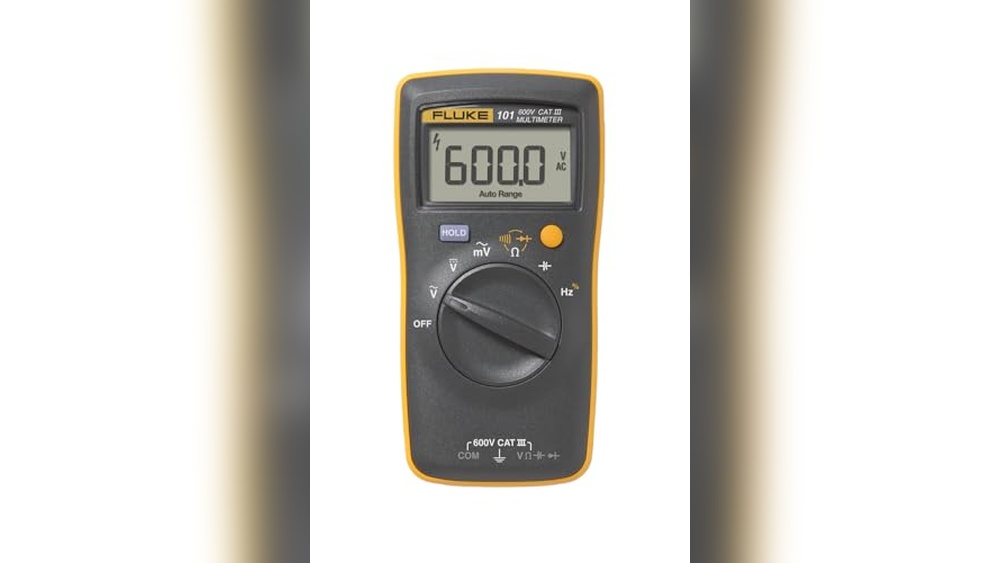
The FLUKE-101 Digital Multimeter is small and lightweight, making it easy to use with one hand. Its rugged design means I can carry it around without worrying about damage. It tests voltage, continuity with a buzzer, and diodes accurately enough for quick diagnostics. The compact size fits nicely in a pocket or tool pouch. It’s a solid choice when you want a no-frills, durable tester that’s quick to grab.

Key features for basic electrical testing
- Measures DC voltage with 0.5% accuracy
- CAT III 600 V safety rating for common electrical environments
- Continuity test with buzzer for quick checks
- Small, lightweight design for one-handed use
- Durable and rugged build
What stands out in daily use
- Fits easily in a shirt pocket or small tool bag
- Simple interface avoids confusion
- Fast response when testing circuits
- Long-lasting build reduces worry about drops
Considerations before buying
- No AC voltage or current measurement
- Lacks capacitance and frequency functions
- Limited to basic DC voltage and resistance tests
Best choice for simple, portable testing needs
The FLUKE-101 is best for anyone who needs a small, easy multimeter for basic DC measurements and continuity testing. It makes life easier by fitting comfortably in your hand and pocket, letting you test quickly without fuss. Beginners will find it straightforward, while experienced users can rely on its durability for quick checks. A practical tip is to keep it handy in your daily toolkit for fast troubleshooting. In my experience, it offers peace of mind through dependable performance on simple electrical tasks.
What Extra Capabilities Does The Fluke 107 Bring To Handheld Multimeters?
It depends on your measurement needs, but the Fluke 107 offers more functions beyond basic tests. It suits those who require more detailed electrical diagnostics.
The Fluke 107 AC/DC Current Handheld Digital Multimeter includes features like AC/DC voltage and current measurement, capacitance, frequency, and duty cycle tests. Its backlit display and data hold function help when working in dim or tight spaces. The unit is a bit larger but still portable, and the CAT III 600 V safety rating ensures it’s safe for various environments. I find it useful when I need to verify different signal types without switching tools.

Expanded measurement options for versatile testing
- Measures AC and DC voltage and current
- Tests resistance, capacitance, frequency, and duty cycle
- Backlit display for better visibility
- Data hold feature to capture readings easily
- Diode and continuity tests with buzzer
How this multimeter fits into daily tasks
- Useful for more detailed electrical troubleshooting
- Easy to read screen in low-light conditions
- Good for testing motors, circuits, and capacitors
- Comfortable to hold despite slightly bigger size
Possible trade-offs to consider
- Heavier and larger than simpler models
- Higher price point
- May be more than needed for basic users
Ideal for those needing advanced handheld measurements
The Fluke 107 is best for electricians or hobbyists who want one tool for multiple types of electrical tests. It simplifies work by combining functions that otherwise require separate devices. Beginners who need more than basic voltage checks will find it handy, while pros can appreciate its versatility. A practical tip is to use the data hold when working in awkward spots to avoid re-testing. In my experience, it offers reassurance by handling a broad range of measurements safely and reliably.
How Fluke-101 And Fluke 107 Perform Side-by-side In Daily Electrical Work
I used both multimeters for typical tasks around the house and workshop. I tested batteries, outlets, motors, and simple circuits. Each tool’s size, ease of use, and measurement options influenced my workflow. Here’s how they compare in key areas that matter for electrical testers.
Which device handles voltage and current measurements better?
The FLUKE-101 focuses on basic DC voltage, while the Fluke 107 measures both AC/DC voltage and current. For jobs involving current or AC voltage, the Fluke 107 is more capable.
| Metric | FLUKE-101 | Fluke 107 |
|---|---|---|
| AC Voltage Measurement | No | Yes |
| DC Voltage Measurement | Yes | Yes |
| Current Measurement (AC/DC) | No | Yes |
| Accuracy on DC Voltage | 0.5% | Standard |
Rating: Fluke 107 leads for versatility in voltage and current tests.
Edge: Fluke 107 suits users needing AC and current measurements beyond basic DC checks.
How do they compare in size and portability?
The FLUKE-101 is smaller and lighter, ideal for quick checks and easy carrying. The Fluke 107 is bigger and heavier but still portable.
| Metric | FLUKE-101 | Fluke 107 |
|---|---|---|
| Weight (pounds) | 0.35 | 0.44 |
| Dimensions (inches) | 5.12 x 2.56 x 1.06 | 2.17 x 11.0 x 8.27 |
Rating: FLUKE-101 wins for compactness and ease of pocket carry.
Edge: FLUKE-101 works best for users who prioritize lightweight and small size.
What about additional measurement features?
The Fluke 107 offers capacitance, frequency, and duty cycle readings. The FLUKE-101 sticks to basic tests like resistance and diode check.
| Metric | FLUKE-101 | Fluke 107 |
|---|---|---|
| Capacitance Measurement | No | Yes |
| Frequency Measurement | No | Yes |
| Duty Cycle Measurement | No | Yes |
| Diode and Continuity Test | Yes | Yes |
Rating: Fluke 107 is better for advanced electrical diagnostics.
Edge: Fluke 107 fits users needing a broader range of tests in one device.
How do safety and durability compare?
Both are rated CAT III 600 V, suitable for most electrical tasks. The FLUKE-101’s rugged design feels very durable, while the Fluke 107 also offers solid build quality.
| Metric | FLUKE-101 | Fluke 107 |
|---|---|---|
| Safety Rating | CAT III 600 V | CAT III 600 V |
| Design Durability | Rugged and durable | Sturdy |
Rating: Both provide reliable safety and durability.
Edge: Tie; both are suitable for typical electrical environments.
How does price impact the choice?
The FLUKE-101 is more affordable, focusing on basics. The Fluke 107 costs more but adds features.
| Metric | FLUKE-101 | Fluke 107 |
|---|---|---|
| Price | Approx. $79 | Approx. $120 (discounted) |
| Value for Features | Basic functions at lower cost | More functions at higher cost |
Rating: FLUKE-101 offers good value for basic use; Fluke 107 adds cost for extra functions.
Edge: FLUKE-101 fits budget-conscious buyers; Fluke 107 suits those needing more tools.
Choosing The Right Fluke Multimeter For Your Needs
If you need a small, simple, and rugged multimeter primarily for DC voltage, continuity, and diode tests, the FLUKE-101 is a solid choice. It’s excellent for quick checks, portability, and basic electrical troubleshooting without extra features.
For those who require AC current and voltage measurements, plus additional functions like capacitance and frequency testing, the Fluke 107 offers more versatility. It suits users who want a single tool for a wider range of electrical diagnostics and don’t mind the larger size or higher price.
Both are reliable and safe tools; the best pick depends on your typical tasks and how many measurement types you need.
Common Questions About Fluke 101 Vs 107 Multimeters
Can the FLUKE-101 measure AC voltage?
No, the FLUKE-101 only measures DC voltage. If you need AC voltage measurement, the Fluke 107 is the better option.
Is the Fluke 107 suitable for beginners?
Yes, it is user-friendly but offers more features than basic models. Beginners can grow into its functions over time.
Which multimeter is easier to carry daily?
The FLUKE-101 is smaller and lighter, making it easier to carry around for quick jobs.
Do both multimeters have safety ratings?
Yes, both have a CAT III 600 V safety rating, suitable for most electrical work environments.
Does the Fluke 107 include a backlit display?
Yes, the Fluke 107 has a backlit screen which helps when working in low-light conditions.

I’m Asif Ur Rahman Adib, an Electrical Engineer and lecturer. My journey began in the lab, watching students struggle with instruments they used every day without fully understanding them. Over time, I’ve combined teaching, research, and hands-on experience to help others grasp electrical concepts clearly, safely, and practically—whether it’s understanding a circuit or mastering a multimeter.