Choosing between the Fluke 107 and Fluke 17B+ can shape how you handle electrical tasks.
These digital multimeters differ mainly in their measurement range and extra features like temperature testing.
Imagine needing to quickly check voltage on a home circuit or troubleshoot an appliance. Sometimes, you want a tool that’s compact and easy to use. Other times, you need more measurement options to cover diverse jobs. Having the right multimeter can save time and reduce guesswork.
This article will help you understand how each tool fits daily electrical work and which might suit your needs best.
How Does The Fluke 107 Handle Essential Electrical Measurements?
Yes, it covers the basics well for common electrical tasks.
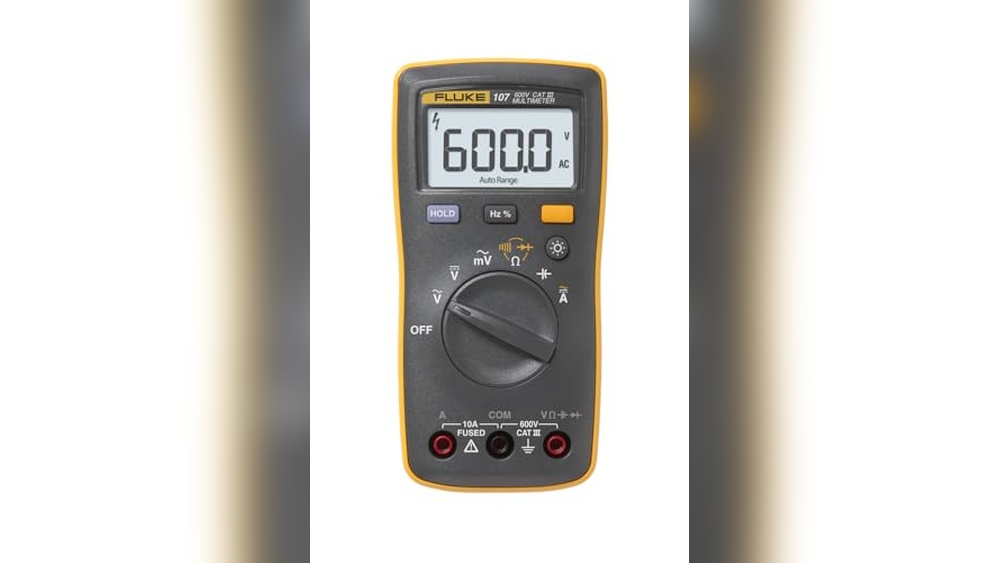
The Fluke 107 is designed for straightforward use. It measures AC/DC voltage and current, resistance, and capacitance. The data hold and backlit display make it easier to read in different lighting conditions. I found it reliable for quick checks around the house or on small projects. Its compact size is handy when working in tight spaces.

Key measurement features of the Fluke 107
- Measures AC/DC voltage and current, resistance, and capacitance
- Includes diode test and frequency/duty cycle measurement
- Backlit display for working in low light
- Data hold function to freeze readings
- CAT III 600V safety rating for common environments
What makes the Fluke 107 practical in daily use
- Compact and lightweight design fits easily in a tool bag
- Simple interface without overwhelming options
- Reliable readings for basic electrical troubleshooting
- Good for quick checks on household wiring and small appliances
- Backlight helps when working in dim areas
Points to consider before choosing the Fluke 107
- No temperature measurement feature
- Lower current measurement range compared to some models
- Limited for advanced electrical diagnostics
Who benefits most from the Fluke 107 in everyday work?
This multimeter is best for homeowners and hobbyists who need a reliable tool for common electrical tasks. It simplifies basic testing and fits well in a compact toolkit. Beginners will find it straightforward without extra complexity. A practical tip is to keep it charged and use the data hold to capture tricky readings. In my experience, having a no-fuss meter like this reduces the time spent guessing what’s wrong. It offers peace of mind when checking circuits safely and efficiently.
What Extra Capabilities Does The Fluke 17b+ Bring To Electrical Troubleshooting?
It depends on your need for wider measurement functions.
The Fluke 17B+ expands on basic multimeter features with higher voltage and current limits, plus temperature measurement. It supports AC/DC voltage up to 1000V and current up to 10A. The ability to measure temperature with a type K thermocouple adds versatility for HVAC or heating system checks. The interface is still user-friendly but offers more options for detailed diagnostics. This meter suits those who regularly handle varied electrical systems.

Important features that define the Fluke 17B+
- Measures AC/DC voltage up to 1000V and current up to 10A
- Includes resistance, continuity, capacitance, diode, and frequency tests
- Temperature measurement up to 400°C with included thermocouple
- CAT III 600V safety rating for residential and commercial use
- Backlit display for better visibility
Where the Fluke 17B+ excels in practical tasks
- Versatile for electrical and HVAC applications
- Good for diagnosing complex electrical systems
- Temperature function adds useful monitoring
- Sturdy build suitable for industrial environments
- Clear display and easy switch between functions
Trade-offs to keep in mind with the Fluke 17B+
- Larger and heavier than simpler models
- More features can be overwhelming for beginners
- Price is higher reflecting added capabilities
Who should consider the Fluke 17B+ for their tool kit?
The 17B+ fits professionals and serious DIYers who need comprehensive testing options. It simplifies complex diagnostics by combining multiple measurements in one device. Experienced users will appreciate the temperature capability and wider ranges. If you’re new, take time to learn its functions to get the most out of it. In my experience, this multimeter provides confidence when working on diverse electrical and heating systems. It helps avoid guesswork and gives reliable data in one go.
Comparing Fluke 107 And Fluke 17b+ In Everyday Electrical Tasks
I used both meters over several days on home repairs and small job sites. They were tested on wiring checks, appliance troubleshooting, and HVAC system monitoring. I noted how each handled measurements, ease of use, and portability in practical scenarios. The experience highlighted where each tool fits best and what compromises you make. This helped me understand their real-life strengths and limitations.
Which meter offers better measurement range and versatility?
The 17B+ supports higher voltage and current limits and adds temperature measurement, making it more versatile for varied tasks. The 107 covers essential measurements but with lower max values.
| Metric | Fluke 107 | Fluke 17B+ |
|---|---|---|
| Max Voltage Measurement | 600V AC/DC | 1000V AC/DC |
| Max Current Measurement | Not specified, limited | 10A |
| Temperature Measurement | No | Yes, up to 400°C |
| Resistance, Capacitance, Frequency | Yes | Yes |
Ratings: Fluke 107 – adequate for basic needs; Fluke 17B+ – more complete set.
Edge: Choose 17B+ if you need broader ranges and temperature; 107 suffices for simple electrical checks.
How do size and portability compare for field use?
The Fluke 107 is smaller and lighter, making it easier to carry around and use in tight spaces. The 17B+ is bigger and heavier, which can be less convenient for quick checks.
| Metric | Fluke 107 | Fluke 17B+ |
|---|---|---|
| Height | 2.17 inches | 5.91 inches |
| Weight | 0.44 lbs | 1.04 lbs |
| Width | 11.0 inches (handle length) | 2.76 inches |
Ratings: Fluke 107 – very portable; Fluke 17B+ – bulkier but manageable.
Edge: Fluke 107 for those prioritizing compactness and ease of carry.
What about safety and durability in typical environments?
Both meters have a CAT III 600V safety rating suitable for residential and commercial use. The 17B+ is built with more ruggedness for industrial settings.
| Metric | Fluke 107 | Fluke 17B+ |
|---|---|---|
| Safety Rating | CAT III 600V | CAT III 600V |
| Build Quality | Compact, durable plastic | Heavier, rugged design |
Ratings: Both safe; 17B+ better for tougher environments.
Edge: 17B+ for industrial or heavy-duty use; 107 good for lighter tasks.
How do user interface and ease of use compare?
The Fluke 107 has a simple interface ideal for quick measurements. The 17B+ has more functions, which can take time to learn but offer more flexibility.
| Metric | Fluke 107 | Fluke 17B+ |
|---|---|---|
| Interface Simplicity | Simple | Moderate complexity |
| Backlit Display | Yes | Yes |
| Function Switching | Basic rotary dial | More options on dial |
Ratings: Fluke 107 – easy for beginners; Fluke 17B+ – better for experienced users.
Edge: Fluke 107 if you want straightforward use; 17B+ if you want more functions.
Which product offers better value for the price?
The Fluke 107 costs less and covers essential needs well. The 17B+ is pricier but provides more features and higher measurement ranges.
| Metric | Fluke 107 | Fluke 17B+ |
|---|---|---|
| Current Price | $117.73 | $124.48 |
| Discount | 27% | 28% |
| Features Included | Basic | Extended including temperature |
Ratings: Fluke 107 – good budget option; Fluke 17B+ – better feature set for price.
Edge: Choose based on whether you value advanced features or lower cost.
Choosing Between Fluke 107 And Fluke 17b+ For Your Electrical Toolkit
If your work mostly involves basic voltage and current checks, and you prefer a compact, simple tool, the Fluke 107 is a solid choice. It suits homeowners and casual users who want reliable readings without extra complexity. Its portability and ease of use make it convenient for quick troubleshooting and small projects.
The Fluke 17B+ is better suited for professionals or serious DIYers who need a wider measurement range and additional functions like temperature testing. It handles more demanding electrical tasks and provides data useful for HVAC or industrial environments. While it may take time to learn, its versatility makes it a valuable tool for varied applications.
Both are dependable multimeters. Your choice depends on the scope of your electrical work and how much versatility you need.
Common Questions On Fluke 107 Vs 17b+ Multimeters Answered
Can the Fluke 107 measure temperature like the 17B+?
No, the Fluke 107 does not include temperature measurement. The 17B+ can measure temperature up to 400°C with the supplied thermocouple, which is useful for HVAC and heating system checks.
Is the Fluke 17B+ harder to use for beginners compared to the 107?
The 17B+ offers more functions and measurement ranges, which can be overwhelming initially. The Fluke 107 has a simpler interface, making it more beginner-friendly.
Are both meters safe to use on residential electrical systems?
Yes, both have a CAT III 600V safety rating, suitable for residential and commercial electrical environments, providing a good level of protection during testing.
Which multimeter is more portable for fieldwork?
The Fluke 107 is smaller and lighter, making it easier to carry and use in tight spaces. The 17B+ is bulkier but still manageable for fieldwork requiring more features.
Do these multimeters come with warranty or support?
Both products are from Fluke, a reputable brand known for solid customer support. Warranty details typically come with purchase, but it’s best to check the seller’s information for specifics.

I’m Asif Ur Rahman Adib, an Electrical Engineer and lecturer. My journey began in the lab, watching students struggle with instruments they used every day without fully understanding them. Over time, I’ve combined teaching, research, and hands-on experience to help others grasp electrical concepts clearly, safely, and practically—whether it’s understanding a circuit or mastering a multimeter.