Choosing Between Fluke 113 And Fluke 115 Multimeters
Deciding on the right multimeter can be tricky. Both the Fluke 113 True-RMS Utility Multimeter and the Fluke 115 Digital Multimeter are popular choices. They share many features but serve different needs. Buyers often get confused about which one suits them best. This article aims to clarify their differences. It helps you pick the right tool for your work and budget.
Why The Fluke 113 Vs 115 Comparison Is Confusing
Marketing materials often highlight every feature, making both multimeters look equally powerful. This creates noise that clouds decision-making. It’s hard to tell which features matter most.
The specs can be overwhelming. Both measure voltage, resistance, and continuity, but subtle differences in capabilities and ratings may be missed. Buyers struggle to understand what those specs mean in practice.
People sometimes focus on the wrong priorities. They might pick based on price or appearance rather than on which model fits their daily tasks. This leads to regret or underused tools.
Who Benefits Most From Each Fluke Multimeter
For occasional home users who need a reliable multimeter for simple electrical tasks, the Fluke 113 is a solid choice. It covers basics well and costs less.
Field technicians needing more versatile measurements and backlight for dim conditions will find the Fluke 115 more fitting. It has extra features for professional use.
Budget-conscious buyers who want accuracy but don’t need advanced functions lean toward the Fluke 113. It offers good value without unnecessary extras.
People working often in poorly lit or cramped spaces appreciate the Fluke 115’s LED backlight and compact design. It makes readings easier.
Those who want to record signal fluctuations and measure current up to 10 amps will prefer the Fluke 115. It has Min/Max/Average functions not found on the Fluke 113.
In summary, the Fluke 113 fits basic utility needs better, while the Fluke 115 suits professional or demanding environments.
Where Fluke 113 Fits Naturally
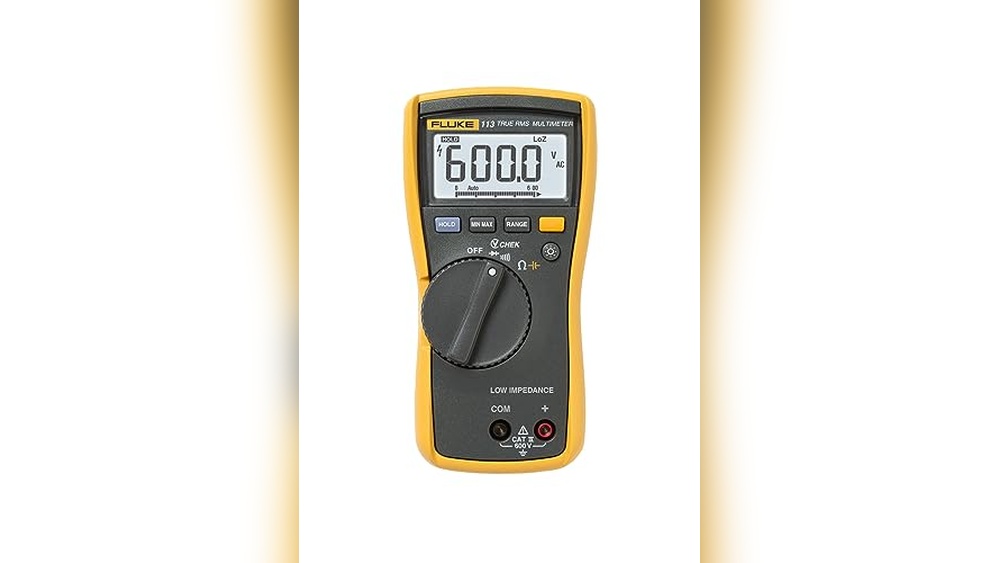
For daily quick checks around the house or workshop, the Fluke 113 is easy to use. Its manual and auto-ranging modes give me flexibility without fuss. I like its compact size and clear display for simple tasks.
Over time, it feels dependable and straightforward. It’s lightweight and fits comfortably in my hand. The safety ratings make me confident using it on typical household circuits.
One limitation is it doesn’t measure current like the Fluke 115. If you need that, you might want to look elsewhere.

What works well over time
- Accurate True RMS readings for most household jobs
- Simple interface with both manual and auto ranging
- Lightweight and compact for easy handling
- Good safety ratings for common electrical work
- Simultaneous voltage and continuity checks
Things that may bother some users
- No ability to measure current
- Smaller display compared to some models
- Lacks backlight for working in dark places
Where Fluke 115 Makes More Sense
In my experience, the Fluke 115 suits field technicians and professionals better. Its compact size and LED backlight help when working in tight or poorly lit spots. It handles a wider range of measurements, including current up to 10 amps.
Over the long term, it feels versatile and robust. The Min/Max/Average function is useful to catch signal fluctuations I might otherwise miss. It’s slightly heavier but still portable enough.
One drawback is the higher price point compared to the Fluke 113. If you don’t need the extras, it might be more than necessary.

What works well over time
- Measures AC/DC voltage and current up to 10 A
- Min/Max/Average recording helps analyze signal changes
- LED backlight for work in dark environments
- Compact and ergonomic design
- Strong safety rating for professional use
Things that may bother some users
- Higher cost compared to simpler models
- Slightly heavier and larger
- More features can mean a learning curve
Early Signals That Influence The Choice
The first impression often comes from the price. The Fluke 113 is more affordable, which attracts those with tight budgets or simple needs.
Another signal is the range of measurements. If current measurement is important, the Fluke 115 stands out immediately.
Usability in low light is a clear factor. The backlight on the Fluke 115 appeals to users working in dim areas.
The size and weight influence comfort. The Fluke 113’s smaller frame suits quick tasks, while the Fluke 115 feels more substantial for longer use.
Finally, safety ratings and certifications reassure users about reliability and protection.
Comparing Key Decision Signals
Here’s a quick look at how the Fluke 113 and Fluke 115 compare on important early decision points.
| Decision signal (before buying) | Fluke 113 | Fluke 115 |
|---|---|---|
| Price | Lower, good for budget buyers | Higher, reflects more features |
| Current Measurement | No current measurement | Measures current up to 10 A |
| Backlight | No backlight | Includes large white LED backlight |
| Size and Weight | Compact and lightweight | Compact but heavier |
| Safety Ratings | Category III 600 V, Category IV 300 V | Category III 600 V |
| Extra Functions | Basic tests and manual/auto ranging | Min/Max/Average recording, frequency measurements |
What Living With These Multimeters Feels Like
Both models require minimal maintenance. Just keep them clean and store safely. Battery changes are straightforward.
The Fluke 113 offers consistent accuracy for everyday checks. It rarely needs recalibration for home use.
The Fluke 115 delivers reliable performance, especially on professional jobs. Its extra functions hold up well under frequent use.
Minor annoyances include the lack of backlight on the Fluke 113 and the slightly heavier feel of the Fluke 115. Neither is a dealbreaker.
Trust builds over time with both. Users report dependable readings and durable construction.
Long-term Ownership Comparison
Looking at real-world use, here is how these models stack up after weeks or months of use.
| Ownership reality (after weeks/months) | Fluke 113 | Fluke 115 |
|---|---|---|
| Reliability | Very reliable for basic tasks | Highly reliable for varied tasks |
| Fit with Daily Habits | Quick, simple use | More versatile for different jobs |
| Mental Load | Low learning curve | Requires some learning for full features |
| User Satisfaction | Good for basic needs | Preferred by professionals |
| Maintenance | Easy and infrequent | Same as Fluke 113 |
| Portability | Very portable | Portable but heavier |
Common Mistakes Buyers Make
One mistake is choosing based only on price. Sometimes paying a bit more for needed features saves frustration later.
Another is overlooking current measurement needs. If you need to test current, the Fluke 113 won’t suffice.
Ignoring usability in low light can cause trouble. A backlight can be crucial in some work environments.
Assuming bigger means better can mislead. The Fluke 115 is larger and heavier, which may not suit everyone.
Finally, not considering safety ratings and certifications can risk using an unsuitable tool for your work.
Choosing The Right Fluke Multimeter For You
If you want a reliable, straightforward multimeter for home or light use, the Fluke 113 is a smart pick. It covers essentials without extra cost or complexity.
If you need a more versatile tool for professional or field work, especially with current measurement and backlight, the Fluke 115 makes more sense. It’s built for demanding environments.
Remember, the best choice depends on your specific needs. Matching the tool to your tasks matters more than chasing specs or deals.
Faqs About Fluke 113 Vs 115
Can the Fluke 113 measure current?
No, the Fluke 113 does not measure current. For current measurement, the Fluke 115 is required.
Is the Fluke 115 suitable for beginners?
Yes, but it has more features than the Fluke 113, which may require a short learning curve. It suits users ready for advanced functions.
Which multimeter has a backlight?
The Fluke 115 includes a large white LED backlight. The Fluke 113 does not have a backlight.
Are both multimeters safe to use on household circuits?
Yes, both have safety ratings suitable for typical household electrical work. The Fluke 113 is rated Category III 600V and Category IV 300V, and the Fluke 115 is Category III 600V.
What is the size difference between the two models?
The Fluke 113 is more compact and lightweight. The Fluke 115 is slightly larger and heavier but still portable.
Do both multimeters measure capacitance?
Yes, both the Fluke 113 and Fluke 115 measure capacitance along with voltage and resistance.
Is the price difference justified?
The Fluke 115 costs more due to added features like current measurement, backlight, and Min/Max/Average functions. Choose based on your needs.
Can I use the Fluke 113 for professional work?
The Fluke 113 is great for utility and general use but may lack features required for some professional tasks. The Fluke 115 is designed with professionals in mind.

I’m Asif Ur Rahman Adib, an Electrical Engineer and lecturer. My journey began in the lab, watching students struggle with instruments they used every day without fully understanding them. Over time, I’ve combined teaching, research, and hands-on experience to help others grasp electrical concepts clearly, safely, and practically—whether it’s understanding a circuit or mastering a multimeter.