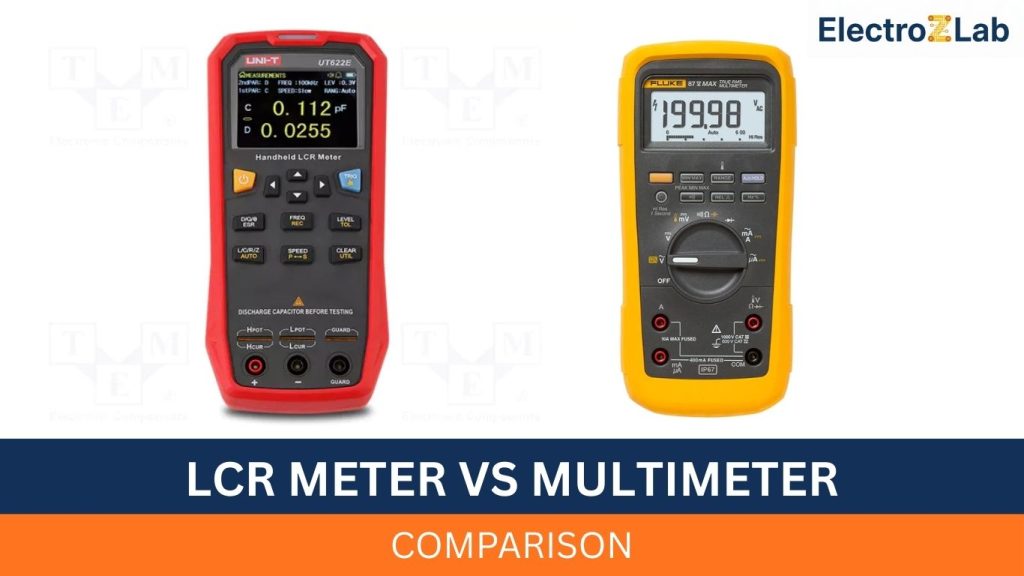
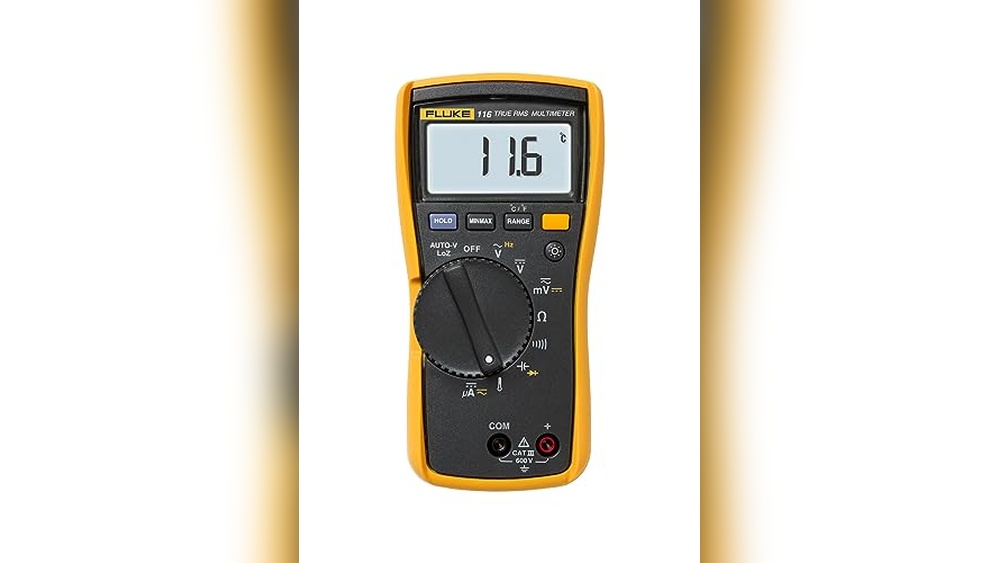
The Fluke 116 HVAC Multimeter and the Fluke 117 Digital Multimeter are designed for professionals needing reliable electrical measurements. Both tools offer features that suit different types of electrical work. The main difference lies in their specific functions and target use cases.
Fluke 116 is tailored for HVAC tasks, while Fluke 117 emphasizes electrical testing with non-contact voltage detection. By reading this, you will understand which multimeter fits your daily needs better.
Choosing Between Hvac And Electrical Multimeters
- Choose Fluke 116 HVAC Multimeter if you need temperature measurement and flame sensor testing.
- Pick Fluke 117 Digital Multimeter for non-contact AC voltage detection and general electrical testing.
- Go with Fluke 116 when working in HVAC environments requiring temperature and microamp measurements.
- Select Fluke 117 for accurate AC/DC voltage readings with automatic selection and low impedance mode.
- Consider Fluke 117 if you want a compact multimeter with VoltAlert technology for safety checks.
How These Multimeters Perform In Everyday Tasks
Using the HVAC Multimeter daily means relying on its temperature sensor and microamps feature to check flame sensors easily. Its large LED backlight helps in dim work areas, which is common in HVAC jobs.
The Digital Multimeter stands out for quick voltage detection without contact, making it convenient for electrical troubleshooting. I found its automatic AC/DC selection handy for varied tasks in general electrical maintenance.
Fluke 116 Hvac Multimeter At A Glance

Where Fluke 116 Fits Best
- HVAC professionals needing temperature and flame sensor measurements
- Work in dimly lit environments requiring a strong LED backlight
- Tasks demanding low input impedance to avoid ghost voltage errors
Where Fluke 116 May Struggle
- Lacks non-contact voltage detection found in Fluke 117
- Heavier and bulkier compared to Fluke 117
Fluke 117 Digital Multimeter At A Glance

Where Fluke 117 Fits Best
- Electricians needing non-contact AC voltage detection
- General electrical troubleshooting with automatic AC/DC voltage selection
- Work requiring accurate True RMS measurements on non-linear loads
- Tasks in low light thanks to the large white LED backlight
Where Fluke 117 May Struggle
- No built-in thermometer for temperature measurement
- Smaller size might feel less robust for some HVAC-specific tasks
Understanding Key Differences In Practical Use
In daily work, I compared how each multimeter handles common electrical and HVAC tasks. This included temperature readings, voltage detection, and ease of use in different lighting conditions. The focus was on how each tool supports specific professional needs.
Which Multimeter Is Better for HVAC Professionals?
HVAC work often requires temperature measurements and flame sensor testing. The Fluke 116 offers these features directly, making it suitable for this environment.
| Aspect | Fluke 116 HVAC Multimeter | Fluke 117 Digital Multimeter |
|---|---|---|
| Temperature Measurement | Built-in thermometer (-40°C to 400°C) | Not available |
| Flame Sensor Testing | Microamps measurement included | Not included |
| Input Impedance | Low input impedance to reduce false readings | Low input impedance as well |
| Weight | 1.4 Pounds | 1.21 Pounds |
Ratings: Fluke 116 – 7/10 | Fluke 117 – 8/10
Edge: Fluke 116 suits HVAC professionals better due to specialized features.
Which Multimeter Offers Safer Voltage Detection?
Non-contact voltage detection adds safety during work. Fluke 117 includes VoltAlert technology for this purpose, while Fluke 116 does not.
| Aspect | Fluke 116 HVAC Multimeter | Fluke 117 Digital Multimeter |
|---|---|---|
| Non-Contact Voltage Detection | Not available | VoltAlert technology included |
| Automatic AC/DC Voltage Selection | No | Yes |
| Safety in Voltage Testing | Standard probes | Enhanced with non-contact feature |
| LED Backlight | Large white LED | Large white LED |
Ratings: Fluke 116 – 6/10 | Fluke 117 – 9/10
Edge: Fluke 117 is better suited for safer electrical voltage checks.
How Do Size and Portability Compare?
Portability affects ease of use on the job. Fluke 117 is more compact and lighter, making it easier to carry around.
| Aspect | Fluke 116 HVAC Multimeter | Fluke 117 Digital Multimeter |
|---|---|---|
| Weight | 1.4 Pounds | 1.21 Pounds |
| Dimensions (HxWxL) | 5.91″ x 11.02″ x 12.99″ | 1.82″ x 3.31″ x 6.67″ |
| Ease of Carrying | Bulkier | Compact and portable |
Ratings: Fluke 116 – 6/10 | Fluke 117 – 8/10
Edge: Fluke 117 offers better portability for everyday use.
Which Multimeter Provides More Measurement Functions?
Function variety is important for different tasks. Fluke 117 covers resistance, continuity, frequency, capacitance, and more.
| Aspect | Fluke 116 HVAC Multimeter | Fluke 117 Digital Multimeter |
|---|---|---|
| Resistance/Continuity | Basic support | Measures resistance, continuity, frequency, capacitance |
| Frequency Measurement | No | Yes |
| Capacitance Measurement | No | Yes |
| Temperature Measurement | Yes | No |
Ratings: Fluke 116 – 7/10 | Fluke 117 – 8/10
Edge: Fluke 117 suits users needing broader electrical measurement options.
Long-term Use And Reliability In The Field
Both multimeters have a manageable learning curve for those familiar with electrical tools. Fluke’s consistent interface design helps maintain trust and ease of use over time.
Users can expect steady performance and peace of mind, whether measuring temperatures or detecting voltage without contact. Familiarity with the device features grows quickly with regular use.
Deciding Which Multimeter Fits Your Professional Routine
If your work focuses on HVAC systems, flame sensors, and requires temperature readings, the Fluke 116 HVAC Multimeter provides the necessary tools without extra functions you might not need.
For electricians or general electrical technicians needing non-contact voltage detection and a wider range of measurements, the Fluke 117 Digital Multimeter is more practical and compact.
Both are solid choices tailored to specific tasks, offering reliability and ease of use in their respective fields.
Common Questions About Fluke 116 Vs 117 Multimeters
Does the Fluke 116 measure temperature?
Yes, the Fluke 116 includes a built-in thermometer that measures from -40°C to 400°C. The Fluke 117 does not have temperature measurement capability.
Can the Fluke 117 detect voltage without contact?
Yes, Fluke 117 features VoltAlert technology for non-contact AC voltage detection. This adds safety when checking for live wires.
Which multimeter is better for HVAC flame sensor testing?
The Fluke 116 supports microamps measurement required for testing flame sensors. The Fluke 117 lacks this specific feature.
Are both multimeters easy to use in low light?
Yes, both have large white LED backlights that help in poorly lit environments. This makes reading measurements easier on the job.
Is the Fluke 117 more portable than the Fluke 116?
Yes, the Fluke 117 is smaller and lighter, making it easier to carry around during daily electrical work compared to the bulkier Fluke 116.
Do both multimeters prevent false readings from ghost voltage?
Yes, both models have low input impedance which helps avoid false readings caused by ghost voltage.
Which model offers more measurement functions?
The Fluke 117 covers more electrical measurements like resistance, frequency, and capacitance. The Fluke 116 focuses more on HVAC-specific features like temperature and microamps.

I’m Asif Ur Rahman Adib, an Electrical Engineer and lecturer. My journey began in the lab, watching students struggle with instruments they used every day without fully understanding them. Over time, I’ve combined teaching, research, and hands-on experience to help others grasp electrical concepts clearly, safely, and practically—whether it’s understanding a circuit or mastering a multimeter.