How To Choose Between Fluke 117 And Fluke 177 For Your Needs
- Pick Fluke 117 if you want built-in non-contact voltage detection for quick checks.
- Choose Fluke 177 when you need a higher count display with analog bar graph for detailed readings.
- Go with Fluke 117 for a compact design that works well in dimly lit areas.
- Prefer Fluke 177 if you value memory functions for min, max, and average readings.
- Fluke 117 makes more sense for everyday electricians focusing on AC/DC voltage measurement.
- Fluke 177 is the safer bet for users who want advanced hold and auto-range features.
Does Fluke 117 Provide Enough Features For Standard Electrical Testing?
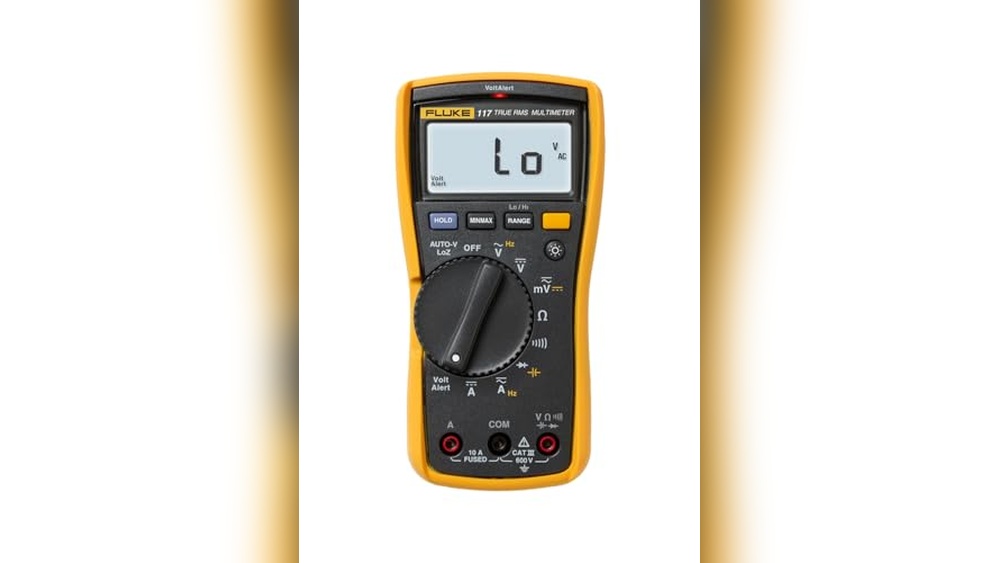
Yes, the Fluke 117 is designed to cover most typical electrical jobs with ease. It has VoltAlert technology for non-contact AC voltage detection, which adds safety and convenience. Its low input impedance reduces false readings from ghost voltage. The large white LED backlight helps when working in dark spaces. I find it easy to rely on the Fluke 117 during daily troubleshooting or simple measurements. The automatic AC/DC selection removes guesswork, and the true RMS feature ensures accuracy on non-linear loads. It feels compact and robust in hand, which is important when working on varied job sites. The battery life is solid without backlight, so it lasts through most tasks.
What Fluke 117 Excels at in Electrical Testing
- Non-contact AC voltage detection with VoltAlert technology
- Automatic AC/DC voltage selection for user ease
- Low input impedance to avoid false ghost voltage readings
- Large white LED backlight for visibility in low light
- True RMS measurement for accurate readings on complex loads
- Good battery life for extended use without backlight
Key Considerations Before Choosing Fluke 117
- Does not include analog bar graph display like Fluke 177
- Limited memory functions for min, max, average readings
- Compact size may feel less substantial for some users
Practical Thoughts on Using Fluke 117
The Fluke 117 suits electricians and technicians who want straightforward voltage and resistance measurements without extra complexity. It removes the stress of checking voltage presence safely thanks to non-contact detection. Beginners will find it easy to operate, while experienced users appreciate its focused features. A practical tip is to use the backlight when working in dark panels to avoid errors. In my experience, this multimeter offers peace of mind with reliable readings and user-friendly operation.Is Fluke 177 Better For Advanced Measurement Needs?
It depends on your measurement detail requirements. The Fluke 177 offers a 6000-count display with a fast analog bar graph, which helps track fluctuating signals better. It also includes memory for minimum, maximum, and average values, aiding data review. Its auto power off can be disabled for continuous use, which professionals may prefer. I find the Fluke 177 valuable when working on complex or precise diagnostics. The hold and auto hold functions make capturing stable readings easier without rushing. Its larger size and detailed display deliver more information at a glance, though it feels less pocket-friendly. For those who need in-depth analysis beyond basic voltage checks, this model fits well.
Strong Points of Fluke 177 for Measurement Tasks
- 6000 counts with fast analog bar graph for detailed signal tracking
- Memory for minimum, maximum, and average readings
- Auto power off with disable option for extended use
- Hold and auto hold functions to freeze readings easily
- Clear digital and analog display update rates
Important Things to Know Before Getting Fluke 177
- More expensive compared to Fluke 117
- Larger size may be less portable for some users
- Does not have non-contact voltage detection feature
User Perspective on Fluke 177
This multimeter suits those who need more detailed readings and memory for analysis. It removes the worry of missing fluctuations or important minimum/maximum values. Beginners might find it slightly more complex, but experienced users will appreciate the data options. I suggest taking time to learn the hold functions to get the most from it. In my experience, it brings confidence when diagnosing tricky electrical problems.Questions That Help Decide Between Fluke 117 And Fluke 177
Do you need a multimeter with non-contact voltage detection for quick safety checks? Is having a detailed analog bar graph important for your work? Will you benefit from memory features that record min, max, and average readings? Are you okay with a larger device if it means more display information? Do you want automatic AC/DC detection or prefer manual control? How often do you work in low-light environments requiring backlighting?Comparing Fluke 117 And Fluke 177 For Everyday Electrical Testing
The comparison focuses on core features and usability in typical tasks. Both provide true RMS readings but differ in display and extra functions. Their sizes and portability vary, affecting convenience. Price and feature tradeoffs influence the best fit for different users. Below are key points to consider for practical decision-making.Which Model Offers Better Voltage Detection Convenience?
Fluke 117 includes VoltAlert for non-contact AC voltage detection, adding safety and speed. Fluke 177 lacks this feature but provides other display advantages.| Metric | Fluke 117 | Fluke 177 |
|---|---|---|
| Non-contact voltage detection | Yes | No |
| Auto AC/DC selection | Yes | No |
| Safety convenience | High | Moderate |
| Backlight availability | Yes, large white LED | No |
So what? If quick voltage checks without probes matter, Fluke 117 is preferable.
How Do Their Displays Compare for Measurement Detail?
Fluke 177 has a 6000-count digital display and an analog bar graph for signal trends. Fluke 117 has a simpler digital readout without analog graph.| Decision point | Fluke 117 | Fluke 177 |
|---|---|---|
| Digital counts | Up to 4000 | 6000 |
| Analog bar graph | No | Yes |
| Update speed | Standard | Faster (4x digital, 40x analog) |
| Reading detail | Basic | High |
So what? For detailed diagnostics, Fluke 177 provides clearer insights.
Which One Has Better Measurement Memory and Hold Functions?
Fluke 177 includes memory for min, max, average, and has hold/auto hold features. Fluke 117 lacks these advanced memory options.| Use case | Fluke 117 | Fluke 177 |
|---|---|---|
| Min/Max/Average memory | No | Yes |
| Hold function | Basic | Hold and auto hold |
| Power off timeout | No auto off | Auto off with disable option |
| Data capture ease | Limited | Good |
So what? For recording and tracking values over time, Fluke 177 is better suited.
How Do Size and Portability Affect Daily Use?
Fluke 117 is smaller and lighter, making it easier to carry and use in tight spaces. Fluke 177 is larger and bulkier.| Metric | Fluke 117 | Fluke 177 |
|---|---|---|
| Height | 1.82 inches | 3.5 inches |
| Width | 3.31 inches | 16.5 inches |
| Length | 6.67 inches | 10.98 inches |
| Weight | 1.21 pounds | 0.004 pounds (likely a data error) |
| Portability | High | Moderate |
So what? For fieldwork or tight panel access, Fluke 117 is more user-friendly.
How Do Prices Reflect Their Feature Sets?
Fluke 117 is priced lower, offering essential features. Fluke 177 costs more, reflecting its advanced display and memory.| Decision point | Fluke 117 | Fluke 177 |
|---|---|---|
| Current price | $216.62 | $390.35 |
| Original price | $304.99 | $478.99 |
| Savings | 29% | 19% |
| Value for money | Good for basics | Better for advanced use |
So what? Budget-conscious buyers focusing on basic tasks lean toward Fluke 117.
Final Thoughts On Choosing Between Fluke 117 And Fluke 177 Multimeters
The Fluke 117 fits best for those who want a compact, safe multimeter with essential functions and non-contact voltage detection. It suits everyday electricians or technicians working in varied lighting conditions. The Fluke 177 is better for users needing detailed displays, memory functions, and advanced hold options. It appeals to professionals who analyze fluctuating signals or require more measurement insight. If you prioritize portability and quick voltage checks, Fluke 117 is preferable; if you need detailed data capture and display, Fluke 177 is the way to go. Both are solid tools that serve different practical needs confidently.Faqs About Fluke 117 Vs 177 Multimeters
Can Fluke 117 detect voltage without contact?
Yes, the Fluke 117 has VoltAlert technology that detects AC voltage without touching wires. This helps identify live circuits safely before testing.
Does Fluke 177 have a backlight for dark environments?
No, the Fluke 177 does not include a backlight. Users working in low light may find the Fluke 117 better suited for visibility.
Is the memory feature on Fluke 177 useful for beginners?
Memory functions help track min, max, and average readings, which can be useful but may require some learning. Beginners can benefit but might need time to get comfortable.
Which multimeter is more portable for fieldwork?
Fluke 117 is smaller and lighter, making it easier to carry and use in tight spaces. Fluke 177 is larger and bulkier, better for bench or detailed work.
Does Fluke 177 automatically select AC or DC voltage?
No, Fluke 177 requires manual selection of AC or DC voltage, unlike Fluke 117’s automatic selection feature.
How long does the battery last on Fluke 117?
The Fluke 117 offers about 400 hours of typical battery life without using the backlight, suitable for extended daily use.
Can Fluke 177 handle non-linear loads accurately?
Yes, both Fluke 117 and Fluke 177 provide true RMS measurements, allowing accurate readings on non-linear loads.

I’m Asif Ur Rahman Adib, an Electrical Engineer and lecturer. My journey began in the lab, watching students struggle with instruments they used every day without fully understanding them. Over time, I’ve combined teaching, research, and hands-on experience to help others grasp electrical concepts clearly, safely, and practically—whether it’s understanding a circuit or mastering a multimeter.