Choosing Between Two Fluke Insulation Testers
When looking for an insulation tester, the decision between the Fluke 1507 and 1587 models can be confusing. Both are from a trusted brand with solid reputations. They offer features that seem quite similar at first glance. The choice isn’t just about specs but also about how you plan to use the tool. This review aims to clear up the confusion and help you find the right fit for your needs.
Why This Comparison Can Be Tricky
Marketing materials often emphasize features that sound impressive but may not be essential for every user. This noise can make it hard to focus on what matters most for your work. Both models offer advanced functions, but deciding which to prioritize is not straightforward.
Specifications can overlap, making it difficult to understand the real differences. Technical details like test voltages or memory capabilities require context to evaluate properly. Without practical insights, it’s easy to get lost in the numbers.
Buyers sometimes focus on the wrong priorities, such as price alone or brand name. However, the best tool depends on your specific tasks, work environment, and long-term use habits. Choosing the wrong model can lead to frustration later.
Identifying Different Buyer Needs
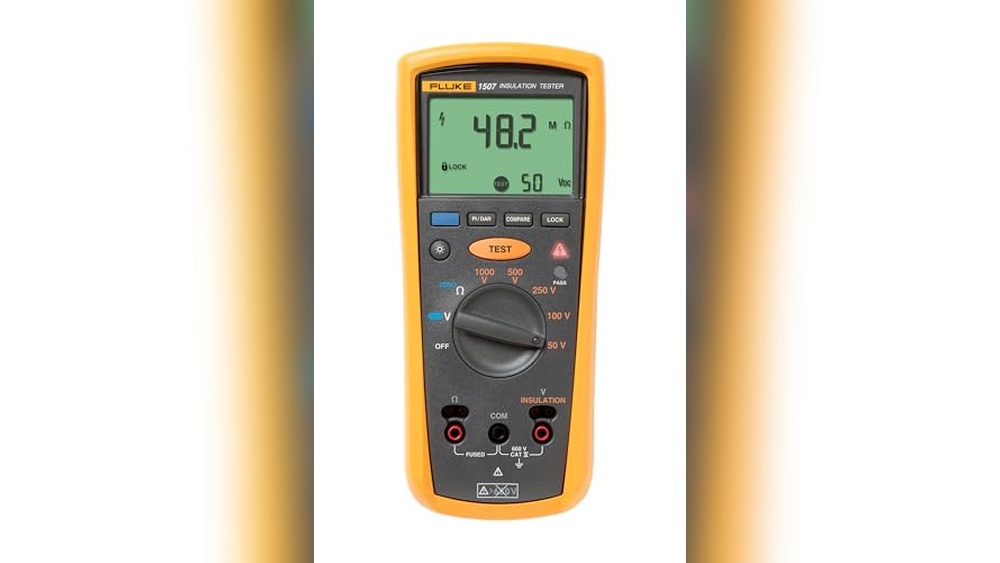
If you are an industrial electrician who needs reliable insulation testing with multiple voltage options, the Fluke 1507 fits well. It offers essential features with good protection and a clear display. This model is simpler and ready for regular use.
For professionals who require advanced diagnostics, including insulation multimeter functions and data logging, the Fluke 1587 suits better. Its integration with the Fluke Connect app helps track data over time and analyze trends.
Budget-conscious buyers who want quality without extra complexity might lean toward the Fluke 1507. It covers the basics effectively without adding unnecessary features.
Users who prefer mobile app support and historical data comparison will find the Fluke 1587 more useful. It brings modern connectivity to insulation testing.
Those who work in environments requiring fast, repetitive measurements with a remote probe may appreciate the Fluke 1507’s design. Its live circuit detection adds safety during routine checks.
Where The Fluke 1507 Digital Megohmmeter Fits Naturally
Daily use of the Fluke 1507 feels straightforward. I find the large backlit display easy to read, even in dim conditions. Its remote test probe makes repetitive tasks less tiring. The unit’s calibration certificate provides confidence in accuracy from day one.
Over time, this tester proves reliable for standard insulation resistance checks. It stays consistent and protects users by preventing tests on live circuits. The size and weight are manageable for fieldwork.
One limitation is the lack of advanced data storage or app integration. For those needing detailed trend analysis, this might be a drawback.

What Works Well Over Time
- Accurate calibration with NIST certificate
- Multiple insulation test voltages
- Remote test probe for hard-to-reach spots
- Live circuit detection for safety
- Clear, backlit display for easy reading
Things That May Bother Some Users
- No mobile app or data logging support
- Heavier than some other testers at over 2 pounds
- Basic interface without advanced diagnostic tools
Where The Fluke 1587 Fc Insulation Multimeter Makes More Sense
The Fluke 1587 feels more like a full diagnostic tool. I appreciate the integration with the Fluke Connect app, which helps me track results without paper. Its 2-in-1 functionality combines insulation testing with a multimeter, adding versatility.
Long-term use is convenient for users needing trend analysis and detailed insulation health data. The memory storage and temperature compensation features support more precise work over time.
One limitation is the higher price point, which may not suit all budgets. Also, it is lighter and smaller, but the added features require a learning curve.

What Works Well Over Time
- Data logging with mobile app support
- Advanced insulation and multimeter functions
- Temperature compensation for accuracy
- Compact and lightweight design
- Trend It graphs for quick problem identification
Things That May Bother Some Users
- Higher cost compared to simpler models
- Requires time to learn app and features
- Less weight may feel less rugged to some
Early Signals That Guide The Choice
One early sign is the need for mobile connectivity. If tracking and storing test results digitally is important, the Fluke 1587 offers a clear advantage. The app integration is a strong pull for tech-savvy users.
Another signal is the complexity of your testing tasks. For straightforward insulation resistance checks, the Fluke 1507’s simplicity is appealing. It delivers essential features without extra steps.
Budget considerations often emerge early. The Fluke 1507 is more affordable, which can be decisive for many buyers. The 1587’s higher price must be justified by its additional features.
Weight and size also influence the initial impression. The Fluke 1587 is lighter and smaller, fitting easily in a tool bag. The 1507 is bulkier but might feel more solid in hand.
Comparing Early Decision Signals
This table highlights key signals buyers notice before making a choice.
| Decision signal (before buying) | Fluke 1507 Digital Megohmmeter | Fluke 1587 FC Insulation Multimeter |
|---|---|---|
| Learning curve | Simple and straightforward | Moderate; app features need time |
| First impressions | Robust, classic design | Modern, compact look |
| Setup comfort | Ready to use with minimal setup | Requires app installation and pairing |
| Feature clarity | Clear focus on insulation testing | Dual function with insulation and multimeter |
| Price sensitivity | Lower cost, good value | Higher price for advanced features |
What Living With These Testers Is Like
Maintaining the Fluke 1507 is straightforward. Calibration is assured before shipping, reducing concerns about accuracy. Regular use feels reliable and consistent.
The Fluke 1587 requires occasional app updates and battery checks for optimal performance. Its connectivity brings convenience but also demands some digital upkeep.
Minor annoyances with the 1507 include its heavier weight and lack of data storage. Still, it performs well in everyday tasks without surprises.
With the 1587, users might find the app interface occasionally complex. However, the richer feature set offsets this for many professionals.
Both models build trust over time through consistent results and quality design.
Long-term Ownership Comparison
Here is how each model stacks up after weeks or months of use.
| Ownership reality (after weeks/months) | Fluke 1507 Digital Megohmmeter | Fluke 1587 FC Insulation Multimeter |
|---|---|---|
| Reliability | Very reliable, stable readings | Reliable with added app features |
| Habit fit | Fits well for routine insulation checks | Better for mixed insulation and multimeter tasks |
| Mental load | Low; simple interface | Moderate; app and features add complexity |
| Satisfaction | High for basic needs | High for advanced diagnostics |
| Maintenance effort | Minimal; occasional calibration | Some digital maintenance required |
Common Buyer Mistakes And How To Avoid Them
One mistake is choosing based solely on price. Cheaper models may save money but lack features you might need later. Consider your real use cases before deciding.
Another error is ignoring data management needs. If you want to track results over time, a model without app support could limit your work quality.
Overlooking device weight and size can lead to discomfort in the field. Test how the tool feels in hand before committing.
Some buyers pick the model with the most features, even if they don’t use them. This can complicate tasks and slow down workflow.
Finally, neglecting safety features like live circuit detection might put users at risk. Always verify the protective functions before purchase.
Making The Right Choice For Your Situation
If your work mainly involves standard insulation resistance testing with a focus on safety and simplicity, the Fluke 1507 is the sensible choice. It offers essential features without extra complexity.
For those who need combined insulation and multimeter functions, plus digital data management and trend analysis, the Fluke 1587 is better suited. It supports more detailed diagnostics and modern workflows.
Remember, the best tool depends on your specific needs and habits. Choosing the right fit is more important than chasing specs or price alone.
Faqs About Fluke 1507 Vs 1587
What are the main differences between the Fluke 1507 and 1587?
The Fluke 1507 focuses on insulation resistance testing with multiple voltages and safety features. The Fluke 1587 combines insulation testing with a multimeter and offers app connectivity and data logging.
Which model is better for basic insulation testing?
The Fluke 1507 is better for straightforward insulation resistance testing with reliable results and safety functions.
Does the Fluke 1587 support mobile app integration?
Yes, the Fluke 1587 connects to the Fluke Connect app for memory storage, trend analysis, and temperature compensation.
Is the Fluke 1507 suitable for repetitive or hard-to-reach testing?
Yes, it includes a remote test probe that makes repetitive or hard-to-reach testing easier.
Which tester is lighter and more compact?
The Fluke 1587 is lighter and smaller, making it easier to carry and handle during work.
Are both testers safe to use on live circuits?
The Fluke 1507 has live circuit detection to prevent testing if voltage above 30 volts is present. The 1587 also includes safety features appropriate for its functions.
How do the prices compare?
The Fluke 1507 is more affordable, while the Fluke 1587 costs more due to its advanced features and app connectivity.
Can I use the Fluke 1587 for both insulation testing and multimeter measurements?
Yes, the Fluke 1587 is a 2-in-1 device that handles both insulation testing and multimeter measurements efficiently.

I’m Asif Ur Rahman Adib, an Electrical Engineer and lecturer. My journey began in the lab, watching students struggle with instruments they used every day without fully understanding them. Over time, I’ve combined teaching, research, and hands-on experience to help others grasp electrical concepts clearly, safely, and practically—whether it’s understanding a circuit or mastering a multimeter.