Quick Guide To Choosing Between Fluke Multimeters
- Pick Fluke 175 for straightforward electrical troubleshooting and basic measurements.
- Choose Fluke 179 when you need a backlit display and built-in temperature readings.
- Go with Fluke 175 for a rugged tool with essential true-RMS functions and manual ranging.
- Prefer Fluke 179 if you want a thermometer combo kit included for more versatility.
- Fluke 175 makes more sense for those valuing simplicity and a solid lifetime warranty.
- Fluke 179 is the safer bet for professionals needing improved efficiency and extra features.
Is The Fluke 175 Suitable For Everyday Electrical Troubleshooting?
Yes, the Fluke 175 covers the essential features needed for troubleshooting electrical and electronic systems. It delivers accurate true-RMS measurements for AC current and voltage, along with frequency, capacitance, resistance, continuity, and diode testing. Its manual and automatic ranging features enhance productivity. Safety ratings provide confidence during use.
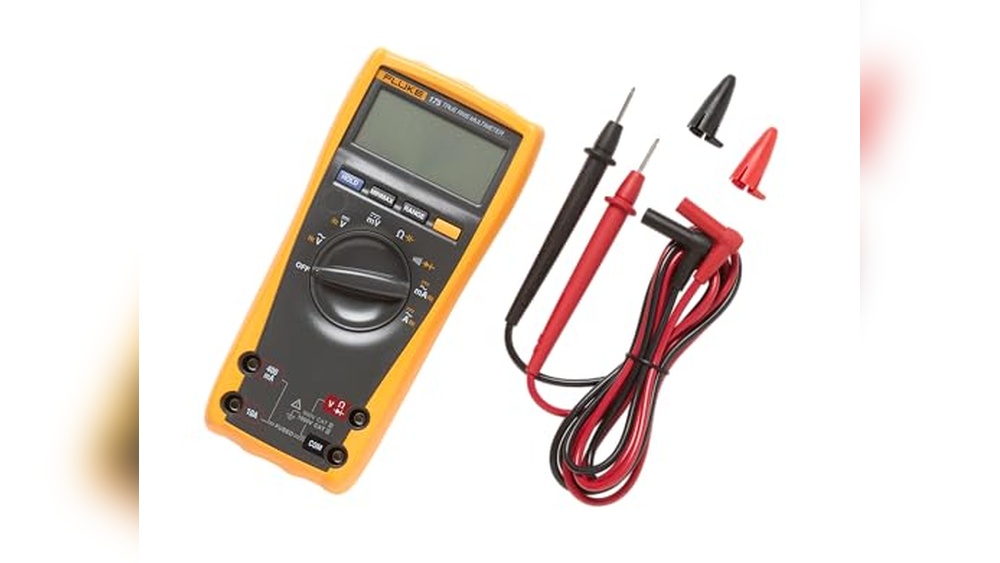
In daily use, I found the Fluke 175 reliable and straightforward. It feels solid in hand with a bright yellow casing that stands out on the workbench. The manual and auto ranging options let me adjust quickly depending on the task. Its simple interface means less time fiddling with settings, which is helpful when checking circuits on-site. The lifetime warranty adds peace of mind for long-term use.
.ap-btn{ transition:transform .15s ease, filter .15s ease; } .ap-btn:hover{ transform:translateY(-1px); filter:brightness(.95); }
Key strengths in electrical testing
- True-RMS AC current and voltage measurements for accuracy
- Manual and automatic ranging for flexible use
- Frequency, capacitance, resistance, continuity, and diode functions
- Safety rated CAT III 1000 V and CAT IV 600 V for protection
- Lifetime warranty for long-term reliability
Considerations before choosing this multimeter
- Lacks a backlit display, which can be tricky in low light
- No built-in temperature measurement capability
- Slightly heavier compared to some other models
Practical insights on using the Fluke 175
This model suits electricians and hobbyists who need dependable baseline features without extra frills. It removes the stress of complicated menus with straightforward controls and a clear display. Beginners will find it easy to operate, while experienced users appreciate its accuracy. In my experience, it handles daily electrical checks smoothly without getting in the way. A practical tip is to make use of the Auto Hold feature to capture difficult readings easily. Overall, it offers peace of mind through durability and essential functionality.
Does The Fluke 179 Offer Advantages For Professional Use?
It depends on your needs. The Fluke 179 builds on basic multimeter features by adding a backlit digital display and a built-in thermometer with a thermocouple. This makes it more versatile for industrial environments or detailed troubleshooting. It keeps the true-RMS accuracy and includes manual and automatic ranging for flexible operation.
Using the Fluke 179, I noticed the improved visibility from the backlit screen makes work easier in dim spaces. The temperature measurement is handy for checking HVAC systems or electrical components that heat up. Its lighter weight compared to the Fluke 175 adds comfort during extended use. The analog bar graph helps visualize readings dynamically, which can speed up diagnostics. This model fits well for users who want more functionality without complexity.

Strengths that enhance professional troubleshooting
- Backlit digital display for clear readings in low light
- Built-in thermometer with included thermocouple
- Analog bar graph for real-time measurement trends
- True-RMS AC current and voltage accuracy
- Manual and automatic ranging options
- Industrial thermometer combo kit included
What to keep in mind before selecting this model
- Higher price compared to simpler multimeters
- More features may require learning time
- Color scheme may be less visible in bright outdoor work
Experienced perspective on the Fluke 179
The Fluke 179 suits professionals and advanced users who benefit from added temperature measurement and better display visibility. It removes the guesswork when working in poorly lit areas and provides extra data points for diagnostics. Beginners might find it slightly more complex but manageable with some practice. I recommend using the thermometer feature regularly to catch overheating issues early. In my experience, it delivers reliable readings consistently and helps reduce troubleshooting time. This meter offers a balance of precision and practical extras for demanding tasks.
Key Questions To Decide Between Fluke 175 And 179 Multimeters
Are you often working in low-light environments where a backlit display helps? Do you need to measure temperature as part of your electrical testing routine? Is simplicity and a lifetime warranty more important than extra features? Will you benefit from an analog bar graph to visualize changes quickly? Are you comfortable spending more for additional tools included with the meter? Do you prefer a lighter device for longer use periods?Daily Use Comparison Of Fluke 175 And Fluke 179 Multimeters
Both meters provide solid true-RMS measurements and safe voltage ratings. The Fluke 179 adds backlighting and temperature measurement, which can be game-changers in certain work conditions. Weight and interface differences affect comfort and ease of use. Pricing reflects added features and versatility. The decision comes down to the specific demands of your electrical work and environment.How important is display visibility in different lighting?
The Fluke 179’s backlit digital display makes it easier to read in dark or cramped spaces. The Fluke 175 relies on standard lighting, which may slow down work in poor light.| Metric | Fluke 175 | Fluke 179 |
|---|---|---|
| Backlit Display | No | Yes |
| Display Type | Standard LCD | Backlit LCD + Analog Bar Graph |
| Ease of Reading in Dark | Fair | Good |
So what? Choose the 179 if you often work in dim environments or need quick visual feedback.
Do you need temperature measurement included?
Only the Fluke 179 includes a built-in thermometer and thermocouple for temperature readings. The Fluke 175 lacks this feature.| Decision point | Fluke 175 | Fluke 179 |
|---|---|---|
| Temperature Measurement | No | Yes |
| Thermocouple Included | No | Yes |
| Use for HVAC or Overheating Checks | No | Yes |
So what? The 179 is best for users needing temperature data alongside electrical measurements.
How does weight impact daily use comfort?
The Fluke 179 is lighter by about 0.26 pounds, which can reduce hand fatigue during long tasks. The Fluke 175 feels more robust but heavier.| Use case | Fluke 175 | Fluke 179 |
|---|---|---|
| Weight (pounds) | 0.93 | 0.66 |
| Extended Use Comfort | Moderate | Better |
So what? The lighter 179 suits users working for longer periods holding the tool.
Which offers better value for price and features?
The Fluke 175 is less expensive and covers core multimeter needs. The Fluke 179 costs more but adds features that justify the price for certain users.| Metric | Fluke 175 | Fluke 179 |
|---|---|---|
| Price | $346.99 | $351.98 |
| Features | Basic true-RMS + safety | Backlight + thermometer + bar graph |
| Warranty | Lifetime | Standard |
So what? Consider what features you use most to decide which value fits your work style.
Which Fluke Multimeter Fits Your Electrical Work Best?
If you want a reliable, straightforward multimeter with essential true-RMS functions and a lifetime warranty, the Fluke 175 fits well. It’s practical for most electrical troubleshooting without extra complexity.
For those needing enhanced visibility, built-in temperature measurements, and a versatile toolset, the Fluke 179 is the better pick. It suits professionals who require more detailed diagnostics and comfort during extended use.
If you’re undecided, start with the simpler Fluke 175 and upgrade if you find temperature or backlighting essential. Both models provide solid accuracy and build quality for dependable daily use.
Common Questions About Fluke 175 Vs 179 Multimeters
Can the Fluke 175 measure temperature like the Fluke 179?
No, the Fluke 175 does not have temperature measurement capabilities. The Fluke 179 includes a built-in thermometer with a thermocouple for this purpose.
Is the backlight on the Fluke 179 useful in all situations?
The backlight on the Fluke 179 helps significantly in low-light or dark environments. In well-lit areas, it may be less noticeable but still adds convenience.
Are both multimeters safe for industrial use?
Yes, both models have safety ratings suitable for electrical and electronic system work. The Fluke 175 is rated CAT III 1000 V and CAT IV 600 V, which is sufficient for many tasks.
Which model is better for beginners?
The Fluke 175 is generally easier for beginners due to its simpler interface and core features. The Fluke 179 has extra functions that may require some learning.
Do both meters offer manual and automatic ranging?
Yes, both the Fluke 175 and Fluke 179 provide manual and automatic ranging options to accommodate different measurement needs.
Is the weight difference between models noticeable during use?
The Fluke 179 is lighter and may feel more comfortable during extended use. The Fluke 175 is slightly heavier but still manageable for most users.
What warranty coverage comes with each multimeter?
The Fluke 175 comes with a lifetime warranty, offering long-term assurance. The Fluke 179 includes a standard warranty typical for professional tools.

I’m Asif Ur Rahman Adib, an Electrical Engineer and lecturer. My journey began in the lab, watching students struggle with instruments they used every day without fully understanding them. Over time, I’ve combined teaching, research, and hands-on experience to help others grasp electrical concepts clearly, safely, and practically—whether it’s understanding a circuit or mastering a multimeter.