Choosing Between Two Popular Fluke Clamp Meters
When looking for a reliable clamp meter, the Fluke 374 FC and 375 FC often come up. Both offer wireless capabilities and strong measurement options. The choice between them is not always clear at first glance. Differences seem subtle but matter in daily use. This article helps clarify those differences for a confident purchase. You will understand which model suits your needs better.
Why It’s Tough To Pick Between These Models
Marketing materials for both meters highlight similar features, creating noise that makes it hard to see real differences. Both promise wireless smartphone connectivity and high current measurement, which can confuse buyers focused on specs alone.
Specifications overlap heavily, especially in current ranges and true-rms measurement. This makes it difficult to judge which one fits specific work tasks better. Numbers alone don’t tell the full story.
Buyers sometimes prioritize price or color without considering daily usage and comfort. The wrong priorities lead to frustration later. Understanding practical fit is key to avoiding this.
Who Benefits Most From Each Clamp Meter
For the budget-conscious buyer who wants solid wireless functions without extra cost, the Fluke 374 FC is a good match. It fits well in environments where price matters more than every feature.
If you are a professional needing the most current measurement options and Prime shipping convenience, the Fluke 375 FC is likely better. It suits those who prioritize quick delivery and a slightly richer feature set.
Casual users working mostly with low to mid-range currents may find the 374 FC easier to handle daily. Its lighter weight and simpler feel reduce fatigue.
Technicians who frequently use flexible current probes and want the latest model benefits might prefer the 375 FC. It supports a wider range of accessories and offers a slightly larger form.
For buyers valuing color visibility on the worksite, the yellow 374 FC stands out. Those who prefer a sleek black look might lean toward the 375 FC.
Where Fluke 374 Fc Fits Naturally
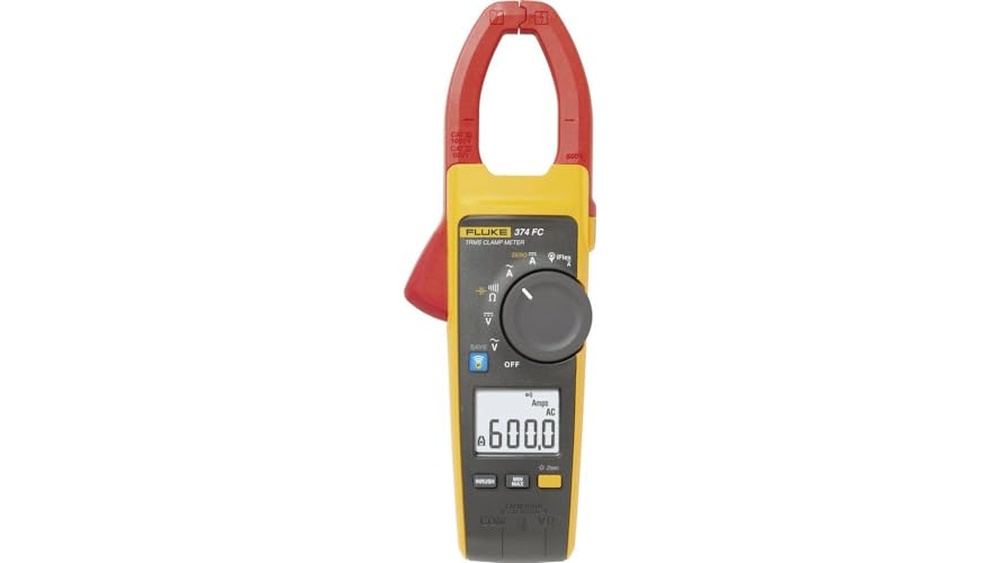
I use the 374 FC regularly for routine electrical checks. It fits well in my toolkit due to its compact size and bright yellow color. Over time, it feels comfortable for extended use during inspections.
Its wireless features connect easily to my smartphone, allowing safer readings from a distance. The 600 A ac/dc measurement is enough for most of my tasks without extra bulk.
One limitation is that it lacks some of the expanded current measurement options the 375 FC offers. This might be a factor if you often test very high currents.

What works well over time
- Strong wireless connection with Fluke Connect
- Bright yellow color improves visibility
- Lightweight and easy to hold during long workdays
- Accurate true-rms measurements on non-linear signals
- Good value with notable price savings
Things that may bother some users
- Limited to 600 A ac/dc without optional probes
- Not available with Prime shipping
- Smaller form factor may feel less substantial
Where Fluke 375 Fc Makes More Sense
I find the 375 FC useful when I need higher current measurement flexibility. Its slightly larger size feels solid in hand and the black color looks professional. It’s a reliable companion for heavier-duty jobs.
The 375 FC connects effortlessly to my phone and supports optional iFlex probes for up to 2500 A ac current measurements. This makes it versatile for various environments.
One drawback is the higher price compared to the 374 FC. This might not be ideal if budget constraints are tight.

What works well over time
- Supports iFlex probes for extended current range
- Prime shipping available for faster delivery
- Sturdy build with professional black finish
- Strong smartphone integration with Fluke Connect
- Comfortable size for regular use
Things that may bother some users
- Higher price point compared to 374 FC
- Heavier weight may tire some users
- Black color less visible on busy worksites
Early Decision Signals Most Buyers Notice
Price is often the first consideration. The Fluke 374 FC’s lower cost appeals to those watching their budget closely. This can quickly narrow choices.
Color visibility matters for safety on the job. The bright yellow 374 FC stands out better than the black 375 FC in dim or cluttered environments.
Shipping options influence urgency. Buyers needing fast delivery appreciate the 375 FC’s availability via Amazon Prime.
The ability to measure higher current with iFlex probes on the 375 FC signals better versatility for specialized tasks. This feature can sway professionals.
Weight and size impressions during handling also guide preference. Lighter tools often feel less tiring during extended use.
Comparing Early Decision Signals Side By Side
Here is a quick look at how these clamp meters compare on key early considerations.
| Decision signal (before buying) | Fluke 374 FC | Fluke 375 FC |
|---|---|---|
| Price | Lower cost, better for tight budgets | Higher price, more features |
| Color visibility | Bright yellow, easy to spot | Black, less visible |
| Shipping speed | No Prime, slower delivery | Prime available, faster |
| Current measurement range | Up to 600 A ac/dc, optional iFlex | 600 A ac/dc standard, iFlex up to 2500 A |
| Weight and size | Lighter and more compact | Heavier, slightly larger |
| First impression of build | Compact and lightweight | Solid, professional feel |
What Living With These Clamp Meters Feels Like
Both meters require minimal maintenance. Regular battery changes and keeping the jaws clean are common tasks. Neither demands complex upkeep.
Consistency in measurements is reliable on both models. True-rms technology ensures accuracy across various signals. Users report steady performance over time.
Minor annoyances can include occasional Bluetooth connection drops, which resolve quickly. Some users find the 375 FC’s weight noticeable after long periods.
Trust builds with continued use. Both devices are made by Fluke, known for quality. This history supports confidence in their long-term reliability.
Overall, the experience of owning either meter is positive but depends on matching tool features to your work habits.
Long-term Ownership Comparison
Below is a summary of key ownership realities after weeks or months of use.
| Ownership reality (after weeks/months) | Fluke 374 FC | Fluke 375 FC |
|---|---|---|
| Reliability | Consistently accurate, minimal issues | Stable, with strong build quality |
| Habit fit | Lightweight suits frequent handling | Heavier, better for occasional use |
| Mental load | Simpler specs ease decision-making | More features require learning time |
| User satisfaction | High for price-conscious buyers | High for professionals needing more |
| Maintenance demands | Low, easy upkeep | Low, straightforward care |
| Wireless connection | Reliable with occasional drops | Strong, seamless integration |
Common Mistakes Buyers Make
Focusing only on price without considering daily use can lead to frustration. Choose based on how you will use the meter, not just cost.
Ignoring color visibility may cause safety issues on busy job sites. Pick a color that stands out if you work in cluttered environments.
Overlooking shipping options can delay getting the tool when needed urgently. Check availability like Prime shipping if time matters.
Confusing specs with practical benefits causes wrong purchases. Understand what current ranges and features mean for your tasks.
Neglecting tool weight and size affects comfort. Handle the meter before buying if possible to ensure a good fit for your hands.
Making The Right Choice For Your Situation
If you want a cost-effective clamp meter with reliable wireless features and good visibility, the Fluke 374 FC is suitable. It fits well for daily electrical work without extra frills.
For users needing extended current measurement capabilities, faster delivery options, and a more robust feel, the Fluke 375 FC is the better choice. It suits professionals with varied tasks.
Remember, the best choice depends on your specific needs and work habits. Matching tool features to your routine matters more than just specs or price.
Faqs About Fluke 374 Fc Vs 375 Fc
What is the main difference between Fluke 374 FC and 375 FC?
The 375 FC supports higher current measurement with optional iFlex probes and offers Prime shipping. The 374 FC is lighter, more affordable, and has a bright yellow color.
Are both models true-rms clamp meters?
Yes, both meters provide true-rms voltage and current measurement for accurate readings on non-linear signals.
Can I connect both meters to my smartphone?
Yes, both use Fluke Connect to wirelessly share measurements with your phone and cloud storage.
Which model is better for heavy-duty current testing?
The Fluke 375 FC is better for heavy-duty testing as it supports optional iFlex flexible current probes for up to 2500 A ac.
Is the color difference important?
Color affects visibility on worksites. The 374 FC’s yellow stands out more, while the 375 FC is black and less visible.
Which meter is lighter and easier to carry?
The 374 FC is lighter and more compact, making it easier to carry for extended periods.
Does shipping speed differ between these models?
Yes, the 375 FC is available with Amazon Prime shipping, which can be faster than the 374 FC’s options.
Are both models made by the same manufacturer?
Yes, both are made by Fluke Corporation, known for quality test equipment.

I’m Asif Ur Rahman Adib, an Electrical Engineer and lecturer. My journey began in the lab, watching students struggle with instruments they used every day without fully understanding them. Over time, I’ve combined teaching, research, and hands-on experience to help others grasp electrical concepts clearly, safely, and practically—whether it’s understanding a circuit or mastering a multimeter.