Choosing Between Two Reliable Fluke Clamp Meters
When looking for a clamp meter, you may find it hard to pick between two strong contenders from Fluke. Both offer wireless connectivity and solid performance. The choice is not straightforward because they share many features but also have key differences. This can confuse buyers who want the right balance of functionality and price. This article helps clear that up. It highlights practical differences to guide your decision.
What Makes This Comparison Tricky
First, marketing messages often focus on advanced features without explaining real-world benefits. This makes it tough to see which features truly matter for everyday use. Both models use Fluke Connect, adding to the similarity.
Second, the technical specs can be confusing. For example, current measurement limits and probe options differ, but the details can be overlooked or misunderstood. Buyers may not know which specs align with their needs.
Third, people sometimes prioritize the wrong factors like color or small size differences, rather than core usability or measurement range. This leads to indecision or dissatisfaction later.
Different Buyer Profiles For These Clamp Meters
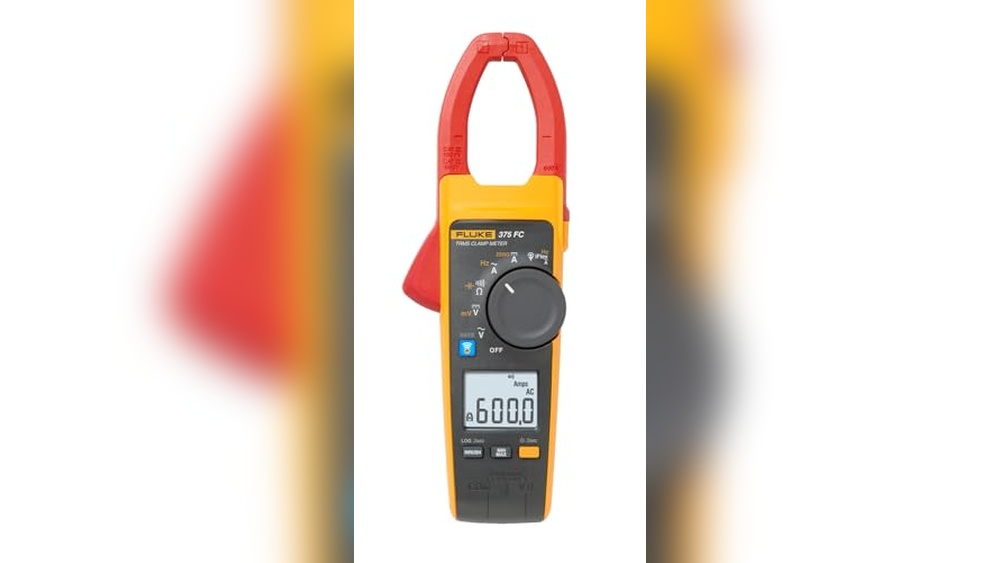
If you mainly need a clamp meter for standard current measurements and want a solid, proven tool, the Fluke 375 FC fits well. It supports up to 600A AC/DC and works with the iFlex probe for higher ranges. It suits general electricians or maintenance workers.
For those who want to log and trend measurements frequently, especially to catch intermittent faults, the Fluke 376 FC is more suitable. It has enhanced logging features and Bluetooth connectivity for mobile use. This fits well for industrial users and engineers.
Budget-conscious buyers may lean toward the 375 FC, which has a lower price and still delivers reliable results. Those who need the highest current capacity and more advanced data features will find value in the 376 FC.
If you work mostly in environments where safety and wireless monitoring are priorities, both models offer remote reading, but the 376 FC’s ability to trend data provides extra peace of mind. This makes it a better match.
For users who value simplicity and straightforward measurements, the 375 FC’s interface and features are easier to get started with. Its balance of features and price suits those who want effective tools without complexity.
Where Fluke 375 Fc Fits Naturally
Daily, I find the Fluke 375 FC straightforward and reliable for most common electrical tasks. It connects smoothly to my smartphone for remote readings. Over time, it feels solid and consistent in performance.
The meter’s compact size and weight make it easy to carry around all day. It fits well in my toolkit without adding bulk. Using the iFlex probe expands its measurement range when needed.
One limitation is the 600A limit on the built-in clamp. For very high current measurements, the optional probe is necessary. This might be a small inconvenience for some users.

What works well over time
- Reliable wireless connection with Fluke Connect app
- Comfortable clamp size for standard measurements
- Clear readings on smartphone at a safe distance
- Good battery life for extended workdays
- Optional iFlex probe for flexible current measurement
Things that may bother some users
- 600A clamp limit without optional probe
- Interface may feel basic compared to newer models
- Black color might show dirt more easily
Where Fluke 376 Fc Makes More Sense
I rely on the Fluke 376 FC when I need to log data and analyze trends over time. Its Bluetooth connectivity works well with my phone to capture intermittent faults remotely. This is especially useful in industrial settings.
The higher 1000A clamp rating built-in reduces the need for extra probes on many jobs. It also offers more advanced measurement logging, which can save time later. The yellow casing is easy to spot on busy worksites.
One drawback is a slightly steeper learning curve due to extra features. It takes some time to get comfortable with its logging functions, but the effort pays off.

What works well over time
- Robust logging and trending capabilities
- Higher current range without optional probes
- Strong Bluetooth connection for remote monitoring
- Bright yellow color for easy identification
- Good build quality for industrial use
Things that may bother some users
- More complex interface can slow initial setup
- Heavier than simpler clamp meters
- Not Prime eligible on some merchants
Early Signals That Guide Your Choice
First, consider the current measurement range you need. If 600A covers your work, the Fluke 375 FC is sufficient. If you frequently measure higher currents, the 376 FC’s 1000A clamp is a clear advantage.
Next, think about data logging. If capturing trends and intermittent faults is important, the 376 FC’s logging features stand out. The 375 FC focuses more on basic measurements with wireless reading.
Price is another signal. The 375 FC is more affordable, appealing if budget is tight. The 376 FC commands a higher price for additional features.
Lastly, check availability and shipping options. The 375 FC is often available with Prime shipping, which can influence fast delivery decisions.
Comparing Key Decision Signals
Here is a quick overview of how the Fluke 375 FC and Fluke 376 FC compare on important early decision points.
| Decision signal (before buying) | Fluke 375 FC | Fluke 376 FC |
|---|---|---|
| Current measurement range | 600A AC/DC (expandable with iFlex probe) | 1000A AC/DC built-in clamp |
| Logging and trending | Basic wireless readings | Advanced logging and trend analysis |
| Ease of use | Simpler interface, faster to learn | More features, steeper learning curve |
| Price point | Lower price, budget friendly | Higher price, premium features |
| Color and visibility | Black, low visibility on worksites | Yellow, easy to spot |
| Availability with Prime | Usually Prime eligible | Not always Prime eligible |
What Living With These Clamp Meters Is Like
Maintaining both meters is straightforward. Regular battery changes and careful handling keep them reliable. Neither demands complex upkeep.
Both provide consistent readings over time, which builds confidence. The wireless connection remains stable in most conditions.
Minor annoyances include occasional Bluetooth pairing delays, especially with the 376 FC’s richer features. The 375 FC is simpler but lacks some advanced options.
Over months, users tend to trust the meters for routine jobs. The 375 FC feels like a dependable workhorse, while the 376 FC acts as a smart assistant with its data logging.
Comparing Long-term Ownership Experience
Consider these points after using the meters for weeks or months.
| Ownership reality (after weeks/months) | Fluke 375 FC | Fluke 376 FC |
|---|---|---|
| Reliability | Consistent, solid for standard tasks | Highly reliable with added logging |
| Habit fit | Easy to use daily without complexity | Requires some adjustment to full features |
| Mental load | Low, straightforward operation | Moderate, due to extra functions |
| Satisfaction | High for basic measurement needs | High for advanced data analysis needs |
| Maintenance effort | Minimal, simple upkeep | Minimal but occasional software updates |
Typical Mistakes Buyers Make And How To Avoid Them
One mistake is focusing too much on the highest current rating without considering actual use. Avoid this by matching the clamp range to your real job needs.
Another is overlooking wireless features. If remote readings matter, ensure your choice supports the necessary connectivity and app compatibility.
Some buyers assume the more expensive model is always better. It’s best to evaluate if extra features like logging truly add value for your tasks.
Ignoring availability and shipping options can delay getting the meter. Check if the seller offers fast shipping or Prime to avoid long waits.
Finally, buyers sometimes neglect ease of use. Choose the meter that fits your comfort level to avoid frustration during daily work.
Choosing The Right Clamp Meter For You
If your work involves standard current measurements and you want a reliable, straightforward clamp meter, the Fluke 375 FC is a solid choice. It balances features, price, and usability well.
For users needing advanced logging, higher current range, and trend analysis, the Fluke 376 FC makes more sense despite a higher price and learning curve. It suits industrial professionals and data-focused tasks.
Remember, the best choice depends on your specific needs and how you plan to use the meter. Features alone don’t guarantee satisfaction; the right fit matters most.
Faqs About Fluke 375 Fc Vs 376 Fc
What is the main difference between Fluke 375 FC and 376 FC?
The 375 FC has a 600A clamp rating and basic wireless features, while the 376 FC supports 1000A and includes advanced logging and trending capabilities.
Can I use the Fluke 375 FC for high current measurements?
Yes, with the optional iFlex flexible current probe, the 375 FC can measure up to 2500A AC, extending its range.
Do both models connect to smartphones?
Yes, both use Fluke Connect to wirelessly send measurements to your phone for remote viewing and recording.
Is the Fluke 376 FC harder to use than the 375 FC?
The 376 FC has more features, so it has a steeper learning curve. The 375 FC is simpler and easier for basic measurements.
Which model is better for logging intermittent faults?
The 376 FC is designed for logging and trending measurements, making it better for catching intermittent faults.
Are both clamp meters durable?
Yes, both are built by Fluke with strong build quality and are reliable for professional use.
Is there a big price difference between these meters?
Yes, the 375 FC is generally more affordable, while the 376 FC is pricier due to its advanced features.
Can I buy these meters with fast shipping?
The 375 FC is often available with Prime shipping on Amazon, while the 376 FC may not always be eligible for Prime.

I’m Asif Ur Rahman Adib, an Electrical Engineer and lecturer. My journey began in the lab, watching students struggle with instruments they used every day without fully understanding them. Over time, I’ve combined teaching, research, and hands-on experience to help others grasp electrical concepts clearly, safely, and practically—whether it’s understanding a circuit or mastering a multimeter.