Deciding Between Two Fluke Processmeters
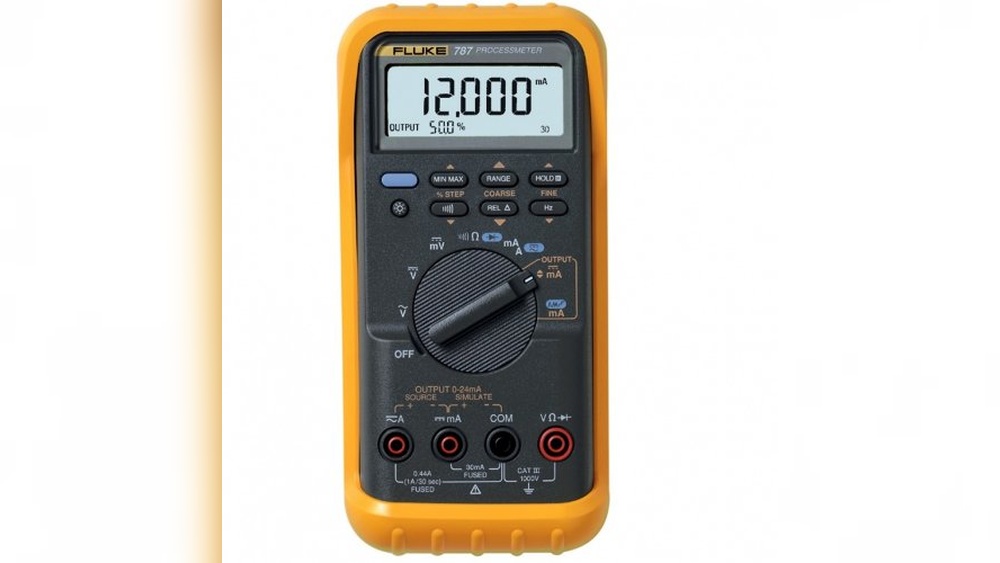
Choosing between the Fluke 787 and 787B can feel tricky. Both are reliable multi testers from a trusted brand. The differences are subtle but important for daily use. Many buyers find themselves uncertain which suits their needs best. This guide helps clear up confusion. You will see how each fits different user types and scenarios.
Why It’s Not Easy To Pick One
Marketing often highlights features without clear context. This makes it hard to see practical differences. Both products share similar names and purposes, adding to the mix-up.
Specs can be confusing. Voltage protection, display size, and current output numbers look technical. Without experience, it’s tough to tell what matters most in real work.
Buyers sometimes focus on the wrong priorities. For example, sales rank or size might seem important but don’t reflect everyday performance. Knowing what really fits your tasks is key.
Who Benefits Most From Each Model
If you are a technician working in tight spaces and need a compact tool, the Fluke 787 might suit you better. It’s smaller and lighter for daily carry.
For a user who values a larger, clearer display and more advanced current sourcing, the Fluke 787B fits better. It offers a bigger screen and improved calibration features.
Beginners or occasional users might prefer the simpler layout of the 787. It provides essential functions without overwhelming options.
Professionals needing to meet stricter safety standards and IEC certifications will lean toward the 787B. It is designed with higher voltage protection in mind.
If budget is a concern, the older Fluke 787 may be more accessible while still reliable. The 787B is a step up in features and price.
Where The Fluke 787 Fits Naturally
In my experience, the Fluke 787 is easy to handle on the job. It fits well in a toolbox and is straightforward to operate every day. The battery life also supports long shifts without hassle.
Over time, I find it reliable for basic loop current simulation and voltage checks. It maintains accuracy without frequent calibration.
One limitation is the smaller display. Reading measurements in low light or at awkward angles can be challenging.

What works well over time
- Good battery life for measurement tasks
- Reliable current simulation accuracy
- Compact and easy to carry
- Strong overload protection on voltage and current
Things that may bother some users
- Smaller display is harder to read
- Limited current sourcing compared to 787B
- Weight is slightly heavier than newer models
Where The Fluke 787b Makes More Sense
I appreciate the larger dual display on the 787B. It makes reading values easier, especially in busy or dim environments. This helps reduce mistakes during testing.
Long-term, the 787B feels more modern and versatile. The added current source capacity and compliance with IEC standards give me extra confidence on complex jobs.
One drawback is its slightly bigger size. It may feel less handy in tight spots or for quick pocket carry.

What works well over time
- Large, clear dual display for easy reading
- Higher current sourcing capability (20 mA)
- Meets IEC 1010 CAT III 1000V safety standards
- Lightweight and ergonomic design
Things that may bother some users
- Larger size may not fit all toolkits easily
- More complex features can confuse new users
- Shorter battery life during active sourcing
Early Clues That Guide Your Choice
The display size often catches attention first. The 787B’s bigger screen stands out for easier viewing.
Voltage and current protection ratings matter for safety-conscious buyers. Both models protect well, but the 787B adds IEC certification.
Battery life and power consumption differences can push users toward the 787 for longer measurement sessions.
Weight and size affect portability. The 787 is smaller but heavier, while the 787B is bigger but lighter.
Finally, calibration and current sourcing range may decide use in specific industrial settings.
Comparing Key Decision Signals
Below is a side-by-side look at factors that often influence initial impressions and buying comfort.
| Decision signal (before buying) | Fluke 787 | Fluke 787B |
|---|---|---|
| Display size and clarity | Smaller, single display | 100% larger dual display |
| Safety certifications | Standard overload protection | IEC 1010 CAT III 1000V certified |
| Battery life (measurement mode) | Approx. 50 hours typical | Shorter, due to advanced features |
| Current sourcing capacity | Up to 12 mA | Up to 20 mA |
| Weight and size | 3.0 pounds, compact | 1.3 pounds, larger footprint |
| Ease of use for beginners | Simpler interface | More complex with extra functions |
Living With These Processmeters Daily
Maintaining both meters is straightforward. Regular battery changes and occasional calibration keep them accurate.
Consistency in measurements is strong with either device. This builds trust over time for professional users.
Minor annoyances include the smaller screen on the 787 and the slightly bulkier feel of the 787B.
Some users report the 787B’s advanced features take time to master. The 787 feels more intuitive initially.
Trust grows as you understand each unit’s strengths and limitations in your specific work environment.
Long-term Ownership Comparison
Consider how each product fits your habits and satisfaction after weeks or months.
| Ownership reality (after weeks/months) | Fluke 787 | Fluke 787B |
|---|---|---|
| Reliability in daily use | Consistent with minimal issues | Highly reliable with advanced features |
| Fit with routine tasks | Compact, easy for quick checks | Better for detailed calibration work |
| Mental load managing functions | Simple, low learning curve | More functions require learning |
| User satisfaction | Good for standard applications | Preferred for complex measurements |
| Maintenance frequency | Low, battery and fuse changes | Similar, but careful with display care |
Common Buyer Mistakes To Avoid
Focusing too much on sales rank can mislead you. A higher rank doesn’t always mean better fit for your needs.
Ignoring display size may cause frustration. If you often work in low light, the 787B’s larger screen is helpful.
Overlooking battery life differences might lead to interruptions. The 787 has better endurance for long measurement sessions.
Choosing based solely on weight can backfire. The 787B is lighter but bigger, which may not suit tight spaces.
Not considering safety standards is risky. For industrial environments, IEC certification on the 787B matters.
Making The Right Choice For Your Situation
If you need a compact, reliable tool for routine voltage and loop current tasks, the Fluke 787 is a solid choice. It fits well into daily workflows and offers dependable performance.
For users who require a larger display, higher current sourcing, and stricter safety compliance, the Fluke 787B is preferable. It suits more demanding environments and detailed calibration jobs.
Remember, the best choice depends on your specific needs and working conditions. Specs matter less than how the meter fits your habits and comfort.
Faqs About Fluke 787 Vs 787b
What is the main difference between Fluke 787 and 787B?
The 787B has a larger dual display and higher current sourcing capacity. It also meets IEC 1010 CAT III safety standards, unlike the 787.
Which ProcessMeter is better for beginners?
The Fluke 787 is simpler and easier to use for beginners. The 787B has more features that may require a learning curve.
How do the sizes of the two models compare?
The 787 is more compact but heavier. The 787B is larger and lighter, which might affect portability depending on your needs.
Do both models have the same battery life?
No. The Fluke 787 generally offers longer battery life during measurement mode. The 787B uses more power due to its advanced features.
Is the Fluke 787B safer to use in industrial environments?
Yes. The 787B is IEC 1010 CAT III certified for 1000 volts, providing better protection in industrial settings.
Can both meters simulate DC loop current accurately?
Yes. Both provide accurate DC loop current simulation, but the 787B supports higher current output levels.
Which model has better overload protection?
Both have strong overload protection, but the 787B includes additional certification standards for enhanced safety.
Where can I buy these ProcessMeters?
They are available through authorized retailers and online stores. Links to Amazon are often used for convenience and verified sellers.

I’m Asif Ur Rahman Adib, an Electrical Engineer and lecturer. My journey began in the lab, watching students struggle with instruments they used every day without fully understanding them. Over time, I’ve combined teaching, research, and hands-on experience to help others grasp electrical concepts clearly, safely, and practically—whether it’s understanding a circuit or mastering a multimeter.