Understanding The Choice Between Fluke 787 And 789 Processmeters
Choosing between these two Fluke ProcessMeters means weighing what features matter most in your work. Both tools serve similar functions but differ in some key areas. It’s important to consider how each model aligns with your measurement needs. Battery life, accuracy, and display clarity are practical factors to keep in mind. Also, think about the environments where you’ll use the meter and the type of signals you handle. The right choice should reduce hassle and support your tasks smoothly.
Who Might Lean Toward Each Fluke Processmeter
- Technicians needing reliable loop current simulation without extras.
- Users wanting a clear backlit display for low-light environments.
- Those who prioritize longer battery life during measurement tasks.
- People who appreciate a compact and sturdy device for fieldwork.
- Engineers requiring a wider current measurement range.
- Buyers looking for built-in loop power supply capabilities.
Where The Fluke 787 Processmeter Fits Best
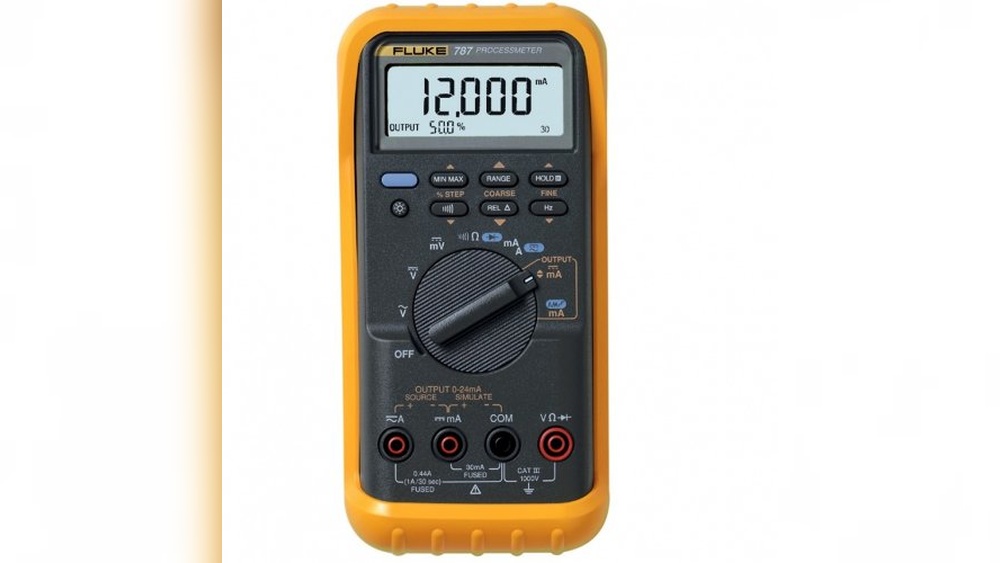
The Fluke 787 is well-suited for users who want precise loop current simulation with minimal fuss. I find it particularly useful when working in settings that demand durability and straightforward operation.
This model offers solid overload protection and a long battery life that supports extended measurement sessions. It’s a dependable choice if you don’t need advanced DMM features or higher current ranges.

Features That Bring Peace of Mind
- 1000V overload protection on voltage, ohms, and frequency.
- Accurate DC loop current simulation with 0.05% precision.
- Runs about 50 hours in measurement mode on a single 9V battery.
- Auto and manual step modes for current output adjustments.
- Sturdy build with manageable size and weight for field use.
Potential Limitations to Consider
- Lacks backlit display, which may challenge low-light visibility.
- Current sourcing limited to 12 mA, which might restrict some applications.
- Heavier and bulkier compared to some alternatives.
When The Fluke 789 Processmeter Is The Smarter Choice
If I need a device with more versatile measurement capabilities, the Fluke 789 offers clear advantages. It includes standard DMM functions and a backlit display for easier reading in dim conditions.
This model also supports a broader current measurement range and features a built-in 24 V loop power supply. Such features can simplify more complex tasks and improve workflow efficiency.

Advantages That Ease Usage
- Clear LCD with backlight improves readability in dark environments.
- Supports current measurement up to 30 mA DC for broader applications.
- Built-in 24 V loop supply reduces the need for external power sources.
- Lightweight design enhances portability.
- Robust overload protection similar to the 787 model.
Considerations That Could Influence Your Choice
- Larger width dimension may make it less compact in some tool kits.
- Shorter battery life when sourcing current compared to the 787.
Key Questions That Clarify Your Purchase
Do you need a backlit display for low-light working conditions? The 789 offers this, while the 787 does not. This can affect ease of use significantly.
Is a wider current measurement range important? If you work with currents above 12 mA, the 789’s 30 mA range is a better fit.
Consider how important battery life is during sourcing tasks. The 787 tends to last longer when sourcing current.
Think about device size and weight. The 789 is lighter but wider, which may impact your carrying preference.
Do you require built-in loop power supply? The 789 includes a 24 V loop supply, simplifying certain setups.
Practical Differences Between Fluke 787 And 789 Processmeters
How readable is the display under various lighting?
Visibility affects how quickly and accurately you can read measurements.
| Decision factor | Fluke 787 ProcessMeter | Fluke 789 ProcessMeter |
|---|---|---|
| Display type | Standard LCD, no backlight | Clear LCD with backlight |
| Use in low light | Challenging without external light | Easy with backlit screen |
| Who this matters for | Users working mostly in well-lit areas | Those needing visibility in dim conditions |
What are the current measurement and sourcing capabilities?
Current range and sourcing influence the meter’s application scope.
| Decision factor | Fluke 787 ProcessMeter | Fluke 789 ProcessMeter |
|---|---|---|
| Maximum current sourcing | 12 mA | 12 mA |
| Current measurement range | Up to 12 mA | Up to 30 mA DC |
| Built-in loop power supply | No | Yes, 24 V |
| Who this matters for | Basic loop testing needs | More complex current measurement and powering tasks |
How does battery life compare during use?
Longer battery life reduces downtime and the need for replacements.
| Decision factor | Fluke 787 ProcessMeter | Fluke 789 ProcessMeter |
|---|---|---|
| Battery life (measurement mode) | About 50 hours | About 50 hours |
| Battery life (sourcing current) | About 12 hours | About 12 hours |
| Who this matters for | Users needing consistent long measurement sessions | Those using sourcing functions moderately |
Avoiding Regret When Choosing Your Fluke Processmeter
Regret often comes from overpaying for features you don’t use or missing key functions you need. The 787 is reliable if you want a simple, precise tool without extra features.
The 789 could cause regret if its larger size or battery life doesn’t meet your expectations, despite its added capabilities. Conversely, missing out on its backlight and wider current range could be a downside for some.
Think about your daily tasks and how each tool fits your workflow. Careful matching prevents buying a meter that feels limiting or overly complex.
Finding Confidence In Your Fluke Meter Decision
Both the Fluke 787 and 789 ProcessMeters are solid choices with strong protection and accuracy. Your confidence comes from matching the meter’s features to your real-world needs.
If you prefer simplicity and longer battery life for basic loop current simulation, the 787 suits well. For added functionality like backlit display and built-in loop power, the 789 is a thoughtful pick.
Either way, you can trust the Fluke name for dependable performance.
Common Questions About Fluke 787 Vs 789 Processmeters
What are the main differences between the Fluke 787 and 789?
The 789 includes a backlit display, wider current measurement, and a built-in 24 V loop supply. The 787 focuses on precise loop current simulation with longer battery life in sourcing mode.
Which model has better battery life?
Both run about 50 hours measuring on one 9V battery. For current sourcing, the 787 tends to last about 12 hours, similar to the 789.
Is the Fluke 789 easier to read in dark environments?
Yes, the 789 has a backlit LCD that improves readability in low light. The 787 does not have this feature.
Can the Fluke 787 measure currents above 12 mA?
No, the 787’s current measurement range is limited to 12 mA. The 789 can measure up to 30 mA DC.
Do both models provide overload protection?
Yes, both have 1000V overload protection on voltage, ohms, and frequency, with a 440 mA fuse backing protection on current inputs.
Which meter is more portable?
The 789 is lighter but wider, while the 787 is heavier but more compact. Portability depends on your carrying preferences.
Is the built-in loop power supply important?
If you need to power 4-20 mA loops without extra equipment, the 789’s 24 V loop supply can save time and simplify work.

I’m Asif Ur Rahman Adib, an Electrical Engineer and lecturer. My journey began in the lab, watching students struggle with instruments they used every day without fully understanding them. Over time, I’ve combined teaching, research, and hands-on experience to help others grasp electrical concepts clearly, safely, and practically—whether it’s understanding a circuit or mastering a multimeter.