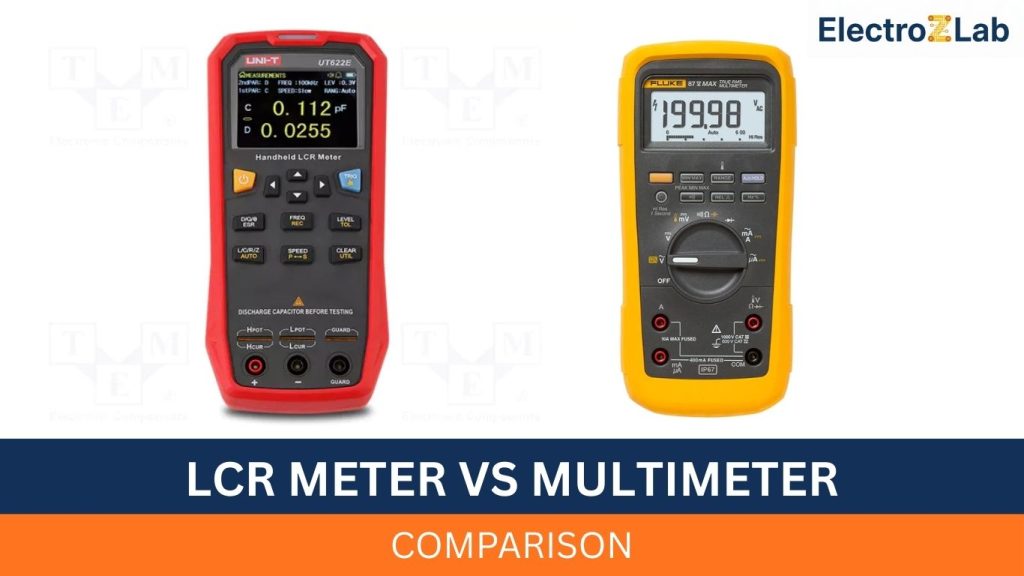

Choosing the right multimeter can make a big difference in your work. When it comes to reliable tools, Fluke and Milwaukee are two names you’ve probably heard.
But which one fits your needs best? Whether you’re a professional electrician or a DIY enthusiast, picking between Fluke and Milwaukee multimeters can feel overwhelming. This article will help you understand what each brand offers, so you can make a confident choice that saves you time, effort, and money.
Keep reading to discover which multimeter matches your style and gets the job done right every time.
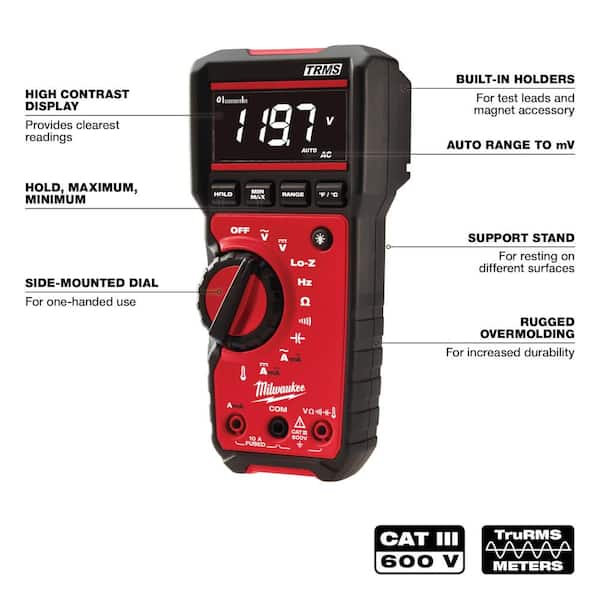
Credit: www.homedepot.com
Brand Reputation
Brand reputation plays a big role in choosing a multimeter. It shows how reliable and trusted a brand is. A strong reputation means the product is often dependable and well-made. Both Fluke and Milwaukee have built solid reputations. They serve many customers with quality tools. Understanding their brand reputation helps you pick the right multimeter for your needs.
Fluke’s Industry Presence
Fluke is a leader in the test and measurement field. Its tools are common in many industries like electrical, HVAC, and manufacturing. Professionals trust Fluke for accuracy and durability. The brand has been around for decades, building a loyal customer base. Fluke multimeters often come with advanced features. They are designed to handle tough work environments. This strong presence shows Fluke’s commitment to quality and innovation.
Milwaukee’s Market Impact
Milwaukee is known for making reliable power tools and accessories. Its multimeters are popular among electricians and technicians. The brand focuses on combining performance with user-friendly design. Milwaukee tools are widely available and often priced competitively. This makes them a good choice for both professionals and hobbyists. Milwaukee’s growing market share reflects its success in meeting customer needs. The brand is gaining respect for quality and value.
Design And Build Quality
The design and build quality play a big role in choosing the right multimeter. Both Fluke and Milwaukee focus on making tools that last long and feel good in the hand. These aspects affect how easy and safe the device is to use every day. Let’s look closer at their durability and materials, plus ergonomics and portability.
Durability And Materials
Fluke multimeters use strong plastic with rubber edges. This mix protects against drops and bumps. Their cases often meet high safety and shock standards. Milwaukee also uses tough plastic but adds extra rubber around corners. This gives a solid grip and extra drop resistance. Both brands build tools to handle rough work sites. Fluke’s design leans more on proven industrial toughness. Milwaukee focuses on ruggedness with a bit more grip comfort.
Ergonomics And Portability
Fluke meters have a balanced weight and shape. They fit well in medium to large hands. Buttons and dials are easy to reach and use with gloves. The screens are clear, with backlighting for dark areas. Milwaukee meters often feel lighter and a bit smaller. Their design aims for quick one-handed use. Milwaukee also includes a built-in kickstand on many models. This helps position the meter for hands-free reading. Both brands focus on portability but with slightly different styles.
Measurement Features
Measurement features are essential when choosing a multimeter. They determine how well the device reads electrical values. Both Fluke and Milwaukee offer solid options, but their strengths differ. Understanding these features helps pick the right tool for your needs.
Accuracy And Precision
Fluke multimeters are known for high accuracy. They provide reliable readings with minimal error. This makes them trusted by professionals worldwide. Milwaukee multimeters also deliver good accuracy but focus more on durability. Fluke’s precision often suits delicate electrical work better. Both brands ensure stable readings under various conditions.
Range Of Measurements
Fluke multimeters cover a wide range of electrical measurements. They handle voltage, current, resistance, capacitance, and frequency with ease. Some models even include temperature sensing. Milwaukee multimeters offer similar measurement types but often target basic to mid-level tasks. Fluke’s broader measurement range fits advanced users. Milwaukee’s range meets general electrician needs effectively.
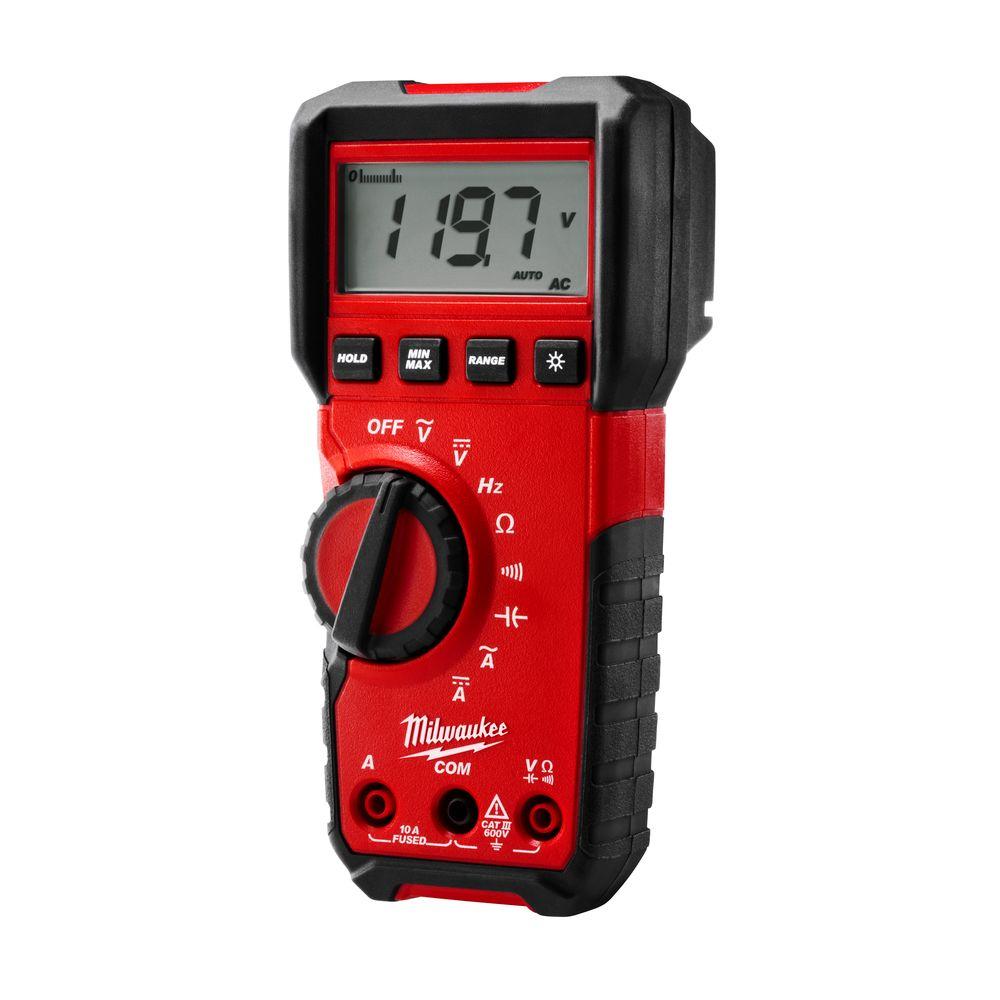
Credit: computeronic.ir
User Interface
The user interface of a multimeter affects how easily you can take measurements. Both Fluke and Milwaukee focus on making their tools simple to handle. Clear displays and intuitive controls help users work faster and with less error. The design of the interface can make a big difference in daily use.
Display Quality
Fluke multimeters offer bright, clear screens. The digits are large and easy to read. Backlighting helps in dark spaces. The screen shows multiple readings at once. This helps in monitoring different values quickly.
Milwaukee models also have clear displays. Their screens are sharp and have good contrast. Some models include color displays for better visibility. The brightness adjusts automatically in some versions. This improves reading accuracy in various light conditions.
Ease Of Use
Fluke designs buttons to be simple and spaced well. The rotary dial clicks firmly into place. This prevents accidental changes. The menu system is straightforward and easy to navigate. Users can find functions without confusion.
Milwaukee multimeters use a similar dial style. Buttons are large and responsive. The interface guides users with clear labels. Settings can be changed quickly during work. This saves time and reduces mistakes.
Advanced Functions
Advanced functions set multimeters apart. They add value beyond basic measurements. Both Fluke and Milwaukee offer useful features. These features help users work faster and safer. Understanding these can guide your choice.
Data Logging And Connectivity
Fluke multimeters often include data logging. They can record readings over time. This helps track changes and spot trends. Some models connect to smartphones or computers. This makes sharing and analyzing data easier.
Milwaukee also provides models with data logging. Their connectivity options usually use Bluetooth. This feature lets users view live readings on apps. It simplifies monitoring from a distance.
Both brands improve work efficiency through these functions. Fluke focuses on detailed data capture. Milwaukee aims for easy, quick access to data.
Safety Features
Safety is crucial in electrical testing. Fluke multimeters come with high safety ratings. They include features like overload protection and robust casing. These protect both the user and the device.
Milwaukee multimeters also have strong safety designs. Their meters offer features such as auto shut-off and fused inputs. These reduce risks during testing.
Both brands meet industry safety standards. Choosing either ensures reliable protection during use. Safety features are a key part of advanced functions.
Battery Life And Power Options
Battery life and power options are key for any multimeter. They decide how long you can use the device before recharging or changing batteries. Reliable power means fewer interruptions and better work flow.
Both Fluke and Milwaukee offer strong battery solutions. Knowing their differences helps pick the right tool for your needs.
Battery Types
Fluke multimeters mostly use AA or AAA batteries. These batteries are easy to find and replace. Some models have rechargeable lithium-ion batteries too. Rechargeables save money over time and are eco-friendly.
Milwaukee multimeters often use lithium-ion batteries. These batteries last longer and offer steady power output. They also support quick charging, reducing downtime. Some models accept standard alkaline batteries as backup.
Runtime Efficiency
Fluke devices tend to have long battery life. Most models run for hundreds of hours on a single charge or set of batteries. This means fewer battery changes during a workday.
Milwaukee multimeters also provide solid runtime. Their lithium-ion batteries hold charge well under heavy use. Some tools include power-saving features to extend battery life even more.
Both brands give reliable power, but Milwaukee may edge out in quick charging. Fluke focuses on consistent, long-lasting performance. Choose based on your work style and battery preferences.
Price And Value
Choosing the right multimeter means balancing price and value carefully. Both Fluke and Milwaukee offer reliable tools, but their pricing and support differ. Understanding these differences helps you pick the best option for your needs and budget.
Cost Comparison
Fluke multimeters usually cost more. Their prices reflect high accuracy and durability. Milwaukee multimeters are generally less expensive. They provide good features for a lower price. Both brands offer models at different price points. Budget and required features guide your choice.
Warranty And Support
Fluke offers strong warranties, often lasting three years. Their customer support is well known for quick help. Milwaukee also provides solid warranties, typically two years. Support services include easy access to repairs. Both brands value customer satisfaction and stand behind their products.

Credit: sakyantbangphra.com
Best Use Cases
Choosing the right multimeter depends on how you plan to use it. Both Fluke and Milwaukee multimeters serve different needs well. Understanding their best use cases helps you pick the right tool for your tasks.
Professional Applications
Fluke multimeters excel in professional settings. They offer high accuracy and durability. Electricians and engineers prefer Fluke for complex troubleshooting. These devices handle industrial environments with ease. They provide advanced features like true RMS and temperature measurement. Fluke tools ensure reliable results for critical jobs. Safety ratings on Fluke models meet strict standards. This makes them suitable for heavy-duty electrical work.
Diy And Hobbyist Use
Milwaukee multimeters suit DIYers and hobbyists well. They balance good performance with affordability. The user-friendly design makes them easy to operate. Milwaukee meters include essential functions for home projects. They perform well on basic electrical tests and repairs. Compact size and rugged build fit casual use. These meters handle everyday tasks without overwhelming features.
Frequently Asked Questions
Which Brand Offers More Accurate Multimeters, Fluke Or Milwaukee?
Fluke multimeters are known for superior accuracy and precision. Milwaukee models are reliable but generally less precise. For critical measurements, Fluke is preferred.
Are Fluke Or Milwaukee Multimeters Better For Professional Use?
Fluke multimeters are widely favored by professionals due to durability and advanced features. Milwaukee suits DIYers and general maintenance tasks well.
How Do Fluke And Milwaukee Multimeters Compare In Price?
Fluke multimeters are typically more expensive, reflecting higher quality and features. Milwaukee offers budget-friendly options with decent performance for everyday use.
Which Multimeter Brand Has Better Battery Life, Fluke Or Milwaukee?
Fluke multimeters usually provide longer battery life thanks to efficient power management. Milwaukee units have average battery life suitable for casual users.
Conclusion
Choosing between Fluke and Milwaukee multimeters depends on your needs. Fluke offers high accuracy and durability. Milwaukee provides good value and user-friendly features. Both brands deliver reliable measurements for electrical tasks. Think about your budget and the tools you require.
Either way, you will get a solid multimeter to help with projects. Quality and performance matter most in your choice. Trust your judgment and pick what suits your work best.

I’m Asif Ur Rahman Adib, an Electrical Engineer and lecturer. My journey began in the lab, watching students struggle with instruments they used every day without fully understanding them. Over time, I’ve combined teaching, research, and hands-on experience to help others grasp electrical concepts clearly, safely, and practically—whether it’s understanding a circuit or mastering a multimeter.