Choosing Between Two Handheld Oscilloscope Multimeters
- Choose the FNIRSI 2C53P Tablet Oscilloscope if you need a higher frequency DDS signal generator up to 10 MHz.
- Pick the FNIRSI 2C53T Upgraded Oscilloscope for enhanced measurement features like math operations and waveform comparisons.
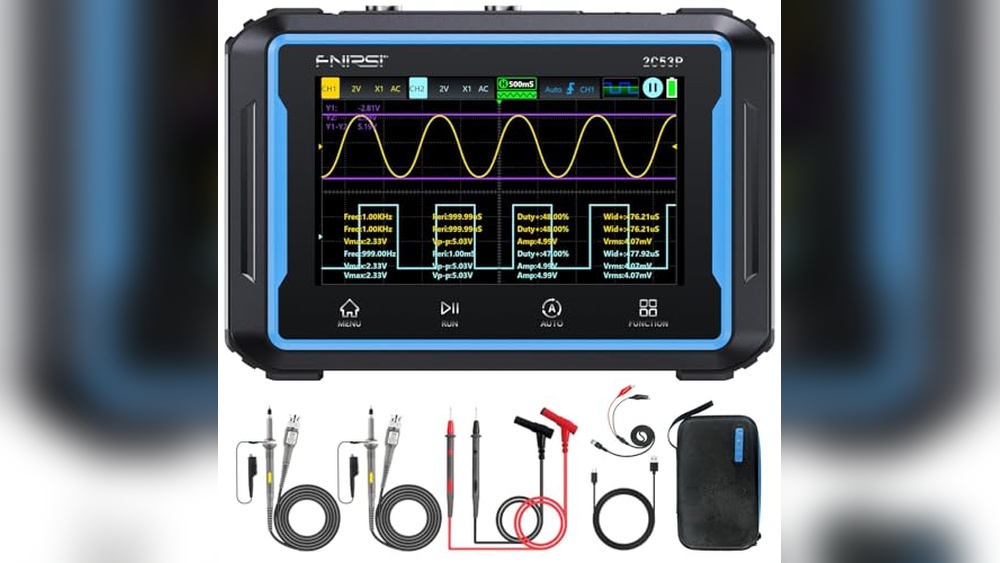
- Opt for the 2C53P when a compact 4.3-inch touch screen is preferred for portability.
- Consider the 2C53T for extended multimeter functions including capacitor and diode tests.
- Use the 2C53T when you want easier waveform saving and export via Type-C connection.
Real-world Use Of Fnirsi Handheld Oscilloscopes
The FNIRSI 2C53P Tablet Oscilloscope is convenient for quick automotive diagnostics and general signal testing. It feels compact in hand with a responsive touch screen, and the signal generator covers a wide frequency range which helps in various waveform tests. Its battery life supports several hours of uninterrupted work in the field.
The FNIRSI 2C53T Upgraded Oscilloscope is handy for professionals needing detailed measurements like capacitance and resistance alongside waveform analysis. I found the added math and persistence features useful for comparing signals and troubleshooting complex circuits. Its larger size is manageable considering the extra functionality it brings.
Overview Of Fnirsi 2c53p Tablet Oscilloscope

Where It Fits in Electronics Testing
- Ideal for users needing a higher bandwidth signal generator up to 10 MHz.
- Suitable for automotive and general analog/digital signal diagnostics.
- Good for users preferring a compact, touch-screen handheld device.
- Useful for capturing and exporting waveforms for later analysis.
Where It Struggles Compared to Alternatives
- Lacks some advanced multimeter tests like diode and capacitor measurements.
- No math operation or persistence mode for detailed waveform analysis.
- Battery life around 4 hours may require periodic charging for extended use.
Overview Of Fnirsi 2c53t Upgraded Oscilloscope

Where It Fits in Practical Use
- Best for those needing a versatile multimeter with tests for voltage, current, capacitance, and diodes.
- Useful for users who want enhanced measurement modes like math operations and cursor measurement.
- Good choice for comparing waveforms with persistence and XY modes.
- Suitable for saving and exporting waveform images easily through PC connection.
Where It Struggles Compared to Alternatives
- The signal generator frequency is limited to 50 kHz, which is lower than the 2C53P.
- Larger physical size and weight may reduce portability.
- May have a steeper learning curve due to additional features.
Comparing Practical Features And Daily Performance
I compared the two devices based on signal generator capabilities, measurement options, and ease of use in daily diagnostics. The FNIRSI 2C53P excels in waveform frequency output, while the 2C53T adds advanced multimeter functions and measurement modes. Both handle basic oscilloscope tasks well but differ in feature sets that matter for specific work.Which Signal Generator Fits Better?
The 2C53P offers up to 10 MHz waveform output, suitable for higher frequency tests. The 2C53T limits output to 50 kHz but offers more waveform types.
| Aspect | FNIRSI 2C53P Tablet Oscilloscope | FNIRSI 2C53T Upgraded Oscilloscope |
|---|---|---|
| Max Frequency | 10 MHz | 50 kHz |
| Waveform Types | 12 waveforms | 13 waveforms |
| Waveform Capture | Yes | Yes |
| Waveform Export | Supported | Supported |
Ratings: FNIRSI 2C53P – 7/10 | FNIRSI 2C53T – 8/10
Edge: The 2C53P suits users needing higher frequency output, while the 2C53T fits those valuing waveform variety and export features.
Which Multimeter Functions Are More Practical?
The 2C53T offers more comprehensive multimeter tests including capacitance and diode checks. The 2C53P covers basic multimeter functions.
| Aspect | FNIRSI 2C53P Tablet Oscilloscope | FNIRSI 2C53T Upgraded Oscilloscope |
|---|---|---|
| Counts | 19999 | 19999 |
| Capacitance Test | No | Yes |
| Diode Test | No | Yes |
| Voltage Range | Standard | Up to 750 V AC |
Ratings: FNIRSI 2C53P – 6/10 | FNIRSI 2C53T – 8/10
Edge: The 2C53T is better for users needing full multimeter capabilities in one device.
Ease of Use and Portability
The 2C53P is smaller and lighter, making it easy to carry. The 2C53T offers more features but is bulkier and may take time to learn.
| Aspect | FNIRSI 2C53P Tablet Oscilloscope | FNIRSI 2C53T Upgraded Oscilloscope |
|---|---|---|
| Weight | Light | Heavier (0.66 lbs) |
| Screen Size | 4.3 inch | Not specified, larger device |
| Learning Curve | Simple | Moderate |
| Battery Life | About 4 hours | Not specified |
Ratings: FNIRSI 2C53P – 8/10 | FNIRSI 2C53T – 6/10
Edge: The 2C53P is preferable for users valuing portability and ease of use.
Measurement and Analysis Features
The 2C53T includes math operations, persistence mode, and XY mode for detailed signal analysis. The 2C53P provides FFT spectrum and X-Y mode but lacks math and persistence.
| Aspect | FNIRSI 2C53P Tablet Oscilloscope | FNIRSI 2C53T Upgraded Oscilloscope |
|---|---|---|
| Math Operations | No | Yes |
| Persistence Mode | No | Yes |
| FFT Spectrum Analysis | Yes | No mention |
| XY Mode | Yes | Yes |
Ratings: FNIRSI 2C53P – 7/10 | FNIRSI 2C53T – 8/10
Edge: The 2C53T fits users who want more advanced analysis tools in one device.
Long-term Use And Reliability Considerations
Both devices have a learning curve that reflects their feature sets. The 2C53P’s simpler interface makes it quicker to get comfortable with, offering peace of mind for straightforward tasks. The 2C53T’s additional functions require more time to master but provide consistent performance once learned.
Trust in either device depends on how well their features match your regular tasks. The 2C53P keeps things practical and reliable for common oscilloscope and multimeter needs. The 2C53T supports users aiming for a broader toolset with integrated measurement and analysis options.
Deciding Which Fnirsi Oscilloscope Suits Your Work
Choose the FNIRSI 2C53P Tablet Oscilloscope if you prioritize a compact device with a stronger signal generator and simple operation. It fits well for automotive and general signal testing without overwhelming features.
The FNIRSI 2C53T Upgraded Oscilloscope is better for those who need more detailed multimeter functions and advanced waveform analysis. It is suitable for professionals who benefit from math operations and persistence modes in diagnostics.
Both are solid handheld oscilloscopes; your choice depends on which features align with your daily measurement needs.
Common Questions About Fnirsi 2c53p Vs 2c53t
What is the main difference between the 2C53P and 2C53T signal generators?
The 2C53P supports a higher maximum waveform frequency of 10 MHz, while the 2C53T’s signal generator goes up to 50 kHz. The 2C53T offers slightly more waveform types but at lower frequency.
Can the 2C53T perform more multimeter tests than the 2C53P?
Yes, the 2C53T includes additional multimeter functions like capacitance, diode, and continuity tests. The 2C53P covers basic voltage, current, and resistance measurements.
Is the screen size different between these two models?
The 2C53P features a 4.3-inch IPS touch screen. The 2C53T is larger but does not specify screen size, reflecting its bigger device body.
Which device is easier to carry and use on the go?
The 2C53P is more compact and lighter, making it easier to carry and handle for quick diagnostics. The 2C53T is bulkier due to added features.
Do both devices allow saving and exporting waveform data?
Yes, both support saving waveforms and exporting images. The 2C53T has a more convenient one-click save and PC upload feature via Type-C.
Does the 2C53T offer better signal analysis features?
Yes, the 2C53T adds math operations, persistence mode, and cursor measurement for more detailed signal analysis compared to the 2C53P.
Which model is more suitable for automotive use?
Both can be used for automotive diagnostics, but the 2C53P’s portability and higher frequency generator may better suit quick automotive signal checks.

I’m Asif Ur Rahman Adib, an Electrical Engineer and lecturer. My journey began in the lab, watching students struggle with instruments they used every day without fully understanding them. Over time, I’ve combined teaching, research, and hands-on experience to help others grasp electrical concepts clearly, safely, and practically—whether it’s understanding a circuit or mastering a multimeter.