When working with automotive electrical systems, having a reliable circuit tester is essential. Two common choices are the Power Probe III Clamshell and the Power Probe 3EZ. Both tools are designed to diagnose vehicle electrical issues but have distinct features and usability.
The main difference lies in their design focus and feature set for testing and diagnostics.
After reading, you will understand which tool better fits your daily electrical diagnostic needs.
Choosing Between Two Automotive Circuit Testers
- Choose Power Probe 3 Clamshell if you want a compact, versatile tester with a long cord.
- Pick Power Probe 3EZ when you need a tester with a built-in navigation menu for easier learning.
- Power Probe 3 Clamshell suits users working with 12-24 VDC systems requiring detailed voltage and resistance checks.
- Power Probe 3EZ is better for those who want to test grounds and short circuits with added power supply options.
- Go with Power Probe 3 Clamshell if you prefer a lighter tool that’s easier to handle during quick diagnostics.
Everyday Experience With Automotive Circuit Testers
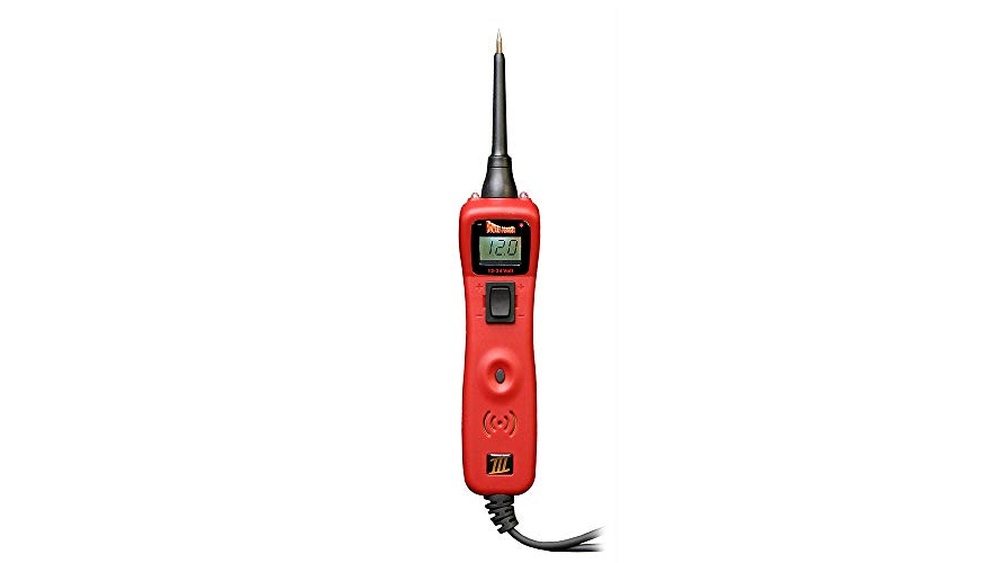
Using the Power Probe 3 Clamshell daily, I found it easy to carry and operate due to its compact size and 20-foot cord. It works well for quick voltage checks and circuit testing in various automotive situations.
The Power Probe 3EZ offers a straightforward experience with its navigation menu, making it simple to learn and test bad grounds or short circuits. Its sturdier build feels reliable for extended use, though it is heavier than the Clamshell version.
Power Probe 3 Clamshell At A Glance

Where Power Probe 3 Clamshell Fits
- Ideal for diagnosing 12-24 VDC automotive electrical systems.
- Useful for quick voltage and resistance testing with a digital voltmeter.
- Good for users who need a long cord for flexible testing locations.
- Fits well in situations requiring audible circuit monitoring.
Where Power Probe 3 Clamshell Struggles
- May lack some advanced guided features for beginners.
- Limited in power supply functions compared to some other testers.
Power Probe 3ez At A Glance

Where Power Probe 3EZ Fits
- Designed for testing bad grounds and short circuits effectively.
- Includes a navigation menu that helps with ease of use and learning.
- Offers power and ground supply functions for troubleshooting.
- Good for users who prefer a robust tool with accessories and case.
Where Power Probe 3EZ Struggles
- Heavier and bulkier compared to the Clamshell model.
- Less convenient for quick tests due to size and weight.
Comparing Features And Practical Use In Automotive Electrical Testing
In daily use, I compared how both testers handle voltage measurement, circuit testing, and ease of use. The navigation aids and power supply options were also key points. Portability and comfort during extended diagnostics were considered.
Which Tester Handles Voltage Measurement Better?
Both testers include digital voltmeters, but their handling differs slightly.
| Aspect | Power Probe 3 Clamshell | Power Probe 3EZ |
|---|---|---|
| Voltage Range | 12-24 VDC systems | Standard automotive voltage range |
| Digital Display | Simple, clear readout | Includes min/max voltage capturing |
| Ease of Reading | Straightforward | Guided with navigation menu |
| Additional Features | Audible circuit monitoring | Power and ground supply functions |
Ratings: Power Probe 3 Clamshell – 7/10 | Power Probe 3EZ – 8/10
Edge: Power Probe 3EZ suits users who want extra guidance and power supply capabilities.
How Do They Compare in Portability and Handling?
Weight and size affect comfort during use.
| Aspect | Power Probe 3 Clamshell | Power Probe 3EZ |
|---|---|---|
| Weight | 1.36 Pounds | 3.4 Pounds |
| Size | Compact with long cord | Larger, with case and accessories |
| Portability | Easy to carry | Less convenient to move around |
Ratings: Power Probe 3 Clamshell – 8/10 | Power Probe 3EZ – 6/10
Edge: Power Probe 3 Clamshell is better for users needing a lightweight and portable tool.
Which Tester Is More Suitable for Beginners?
Learning curve and ease of use are important for new users.
| Aspect | Power Probe 3 Clamshell | Power Probe 3EZ |
|---|---|---|
| User Guidance | Minimal guidance | Navigation menu simplifies use |
| Function Complexity | Basic multifunctional testing | Includes power supply and ground testing |
| Learning Curve | Moderate | Lower for beginners |
| Suitability | Experienced users | Beginners and intermediate users |
Ratings: Power Probe 3 Clamshell – 6/10 | Power Probe 3EZ – 8/10
Edge: Power Probe 3EZ offers better support for learning and ease of use.
How Do They Perform in Circuit Testing Functions?
Testing circuits accurately is the core function.
| Aspect | Power Probe 3 Clamshell | Power Probe 3EZ |
|---|---|---|
| Circuit Testing | Multi-functional circuit tester | Tests bad grounds and shorts |
| Resistance Measurement | Included | Not specifically highlighted |
| Auxiliary Ground | 4mm banana jack with ground | Not specified |
| Power Supply | Basic | Supplies power and ground |
Ratings: Power Probe 3 Clamshell – 7/10 | Power Probe 3EZ – 7/10
Edge: Both are capable circuit testers with slightly different focuses.
Long-term Reliability And Ease Of Mastery
The Power Probe 3 Clamshell offers a consistent testing experience once you get familiar with its functions. Its straightforward design means fewer distractions and a quicker routine once the basics are learned. It provides peace of mind through simplicity and reliable operation.
Power Probe 3EZ has a slightly steeper initial learning curve due to its added navigation and features. However, these aids help build confidence and reduce mistakes over time. Its solid build and accessory case contribute to trust in longer work sessions and varied diagnostic tasks.
Deciding Which Automotive Circuit Tester Works For You
Choose the Power Probe 3 Clamshell if you prefer a lighter, more portable tool that covers essential voltage and circuit testing with ease. It suits those who need a simple, reliable device for quick diagnostics without extra features.
Opt for the Power Probe 3EZ if you want a more guided testing experience with additional power and ground supply functions. It fits users who value learning aids and don’t mind a heavier tool for more comprehensive circuit testing.
Both testers serve well but appeal to different user needs and preferences.
Common Questions About Power Probe 3 Vs 3ez For Circuit Testing
Can both testers handle 12-24 V automotive systems?
Yes, both are compatible with typical automotive voltages. The Power Probe 3 Clamshell explicitly supports 12-24 VDC systems, while the 3EZ handles standard automotive voltage ranges.
Which tester is easier for beginners to use?
The Power Probe 3EZ is generally easier for beginners due to its navigation menu and guided functions. The Clamshell model requires more prior knowledge for effective use.
Do these testers supply power during diagnostics?
The Power Probe 3EZ can supply power and ground, which helps in certain tests. The Clamshell model offers more basic power functions but focuses more on measurement.
Is the weight difference significant in daily use?
Yes, the Clamshell is notably lighter and more portable. The 3EZ is heavier and bulkier, which may affect comfort during extended use.
Which tool offers better circuit resistance testing?
The Power Probe 3 Clamshell includes resistance measurement features. The 3EZ focuses more on ground and short circuit testing without specific mention of resistance checks.
Are accessories included with both testers?
The 3EZ comes with a case and accessories, making it more of a complete package. The Clamshell includes hookup clips and a long cord but fewer extras.
Can I rely on these tools for professional automotive diagnostics?
Both tools are suitable for automotive electrical diagnostics but have different strengths. The choice depends on your specific testing needs and comfort with the tool’s features.

I’m Asif Ur Rahman Adib, an Electrical Engineer and lecturer. My journey began in the lab, watching students struggle with instruments they used every day without fully understanding them. Over time, I’ve combined teaching, research, and hands-on experience to help others grasp electrical concepts clearly, safely, and practically—whether it’s understanding a circuit or mastering a multimeter.