Choosing Between Uni T Ut181a And Fluke 289: What Matters Most?
When deciding on a multimeter, consider your daily tasks and precision needs. Both tools offer logging features but differ in ease of use and display size. Think about how often you’ll use advanced functions like Bluetooth or video sharing. Portability and battery life also affect long-term satisfaction. The goal is to find a model that fits your work style and won’t cause frustration later.
Who Might Lean Towards Each Multimeter?
- Technicians needing detailed data logging in the field.
- Engineers working with rapid signal changes or electrical motor drives.
- Users valuing compact size and Bluetooth connectivity.
- Professionals wanting large, clear displays for quick reading.
- Those who prefer sharing results remotely with teams.
- Buyers focused on battery longevity and rugged build.
Where The Uni-t Ut181a True Rms Multimeter Fits Best
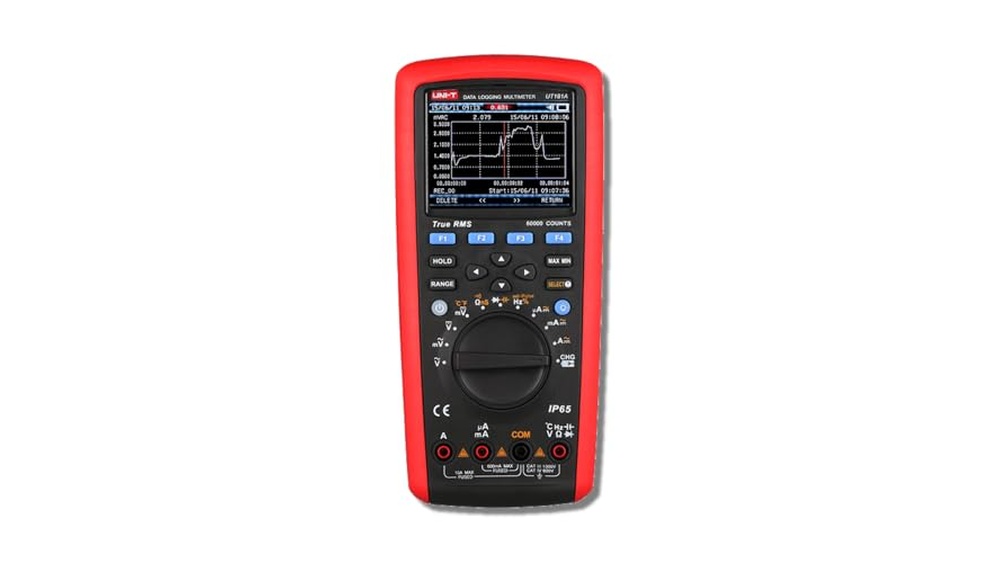
I often find the UNI-T UT181A useful when I need a compact and versatile multimeter that logs a large amount of data. Its Bluetooth connectivity and color display make reviewing trends easier on the go.
This model suits buyers who want a small, durable tool with dual temperature measurement and a low pass filter for cleaner readings. If you work in environments requiring IP65 protection, it adds peace of mind.
.ap-btn{ transition:transform .15s ease, filter .15s ease; } .ap-btn:hover{ transform:translateY(-1px); filter:brightness(.95); }
Features that ease daily use
- Large data logging capacity of 20,000 points.
- 3.5-inch color TFT LCD for clear trend viewing.
- Bluetooth and app support for remote data access.
- Dual temperature measurement for versatile testing.
- IP65 rating ensures protection against dust and water.
Potential drawbacks to consider
- Lower sales rank suggests less widespread professional use.
- Smaller screen may not suit those who prefer larger displays.
- Battery life details are limited compared to competitors.
When The Fluke 289 Stands Out As A Better Pick
I turn to the Fluke 289 when I need a reliable multimeter with a large, detailed display and advanced filtering features. It’s great for catching subtle anomalies in electrical signals.
This multimeter works well for users who value high resolution and extensive measurement ranges. Its ShareLive video call feature can be a real asset when collaborating remotely.

Strengths that improve confidence
- Large 50,000 count display with bright backlight.
- TrendCapture feature zooms in on logged data up to 14 times.
- AC filter smooths readings on noisy or fast-changing signals.
- Supports ShareLive video calls for team collaboration.
- Measures high current up to 20 A for short periods.
Consider these before choosing
- Larger size and weight may reduce portability.
- Wireless connector for ShareLive is sold separately.
- Higher complexity might require more learning time.
Questions That Help You Decide Between These Multimeters
Do you prioritize compact size and portability or a larger display for easier viewing? Consider how often you’ll use Bluetooth or remote sharing features. Think about the types of measurements you perform most—do you need dual temperature sensing or advanced filtering?
Battery life and device ruggedness matter if you work outdoors or in rough conditions. Also, reflect on your comfort with device complexity. The Fluke offers more features but may take more time to master.
Finally, consider if you collaborate often with teams remotely, as Fluke’s ShareLive might add value there. Your daily workflow will guide which model reduces stress and adds confidence.
A Straightforward Comparison To Guide Your Choice
Size and Portability
Will you carry the meter around frequently or mostly use it in a fixed spot? Size affects ease of handling and storage.
| Decision factor | UNI-T UT181A | Fluke 289 |
|---|---|---|
| Dimensions (HxWxL) | 2.32 x 4.05 x 8.86 inches | 3.46 x 16.0 x 11.54 inches |
| Weight | 1.41 pounds | 2.20 pounds |
| Color | Red and grey | Yellow |
UNI-T UT181A suits users needing a small, light tool; Fluke 289 fits stationary or bench use better.
Display and User Interface
Is having a large, high-resolution screen important for your readings? Consider visibility and ease of data analysis.
| Decision factor | UNI-T UT181A | Fluke 289 |
|---|---|---|
| Screen size | 3.5-inch color TFT | Large 1/4 VGA with backlight |
| Data logging count | 20,000 | 50,000 |
| Trend zoom | Basic | Up to 14x zoom |
Those needing detailed graphical data may prefer the Fluke 289’s display and zoom.
Connectivity and Features
Do you require Bluetooth or video sharing? What about advanced filtering for noisy signals?
| Decision factor | UNI-T UT181A | Fluke 289 |
|---|---|---|
| Bluetooth/App | Yes | No (requires separate connector for ShareLive) |
| ShareLive video call | No | Yes (with accessory) |
| Low pass filter | Yes | Yes |
| Peak current measurement | Not specified | Up to 20 A for 30s |
Connectivity needs and remote support influence which model better supports your workflow.
Durability and Battery
How important is device protection and battery life during long workdays?
| Decision factor | UNI-T UT181A | Fluke 289 |
|---|---|---|
| IP rating | IP65 | Not specified |
| Battery type | 2200mAh Li-ion | Not specified |
| Weight impact | Lighter | Heavier |
If you work in harsh environments, the UNI-T’s protection might be more reassuring.
What Might Cause Regret After Buying Either Multimeter?
Buying a model that’s too large or heavy for your typical tasks can lead to frustration. The Fluke 289’s size might feel cumbersome if you need portability.
On the other hand, if you require advanced remote collaboration, the UNI-T UT181A may fall short without video call support. Also, limited screen size may hinder quick data review for some.
Finally, not considering battery life or device protection could cause issues in demanding work settings. Aligning features with real use avoids these pitfalls.
Making A Calm, Confident Choice
Both multimeters have clear strengths and some limitations. Reflect on your daily use, workspace, and how much you value portability versus advanced display and collaboration features.
Choose the UNI-T UT181A for compactness, Bluetooth, and ruggedness. Opt for the Fluke 289 if you want a bigger screen, higher resolution logging, and team sharing options. Either way, you’ll have a reliable tool for electrical testing.
Your careful consideration will help avoid buyer’s remorse and ensure the multimeter serves you well.
Common Questions About Uni T Ut181a Vs Fluke 289 Multimeters
Which multimeter is more portable?
The UNI-T UT181A is smaller and lighter, making it easier to carry around. The Fluke 289 is larger and heavier, better suited for bench work.
Do both support data logging?
Yes, both offer data logging. Fluke 289 supports up to 50,000 counts, while the UNI-T UT181A supports 20,000 counts.
Can I share measurements remotely?
Fluke 289 offers ShareLive video calls with an accessory, enabling remote collaboration. UNI-T UT181A connects via Bluetooth and an app but does not support video calls.
Which has a better display for trend analysis?
Fluke 289 has a larger, higher resolution screen with zoomed trend capture. UNI-T UT181A has a smaller color TFT display suitable for basic trend viewing.
Are these multimeters durable for field use?
UNI-T UT181A has an IP65 rating, offering dust and water resistance. Fluke 289’s durability rating is not specified but it is designed for professional use.
What about battery life?
UNI-T UT181A uses a 2200mAh Li-ion battery, but exact battery life is not detailed. Fluke 289 does not specify battery type or life clearly.
Is one better for noisy or fluctuating signals?
Both have low pass filters to stabilize readings on noisy signals. Fluke 289 additionally offers selectable AC smoothing modes for steadier readings.

I’m Asif Ur Rahman Adib, an Electrical Engineer and lecturer. My journey began in the lab, watching students struggle with instruments they used every day without fully understanding them. Over time, I’ve combined teaching, research, and hands-on experience to help others grasp electrical concepts clearly, safely, and practically—whether it’s understanding a circuit or mastering a multimeter.