Are you confused about choosing between a 600V and a 1000V multimeter? Picking the right multimeter can make a huge difference in your work, safety, and accuracy.
Whether you’re a DIY enthusiast or a professional, understanding which voltage rating suits your needs is crucial. You’ll discover the key differences, benefits, and risks of each option. By the end, you’ll feel confident making the best choice for your tools and projects.
Keep reading to find out what really matters when it comes to 600V vs 1000V multimeters.
Credit: powerstartau.com
Voltage Ratings Explained
Understanding voltage ratings on multimeters is important. It helps you choose the right tool for your tasks. Voltage ratings show the maximum voltage the meter can handle safely. Using a meter with the right rating protects both you and the device. Below, we explain what 600V and 1000V ratings mean and why safety matters.
What Does 600v Mean?
A 600V rating means the multimeter can measure circuits up to 600 volts. It suits most household and small electrical projects. This rating ensures the meter can handle common voltage levels without damage. Using a 600V meter on higher voltages risks meter failure and electric shock.
What Does 1000v Mean?
A 1000V rating means the multimeter can safely measure voltages up to 1000 volts. It is ideal for industrial and commercial electrical work. This rating offers extra protection against high voltage spikes. Choosing a 1000V meter adds safety when working with larger electrical systems.
Safety Standards And Certifications
Voltage ratings relate to safety standards like IEC 61010. These standards test meters for voltage and category levels. Certifications show the meter meets strict safety rules. Look for CAT ratings such as CAT II, CAT III, or CAT IV. Higher CAT numbers mean higher protection in tougher environments. Always pick a certified meter for safe use.
Applications And Use Cases
Understanding the applications and use cases of 600V and 1000V multimeters helps choose the right tool. Each rating fits specific electrical environments and safety needs. Using the correct multimeter protects the user and ensures accurate measurements. The following sections explain where each type works best and what tasks they suit.
Home And Light Industrial Use
600V multimeters are perfect for home and light industrial tasks. They handle common household voltages and small machinery safely. These meters check outlets, appliances, and basic electrical panels. Light industrial settings like workshops or small factories also benefit from 600V meters. They measure voltage, current, and resistance in low to medium power circuits. Their size and ease of use make them ideal for casual users and technicians alike.
Heavy Industrial And Commercial Use
1000V multimeters suit heavy industrial and commercial environments. These places often have higher voltage systems needing more robust tools. Electricians in factories or large commercial buildings prefer 1000V meters for safety. These meters handle power distribution panels and large motors. They withstand harsh conditions and provide precise readings for complex electrical systems. Using a 1000V meter reduces risk when working with high voltage equipment.
Specific Tasks For Each Rating
Tasks for 600V meters include testing household wiring and small motors. They check batteries and troubleshoot electronic devices. 600V meters are great for maintenance and repair in simple circuits. For 1000V meters, tasks involve measuring high voltage transformers and industrial machinery. They test large switchgear and power lines. 1000V meters help detect faults in complex electrical networks. Selecting the right rating depends on voltage level and task complexity.
Safety Considerations
Safety is the top priority when using multimeters. Choosing between a 600V and a 1000V multimeter depends on the voltage level you will measure. Understanding safety aspects helps prevent accidents and equipment damage. This section explains risks, features, and proper handling to keep you safe.
Risk Factors At Different Voltages
Higher voltage means higher risk of electric shock. A 600V multimeter suits low to medium voltage tasks. Using it on higher voltage can cause damage or injury. A 1000V multimeter handles higher voltages safely. It reduces the chance of electric shock and tool failure. Always match the multimeter rating with the voltage you measure.
Protective Features In Multimeters
Multimeters include safety features to protect users. Fuses prevent damage from sudden current spikes. CAT ratings indicate the tool’s safety level for specific environments. A 1000V multimeter usually has a higher CAT rating than 600V models. Insulated probes and double insulation help avoid electric shocks. Look for these features to enhance safety.
Proper Handling And Precautions
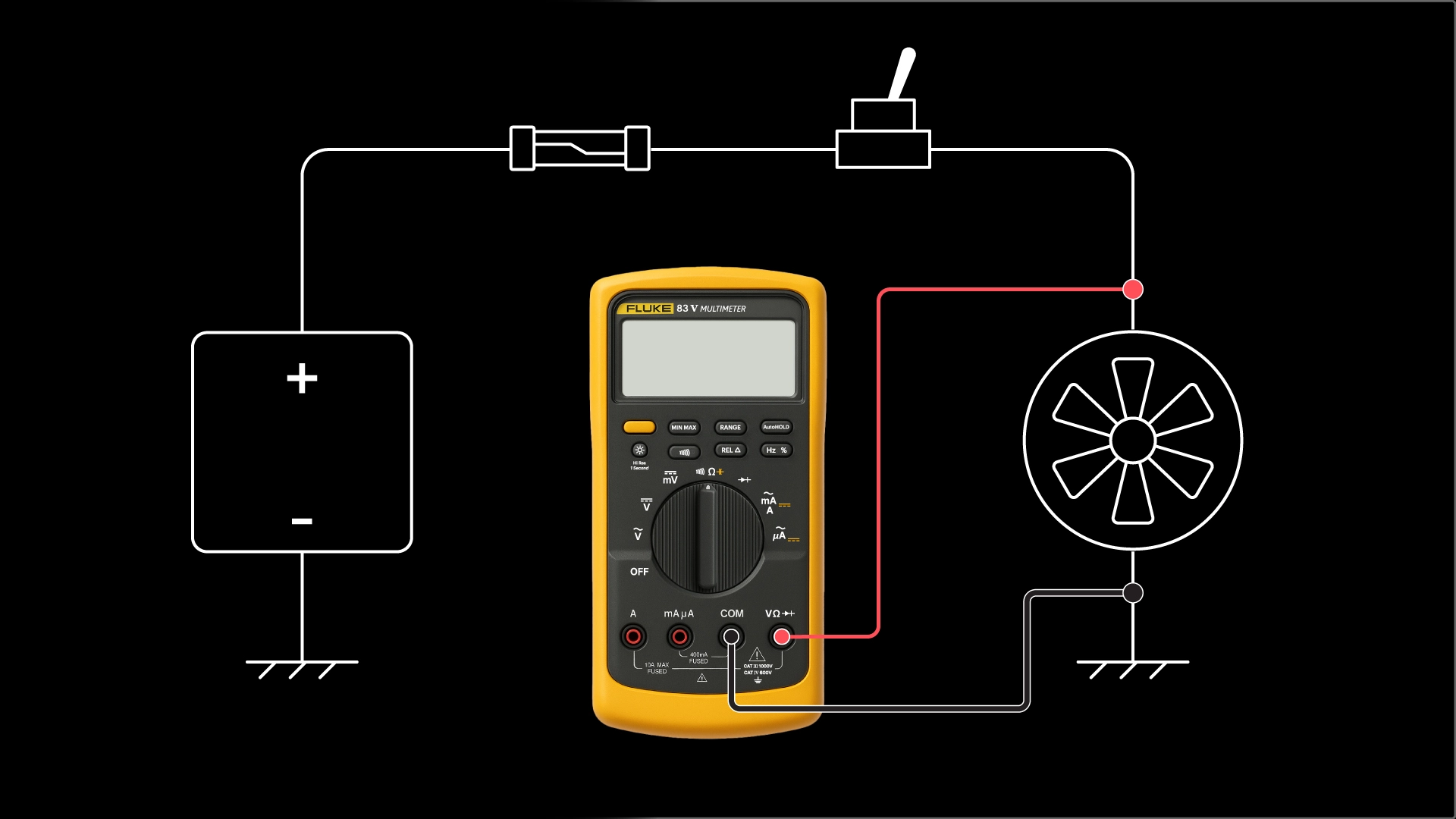
Inspect your multimeter before each use. Check for broken wires or damaged probes. Always turn off power before connecting the multimeter. Use one hand when possible to reduce shock risk. Avoid measuring voltages beyond the multimeter’s limit. Store the tool in a dry, safe place to keep it in good condition.
Credit: www.realpars.com
Cost And Durability
Cost and durability are key factors when choosing between a 600V and 1000V multimeter. These tools need to last long and fit your budget. Understanding their price and build quality helps make a smart choice. Durability ensures your multimeter works well over time. Cost affects what features and quality you get. Below, we explore these aspects in detail.
Price Differences Between 600v And 1000v
600V multimeters usually cost less than 1000V models. The lower voltage rating means fewer safety features and simpler design. 1000V multimeters have stronger insulation and more protection. This raises their price. For basic tasks, a 600V meter may be enough and cheaper. For heavy-duty or industrial work, spending more on a 1000V multimeter can be worth it.
Build Quality And Longevity
1000V multimeters often have tougher cases and parts. They use materials that resist shocks and drops better. Their internal components handle higher voltages without damage. 600V meters may lack some of these protections. Both types can last many years if used carefully. Still, 1000V meters are built for harsher environments and longer use.
Value For Money
Choosing value depends on your needs. A 600V multimeter offers good value for home or light work. It saves money without losing accuracy. A 1000V multimeter gives extra safety and durability. It is valuable for professionals who need reliable gear daily. Think about how often and where you will use the meter. Match your choice to your work to get the best value.
Choosing The Right Multimeter
Choosing the right multimeter is important for safe and accurate measurements. Not all multimeters work for every task. Knowing your needs helps you pick the best tool.
Multimeters come with different voltage ratings, such as 600V and 1000V. Each suits different situations. Choosing the correct one improves safety and efficiency.
Assessing Your Measurement Needs
Think about the type of work you do. Measure low voltage circuits or higher power lines? A 600V multimeter fits most home and car tasks. For industrial or heavy-duty work, a 1000V model is better. Check the highest voltage you expect to measure. Always choose a multimeter with a rating above that voltage.
Environment And Frequency Of Use
Consider where and how often you use the multimeter. Frequent use in harsh or outdoor environments needs a sturdy, high-rated tool. A 1000V multimeter usually offers better protection against spikes. For occasional, indoor use, a 600V device may be enough. Also, look for multimeters with good insulation and durability.
Balancing Budget And Safety
Price matters but safety comes first. A cheaper 600V multimeter may save money but limit use. Spending more on a 1000V device adds safety for tougher tasks. Think long term. A safer tool prevents accidents and protects your investment. Choose a multimeter that matches your budget without compromising safety.
Credit: www.foxvalleymetrology.com
Frequently Asked Questions
What Is The Difference Between 600v And 1000v Multimeters?
A 600V multimeter measures voltages up to 600 volts safely. A 1000V multimeter handles higher voltages up to 1000 volts. The higher rating offers increased safety for industrial and high-voltage applications.
Which Multimeter Voltage Rating Is Safer For Electricians?
The 1000V multimeter is safer for electricians working with high voltage. It provides extra insulation and protection against voltage spikes. For general household use, a 600V meter is usually sufficient.
Can A 600v Multimeter Measure 1000v Circuits?
No, a 600V multimeter is not rated for 1000V circuits. Using it above 600 volts risks damage and electric shock. Always use a multimeter with a voltage rating equal to or higher than the circuit voltage.
When Should You Use A 1000v Multimeter Over 600v?
Use a 1000V multimeter for industrial or high-voltage electrical systems. It is ideal for commercial buildings and heavy machinery. For residential or low-voltage tasks, a 600V multimeter is adequate and more cost-effective.
Conclusion
Choosing between a 600V and 1000V multimeter depends on your needs. A 600V meter suits most home and small projects. A 1000V meter works better for higher voltage or industrial tasks. Safety matters most. Always pick a meter with the right voltage rating for your work.
Using the correct tool keeps you safe and your readings accurate. Think about where and how you will use it. That helps you make a smart choice.

I’m Asif Ur Rahman Adib, an Electrical Engineer and lecturer. My journey began in the lab, watching students struggle with instruments they used every day without fully understanding them. Over time, I’ve combined teaching, research, and hands-on experience to help others grasp electrical concepts clearly, safely, and practically—whether it’s understanding a circuit or mastering a multimeter.