Choosing the right digital multimeter depends on your needs and work environment.
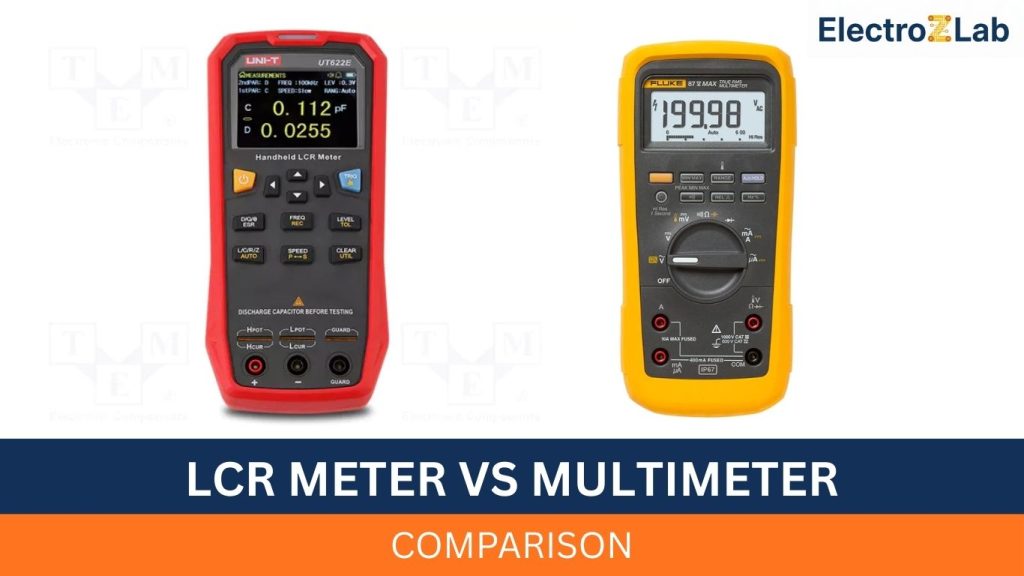
Fluke 17B+ and Fluke 87V differ mainly in feature depth and intended use.
Imagine fixing wiring in a home, troubleshooting machinery in a workshop, or checking temperature on HVAC systems. You want a tool that’s reliable, easy to use, and suits the job. Sometimes you need simple measurements, other times advanced troubleshooting. Your choice affects how smoothly your work goes.
This article helps you understand the strengths and weaknesses of each multimeter, so you can pick the best fit.
How Well Does The Fluke 17b+ Handle Everyday Electrical Testing?
Yes, the Fluke 17B+ covers common electrical tasks effectively. It’s designed for general troubleshooting and basic measurements.
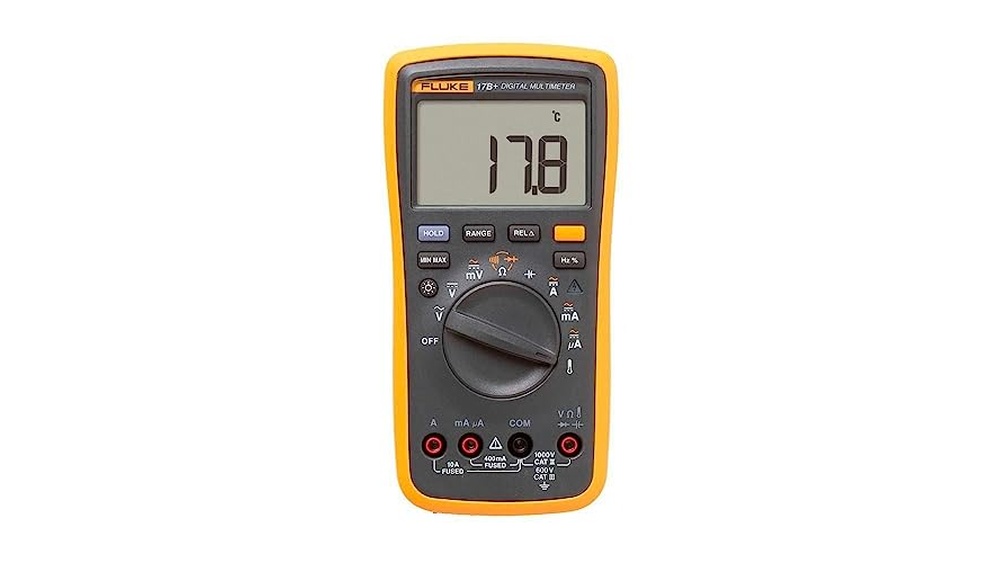
I found the Fluke 17B+ quite practical for home and light commercial electrical work. It measures voltage, current, resistance, and temperature with ease. The included thermocouple is useful for checking heating systems. Its safety rating fits standard job sites, and the size feels comfortable in hand. For routine checks and repairs, it offers enough functions without unnecessary complexity.

Key features that matter in basic electrical work
- Measures AC/DC voltage up to 1000V and current up to 10A
- Includes resistance, continuity, diode, capacitance, and frequency tests
- Temperature measurement with type K thermocouple up to 400°C
- CAT III 600V safety rating suitable for residential and commercial jobs
- Compact and lightweight for easy handling
Everyday benefits when using this multimeter
- Simple interface makes it straightforward to operate
- Reliable readings for routine diagnostics
- Good battery life for extended use
- Clear display with decent resolution
- Sturdy design that withstands typical worksite conditions
Points to consider before deciding
- Lacks advanced features like peak capture or low pass filter
- Not designed for industrial or highly specialized troubleshooting
- No included accessories beyond the thermocouple
Who benefits most from the Fluke 17B+ daily use
The Fluke 17B+ is best for electricians or DIYers needing a reliable, straightforward multimeter for common electrical tasks. It makes life easier by covering essential measurements without complicating operations. Beginners will find it approachable, while experienced users can rely on it for quick checks.
In my experience, having a tool like this reduces guesswork and speeds up troubleshooting. A practical tip is to keep the thermocouple handy for HVAC or temperature-related checks. This multimeter offers peace of mind with solid safety ratings and dependable performance.
What Makes The Fluke 87v Suitable For Advanced Electrical Troubleshooting?
It depends on the complexity of your work, but the Fluke 87V offers features tailored for industrial and detailed diagnostics.
This multimeter handles a wider range of tasks, including capturing intermittent signals and filtering noise on variable speed drives. I noticed it delivers precise readings with higher resolution, which helps when small changes matter. The included accessories like test leads and temperature probe add value. Its safety ratings cover tougher environments, making it a solid choice for professional settings.

Standout technical features for professional troubleshooting
- Low pass filter to measure frequency on adjustable speed drives
- Peak capture for detecting brief signal changes down to 250 µS
- Switchable display resolution up to 20,000 counts for detailed readings
- CAT III 1000V and CAT IV 600V safety ratings for industrial environments
- Comes with TL75 test leads, AC175 alligator clips, and 80BK temperature probe
Benefits experienced during complex electrical tasks
- Accurate and stable readings in noisy electrical environments
- Ability to track intermittent problems easily
- Robust build quality suitable for industrial use
- Wide measurement functions, including peak and min/max values
- Comfortable grip and clear display for long troubleshooting sessions
Trade-offs to be aware of before buying
- Higher price point compared to basic multimeters
- Larger and heavier, less convenient for quick checks
- More complex interface may require some learning
Best situations to consider the Fluke 87V for your toolkit
The Fluke 87V suits electricians and technicians dealing with industrial machinery or advanced troubleshooting. It eases detailed diagnostics and saves time finding elusive faults. Beginners might find it complex initially, but experienced users benefit most from its feature set. A practical tip is to familiarize yourself with the low pass filter and peak capture functions early on. In my experience, this multimeter offers peace of mind through precision and durability in demanding conditions.
Practical Differences Between Fluke 17b+ And Fluke 87v In Daily Electrical Tasks
I tested both multimeters on typical jobs like checking household circuits, diagnosing motor drives, and measuring temperature. The 17B+ felt quicker for basic checks, while the 87V excelled when troubleshooting complex equipment. Each tool has its place depending on task demands and user experience.
How do these multimeters compare on measurement capabilities?
The Fluke 17B+ covers essential functions, while the 87V adds advanced features like peak capture and low pass filtering. This impacts what problems you can diagnose efficiently.
| Metric | Fluke 17B+ Digital Multimeter | Fluke 87V Industrial Multimeter |
|---|---|---|
| Voltage Range | Up to 1000V AC/DC | Up to 1000V AC/DC |
| Current Range | Up to 10A | Up to 10A |
| Frequency Measurement | Basic | Advanced with low pass filter |
| Peak Capture | No | Yes |
| Temperature Measurement | Included thermocouple | Included 80BK temp probe |
Ratings: 17B+ is reliable for standard jobs; 87V excels in detailed diagnostics.
Edge: Choose 17B+ for everyday electrical work; 87V for industrial troubleshooting.
What about safety ratings and build quality differences?
The 17B+ offers CAT III 600V, while the 87V goes up to CAT III 1000V and CAT IV 600V, suitable for harsher environments. The 87V’s build feels more rugged, designed for industrial use.
| Metric | Fluke 17B+ Digital Multimeter | Fluke 87V Industrial Multimeter |
|---|---|---|
| Safety Rating | CAT III 600V | CAT III 1000V, CAT IV 600V |
| Weight | 1.04 lbs | 1.3 lbs |
| Dimensions (HxWxL) | 5.91″ x 2.76″ x 8.46″ | 3.5″ x 6.5″ x 9.49″ |
| Build Quality | Sturdy for residential/commercial | Rugged for industrial use |
Ratings: 87V offers higher safety standards; 17B+ covers typical environments well.
Edge: 87V suits industrial settings; 17B+ fits general electrical work.
How do user experience and ease of use compare?
The 17B+ has a simpler interface and lighter weight, making it easier for quick tasks. The 87V’s advanced features mean a steeper learning curve but more capability for experienced users.
| Metric | Fluke 17B+ Digital Multimeter | Fluke 87V Industrial Multimeter |
|---|---|---|
| User Interface | Simple and straightforward | Advanced, more controls |
| Weight | 1.04 lbs | 1.3 lbs |
| Included Accessories | Type K thermocouple only | Test leads, alligator clips, temp probe |
| Learning Curve | Easy for beginners | Better for experienced users |
Ratings: 17B+ is beginner-friendly; 87V is feature-rich for pros.
Edge: Beginners prefer 17B+; advanced users benefit from 87V.
Which multimeter offers better value for the price?
The 17B+ is more affordable and covers most routine tasks. The 87V costs more but adds features and accessories for demanding jobs.
| Metric | Fluke 17B+ Digital Multimeter | Fluke 87V Industrial Multimeter |
|---|---|---|
| Current Price | $124.48 | $485.99 |
| Original Price | $172.99 | $561.99 |
| Savings | 28% off | 14% off |
| Included Accessories | Thermocouple only | Leads, clips, temp probe |
Ratings: 17B+ offers excellent value for basic use; 87V justifies price for advanced needs.
Edge: Budget-conscious users choose 17B+; professionals get more with 87V.
Choosing Between Fluke 17b+ And Fluke 87v For Your Electrical Tasks
If your work involves common electrical measurements and you want a straightforward, reliable multimeter, the Fluke 17B+ is a solid choice. It fits well for residential and light commercial use, offering safety and ease without overwhelming features.
For those who handle industrial equipment or need detailed troubleshooting tools, the Fluke 87V delivers advanced functions and durability suited for complex diagnostics. It’s ideal for experienced electricians or technicians requiring precision and versatility.
Both multimeters serve their purposes well; your decision depends on the complexity of your tasks and how much detail you need in your measurements.
Common Questions About Fluke 17b+ Vs 87v For Electrical Work
Can the Fluke 17B+ handle industrial troubleshooting?
The Fluke 17B+ is mainly designed for residential and light commercial use. It can perform basic tests but lacks advanced features needed for industrial diagnostics. For tougher environments, the 87V is better suited.
What extra features does the Fluke 87V have compared to the 17B+?
The 87V includes a low pass filter for frequency measurements, peak capture for intermittent signals, and higher display resolution. It also comes with additional accessories, making it more versatile for complex tasks.
Is the Fluke 17B+ easier for beginners to use?
Yes, the 17B+ has a simpler interface and fewer controls, making it more approachable for those new to multimeters. The 87V’s advanced functions may require some learning.
How do safety ratings differ between these two models?
The 17B+ has a CAT III 600V safety rating suitable for typical job sites. The 87V offers higher ratings including CAT III 1000V and CAT IV 600V, allowing use in more demanding industrial settings.
Are temperature measurements included with both multimeters?
Yes, both include temperature measurement capability. The 17B+ comes with a type K thermocouple, while the 87V includes an 80BK temperature probe, which is useful for HVAC and other applications.

I’m Asif Ur Rahman Adib, an Electrical Engineer and lecturer. My journey began in the lab, watching students struggle with instruments they used every day without fully understanding them. Over time, I’ve combined teaching, research, and hands-on experience to help others grasp electrical concepts clearly, safely, and practically—whether it’s understanding a circuit or mastering a multimeter.