Choosing Between Fluke 28 Ii And 87v Max: A Quick Guide
- Pick Fluke 28 Ii if you want a high-resolution display for detailed readings.
- Choose 87V Max when waterproof and dustproof features are critical for your worksite.
- Go with Fluke 28 Ii for trusted NIST calibration right out of the box.
- Prefer 87V Max if you need a multimeter that can handle drops up to 13 feet.
- Fluke 28 Ii makes more sense for those valuing clear keypad visibility in low light.
- 87V Max is the safer bet for long battery life and built-in temperature measurements.
Is The Fluke 28 Ii Rugged Digital Multimeter Precise Enough For Professional Work?
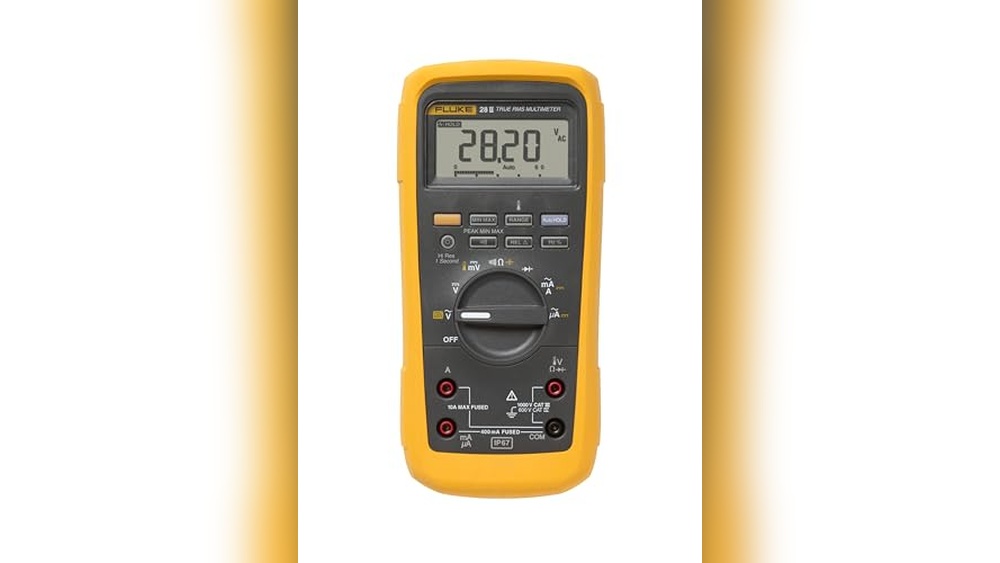
Yes, it is precise due to its NIST-traceable calibration certificate provided before shipment. This ensures it meets manufacturer specifications from day one. The true-rms AC voltage and current features deliver accurate readings on nonlinear signals. Its high-resolution 20,000 count display mode further supports precise measurement.
I find the Fluke 28 Ii comfortable for daily use because of its backlit keypad buttons, making it easy to operate in dimly lit environments. Its size and weight are manageable for carrying around job sites. The calibration confidence reduces worry about measurement accuracy. Overall, it feels like a dependable tool for serious electrical testing tasks.
What this multimeter excels at in field testing
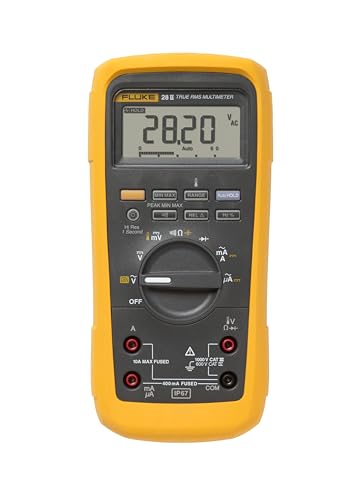
- High resolution 20,000 count display for detailed measurements
- True-rms AC voltage and current for accuracy on non-linear loads
- NIST calibration certificate ensures factory-verified accuracy
- Backlit keypad buttons for use in low-light environments
- Compact and lightweight design for easy portability
Considerations before choosing the Fluke 28 Ii
- Not waterproof or dustproof rated, less suited for harsh environments
- Weight and size slightly larger than some competitors
- No built-in thermometer or extended battery life features
- Higher price point compared to some rugged alternatives
Practical insights on using the Fluke 28 Ii
This multimeter suits professionals who prioritize measurement accuracy and calibration confidence. It removes the stress of uncertain readings thanks to its NIST certification. In my experience, it fits well for those with some electrical testing background rather than beginners. A practical tip is to take advantage of the backlit keys during night or indoor work. It offers peace of mind that your measurements meet quality standards without extra calibration steps.
Does The Fluke 87v Max Offer Durability For Tough Job Sites?
Yes, durability is a key strength of the 87V Max. It has an IP67 rating, which means it’s fully waterproof and dustproof. It can withstand drops from up to 13 feet, making it suitable for demanding environments. This ruggedness is backed by safety ratings suitable for high voltage work.
I appreciate how the 87V Max handles rough conditions without sacrificing essential functions. Its built-in thermometer and long battery life provide useful extras during extended jobs. The size is larger, but the protection it offers justifies it. I find it reassuring to have a tool that won’t easily fail on site.

Where this multimeter stands out in rugged testing
- IP67 waterproof and dustproof rating for extreme conditions
- Drop tested up to 13 feet for enhanced durability
- Built-in thermometer adds multifunctionality on site
- Long battery life supports extended field use
- Safety rated CAT III 1000 V, CAT IV 600 V for job security
Things to keep in mind about the Fluke 87V Max
- Larger size and heavier weight compared to some competitors
- Display resolution is not as high as some specialized models
- May include features unnecessary for basic measurement tasks
Real-world thoughts on the Fluke 87V Max
This multimeter is best for those working in challenging or outdoor environments where damage risk is high. It removes the worry of tool failure due to water or dust exposure. In my experience, it suits both beginners and experienced users who need reliable ruggedness. A practical tip is to use the thermometer function to monitor equipment temperature alongside electrical readings. Owning this meter brings peace of mind that your tool can handle tough job conditions.
Key Questions To Help Pick The Right Multimeter
Which model offers the accuracy level I need for my specific measurements? Does one multimeter handle environmental hazards better than the other? How important is having a built-in thermometer for my daily tasks? Will the size and weight of the tool affect how I carry it around? What safety ratings do I need for the voltages I commonly work with? How long can I expect the battery to last during a typical workday?Comparing Durability, Accuracy, And Features In Daily Use
In this comparison, we focus on factors that affect everyday electrical testing. Both multimeters deliver true-rms accuracy, but differ in ruggedness and additional functions. We look at calibration trust, environmental resistance, and user convenience to see which fits your practical needs best.Which multimeter offers better accuracy for precise measurements?
Both models provide true-rms accuracy for reliable readings. The Fluke 28 Ii includes a NIST-traceable calibration certificate, giving added assurance straight from the factory. The 87V Max relies on its trusted brand accuracy without the same pre-shipment certificate.| Metric | Fluke 28 Ii Rugged Multimeter | Fluke 87V Max |
|---|---|---|
| True-RMS Accuracy | Yes | Yes |
| NIST Calibration Certificate | Included | No |
| Display Resolution | 20,000 count | Lower resolution |
| Calibration Assurance | Factory verified | Standard |
So what? Choose the 28 Ii if you want guaranteed factory calibration for critical accuracy.
How do the models compare in ruggedness and environmental protection?
The 87V Max stands out with an IP67 rating and drop resistance up to 13 feet. The 28 Ii lacks formal waterproof or dustproof certification, making it less suited for harsh conditions.| Decision point | Fluke 28 Ii Rugged Multimeter | Fluke 87V Max |
|---|---|---|
| Waterproof Rating | None | IP67 |
| Dustproof Rating | None | IP67 |
| Drop Resistance | Standard | Up to 13 feet |
| Suitability for Harsh Sites | Moderate | High |
So what? The 87V Max is better for those working in tough, outdoor, or wet environments.
What additional features differentiate the two multimeters?
The 87V Max includes a built-in thermometer and longer battery life. The 28 Ii focuses on measurement precision and keypad visibility but lacks these extras.| Use case | Fluke 28 Ii Rugged Multimeter | Fluke 87V Max |
|---|---|---|
| Built-in Thermometer | No | Yes |
| Battery Life | Standard | Up to 800 hours |
| Backlit Keypad | Yes | No |
| Safety Ratings | Standard | CAT III 1000V, CAT IV 600V |
So what? Pick 87V Max if you want extra functions and extended battery life.
How do size and weight affect daily handling?
The 28 Ii is smaller and lighter, which helps with portability. The 87V Max is bulkier but offers more protection.| Metric | Fluke 28 Ii Rugged Multimeter | Fluke 87V Max |
|---|---|---|
| Weight | 0.66 pounds | 1.54 pounds |
| Dimensions (HxWxL) | 3x6x12 inches | 3.35x16x11.61 inches |
| Portability | High | Moderate |
| Ease of Handling | Easy | Bulkier |
So what? The 28 Ii is better for those valuing lightness and compactness.
Deciding Which Rugged Multimeter Fits Your Needs Best
If you prioritize precise measurement with factory calibration and a compact design, the Fluke 28 Ii is a solid choice. It suits technicians who work mostly indoors or in controlled environments.
The Fluke 87V Max is preferable for those who need a durable, waterproof tool with longer battery life and extra features like a built-in thermometer. It fits users exposed to harsh outdoor conditions or heavy-duty industrial sites.
When in doubt, consider your work environment and feature priorities: accuracy versus ruggedness. Both models offer reliability, so your choice depends on which strengths align better with your daily tasks.
Common Questions About Fluke 28 Ii Vs 87v Max Multimeters
Do both multimeters come calibrated and ready to use?
The Fluke 28 Ii comes with a NIST-traceable calibration certificate ensuring factory-verified accuracy. The 87V Max does not include this certificate but maintains trusted accuracy standards from Fluke.
Which model is better for outdoor or harsh environments?
The Fluke 87V Max is designed for rugged conditions with waterproof and dustproof IP67 rating and drop resistance. The 28 Ii lacks these environmental protections.
Is the size difference between the two significant in daily use?
Yes, the 28 Ii is lighter and smaller, making it easier to carry for extended periods. The 87V Max is bulkier but offers more protection.
Can beginners use these multimeters easily?
Both are suitable for users with some experience. The 28 Ii is straightforward with clear display and backlit keys, while the 87V Max adds features that may require familiarity.
What safety ratings do these multimeters have?
The 87V Max has high safety ratings (CAT III 1000 V, CAT IV 600 V) for demanding electrical environments. The 28 Ii meets standard safety specifications but is less focused on extreme conditions.
How long does the battery last on each model?
The 87V Max offers up to 800 hours of battery life, suitable for long shifts. Battery life for the 28 Ii is standard and may require more frequent replacement.
Are additional features like thermometers useful in these multimeters?
The built-in thermometer in the 87V Max adds value for users needing temperature monitoring alongside electrical measurements. The 28 Ii does not have this feature.

I’m Asif Ur Rahman Adib, an Electrical Engineer and lecturer. My journey began in the lab, watching students struggle with instruments they used every day without fully understanding them. Over time, I’ve combined teaching, research, and hands-on experience to help others grasp electrical concepts clearly, safely, and practically—whether it’s understanding a circuit or mastering a multimeter.